bluename
 Seasonal Snake Plant Care: Winter Water Control and Summer Ventilation Tips
Understanding Seasonal Needs: Why Snake Plants Change in Different Weather
Winter: Cooler temperatures slow growth, so snake plants need less water (their roots absorb moisture more slowly, and wet soil risks rot). Dry indoor air from heaters can also cause leaf crisping.
Summer: Warmer temperatures speed up growth, but heat + poor ventilation = stagnant air, which invites fungal diseases. High humidity (from showers or outdoor air) can also lead to rot if soil stays too wet.
Spring & Fall: Transition seasons where growth picks up (spring) or slows down (fall)—care here bridges winter and summer routines, with gradual adjustments to water and light.
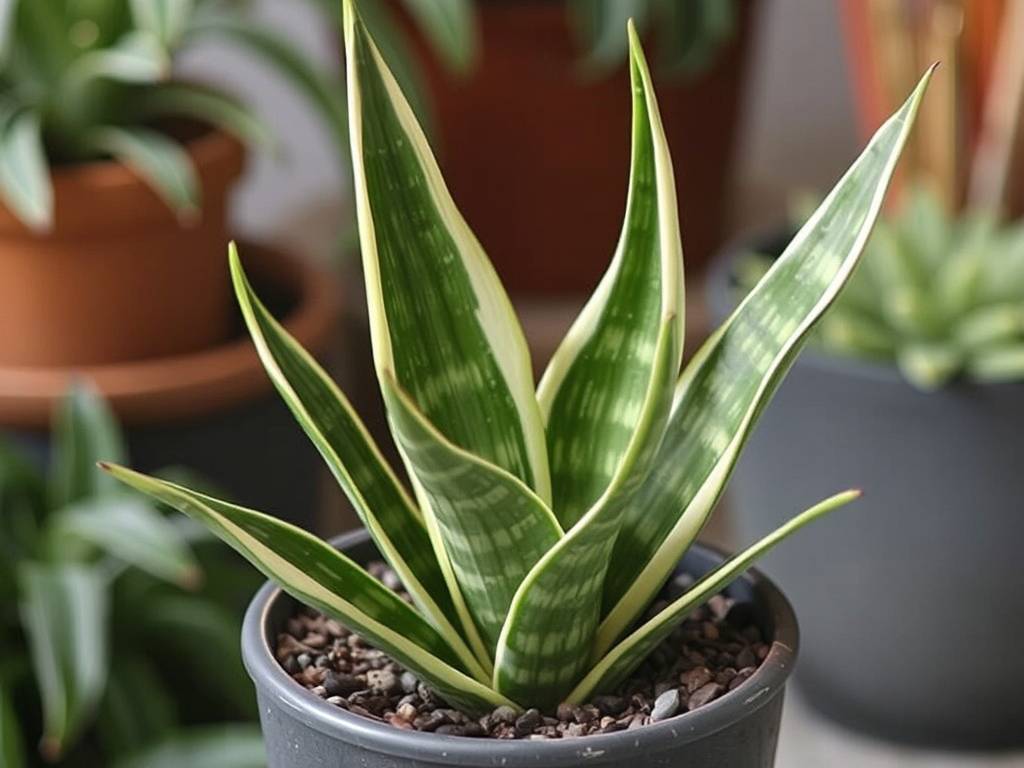
Winter Snake Plant Care: Mastering Water Control (and More)
1. Winter Watering: The “Dry, Then Water” Rule
Check Soil Moisture First (Every Time!): Never water on a schedule. Instead, stick your finger 2–3 inches into the soil. Only water if the soil is completely dry (no moisture at all). In most homes, this means watering every 4–6 weeks—sometimes even longer if your home is cool (below 60°F/15°C).
Water Less, But Water Thoroughly: When you do water, pour slowly around the base of the plant (avoid the center, where leaves meet soil—this prevents rot). Stop when water drains out the bottom of the pot, then discard any excess water in the saucer (never let the pot sit in standing water). A common mistake? Giving small sips of water, which leaves the lower soil wet and upper soil dry—this confuses the roots and increases rot risk.
Use Room-Temperature Water: Cold tap water shocks dormant roots. Let water sit out overnight to warm up and let chlorine evaporate before using it.
2. Winter Light: Give Them All the Bright Light You Can
Move Them Closer to Windows: Place your snake plant near a south-facing window (if you’re in the Northern Hemisphere) for maximum winter light. If south-facing isn’t an option, east or west windows work too. Avoid north-facing windows in winter—they don’t get enough light.
Avoid Direct Winter Sun (Sometimes): While summer midday sun scorches leaves, winter sun is gentler. Most snake plants can handle 1–2 hours of morning direct sun in winter (it warms them up and boosts growth). Just watch for signs of stress: if leaves turn pale or develop brown spots, move the plant back a few inches.
Rotate the Pot Weekly: Winter light comes from one direction (low in the sky), so leaves will lean toward the window. Rotate the pot ¼ turn every week to keep growth even.
3. Winter Temperature & Humidity: Keep Them Warm and (Not Too) Dry
Keep Temperatures Above 50°F/10°C: This is non-negotiable. Avoid placing them near drafty windows, doors, or cold air vents (e.g., a window with a crack where cold air seeps in). If your home drops below 50°F/10°C at night, move the plant to a warmer room (like a living room with a heater).
Combat Dry Air (Gently): Heaters dry out indoor air, which can cause snake plant leaf tips to turn brown. You don’t need a humidifier (snake plants tolerate low humidity!), but you can:
Place a tray of water near the plant (don’t let the pot sit in water—this defeats winter water control!). As the water evaporates, it adds a tiny bit of humidity.
Wipe leaves with a damp cloth once a month. This removes dust (which blocks light) and adds a little moisture to the leaves.
4. Winter Fertilizing: Skip It Entirely
Summer Snake Plant Care: Nail Ventilation (and Beat the Heat)
1. Summer Ventilation: Why It Matters (and How to Do It)
Open Windows (When Safe): If your area has mild summer temperatures (below 85°F/29°C) and low humidity, open a window near the plant for a few hours a day. This lets fresh air circulate. Avoid opening windows during extreme heat (above 90°F/32°C) or high humidity (over 60%)—this can make the air too hot or damp.
Use a Fan (Low Setting): If windows aren’t an option (e.g., you live in a city with poor air quality or extreme heat), place a small fan near the plant on low. Aim it so air blows gently over the leaves (not directly at the soil—this dries it out too fast). Run it for 2–3 hours a day to keep air moving.
Avoid Closed, Stuffy Rooms: Don’t put your snake plant in a bathroom with no fan (steam + no air flow = mold risk) or a bedroom that’s closed all day. Choose a room with natural air flow (e.g., a living room with cross-ventilation).
2. Summer Watering: More Often, But Still Don’t Overdo It
Check Soil Every 1–2 Weeks: In summer, soil dries faster (due to heat and growth). Stick your finger 2 inches into the soil—water if it’s dry. Most homes will need watering every 2–3 weeks, but if your plant is in bright light or a warm room, it may need water every 10–14 days.
Water in the Morning: Watering in the morning lets excess moisture evaporate during the day (thanks to heat and ventilation). Avoid watering at night—cool temperatures + wet soil = rot risk.
Watch for Signs of Thirst: Summer heat can make snake plants wilt slightly if they’re underwatered (leaves may look soft or bend easily). If this happens, water thoroughly—they’ll perk up within 24 hours.
3. Summer Light: Protect From Midday Sun
Bright Indirect Light Is Still Best: Place the plant near a window with a sheer curtain (this filters harsh sun). East-facing windows are perfect—they get morning sun (gentle) and afternoon shade (cool).
Avoid Midday Sun (11 AM–3 PM): If your plant is near a south or west window, move it back 1–2 feet from the glass during midday. Or use a curtain to block direct sun.
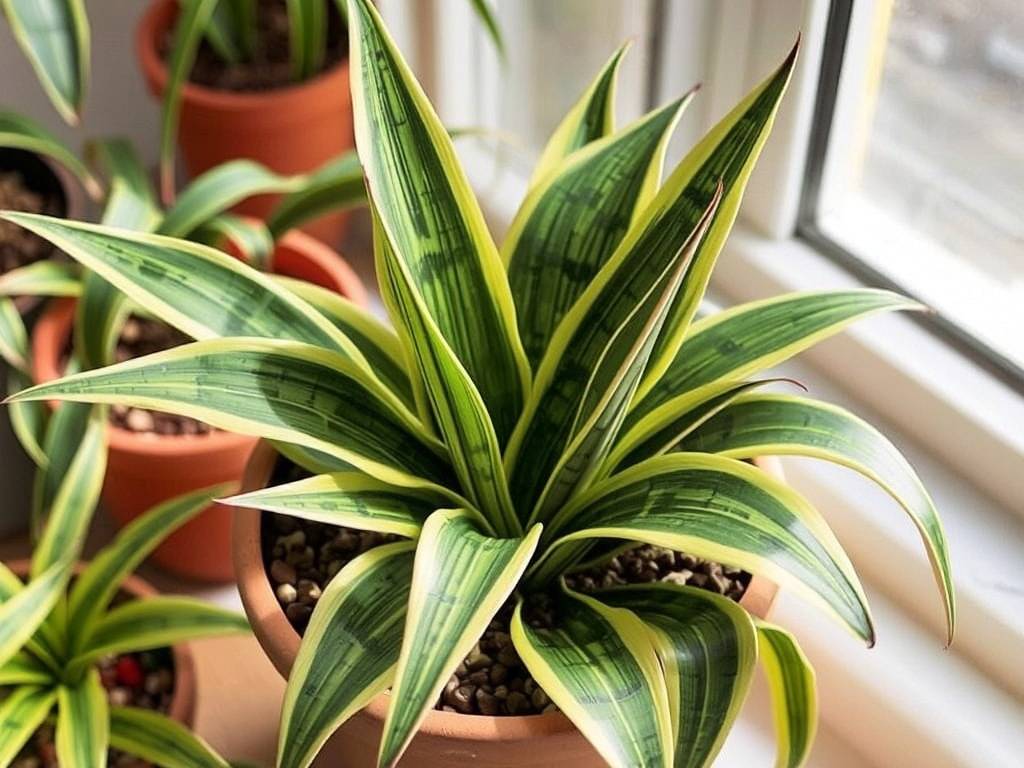
Variegated Varieties Need Extra Shade: Snake plants with yellow or silver edges (like Dracaena trifasciata ‘Laurentii’) are more sensitive to sun. Keep them in shadier spots than solid green varieties.
4. Summer Temperature & Humidity: Keep It Cool (But Not Cold)
Ideal Summer Temperatures: 75–85°F/24–29°C. If your home gets above 90°F/32°C, move the plant to a cooler room (e.g., a basement or a room with AC). Heat above 95°F/35°C can stop growth and damage leaves.
Humidity: Don’t Worry Too Much: Summer humidity (30–50%) is fine for snake plants. If humidity is above 60% (e.g., a muggy day), use ventilation (fan or open window) to keep air moving—this prevents moisture from sitting on leaves. You don’t need to mist snake plants in summer (misting can lead to fungal issues if air isn’t moving!).
5. Summer Fertilizing: Feed Lightly (Only When Growing)
Use a Diluted Fertilizer: Choose a balanced, water-soluble houseplant fertilizer (10-10-10) or a cactus/succulent fertilizer. Dilute it to half the recommended strength (too much fertilizer burns roots!).
Feed Every 4–6 Weeks: Don’t fertilize more than once a month—snake plants are light feeders. Stop fertilizing in late summer (August/September) as growth slows down.
Water First, Then Fertilize: Never fertilize a dry plant. Water the soil lightly, wait 30 minutes, then apply fertilizer. This protects roots from burn.
Spring & Fall Snake Plant Care: Transition Seasons
Spring Care (March–May): Wake Them Up Gently
Gradually Increase Water: Start checking soil every 3–4 weeks (instead of 4–6). Water when the top 2 inches are dry, and slowly increase frequency as temperatures rise. By late spring, you should be watering every 2–3 weeks (like early summer).
Start Fertilizing: In early spring (March), give your first diluted fertilizer feeding. Repeat every 4–6 weeks until late summer.
Move to Brighter Light: As days get longer, move the plant closer to a window (if you moved it away in winter). This gives it the light it needs for new growth.
Check for Pests: Spring is pest season (aphids, mealybugs). Wipe leaves with a damp cloth once a month to check for tiny bugs—if you see them, treat with neem oil (diluted per instructions).
Fall Care (September–November): Prepare for Winter
Gradually Decrease Water: By late fall, soil should dry out more slowly. Start checking soil every 3–4 weeks, then 4–6 weeks by November. Stop watering as often as you did in summer.
Stop Fertilizing: By October/November, stop feeding—snake plants don’t need fertilizer as growth slows.
Move Away from Cool Drafts: As temperatures drop, move the plant away from windows that get cold at night (e.g., a north-facing window). Keep it in a room that stays above 60°F/15°C.
Trim Dead Leaves: Fall is a good time to remove any yellow or brown leaves (use sterilized scissors). This helps the plant focus energy on healthy growth for next spring.
Seasonal Troubleshooting: Fix Common Issues
Winter Issues
Yellow Leaves: Almost always overwatering. Stop watering, let soil dry completely, and check roots (if mushy, repot in fresh soil).
Brown Leaf Tips: Dry air from heaters. Wipe leaves with a damp cloth or place a water tray nearby.
Summer Issues
Scorched Leaves: Too much direct sun. Move to a shadier spot and trim damaged leaves (they won’t recover).
Leaf Spot (Brown/Black Dots): Stagnant air + moisture. Increase ventilation (fan/window) and avoid getting water on leaves when watering.
Spring/Fall Issues
Slow Growth in Spring: Not enough light. Move to a brighter spot—growth should pick up in 2–3 weeks.
Wilting in Fall: Overwatering (soil is staying wet longer as growth slows). Cut back on water and check soil more carefully.
Final Thoughts: Keep It Simple
Winter: Dry soil, bright light, no fertilizer.
Summer: Moist (not wet) soil, bright indirect light, good ventilation.
Spring/Fall: Gradually adjust water and light to bridge the seasons.
If you like my website, please save the URL plantcarenews.com or search for plantcarenews on Google