bluename
 Spider Plant Care: 6 Key Tips to Grow Long, Graceful Stems
Tip 1: Provide Bright, Indirect Light—The Foundation for Long Stems
Bright, Indirect Light Is Ideal: Place your spider plant near a window with filtered light—think a north-facing or east-facing window, or a south/west window with a sheer curtain. This mimics their natural habitat (under the canopy of trees in South Africa) and gives them the light they need without scorching.
Avoid Direct Midday Sun: Intense sunlight (especially from 11 AM to 3 PM) can cause brown, crispy leaf tips or bleached foliage. If your spider plant is near a sunny window, move it back 1–2 feet or use a curtain to block harsh rays.
Low Light = Short, Leggy Stems: If your spider plant is in a dim room (e.g., a bathroom with no windows or a basement), it will stretch toward light, resulting in short, thin stems and sparse growth. To fix this, move it to a brighter spot or add a grow light (set to 12–14 hours a day) to supplement.
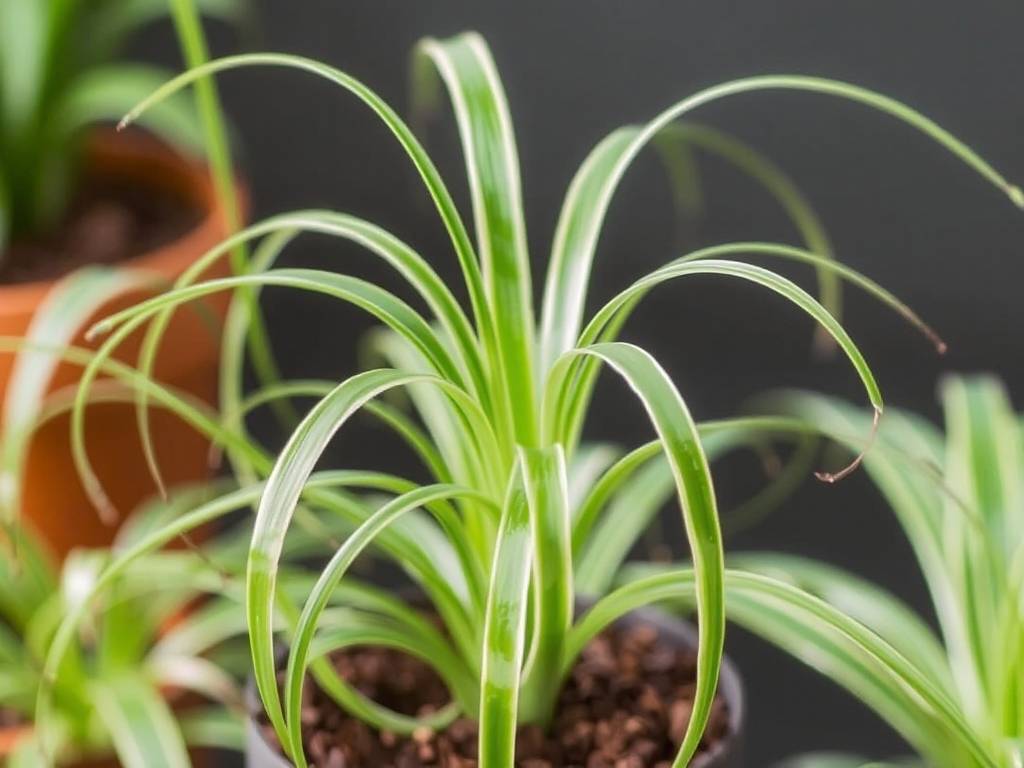
Rotate Weekly for Even Growth: Light comes from one direction, so your spider plant may lean toward the window. Rotate the pot ¼ turn every week to ensure all sides get equal light—this prevents lopsided growth and encourages stems to grow evenly long.
Tip 2: Water Smartly—Avoid Overwatering to Prevent Stem Damage
Wait for the Soil to Dry Out: Stick your finger 1–2 inches into the soil. Only water when the top layer is completely dry—this usually means watering every 7–10 days in summer, and every 10–14 days in winter (when growth slows).
Water Thoroughly, But Don’t Let It Sit in Water: Pour water slowly around the base of the plant until it drains out the bottom of the pot. Then, discard any excess water in the saucer—never let the pot sit in standing water (this causes root rot, which stops stem growth and turns leaves yellow).
Use Room-Temperature, Filtered Water: Cold tap water shocks roots, and chlorine/fluoride in tap water can cause brown leaf tips (which make your plant look unhealthy, even if stems are long). Let tap water sit out overnight to let chemicals evaporate, or use filtered water.
Signs You’re Watering Wrong:
Overwatering: Yellow leaves, mushy stems, or a foul smell from the soil. If this happens, stop watering, let the soil dry completely, and check roots—if they’re brown and mushy, repot in fresh soil.
Underwatering: Wilted, droopy leaves or dry, crispy edges. Water thoroughly, and your plant should perk up within 24 hours.
Tip 3: Choose the Right Soil and Pot—Support for Stem Growth
Well-Draining Soil Is a Must: Use a lightweight, well-draining potting mix. A good recipe: 2 parts regular houseplant soil + 1 part perlite + 1 part peat moss (or coconut coir). This mix lets water flow through easily, preventing root rot. Avoid heavy garden soil or soil with lots of compost (it retains too much moisture).
Pot Size Matters—Don’t Go Too Big: Spider plants love to be slightly root-bound. If you plant them in a pot that’s too large, the soil will stay wet longer (increasing rot risk), and the plant will focus on growing roots instead of stems. Choose a pot that’s 1–2 inches larger in diameter than the root ball. For example, if your spider plant is in a 6-inch pot, repot it into an 8-inch pot when roots start to grow out of the drainage holes.
Opt for a Hanging Pot (If You Want Trailing Stems): To show off long stems, use a hanging basket or a pot with a stand. This lets stems drape freely, rather than getting stuck against a surface. Make sure the pot has drainage holes—hanging pots can still collect water, so empty the saucer regularly.
Material Matters: Terra cotta pots are great for spider plants because they’re porous—they let soil dry out faster, which prevents overwatering. Plastic pots work too, but check the soil more often (they retain moisture longer).
Tip 4: Fertilize Moderately—Fuel for Long, Healthy Stems
Fertilize Only in Growing Season: Spider plants grow slowly in fall and winter, so stop fertilizing from October to March. In spring (April) to summer (August), fertilize every 2–3 weeks to support stem growth.
Use a Balanced, Diluted Fertilizer: Choose a water-soluble houseplant fertilizer with a balanced N-P-K ratio (e.g., 10-10-10 or 20-20-20). Dilute it to half the recommended strength—for example, if the label says 1 teaspoon per gallon of water, use ½ teaspoon. This prevents fertilizer burn, which can turn leaf tips brown and stop stem growth.
Avoid Fertilizing Dry Soil: Always water your spider plant first, then apply fertilizer. Dry roots absorb fertilizer faster, which can burn them. Watering first moistens the roots and helps the fertilizer spread evenly.
Organic Options Work Too: If you prefer organic fertilizers, use diluted fish emulsion or worm castings. These are gentle on roots and provide slow-release nutrients—great for promoting steady stem growth.
Tip 5: Prune Strategically—Encourage New Stem Growth
Trim Dead or Damaged Leaves First: Use clean, sharp scissors or pruning shears to cut off yellow, brown, or wilted leaves at the base (where they meet the soil). This removes diseased parts and lets the plant redirect energy to stem growth.
Cut Back Overgrown Stems (If Needed): If your spider plant’s stems are too short or sparse, trim the longest stems by 1–2 inches. This encourages the plant to send out new, longer stems. Don’t cut more than ⅓ of the plant at once—over-pruning stresses the plant.
Remove Spent Pups to Promote New Growth: Spider plant stems end in small “pups” (baby plants) with tiny roots. If a pup is wilted or has stopped growing, cut it off at the base of the stem. This frees up energy for the plant to grow new, healthier stems with fresh pups.
Sterilize Your Tools: Before pruning, wipe your scissors with rubbing alcohol to kill bacteria. This prevents the spread of disease, which can damage stems and leaves.
Tip 6: Maintain Ideal Temperature and Humidity—Keep Stems Happy
Temperature: Keep It Warm (But Not Too Hot): Ideal temperatures for spider plants are 60–75°F (15–24°C). They can tolerate temperatures as low as 50°F (10°C) for short periods, but prolonged cold (below 50°F) will stop stem growth and turn leaves brown. Avoid placing your spider plant near drafty windows, doors, or heating/cooling vents—sudden temperature changes stress the plant.
Humidity: Moderate Is Best: Spider plants thrive in 40–50% humidity, which is typical of most homes. If your home is too dry (e.g., from winter heaters or summer AC), you may notice brown leaf tips—but this usually doesn’t stop stem growth. To boost humidity (if needed):
Place a tray of water near the plant (don’t let the pot sit in water). As the water evaporates, it adds moisture to the air.
Mist the leaves once a week with room-temperature water. This is especially helpful in dry winter months.
Group it with other plants. Plants release moisture through transpiration, creating a more humid microclimate.
Avoid Extreme Conditions: High humidity (above 60%) can cause fungal diseases (like leaf spot), which damage leaves and stems. If you live in a humid area, use a fan to circulate air around the plant. Extreme heat (above 85°F/29°C) can wilt leaves and slow stem growth—move your plant to a cooler spot if temperatures rise.
Troubleshooting: Why Your Spider Plant Isn’t Growing Long Stems
Not Enough Light: As we mentioned earlier, low light leads to leggy, short stems. Move your plant to a brighter spot with indirect light, or add a grow light.
Overwatering/Root Rot: Damaged roots can’t absorb nutrients, so stems stop growing. Check roots—if they’re brown and mushy, repot in fresh soil and cut back on watering.
Pot Is Too Big: If your spider plant is in a large pot, it will focus on growing roots instead of stems. Repot it into a smaller pot (1–2 inches larger than the root ball).
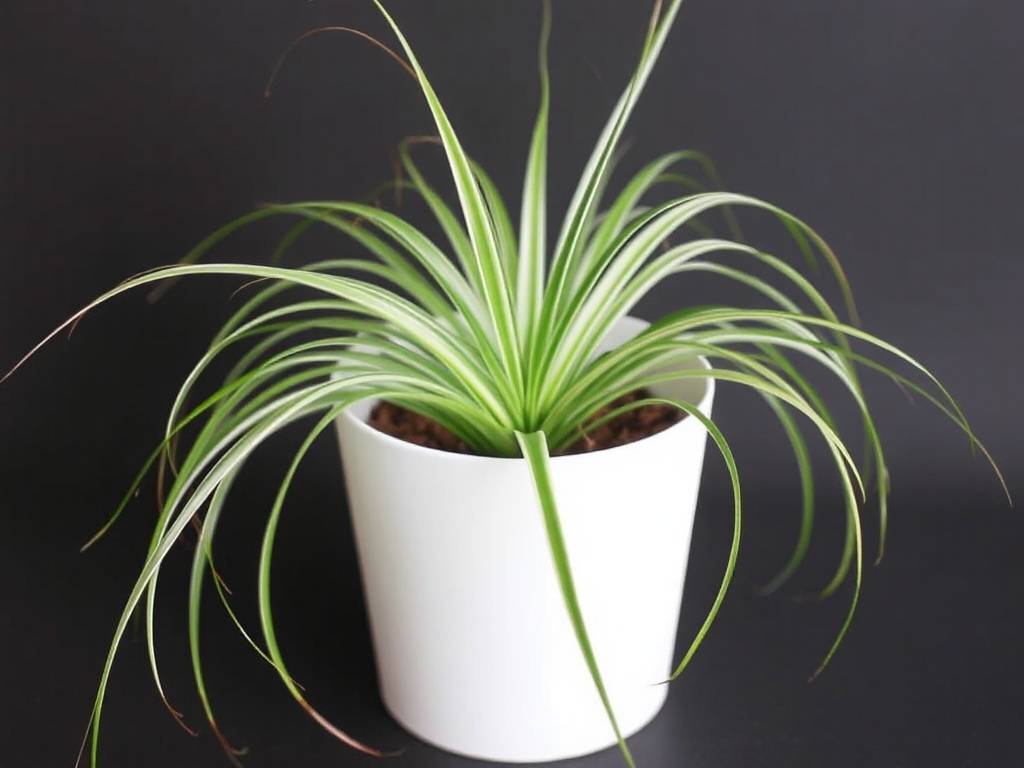
Lack of Fertilizer: If you haven’t fertilized in months, your plant may not have enough nutrients for stem growth. Start fertilizing lightly in spring and summer.
Old Plant: Mature spider plants (5+ years old) may produce fewer stems. To fix this, propagate the pups (see below) to start a new plant—younger plants grow more stems.
Bonus: How to Propagate Spider Plant Pups (for More Long-Stemmed Plants)
Wait for Pups to Develop Roots: Look for pups with 2–3 leaves and tiny white roots (they’ll grow from the base of the pup). If there are no roots yet, wait a week or two—roots will form as the pup matures.
Cut the Pup from the Stem: Use clean scissors to cut the pup’s stem 1–2 inches below the base of the pup.
Plant the Pup in Soil: Fill a small pot (4–6 inches) with well-draining soil. Make a hole in the soil, place the pup’s roots inside, and gently press soil around it. Water lightly to settle the soil.
Care for the New Plant: Place the pup in bright, indirect light. Water when the top 1 inch of soil is dry. In 2–3 months, the pup will grow into a mature plant and start producing its own long stems.