bluename
 Complete Guide to Snake Plant Care: From Propagation to Daily Maintenance
Understanding Snake Plant Basics Before You Start
How to Propagate Snake Plants: 3 Easy Methods
1. Leaf Cutting Propagation (Best for Tall, Sword-Shaped Varieties)
Tools You’ll Need: A sharp, clean pair of scissors or pruning shears (sterilize with rubbing alcohol to prevent disease), a small pot, well-draining potting mix (we’ll talk more about soil later), and optional rooting hormone (to speed up root growth).
Step 1: Choose a Healthy Leaf: Pick a mature, healthy leaf from the mother plant—avoid yellowing, damaged, or young leaves. The leaf should be at least 4–6 inches long for the best chance of rooting.
Step 2: Cut the Leaf into Sections: Using your sterilized tools, cut the leaf into 2–3 inch sections. Important: Mark the top and bottom of each section (e.g., with a small notch or pen mark) because snake plant cuttings will only root if planted right-side up. If you plant them upside down, they won’t grow.
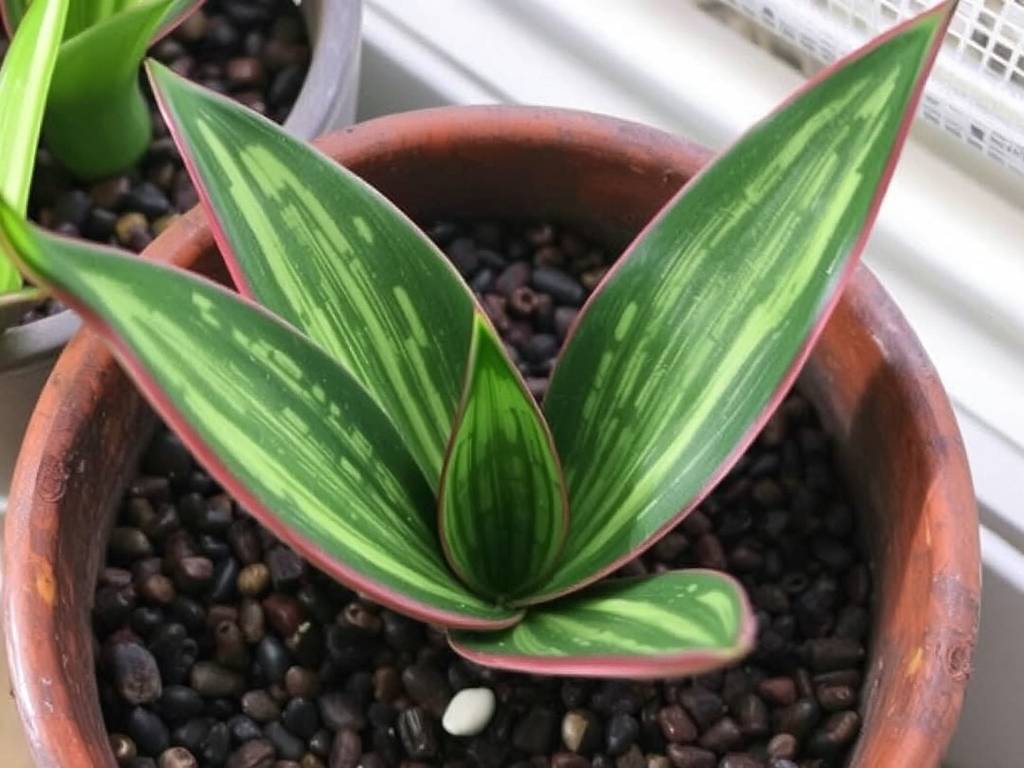
Step 3: Let the Cuttings Callus Over: Place the leaf sections in a dry, shaded area for 1–2 days. This allows the cut ends to form a callus, which prevents rot when you plant them. Skipping this step is one of the most common mistakes—rot is the biggest enemy of snake plant cuttings.
Step 4: Plant the Cuttings: Fill your small pot with well-draining soil (a mix of cactus soil and perlite works great). Make a small hole in the soil, then insert the callused end of the leaf section about 1 inch deep. Gently press the soil around the cutting to hold it upright.
Step 5: Water Sparingly and Wait for Roots: Water the soil lightly—just enough to moisten it, not soak it. Place the pot in a bright, indirect light spot (avoid direct sunlight, which can scorch the cuttings). Check the soil every 1–2 weeks; water only when the top 2 inches are completely dry. Roots should start to form in 4–6 weeks, and new baby plants (pups) will appear in 2–3 months.
2. Division Propagation (Best for Clumping Varieties)
Tools You’ll Need: A sharp knife or garden shears (sterilized), 2–3 small pots, well-draining soil, and gloves (optional—snake plant leaves are sharp!).
Step 1: Remove the Mother Plant from Its Pot: Gently tap the sides of the pot to loosen the soil, then carefully pull the plant out. If the plant is root-bound (roots are tightly coiled around the pot), you may need to gently tease the roots apart.
Step 2: Separate the Rhizomes: Look for natural divisions in the root ball—you’ll see clusters of leaves attached to thick, white rhizomes. Use your sterilized knife to cut these rhizome clusters apart, making sure each new section has at least 2–3 leaves and a healthy set of roots.
Step 3: Plant the Divisions: Fill each small pot with well-draining soil. Place a division in the center of each pot, then add soil around the roots, pressing gently to secure the plant. The top of the rhizome should be just below the soil surface—don’t bury it too deep.
Step 4: Care for the New Plants: Water the divisions lightly to settle the soil, then place them in a bright, indirect light area. Avoid overwatering (rhizomes are prone to rot if wet). New growth should appear within a few weeks, and the plants will be established in 1–2 months.
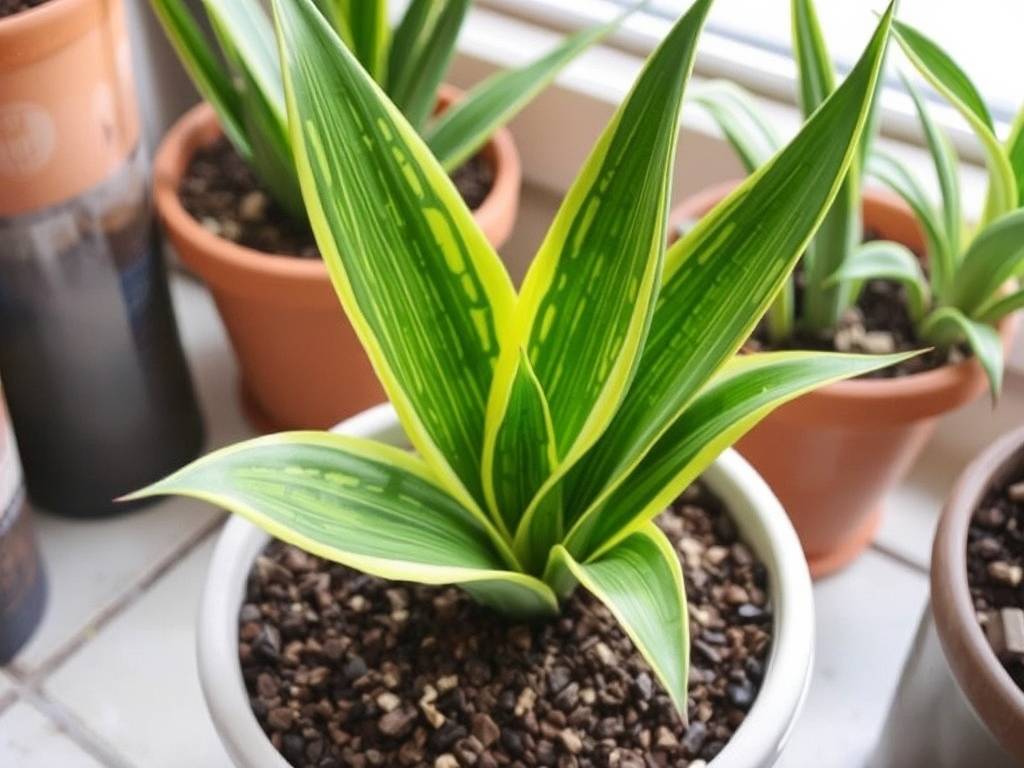
3. Rhizome Cutting Propagation (Great for Fast Results)
Tools You’ll Need: Sterilized knife, small pots, well-draining soil, and rooting hormone (optional).
Step 1: Extract the Rhizomes: Remove the mother plant from its pot and gently brush away excess soil to expose the rhizomes (thick, horizontal stems under the soil).
Step 2: Cut Rhizome Sections: Cut the rhizome into 1–2 inch sections, making sure each section has at least one “eye” (a small bump where new leaves will grow).
Step 3: Plant the Rhizomes: Lay the rhizome sections horizontally on top of well-draining soil in a small pot. Cover them with a thin layer of soil (about ½ inch) so the eyes are just visible.
Step 4: Water and Wait: Water lightly to moisten the soil, then place the pot in bright, indirect light. Keep the soil slightly moist (but not wet) until new shoots appear. This usually takes 2–3 weeks, and roots will form at the same time.
Daily Snake Plant Care: Key Factors for Healthy Growth
1. Light Requirements: What’s Best for Snake Plants?
Bright Indirect Light: This is the sweet spot for most snake plants. Placing them near a window with a sheer curtain (to filter direct sun) will encourage healthy growth and vibrant leaf color. Variegated varieties (like those with yellow or silver edges) need a bit more light to maintain their patterns—if they don’t get enough, their leaves may turn solid green.
Low Light: Snake plants can survive in low light (e.g., a corner away from windows or a room with artificial light only), but they’ll grow more slowly. If your plant is in low light, avoid overwatering (since it will use less water) and rotate it every few weeks to ensure even growth.
Direct Sunlight: Most snake plants can tolerate a few hours of morning or evening direct sun, but intense midday sun (especially in hot climates) can scorch their leaves, leaving brown spots or streaks. If you want to place your plant in direct sun, acclimate it slowly by moving it closer to the window over 1–2 weeks.
2. Watering Snake Plants: How to Avoid Overwatering (the #1 Mistake)
Frequency: Water your snake plant only when the top 2–3 inches of soil are completely dry. In most homes, this means watering every 2–6 weeks—depending on light, temperature, and humidity. In low light or cool temperatures, you’ll water less often; in bright light or warm temperatures, you’ll water a bit more.
How to Water: Pour water slowly around the base of the plant, avoiding the center (where the leaves meet the soil—this can cause rot). Water until it drains out the bottom of the pot, then discard any excess water in the saucer (never let the plant sit in standing water).
Signs of Overwatering: Yellowing leaves (soft and mushy, not dry), drooping, or a foul smell from the soil. If you notice these signs, stop watering immediately and check the roots—if they’re brown and mushy, you may need to repot the plant (see “Repotting” below).
Signs of Underwatering: Dry, crispy leaf tips or edges, and leaves that feel thin and brittle. If this happens, water the plant thoroughly, and it should recover within a few weeks.
3. Soil and Potting: Choosing the Right Mix for Drainage
Best Soil Mix: A combination of cactus/succulent soil and perlite (or pumice) works perfectly. Aim for a ratio of 2 parts cactus soil to 1 part perlite—this ensures the soil drains quickly and doesn’t hold too much moisture. You can also add a small amount of orchid bark or coarse sand to improve drainage.
Avoid These Soils: Regular potting soil (which is too dense and retains water) or garden soil (which can introduce pests and diseases). These will increase the risk of root rot.
Pot Selection: Choose a pot with drainage holes at the bottom—this is non-negotiable. Snake plants can grow in plastic, ceramic, or terracotta pots, but terracotta is a great choice because it’s porous and allows the soil to dry out faster (helping prevent overwatering). The pot should be slightly larger than the root ball—snake plants actually prefer to be a bit root-bound, so don’t choose a pot that’s too big (this can lead to excess soil that stays wet).
4. Temperature and Humidity: What Snake Plants Prefer
Temperature: Ideal temperatures range from 60–85°F (15–29°C). They can tolerate temperatures as low as 50°F (10°C) for short periods, but prolonged exposure to cold (below 40°F/4°C) will damage the leaves (they may turn brown or mushy). Keep your snake plant away from drafty windows, doors, or heating/cooling vents—sudden temperature changes can stress the plant.
Humidity: Snake plants adapt well to low humidity (e.g., dry indoor air from heaters or air conditioners) and average humidity (30–50%). They don’t need extra humidity, so you don’t have to mist them or use a humidifier. In fact, high humidity (above 60%) can increase the risk of fungal diseases, so avoid placing them in bathrooms or kitchens with lots of steam (unless the room is well-ventilated).
5. Fertilizing Snake Plants: Less Is More
When to Fertilize: Fertilize only during the growing season (spring and summer), when the plant is actively growing. Stop fertilizing in fall and winter, when growth slows down.
Type of Fertilizer: Use a balanced, water-soluble houseplant fertilizer (e.g., 10-10-10) diluted to half strength. You can also use a cactus/succulent fertilizer, which is lower in nitrogen (better for preventing leaf burn).
Frequency: Fertilize once every 4–6 weeks during the growing season. Never fertilize a dry plant—water it first, then apply fertilizer (this helps prevent root burn).
Signs of Overfertilizing: Brown leaf tips, yellowing leaves, or a white crust on the soil surface (from excess fertilizer salts). If this happens, flush the soil with water to leach out the salts, or repot the plant in fresh soil.
6. Repotting Snake Plants: When and How to Do It
When to Repot: Repot your snake plant only when it’s severely root-bound—you’ll see roots growing out of the drainage holes, or the plant will be too tight in its pot (leaves may start to bulge or the pot may crack). This usually happens every 2–3 years.
Best Time to Repot: Spring is the best time, as the plant is entering its growing season and will recover faster.
How to Repot:
Gently remove the plant from its current pot (tap the sides or use a knife to loosen the soil if needed).
Brush away excess soil from the roots and check for any rotted or damaged roots (cut them off with sterilized scissors).
Choose a new pot that’s 1–2 inches larger in diameter than the old one (no bigger—remember, snake plants like to be root-bound).
Fill the bottom of the new pot with a layer of well-draining soil, then place the plant in the center.
Add soil around the roots, pressing gently to secure the plant. The top of the root ball should be about 1 inch below the rim of the pot.
Water lightly to settle the soil, then place the plant in bright, indirect light. Avoid fertilizing for 1–2 months to let the plant adjust.
Common Snake Plant Problems and How to Fix Them
1. Yellow Leaves
Causes: Overwatering (most common), too much direct sunlight, or nutrient deficiency.
Solution: If overwatering is the issue, stop watering and let the soil dry out completely. If the soil is waterlogged, repot the plant in fresh, dry soil (and check for root rot). If the plant is in direct sun, move it to a bright, indirect light spot. If yellowing is from nutrient deficiency, fertilize lightly with a diluted fertilizer during the growing season.
2. Brown Leaf Tips or Edges
Causes: Underwatering, low humidity (rare), overfertilizing, or dry air from heaters/AC.
Solution: If underwatering, water the plant thoroughly and adjust your watering schedule (water when the top 2–3 inches of soil are dry). If overfertilizing, flush the soil with water or repot in fresh soil. If dry air is the issue, you can place a tray of water near the plant (don’t let the pot sit in water) to add a bit of humidity, but this is usually unnecessary.