bluename
 How to Care for Snake Plants: Solving Common Issues Like Soft Leaves and Root Rot
Understanding Snake Plant Growth Habits: The Foundation of Good Care
Basic Care Routine for Healthy Snake Plants
1. Watering: The #1 Cause of Snake Plant Problems (And How to Get It Right)
How often to water: Water only when the top 2–3 inches of soil are completely dry. For most homes, this means every 2–6 weeks—less often in winter (when growth slows) and more often in summer (when the plant is active).
How to water: Pour water slowly at the base of the plant until it drains out the bottom of the pot. Never let the plant sit in a saucer of standing water—empty the saucer within 30 minutes.
Signs of overwatering: Soft, yellow leaves (especially near the base), a foul smell from the soil, or mushy roots.
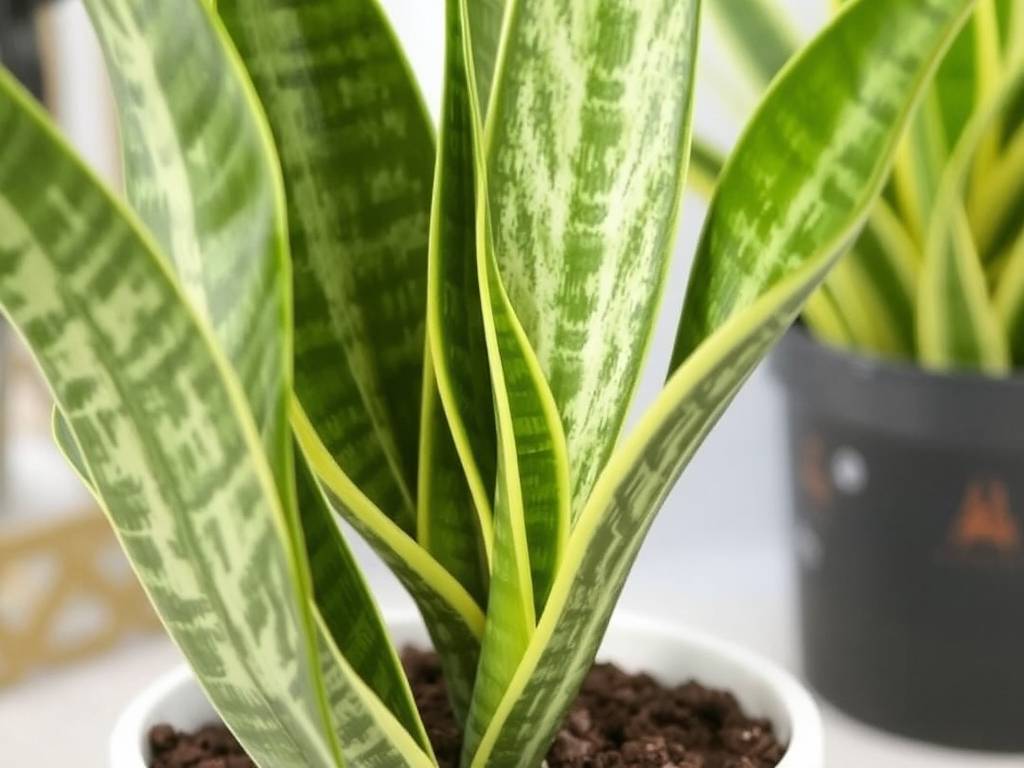
Signs of underwatering: Dry, crispy leaf tips (not soft!), and leaves that feel slightly wilted but firm. Underwatering is easy to fix—just give the plant a thorough soak and it will perk up within a day or two.
2. Soil: Choose a Well-Draining Mix to Prevent Root Rot
2 parts potting soil
1 part perlite or pumice (to add air pockets)
1 part coarse sand (to improve drainage)
3. Light: Bright Indirect Light Is Ideal (But They’re Flexible)
Best light: Place your snake plant near a window with filtered light (e.g., a north- or east-facing window, or a south-facing window with a sheer curtain). This keeps leaves firm and encourages healthy growth.
Avoid: Direct afternoon sun (it causes brown, crispy patches on leaves) and dark corners (leaves may become soft and droopy from lack of energy).
4. Potting: Size and Material Matter
Size: Choose a pot that’s only 1–2 inches larger than the plant’s root ball. A pot that’s too big will hold extra soil, which stays wet longer and increases rot risk.
Material: Terra cotta or clay pots are best—they’re porous, so they allow the soil to dry out faster than plastic or ceramic pots. Make sure the pot has drainage holes (this is non-negotiable!).
Repotting: Snake plants don’t need frequent repotting—only when they’re root-bound (roots growing out of the drainage holes or pushing the plant up from the soil). Repot in spring or summer (growing season) using fresh well-draining soil.
5. Temperature and Humidity: Keep It Warm and Dry
Troubleshooting Common Snake Plant Problems
Problem 1: Soft, Droopy Leaves
How to diagnose: Gently touch the leaves. If they’re soft and mushy (especially near the base), it’s likely overwatering or root rot. If they’re soft but not mushy, check for cold drafts (e.g., near a door or window in winter) or too little light.
Fix for overwatering: Stop watering immediately. Remove the plant from its pot and check the roots (see “Root Rot” section below). If roots are healthy (white/tan and firm), repot in fresh well-draining soil and reduce watering frequency.
Fix for cold/poor light: Move the plant to a warmer spot (away from drafts) with brighter indirect light. Trim any severely damaged leaves (use clean, sharp scissors) to help the plant focus energy on new growth.
Problem 2: Root Rot (The Most Serious Issue—But Fixable!)
Signs of root rot:
Soft, yellow, or brown leaves that fall off easily
A sour or musty smell from the soil
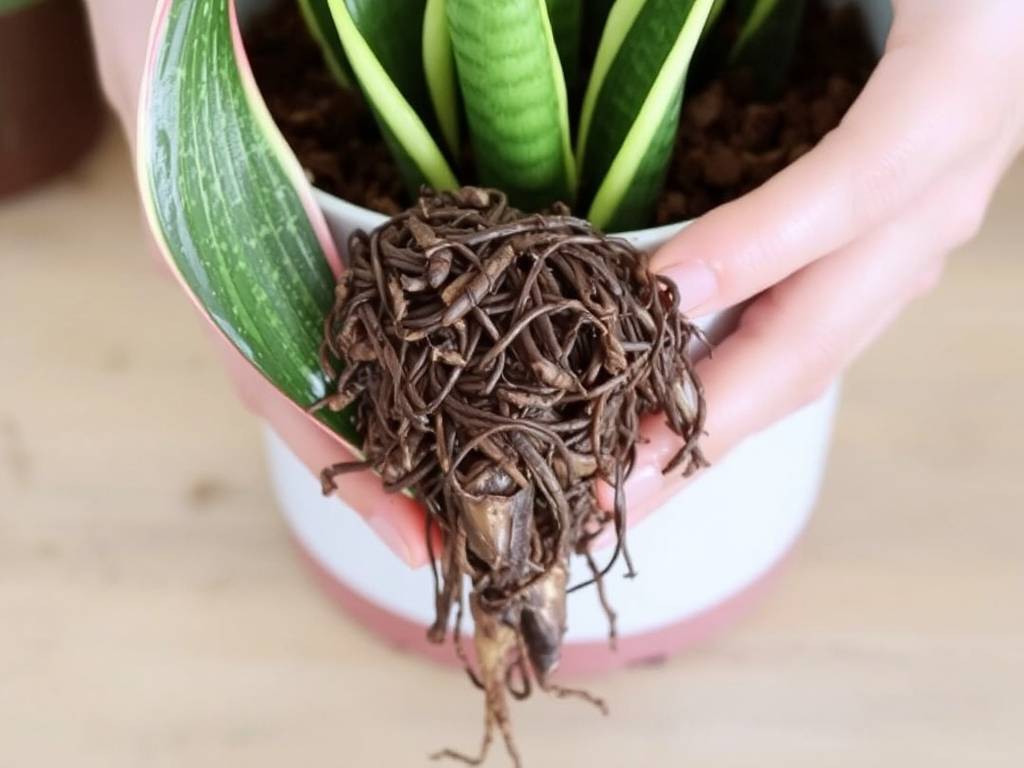
Roots that are black, mushy, or slimy (healthy roots are white/tan and firm)
How to fix root rot:
Remove the plant from the pot: Gently tap the pot to loosen the soil, then pull the plant out. Shake off excess soil to see the roots clearly.
Trim rotted roots: Use clean, sterilized scissors or pruning shears (wipe them with rubbing alcohol first) to cut off all black, mushy roots. Cut back to healthy tissue—if the roots are mostly rotted, you may need to trim most of them (don’t worry, snake plants can regrow roots!).
Treat the roots (optional but helpful): Soak the remaining roots in a solution of 1 part hydrogen peroxide (3%) and 4 parts water for 10 minutes. This kills bacteria and prevents further rot.
Repot in fresh soil: Use a clean pot (wash it with soap and water, then sanitize with hydrogen peroxide) and fresh well-draining soil (as described earlier). Don’t water the plant for 1–2 weeks after repotting—this gives the roots time to heal.
Monitor for new growth: Keep the plant in bright indirect light and water only when the soil is completely dry. Within 2–4 weeks, you should see new growth (small leaves or roots) if the plant is recovering.
Problem 3: Yellow Leaves (Other Than Root Rot)
Too much direct sunlight: Sunburn causes yellow or brown patches on leaves. Move the plant to a shadier spot and trim damaged leaves.
Nutrient deficiency: Snake plants don’t need much fertilizer, but if they haven’t been fed in years, yellow leaves (with green veins) may indicate a lack of nitrogen. Feed with a diluted, balanced houseplant fertilizer (1/4 strength) once in spring and once in summer.
Old leaves: Lower leaves naturally turn yellow and die as the plant grows. This is normal—just trim them off to keep the plant looking tidy.
Problem 4: Brown Leaf Tips
Fix for underwatering: Give the plant a deep soak and adjust your watering schedule to water when the top 2–3 inches of soil are dry.
Fix for low humidity: If your home is extremely dry (e.g., from central heating in winter), you can place a tray of water near the plant (don’t let the pot touch the water) to add a little moisture to the air. Misting isn’t necessary—snake plant leaves don’t absorb water well, and misting can lead to fungal spots.
How to Promote Healthy Growth (Beyond the Basics)
Fertilizing: Feed sparingly—too much fertilizer can burn roots and cause leaf damage. Use a balanced, water-soluble fertilizer (e.g., 10-10-10) diluted to 1/4 strength once in spring and once in summer. Skip fertilizing in fall and winter.
Pruning: Trim dead or damaged leaves at the base (cut as close to the soil as possible) to keep the plant looking neat and encourage new growth.
Propagation: If your snake plant is healthy, you can propagate it to grow new plants. The easiest methods are:
Leaf cuttings: Cut a healthy leaf into 3–4 inch sections, let the cut ends dry for 1–2 days (to prevent rot), then plant them in well-draining soil. Water sparingly until roots form (2–4 weeks).
Division: When repotting, gently separate the plant’s root ball into smaller clumps (each with at least 2–3 leaves and some roots), then repot each clump in its own pot.
Final Tips for Long-Term Snake Plant Success
Err on the side of underwatering: It’s easier to fix a thirsty plant than a waterlogged one.
Use well-draining soil and a pot with drainage holes: This is the single best way to prevent root rot.
Give it bright indirect light: This keeps leaves firm and vibrant.
Check the roots if leaves turn soft: Early intervention can save a plant with root rot.
If you like my website, please save the URL plantcarenews.com or search for plantcarenews on Google