bluename
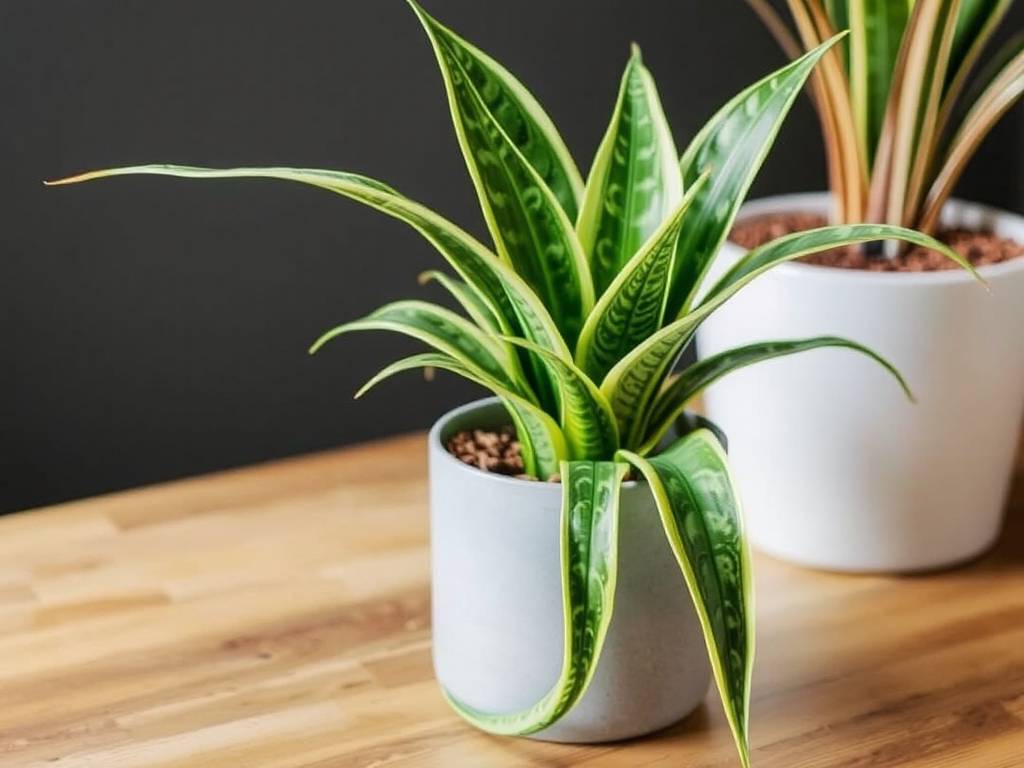
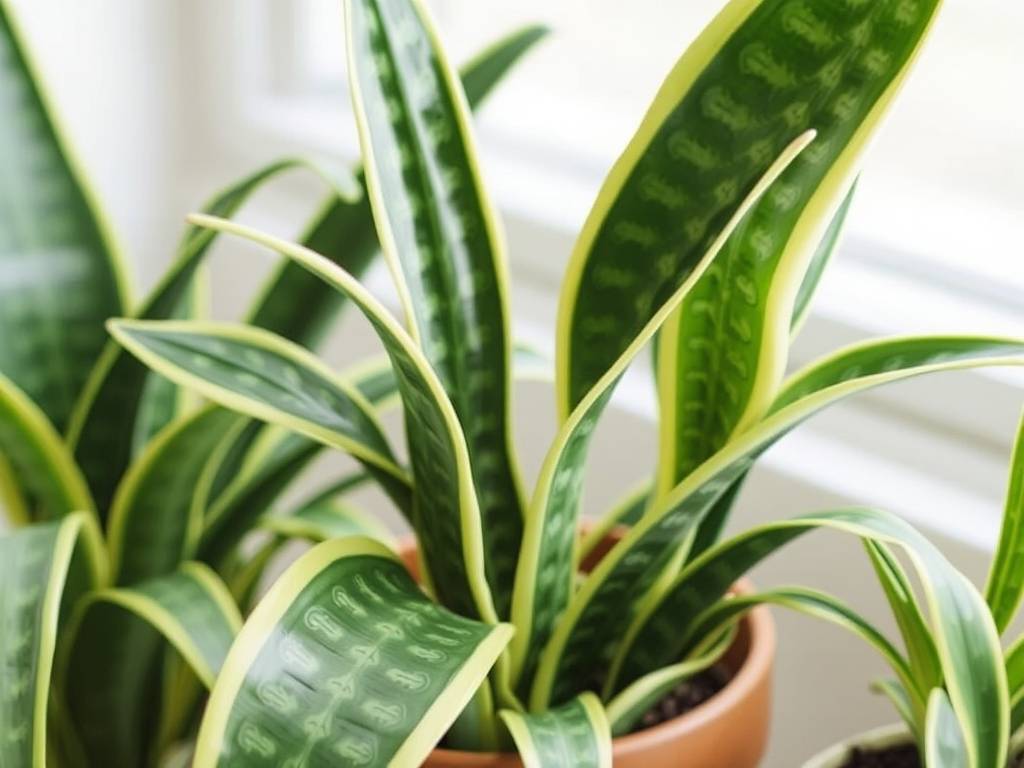
 Indoor Snake Plant Care: Watering Frequency, Soil & Pot Selection Tips If you’re an indoor plant lover looking for a low-fuss green companion that thrives even in busy schedules, the snake plant (or *Dracaena trifasciata*, formerly *Sansevieria*) is a perfect choice. Its tall, sleek leaves add a modern touch to living rooms, bedrooms, or home offices—but to keep those leaves standing straight, vibrant, and free from issues like root rot, you need to nail three core care steps: **watering at the right frequency**, choosing the best soil, and picking a pot that supports healthy growth. Indoor environments are very different from the snake plant’s native arid West African habitats—think dry air, variable light, and no natural rainfall—so adjusting care to fit these conditions is key. Whether you’re a new plant parent confused about how often to water, or you’re struggling with a droopy snake plant that just won’t perk up, this guide will break down everything you need to know about indoor snake plant care, focusing on the three most critical areas: watering, soil, and pots. By the end, you’ll have all the tools to keep your indoor snake plant happy for years. ## 1. Indoor Snake Plant Watering: How Often Is “Just Right”? The number one mistake indoor plant parents make with snake plants is **overwatering**. Because snake plants store water in their thick, fleshy leaves (they’re succulent-like, after all), they hate sitting in damp soil—especially indoors, where air circulation is often lower than outside, and soil dries out slower. Underwatering, on the other hand, is rarely fatal; a thirsty snake plant might look a little dull or wrinkled, but it’ll bounce back quickly with a drink. ### How to Determine Your Indoor Watering Schedule There’s no one-size-fits-all answer for watering frequency—indoor conditions like light, temperature, and humidity all play a role. But here’s a step-by-step guide to find your plant’s sweet spot: - **Check the soil first (always!)**: The best way to tell if your snake plant needs water is to test the soil. Stick your finger 2–3 inches deep into the soil (about the length of your index finger). If it feels completely dry—no moisture at all—it’s time to water. If it’s still slightly damp, wait 3–5 days and check again. - **Adjust for seasons**: In spring and summer (growing season), indoor snake plants use a bit more water because they’re actively growing. You’ll likely water every 2–4 weeks. In fall and winter, when growth slows to a halt (dormancy), cut back—watering every 4–6 weeks is usually enough. - **Account for indoor light**: If your snake plant sits near a bright, sunny window (but not in direct sun), the soil will dry faster, so you might need to water a little more often. If it’s in a dim corner (like a hallway or office with small windows), the soil stays damp longer—water less frequently to avoid rot. - **Consider pot material**: Terra cotta pots dry out soil faster than plastic or ceramic pots (more on that later), so snake plants in terra cotta will need watering a bit sooner than those in plastic. ### Indoor Watering Best Practices - **Water thoroughly, but don’t drown**: When you water, pour slowly at the base of the plant (avoid wetting the leaves—this can cause fungal spots indoors) until water drains out of the pot’s bottom. This ensures the roots get enough moisture without leaving standing water in the pot. - **Empty saucers immediately**: If your pot sits on a saucer to catch excess water, dump the water right after watering. Letting the pot sit in saucer water is a sure way to cause root rot indoors. - **Use room-temperature water**: Cold tap water can shock indoor snake plant roots. Let water sit out overnight to warm up and let chlorine evaporate before using. **Common Indoor Watering Mistake**: Watering on a fixed schedule (e.g., “every Sunday”) instead of checking the soil. Indoor conditions change—for example, a heater in winter dries out air faster, while a humid summer might slow soil drying. Always let the soil be your guide. ## 2. The Best Soil for Indoor Snake Plants: Drainage Is Non-Negotiable Indoor snake plants need soil that drains quickly and doesn’t hold onto moisture—this mimics the well-drained, sandy soil they grow in naturally. The wrong soil (like heavy garden soil or regular potting mix without amendments) will stay damp for weeks indoors, leading to root rot, yellow leaves, and a sad-looking plant. ### What Makes Great Snake Plant Soil? Good snake plant soil has two key traits: **excellent drainage** and **light texture**. It should let water flow through easily, but still hold just enough moisture to keep roots hydrated (without drowning them). ### Top Soil Options for Indoor Snake Plants You have two easy choices: buy a pre-made mix or make your own. Both work well—just avoid anything too heavy. - **Store-bought soil**: Look for “cactus and succulent potting mix” at garden centers or online. These mixes are pre-formulated with ingredients like perlite, pumice, or sand to boost drainage—perfect for indoor snake plants. Avoid regular potting mix (it’s too dense) or garden soil (it compacts indoors and retains too much water). - **DIY soil mix (customizable and affordable)**: If you want to make your own, combine these ingredients in equal parts (or adjust based on what you have): - 2 parts regular potting soil (use a high-quality, well-aerated mix, not cheap “budget” soil that compacts easily). - 1 part perlite or pumice (these are lightweight, porous materials that create air pockets in the soil, improving drainage). - 1 part coarse sand (not fine play sand—coarse sand helps water drain faster and prevents soil from clumping). *Pro Tip for Indoors*: If your home is very humid (e.g., a bathroom with poor ventilation), add an extra handful of perlite to the mix to speed up drying. If it’s very dry (e.g., near a heater), you can skip a little sand to help the soil hold slightly more moisture. ### How to Tell If Your Soil Is Wrong If your indoor snake plant has yellow leaves, droopy stems, or a musty smell coming from the soil, it’s a sign the soil isn’t draining well. To fix this: gently remove the plant from its pot, shake off excess old soil, and repot it in fresh, well-draining soil (either store-bought cactus mix or your DIY blend). ## 3. Choosing the Right Pot for Indoor Snake Plants: Size, Material, and Drainage The pot you choose for your indoor snake plant is just as important as soil and water—it affects how quickly soil dries, how much room roots have to grow, and whether water can escape (critical for preventing rot). Here’s what to look for: ### 1. Drainage Holes: The Most Important Feature **Never buy a pot without drainage holes** for an indoor snake plant. Without holes, water has nowhere to go—even the best-draining soil will stay soggy, leading to root rot. If you fall in love with a decorative pot that has no holes (we’ve all been there!), use the “double pot” method: - Keep your snake plant in its original plastic nursery pot (which has drainage holes). - Place the nursery pot inside the decorative pot. - After watering, lift the nursery pot out and pour out any water that collected in the bottom of the decorative pot. This way, you get the look you want without risking your plant’s health. ### 2. Pot Size: Don’t Go Too Big Indoor snake plants thrive when they’re slightly “root-bound”—meaning their roots fill the pot, with little extra space. A pot that’s too large will hold excess soil, which stays damp longer indoors (since there aren’t enough roots to absorb the water). This increases the risk of rot and can slow down growth. - **How to choose the right size**: Pick a pot that’s 1–2 inches wider than the plant’s root ball. For example, if your snake plant’s roots are in a 6-inch nursery pot, move it to an 8-inch pot (max). If you’re repotting a very small snake plant (e.g., a 4-inch pot), a 5-inch pot is perfect. - **When to repot**: Indoor snake plants don’t need repotting often—usually every 2–3 years, or when you see roots growing out of the drainage holes (a sign they’re too cramped). If you repot too frequently, you’ll end up with a pot that’s too big, causing more problems than it solves. ### 3. Pot Material: Which Works Best Indoors? Different pot materials affect how quickly soil dries—choose one based on your indoor conditions and how often you want to water: - **Terra cotta (clay) pots**: The best choice for most indoor snake plant parents. Terra cotta is porous, meaning it absorbs moisture from the soil and releases it into the air. This helps soil dry out faster, which is great for preventing overwatering (especially if you tend to water a little too much). Just note: terra cotta pots dry out soil quicker in dry indoor air, so you might need to water slightly more often than with plastic. - **Plastic pots**: A good budget-friendly option. Plastic is non-porous, so soil stays damp longer—ideal if you forget to water sometimes, or if your home is very dry (e.g., near a heater or air conditioner). Just be extra careful not to overwater, and check the soil more often to avoid sogginess. - **Ceramic or stone pots**: These are heavy and non-porous (like plastic), but they add a sleek, modern look to indoor spaces. They work well for snake plants, but again—monitor soil moisture closely, as they hold water longer. Avoid very large ceramic pots (they’re hard to move and can hold too much excess soil). ### Pot Style Tips for Indoors Since your snake plant will be part of your home decor, pick a pot that matches your style—but always prioritize function (drainage, size) over looks. For example: - A small terra cotta pot with a neutral finish works great on a windowsill. - A larger plastic pot with a matte black finish fits seamlessly in a living room corner. - A decorative ceramic pot (with the double pot method) adds elegance to a bedroom nightstand. ## Bonus: Troubleshooting Common Indoor Snake Plant Issues Even with the right water, soil, and pot, indoor snake plants can run into small problems. Here’s how to fix them using what you’ve learned: - **Droopy, soft leaves**: This is almost always overwatering. Check if your pot has drainage holes (if not, switch to the double pot method), and make sure you’re only watering when soil is 2–3 inches dry. If leaves are very droopy, repot the plant in fresh, well-draining soil to remove soggy old soil. - **Yellow leaves**: Overwatering (most common) or soil that’s not draining. Repot in cactus mix or DIY well-draining soil, and cut back on watering. If only the bottom leaves are yellow, it might be natural (old leaves die off)—trim them with clean scissors. - **Slow growth**: If your indoor snake plant isn’t growing, it might be in a pot that’s too small (roots are cramped) or soil that’s too compact. Repot into a slightly larger pot with fresh, light soil—this will give roots room to grow, and the new soil will provide nutrients. - **Dusty leaves**: Indoor air collects dust, which blocks light from reaching the leaves. Wipe leaves with a damp cloth every 1–2 months—this keeps them shiny and helps the plant photosynthesize better. ## Final Thoughts: Keep Indoor Snake Plant Care Simple The beauty of indoor snake plants is that they don’t need complicated care—just the right balance of water, soil, and pot. Remember: - Water only when soil is 2–3 inches dry (check with your finger!). - Use well-draining soil (cactus mix or DIY with perlite/sand). - Choose a pot with drainage holes, 1–2 inches wider than the root ball. By following these tips, your indoor snake plant will reward you with tall, straight leaves that add life to any room. And since it’s so low-maintenance, it’s perfect for busy schedules—you can forget to water it for a few weeks, and it’ll still look great. If you like my website, please save the URL plantcarenews.com or search for plantcarenews on Google