bluename
 How to Care for Snake Plants: 5 Key Tips for Straight, Pest-Free Leaves
1. Master the Art of Watering: Avoid Overwatering (the #1 Killer of Snake Plants)
How to Water Correctly:
Check the soil first: Stick your finger 2–3 inches into the soil. If it feels completely dry, it’s time to water. If it’s still damp, wait 3–5 days and check again.
Water thoroughly, but infrequently: When you water, pour until water drains out of the bottom of the pot. This ensures the roots get enough moisture without sitting in standing water. For most homes, this means watering every 2–6 weeks—less often in winter (when growth slows) and more often in summer (when the plant uses more water).
Avoid wetting the leaves: Water directly at the base of the plant, not on the leaves. Wet leaves can lead to fungal spots, which ruin the plant’s clean, healthy appearance.
2. Give It the Right Light: Bright, Indirect Light for Vibrant, Upright Growth
How to Choose the Best Spot:
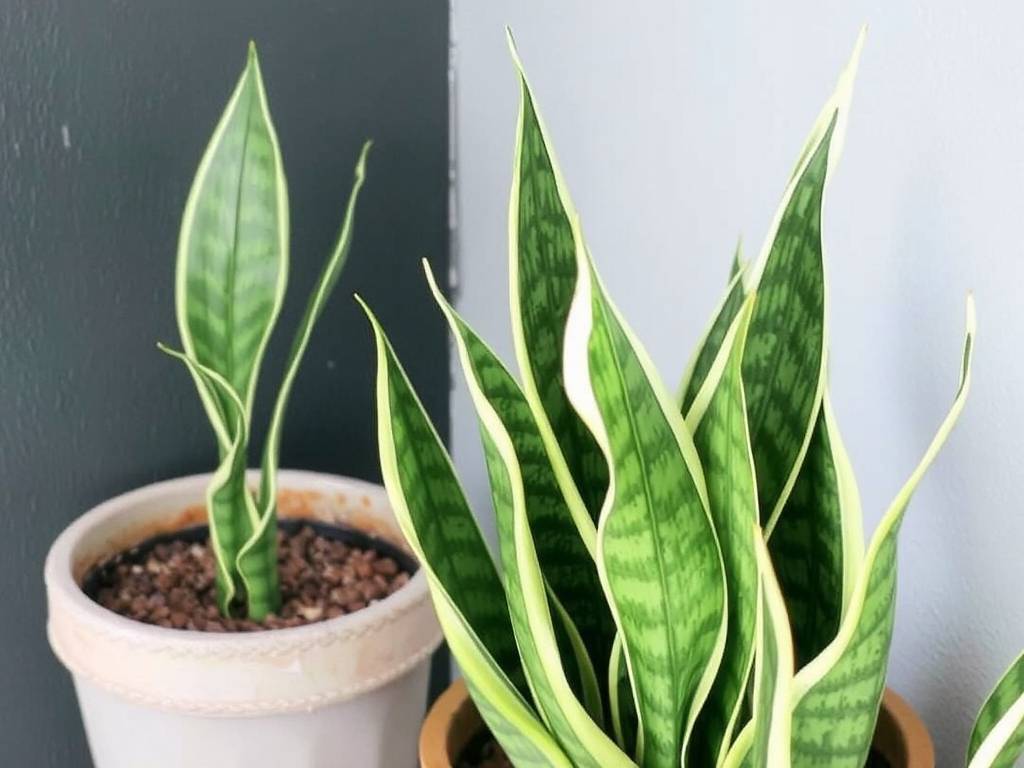
Ideal locations: Near a north- or east-facing window (these let in soft, indirect light all day). If you have a south- or west-facing window, place the plant 2–3 feet away from the glass to avoid direct sun, or use a sheer curtain to filter the light.
Low-light tolerance: Snake plants can survive in dim corners (like hallways or offices with small windows), but they won’t grow as quickly, and leaves may become thinner or lean. If you keep your plant in low light, water even less often (every 4–6 weeks) to prevent root rot.
Rotate occasionally: Every 2–3 months, turn the pot ¼ turn. This ensures all sides of the plant get light, so leaves grow evenly and stay straight (no lopsided leaning!).
3. Choose the Right Soil and Pot: Drainage Is Key for Healthy Roots
Soil Mix for Snake Plants:
DIY mix: Combine 2 parts potting soil, 1 part perlite (or pumice), and 1 part coarse sand. This mix lets water drain quickly while still holding enough moisture for the roots.
Store-bought option: Look for “cactus or succulent potting mix”—these are pre-formulated to be fast-draining, which is perfect for snake plants. Avoid regular garden soil, which is too heavy and retains water.
Pot Selection Tips:
Drainage holes are a must: Never use a pot without holes in the bottom. If you love a decorative pot without holes, use a “double pot” method: put the snake plant in a plastic nursery pot (with holes) inside the decorative pot, and empty any water that collects in the bottom of the decorative pot after watering.
Size matters (but don’t go too big): Choose a pot that’s 1–2 inches wider than the plant’s root ball. A pot that’s too large holds extra soil, which stays wet longer and increases the risk of root rot. Snake plants actually thrive when slightly root-bound—this encourages them to grow upward, not outward, leading to straighter leaves.
Material: Terra cotta pots are great because they’re porous—they let the soil dry out faster, which prevents overwatering. Plastic pots work too, but you’ll need to water less often.
4. Fertilize Sparingly: Too Much Food Harms More Than It Helps
How to Fertilize Correctly:
Timing: Fertilize only during the growing season (spring and summer). In fall and winter, the plant goes dormant, so stop fertilizing entirely.
Type of fertilizer: Use a balanced, water-soluble fertilizer (like 10-10-10) diluted to half strength. You can also use a cactus/succulent fertilizer—follow the package instructions, but always dilute it more than recommended (snake plants are sensitive!).
Frequency: Fertilize once every 4–6 weeks during spring and summer. That’s it! Even once a month is too much for most snake plants.
5. Prevent and Treat Pests & Diseases: Keep Leaves Spotless and Healthy
How to Prevent Pests & Diseases:
Inspect regularly: Every time you water, check the undersides of leaves and the base of the plant for pests. Mealybugs look like small, white cottony spots; spider mites leave tiny webs; scale looks like brown or black bumps.
Keep leaves clean: Wipe the leaves with a damp cloth every 1–2 months. This removes dust (which blocks light) and prevents pests from settling in.
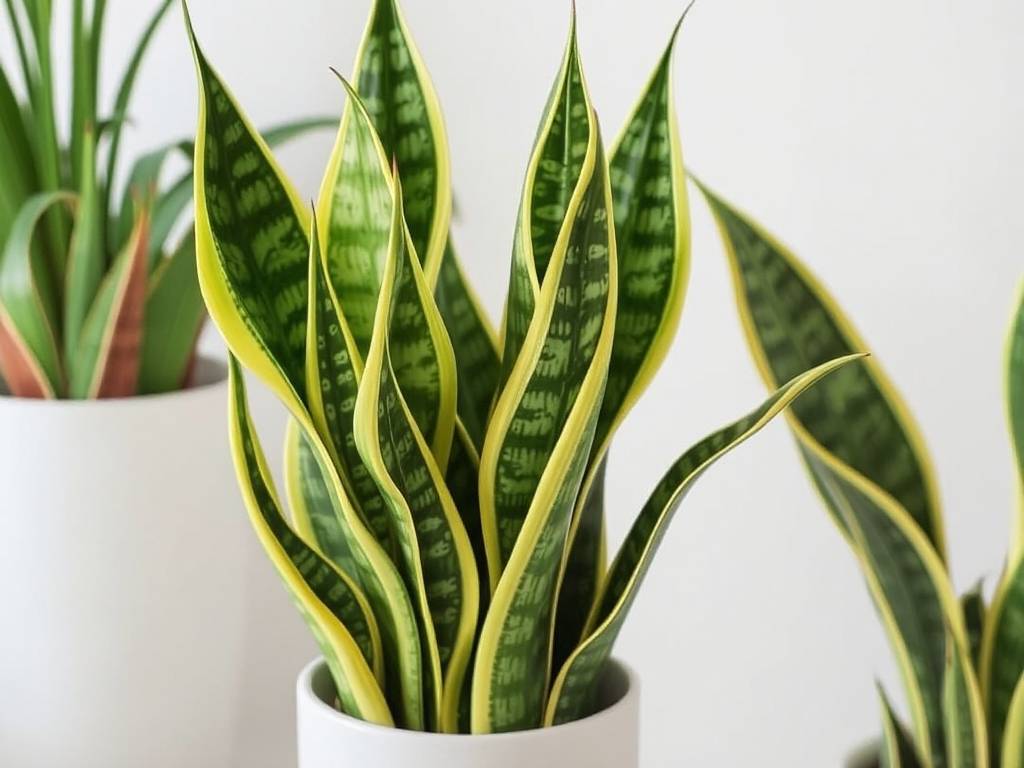
Improve air circulation: Don’t crowd your snake plant with other plants. Good air flow helps prevent fungal diseases, which thrive in damp, stagnant air.
How to Treat Common Issues:
Mealybugs or scale: Dip a cotton swab in rubbing alcohol and wipe off the pests. For severe infestations, spray the plant with insecticidal soap (diluted according to package instructions) every 7 days until pests are gone.
Spider mites: Rinse the plant with a strong stream of water (in the sink or shower) to knock off mites. Then spray with neem oil (diluted) to kill any remaining pests.
Fungal leaf spot: Cut off the damaged leaves with clean, sharp scissors. Reduce watering, improve air circulation, and avoid getting water on the leaves. If spots spread, use a fungicide labeled for houseplants.
Root rot: Remove the plant from the pot, trim off all brown, mushy roots (use sterilized scissors), and repot in fresh, dry soil. Water only when the soil is completely dry for the next month.
Bonus: How to Fix Common Snake Plant Problems (for Straight, Healthy Leaves)
Droopy, soft leaves: This is almost always overwatering. Stop watering, check roots for rot, and repot if needed.
Leaning leaves: Usually from too little light (leaves stretch toward light) or uneven light. Move to a brighter spot and rotate the pot regularly.
Yellow leaves: Overwatering (most common), too much direct sun, or old leaves (bottom leaves turn yellow naturally—trim them off).
Brown leaf tips: Over-fertilizing, underwatering, or low humidity (dry air can cause tips to crisp). Adjust fertilizing, water more often, or mist the leaves occasionally (but don’t overdo it—snake plants don’t need high humidity).