bluename
 How to Care for Tradescantia Zebrina - Prune to Promote Branches & Full Shape
Is your Tradescantia Zebrina looking a bit sparse and leggy? You're not alone. Many plant lovers adore this stunning plant for its vibrant, striped foliage but struggle to maintain its lush, bushy appearance. Instead of a full, cascading beauty, you might find yourself with long, bare stems and sparse leaves. The secret to transforming your wandering jew into a dense, thriving spectacle isn't just about light and water—it's mastering the art of strategic pruning. Learning how to care for Tradescantia Zebrina effectively means understanding that regular pruning is not just corrective but essential for encouraging vigorous branching and that coveted full shape. Let's dive into the techniques that will turn your plant from straggly to spectacular.
Why Pruning is Essential for a Lush Tradescantia Zebrina
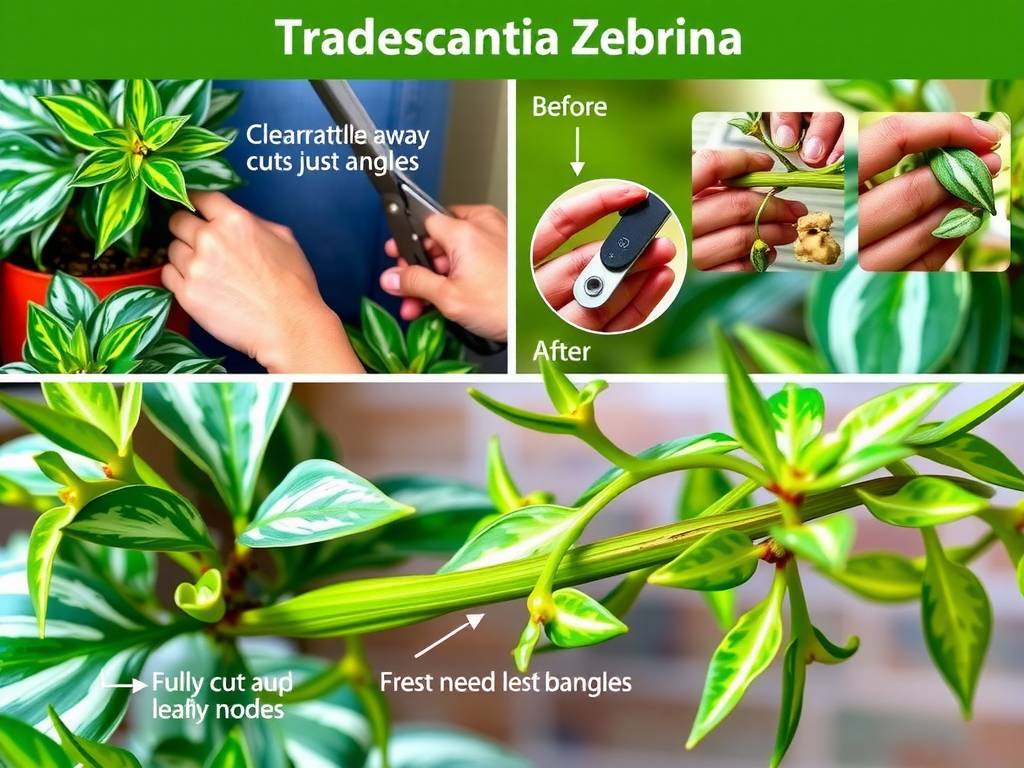
Pruning is often misunderstood as merely cutting away dead parts. For the Tradescantia Zebrina, it's a vital growth strategy. This plant naturally wants to trail and can become leggy as it stretches towards light, concentrating growth at the tips. Pruning directly counters this habit. When you snip a stem, you remove the apical meristem—the primary growth point. This action signals the plant to activate dormant buds lower down on the stem, leading to the emergence of two or more new branches. This process, known as apical dominance removal, is the fundamental principle behind creating a fuller plant. According to horticultural best practices highlighted by the American Horticultural Society (AHS), consistent pinching and pruning of fast-growing vines like Tradescantia are key to maintaining compactness and foliage density, directly enhancing the plant's ornamental value.
The Right Tools for the Job
Before you start, gather the proper tools. Clean, sharp tools prevent damage and disease. Use sharp, fine-tipped pruning shears or sterilized household scissors. Wipe blades with rubbing alcohol before and after use to prevent transferring any pathogens between plants. Having a small container nearby for cuttings is also helpful, as you'll likely want to propagate them.
Your Step-by-Step Guide to Pruning for Fullness
This section breaks down the process into actionable steps. Follow this guide during the active growing season (spring and summer) for the best results.
Assess Your Plant's Structure
First, take a good look at your Tradescantia Zebrina. Identify the longest, leafless, or most sparse stems. These are your primary targets. Also, look for any stems that are damaged, discolored, or diseased—these should be removed regardless of length. Your goal is to visualize a more rounded, balanced shape.
Making the Perfect Cut
The location of your cut is crucial. Look for a node, which is the slight bump on the stem where leaves emerge. Even on a bare stem, nodes are still present. Using your sharp tools, make a clean cut about 1/4 inch above a node. Cutting too close can damage the node, while leaving too long a "stub" above it can die back and look unsightly. This precise cut promotes branches to emerge just below the incision point.
Implement the "Pinch and Grow" Method
For newer growth or shorter stems that are just starting to get long, you can use the "pinch" method. Simply use your fingernails or shears to pinch off the very top set of leaves (the newest growth). This immediately removes the apical bud and encourages the stem to branch out from the node directly below your pinch. This is a fantastic way to promote a full shape from an early stage and maintain density.
Timing and Frequency: When to Prune
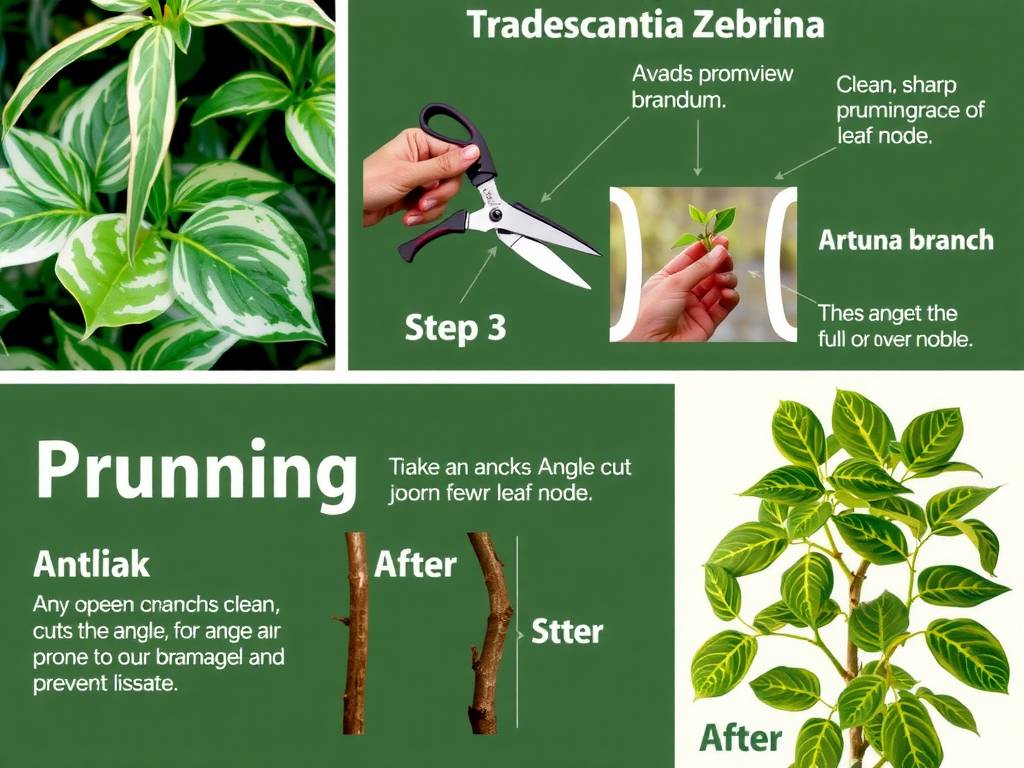
Regularity is more important than drastic, one-time cuts. During spring and summer, give your plant a light trim every 3-4 weeks. This constant encouragement keeps growth dense and prevents it from ever getting overly leggy. If your plant has been neglected and is very long, don't be afraid to cut stems back by half or more. The Tradescantia Zebrina is remarkably resilient and will bounce back with vigorous new growth.
Propagate Your Cuttings for an Even Fuller Pot
Don't throw those beautiful cuttings away! Pruning presents the perfect opportunity to create new plants and add instant volume to your existing pot. To promote branching and full shape in the mother pot, take your healthy, trimmed stems (each with a few nodes) and simply remove the leaves from the bottom node or two. Then, insert these cuttings directly into the soil of the original pot. Water them in, and they will root quickly, filling out the base and creating a denser, more luxurious plant from multiple points. This is the ultimate pro-tip for achieving a bushy specimen.
Optimal Care to Support Post-Pruning Growth
Pruning stimulates growth, but that new growth needs the right support. Ensure your plant is in ideal conditions to capitalize on your work.
Light: The Energy Source
Bright, indirect light is non-negotiable for maintaining compact growth and vibrant leaf color. A spot near an east or west-facing window is ideal. Insufficient light will cause the new growth to become leggy again, undoing your pruning efforts. Too much direct sun, however, can scorch the leaves.
Watering and Feeding
Water your Tradescantia Zebrina when the top inch of soil feels dry. Consistent moisture supports rapid new growth but avoid soggy soil to prevent root rot. After pruning, a light feeding can be beneficial. Use a balanced, water-soluble fertilizer diluted to half-strength once a month during the growing season. The Royal Horticultural Society (RHS) advises that regular but modest feeding supports the sustained leafy growth of foliage plants like Tradescantia without risking fertilizer burn.
Common Pruning Mistakes to Avoid
- Blunt Tools: Crushing stems invites disease.
- Pruning in Dormancy: Avoid heavy pruning in late fall and winter when growth is slow.
- Fear of Cutting: This plant thrives on being cut back. Be confident.
- Ignoring Propagation: Not using cuttings is a missed opportunity for fullness.
Troubleshooting a Leggy Tradescantia Zebrina
What if your plant is already extremely long and bare? The solution is a "hard reset." Don't hesitate to cut the long stems back to just a few inches above the soil, leaving at least one or two nodes on each remaining stump. It may look drastic, but with good light and care, it will regrow far more bushily from the base. Simultaneously, you can root all the long cuttings in water or soil to create new plants or add back to the pot.
Why isn't my Tradescantia Zebrina growing new branches after pruning? Ensure it's receiving enough bright, indirect light. New growth requires energy. Also, check that you are watering appropriately and that your cuts were made just above healthy nodes. Patience is key; new shoots can appear within 1-3 weeks.
Can I prune my Tradescantia Zebrina in winter? It's best to limit pruning to minor trimming in winter. The plant's growth is slower, and it will take longer to recover and produce new branches. Save major shaping and cutting back for the active growing seasons of spring and summer.
How often should I prune to maintain a full shape? For consistent fullness, incorporate light pruning into your regular plant care routine. Pinching back the tips of new vines every few weeks during spring and summer is the most effective way to continuously encourage branching and prevent legginess before it starts.
Transforming a leggy Tradescantia Zebrina into a voluminous, eye-catching display is deeply rewarding and entirely within your reach. The process hinges on understanding that strategic pruning is not an occasional chore but a core component of its care. By regularly making confident cuts above the nodes, you directly instruct your plant to grow bushier and fuller. Supporting this process with bright light, consistent care, and the clever reuse of your cuttings will multiply your results. Embrace the shears, and watch your wandering jew respond with a breathtaking density of colorful, striped foliage.