bluename
 How to Care for Aptenia Cordifolia - Sufficient Light for More Blooms
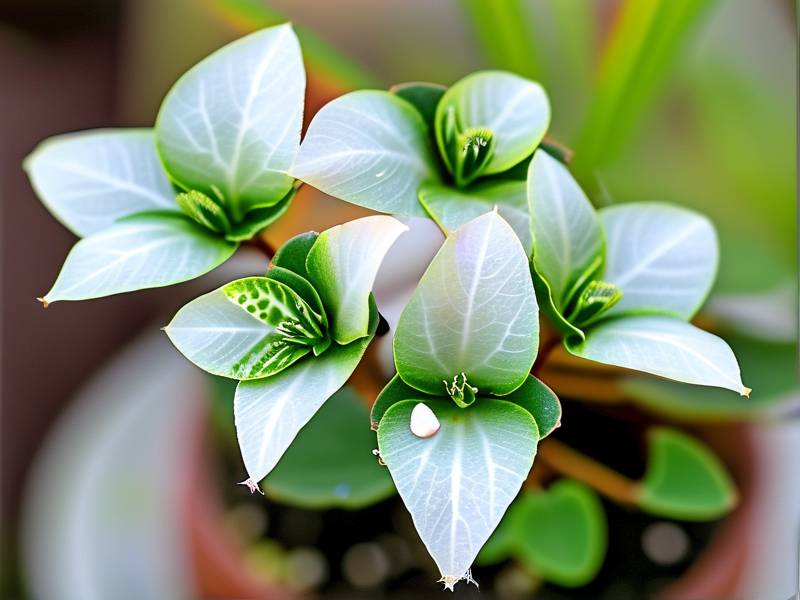
You've brought home a beautiful Aptenia cordifolia, charmed by its vibrant green, heart-shaped leaves and promise of cheerful blooms. Yet, weeks later, you're staring at a plant that's stretching out awkwardly, with sparse leaves and few to no flowers. The lush, flowering carpet you envisioned seems out of reach. This common frustration almost always points to one critical, often misunderstood, factor: light. Mastering the light requirements for Aptenia cordifolia isn't just about keeping it alive; it's the absolute key to unlocking its full, breathtaking potential as a prolific bloomer and dense ground cover.
This guide dives deep into the science and practice of providing sufficient light for more Aptenia cordifolia blooms. We'll move beyond basic advice to give you a clear, actionable roadmap. You'll learn how to read your plant's signals, optimize its environment, and transform it into the vibrant showstopper it's meant to be.
Understanding Aptenia Cordifolia's Natural Habitat and Light Needs
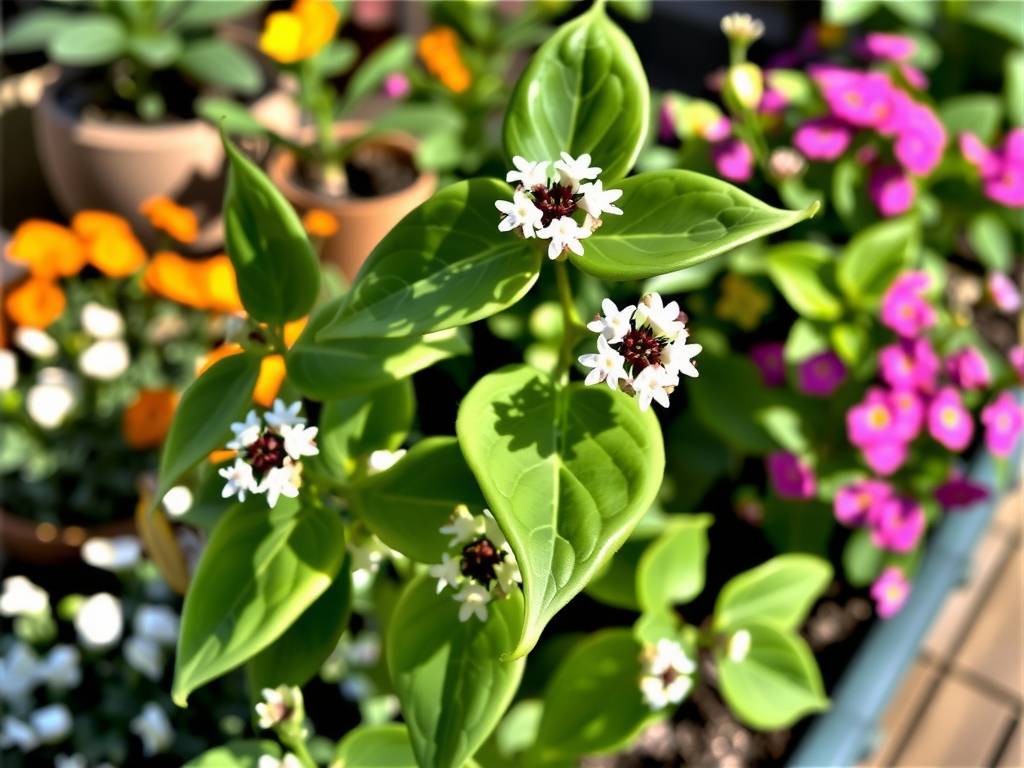
To care for any plant effectively, we must first understand where it comes from. Aptenia cordifolia, commonly known as Heartleaf Ice Plant or Baby Sun Rose, is native to the rocky slopes and coastal plains of South Africa. In its natural environment, it thrives under the full, blazing sun for most of the day. This origin story is your first clue: this is a sun-worshipper through and through.
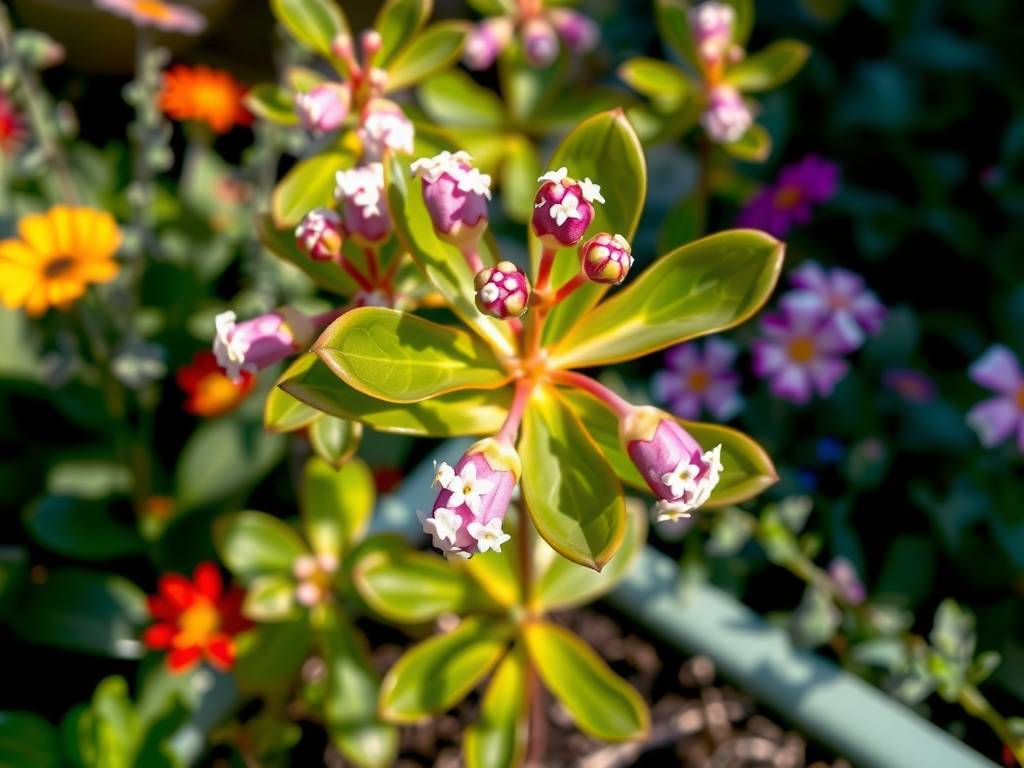
The Royal Horticultural Society (RHS), a global authority on horticulture, classifies Aptenia as a plant that requires "full sun." In gardening terms, this translates to a minimum of 6 to 8 hours of direct, unfiltered sunlight daily. However, for truly spectacular flowering, aiming for 8+ hours is ideal. This intense light fuels its photosynthesis at a high rate, creating the abundant energy reserves needed for sustained growth and, most importantly, for producing its signature magenta-pink, daisy-like flowers.
The Direct Link Between Light and Flowering
Why is light so non-negotiable for blooms? The process is fundamental. Through photosynthesis, light energy is converted into chemical energy (sugars). Aptenia cordifolia uses these sugars for all life processes. When light is sufficient, the plant has excess energy beyond basic survival. This surplus is the direct fuel for flower bud initiation and development.
Insufficient light forces the plant into "survival mode." It redirects all energy toward stretching its stems to find a light source—a phenomenon called etiolation—resulting in leggy, weak growth with large gaps between leaves. Flowering becomes a low-priority luxury the plant simply cannot afford. Therefore, providing sufficient light for Aptenia cordifolia blooms is not a suggestion; it's the primary trigger for its reproductive cycle.
How to Provide and Optimize Sufficient Light
Now, let's translate this knowledge into action. Providing optimal light involves more than just placing your plant near a window.
1. Outdoor Cultivation: The Ideal Scenario
If you live in a climate with mild winters (USDA zones 9-11), growing Aptenia cordifolia outdoors is the best way to achieve maximum blooms.
- Location: Choose the sunniest spot in your garden—a south-facing or west-facing exposure is perfect. Don't be afraid to give it the hottest, brightest location you have.
- Seasonal Considerations: In these zones, it can enjoy full sun year-round. In hotter inland areas (like zone 9b or 10), some afternoon shade during peak summer heat can prevent potential scorching, though the plant is remarkably tolerant.
2. Indoor and Container Care: Maximizing Limited Light
For most gardeners growing Aptenia in pots, either indoors or on patios, strategic placement is crucial.
- The Best Indoor Spot: A south-facing window is the gold standard. An unobstructed west-facing window is a strong second choice. East-facing windows provide good morning light but may not be sufficient for heavy blooming. North-facing windows are almost always inadequate.
- The Signs of Insufficient Light Indoors: Be vigilant. Leggy growth, smaller or paler leaves, and a complete absence of flowers are your plant's distress signals. The stems will visibly lean toward the light source.
- Supplemental Lighting: If your home lacks strong natural light, consider a grow light. LED full-spectrum panels are energy-efficient and effective. Position the light 6-12 inches above the plant and provide 12-14 hours of artificial light per day to mimic long summer days, a key factor in encouraging Aptenia cordifolia to flower profusely.
3. Acclimatization: Avoiding Sunburn
A common mistake is moving a plant from low light directly into intense, all-day sun. This can cause sunburn, leaving bleached or brown scars on the leaves. The American Horticultural Society (AHS) emphasizes the importance of gradual acclimatization. If your Aptenia has been indoors or in shade, introduce it to stronger light incrementally over 7-10 days. Start with 1-2 hours of morning sun, gradually increasing exposure each day.
Supporting Practices for Blooms Enhanced by Light
While light is the star, supporting actors play vital roles in this performance. You must provide optimal Aptenia cordifolia care for flowering by addressing these other needs.
- Well-Draining Soil is Non-Negotiable: Aptenia's succulent nature means it despises "wet feet." Use a cactus/succulent mix or amend regular potting soil with 50% perlite or pumice. Excellent drainage prevents root rot, ensuring a healthy plant that can respond to good light.
- The "Soak and Dry" Watering Method: Water deeply only when the soil is completely dry. Then, drench it until water flows from the drainage holes. This cycle promotes strong roots. Overwatering, especially in low-light conditions, is a fast track to plant failure.
- Minimal, Targeted Feeding: This plant is not a heavy feeder. A diluted, balanced fertilizer (like a 10-10-10) or one slightly higher in phosphorus (to promote blooms) applied once at the beginning of the growing season (spring) is often enough. Too much fertilizer, particularly nitrogen, encourages weak, leafy growth at the expense of flowers. The RHS advises that succulents like Aptenia often thrive in poorer soils and rarely need frequent feeding.
Troubleshooting Common Light-Related Problems
- Leggy Growth with Few Flowers: This is the definitive sign of insufficient light. The solution is to gradually move your plant to a much brighter location.
- Leaf Scorch or Bleaching: This indicates too rapid an introduction to intense light or, occasionally, extreme heat coupled with drought stress. Provide temporary afternoon shade during acclimatization and ensure the plant is adequately watered during heatwaves.
- Lush Leaves But No Blooms: This often points to an imbalance. The plant may be getting enough light to grow but not the intensity or duration required to trigger flowering. It could also be coupled with excess nitrogen from fertilizer. Reassess the light duration and hold off on fertilizer.
Frequently Asked Questions
Can Aptenia cordifolia grow in partial shade? It can survive in partial shade (3-6 hours of sun), but it will not thrive or bloom reliably. Growth will be slower, less dense, and flowering will be sparse or non-existent. For the characteristic dense mat and prolific blooms, full sun is essential.
My plant gets lots of light but still isn't blooming. What's wrong? Review all care factors. Is the light truly direct sun, or is it filtered through a tree or window screen? Ensure you are not overwatering or over-fertilizing. Also, consider temperature; cool nighttime temperatures (a natural drop in seasons) often work in concert with long days to stimulate flowering in many plants.
Is afternoon sun or morning sun better for Aptenia? While it adapts to both, afternoon sun is typically more intense and hotter than morning sun. For maximum flowering potential, a location that receives both—full sun from morning through afternoon—is ideal. If you must choose, a spot with strong afternoon sun will generally promote better blooming than one with only gentle morning sun.
Providing sufficient light is the most powerful lever you can pull to influence the health and beauty of your Aptenia cordifolia. By mimicking its native, sun-drenched habitat, you empower the plant to shift its energy from mere survival to spectacular display. Pair this bright light with mindful watering and well-draining soil, and you create the perfect conditions for a resilient, low-maintenance ground cover that rewards you with a long season of vibrant color. Observe your plant, adjust its position with the seasons, and let it soak up the rays—it knows exactly what to do with them.