 bluename
 How to Care for Aeschynanthus Radicans: Master Water Control to Boost Flower Color
You've brought home a stunning Aeschynanthus radicans, captivated by its promise of vibrant, lipstick-red blooms. Yet, weeks or months later, you're left with a lush, trailing plant of beautiful green foliage, but few or no flowers. Or worse, you're facing yellowing leaves or root rot. The most common culprit behind these frustrations isn't neglect—it's often misguided watering. Achieving that spectacular floral display is intricately tied to understanding and mastering the hydration needs of this tropical epiphyte. This comprehensive guide will demystify the art of watering your Lipstick Plant, turning your care routine into the key that unlocks intense, long-lasting flower color.
Understanding Your Lipstick Plant's Natural Habitat
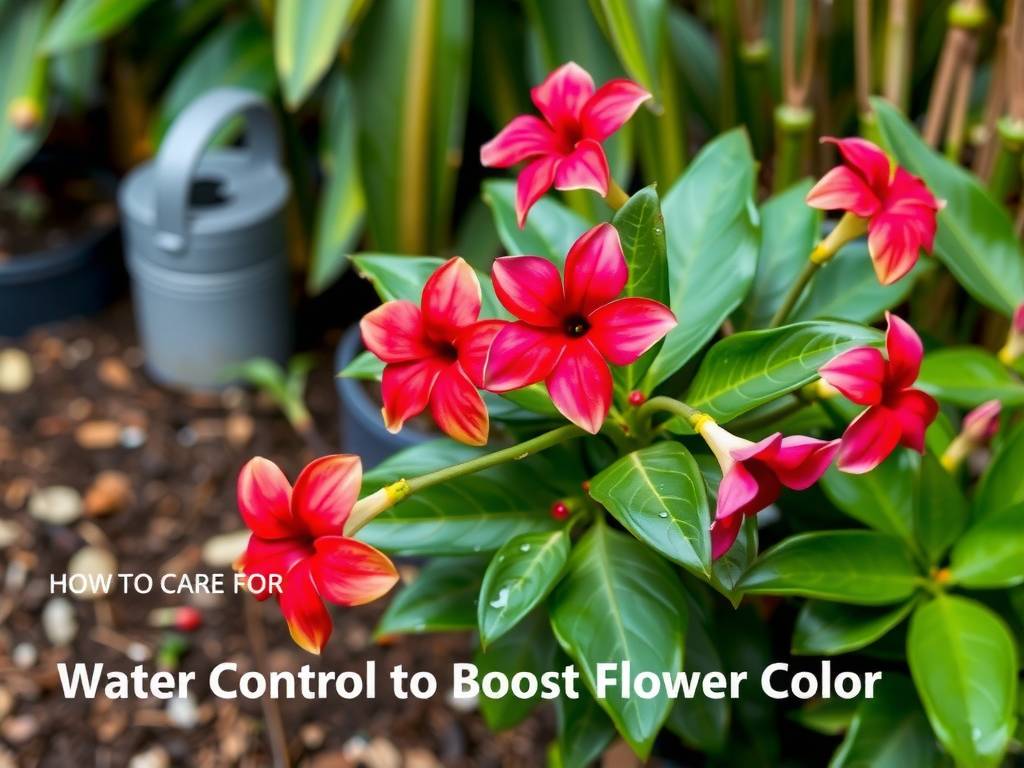
To water correctly, we must first look to the origins of Aeschynanthus radicans. In the wild, these plants are epiphytes, meaning they grow on trees and other structures in the rainforests of Southeast Asia. They are not rooted in soil but in pockets of moss and humus that collect in tree branches. This environment is key: it provides excellent drainage, constant air circulation around the roots, and a cycle of frequent rain showers followed by periods where the growing medium can approach dryness. The roots are adapted to breathe and must never sit in soggy, waterlogged conditions. As noted in epiphyte care profiles from horticultural authorities like the Royal Horticultural Society (RHS), replicating this "moist but well-aerated" root zone is fundamental to overall plant health, which is the absolute prerequisite for flowering.
The Direct Link Between Watering and Flower Color Intensity
Why does water so directly impact bloom color and production? It boils down to plant physiology and stress. Consistent overwatering suffocates roots, leading to root rot. A plant fighting for root survival has no energy to dedicate to flowering. Its resources are diverted to survival, resulting in leaf drop, stem mush, and certainly no blooms.
Conversely, while Aeschynanthus can tolerate slight dryness, chronic underwatering creates a different stress. The plant goes into conservation mode, halting "non-essential" processes like flower production to preserve moisture. Buds may form but then drop (blast) before opening, or the flowers that do emerge may be smaller and paler in color.
The goal is balanced moisture management. When the root zone is healthy and the plant experiences the gentle, natural stress of a dry-down period between waterings, it is stimulated to reproduce—to flower. Furthermore, adequate but not excessive water ensures that the pigments (anthocyanins responsible for reds and purples) in the flowers can develop fully, leading to deeper, more vivid hues. Proper hydration supports the entire metabolic process that results in a spectacular bloom show.
Your Step-by-Step Guide to Perfect Watering Practices
Mastering water control is less about a rigid schedule and more about honing your observation skills. Follow this actionable framework.
Assessing When to Water: The Finger Test is Key
Forget watering on a calendar schedule. The single most reliable method is the finger test. Insert your index finger about 1-2 inches into the potting mix. If the soil feels dry at that depth, it's time to water. If it still feels cool or slightly damp, wait. You can also lift the pot; a pot that feels light for its size indicates dryness, while a heavy pot suggests there's still plenty of moisture. For a more high-tech approach, a simple soil moisture meter can remove the guesswork.
The Right Way to Water: Soak and Drain Completely
When it is time to water, do so thoroughly. Take your plant to the sink or use a watering can without a saucer underneath. Slowly pour room-temperature, filtered, or rainwater over the soil until you see water freely flowing out of the drainage holes. This ensures the entire root ball is evenly moistened. Allow all excess water to drain away completely before returning the plant to its decorative pot or saucer. Never let your Lipstick Plant sit in a saucer of standing water. This "soak and drain" method mimics a tropical rain shower and is far superior to frequent, small sips of water.
Tailoring Watering to Seasons and Growth Cycles
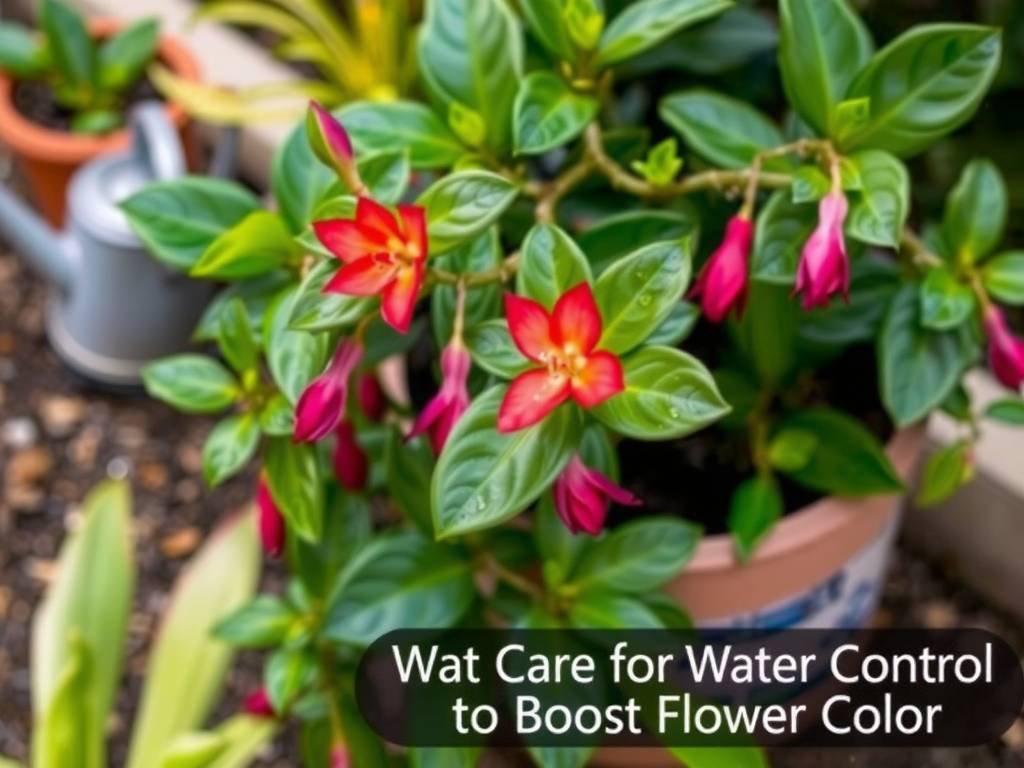
Your plant's thirst changes with the seasons and its growth cycle.
- Spring and Summer (Active Growth & Flowering Season): This is when your Aeschynanthus radicans is actively growing and, with proper care, flowering. Watering will be most frequent during this period. Maintain the "dry-down" approach, but expect to water approximately once a week, depending on your home's temperature, light, and humidity.
- Fall and Winter (Dormancy Period): Growth slows significantly. The plant requires much less water. You may only need to water every 2-3 weeks, or even less. Let the potting mix dry out more extensively between waterings, but don't let it become bone-dry for weeks. This slightly drier rest period is crucial for setting buds for the next blooming cycle.
Optimizing the Foundation: Pot and Soil for Success
Watering practices are only half the equation. They must be supported by the right physical environment.
Choosing the Ideal Pot: Drainage is Non-Negotiable
Always use a pot with multiple drainage holes. Terracotta pots are an excellent choice for Aeschynanthus because they are porous, allowing the soil to dry more evenly and preventing the roots from staying too wet. If you use a plastic or ceramic pot, be extra vigilant with your finger test, as these materials retain moisture longer.
Crafting the Perfect Potting Mix: Aeration is Everything
Standard potting soil is too dense and moisture-retentive for epiphytic plants like the Lipstick Plant. You must provide a sharply draining, airy mix. A perfect Aeschynanthus radicans potting mix can be made by blending:
- 40% high-quality, peat-based or coconut coir potting mix
- 40% orchid bark (for chunkiness and aeration)
- 20% perlite or pumice (for drainage)
- A handful of horticultural charcoal (optional, to keep the mix fresh) This blend ensures water flows through quickly, holding just enough moisture for the roots while providing the oxygen they crave.
Complementary Care for Maximum Flower Power
While water is the star, supporting actors are essential for a full performance.
Light: The Energy Source for Blooms
Bright, indirect light is mandatory for flowering. An east-facing window is ideal, or a few feet back from a south or west window with sheer curtains. Without sufficient light, the plant lacks the energy to produce buds, no matter how perfect your watering is. Avoid direct, harsh afternoon sun, which can scorch the leaves.
Humidity: Recreating the Tropics
As a rainforest native, Aeschynanthus radicans thrives in moderate to high humidity (50-60%+). While it can adapt to average home humidity, boosting moisture in the air supports lush foliage and robust flowering. Use a humidifier, place the pot on a pebble tray filled with water, or group it with other plants. According to the American Horticultural Society (AHA), maintaining adequate ambient humidity reduces plant stress and supports overall physiological functions, including nutrient uptake and flower development.
Fertilizing: The Flower Fuel
During the active growing season (spring and summer), feed your plant every 4-6 weeks with a balanced, water-soluble fertilizer diluted to half strength. Alternatively, use a fertilizer formulated specifically for blooming houseplants, which will have a higher phosphorus (P) content to promote flowers. Stop fertilizing in fall and winter when the plant is not actively growing.
Troubleshooting Water-Related Issues
- Yellowing Leaves: This is often a sign of overwatering and the onset of root rot. Check the soil moisture immediately and ensure the pot drains.
- Leaf Drop: Can be caused by either extreme: severe drought or chronic overwatering. Assess your recent watering habits and the soil condition.
- Brown Leaf Tips: Usually a sign of low humidity or, sometimes, a buildup of salts and minerals from tap water. Switch to filtered water and increase humidity.
- Lack of Blooms: The most common complaint. Re-evaluate the entire care triangle: Is light bright enough? Are you fertilizing in the growing season? And most critically, is your watering routine providing a healthy, balanced cycle of moisture and dry-down?
Frequently Asked Questions
My Lipstick Plant's buds keep falling off before opening. What am I doing wrong? Bud blast is frequently caused by a sudden change in environment, particularly in moisture. This could be from letting the plant get too dry after buds have formed, a drastic drop in humidity, or exposure to a cold draft. Once buds appear, try to keep your watering routine and plant location especially consistent.
Can I use tap water for my Aeschynanthus radicans? It's best to use filtered, distilled, or rainwater if your tap water is very hard (high in minerals). Fluoride and chlorine in tap water can sometimes cause leaf tip burn over time. If you must use tap water, let it sit out overnight to allow some chemicals to dissipate.
How do I know if my plant is rootbound and needs repotting? If you see roots growing out of the drainage holes, or if the plant dries out incredibly fast (in just a couple of days), it may be time to repot. The best time to repot is in the spring, at the start of the active growing season. Only move up one pot size (1-2 inches larger in diameter) to prevent excess soil from staying wet too long.
Achieving a brilliantly flowering Aeschynanthus radicans is a rewarding testament to your attentive care. By shifting your focus to precise water control—understanding when to water, how to water, and providing the well-draining foundation that makes it all possible—you directly influence the plant's vitality and its capacity to produce stunning color. Combine this mastery with bright, indirect light and supportive humidity, and you transform from a simple plant owner into a skilled cultivator, unlocking the full, vibrant potential of your Lipstick Plant season after season.





