bluename
 How to Care for Nematanthus Gregarius - Flower Promotion Tips for Year-Round Blooms
You've fallen in love with the charming, pouch-like blooms of your Nematanthus gregarius, commonly known as the Goldfish Plant. Its vibrant orange flowers bring a unique splash of color to your indoor jungle. But now, you're facing a common dilemma: the initial burst of flowers has faded, and you're left wondering how to coax this beautiful epiphyte into a state of year-round blooms. Achieving consistent flowering isn't about luck; it's about understanding and replicating the plant's natural preferences. This comprehensive guide will walk you through every step, transforming your care routine from guesswork to a precise science for spectacular, continuous floral displays.
Understanding Your Nematanthus Gregarius
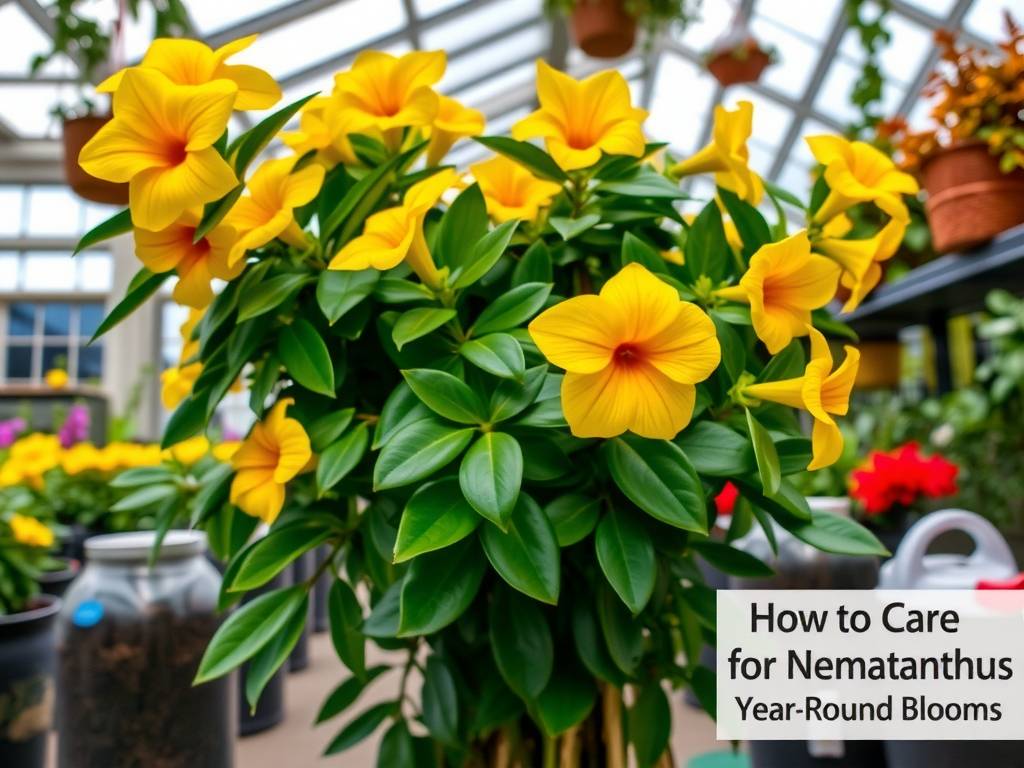
Before diving into advanced flower promotion tips, it's crucial to understand what makes this plant tick. Native to the rainforests of Brazil, Nematanthus gregarius is an epiphyte. In the wild, it grows on tree branches, not in soil, which means its roots demand excellent aeration and perfect drainage. It thrives under the dappled light of the forest canopy. This origin story is the blueprint for its care: bright but indirect light, high humidity, and a loose, fast-draining growing medium. Ignoring these core needs is the primary reason plants fail to rebloom.
Mastering the Light for Maximum Flowering
Light is the most critical factor in triggering and sustaining blooms. Your Goldfish Plant is a photoperiodic responder, meaning it senses the length of day and night.
- Ideal Intensity and Duration: Provide bright, indirect light for at least 6-8 hours daily. An east-facing window is perfect. A south or west window can work if the plant is shielded by a sheer curtain. Insufficient light leads to leggy growth and zero flowers. According to the Royal Horticultural Society (RHS), plants in this family require "good light without direct summer sun" to flower reliably.
- Avoiding Direct Sun: Harsh direct afternoon sun will scorch the fleshy leaves, causing brown, crispy patches. This stress halts flower production.
- Supplementing with Grow Lights: If natural light is limited, especially in winter, a full-spectrum LED grow light is a game-changer. Position it 12-18 inches above the plant and maintain a consistent 12-14 hour "day" cycle to encourage blooming even during short, dark days.
The Perfect Potting Mix and Container
Remember the epiphytic nature? Standard potting soil is a death sentence for drainage and will cause root rot. Your mix must be airy and chunky.
- Recipe for Success: A proven blend is equal parts peat-free orchid bark, perlite, and high-quality potting mix. Some experts recommend adding a handful of horticultural charcoal to keep the mix fresh. The American Horticultural Society (AHA) notes that epiphytic plants perform best in "very open, free-draining composts" that prevent waterlogging.
- Pot Choice: Always use a pot with ample drainage holes. Terracotta pots are excellent as they wick away excess moisture. The pot should be snug—Goldfish Plants bloom best when slightly root-bound. Only repot every 2-3 years, and only increase the pot size by about an inch.
Watering Wisely: The Rhythm of Hydration
Watering is where most enthusiasts stumble. This plant dislikes both drought and soggy feet. It prefers a consistent "moist but not wet" environment.
- The Finger Test: Before watering, insert your finger into the top inch of the soil. If it feels dry, it's time to water. If it's still damp, wait.
- Thorough Watering Technique: When you water, do so thoroughly until water runs freely from the drainage holes. This ensures the entire root ball is hydrated. Always empty the saucer beneath the pot after 15 minutes to prevent the plant from sitting in water.
- Seasonal Adjustments: Water more frequently during the active growing and flowering season (spring and summer). In fall and winter, reduce watering significantly, allowing the soil to dry out a bit more between sessions. Tepid water is preferred over ice-cold tap water.
Humidity: The Secret Weapon for Lush Growth
As a tropical native, Nematanthus gregarius adores humidity. Low humidity can cause leaf curl, brown edges, and bud drop—where flower buds form but then fall off before opening.
- Optimal Levels: Aim for 50-60% relative humidity.
- Boosting Humidity: Group plants together to create a microclimate. Place the pot on a pebble tray filled with water (ensure the pot sits above the waterline). For the most effective solution, especially in dry, heated homes, use a room humidifier placed nearby.
- Misting: Light misting can help, but it's a temporary fix and should not be relied upon as the primary method. Avoid misting the flowers directly.
Feeding for Fabulous Flowers
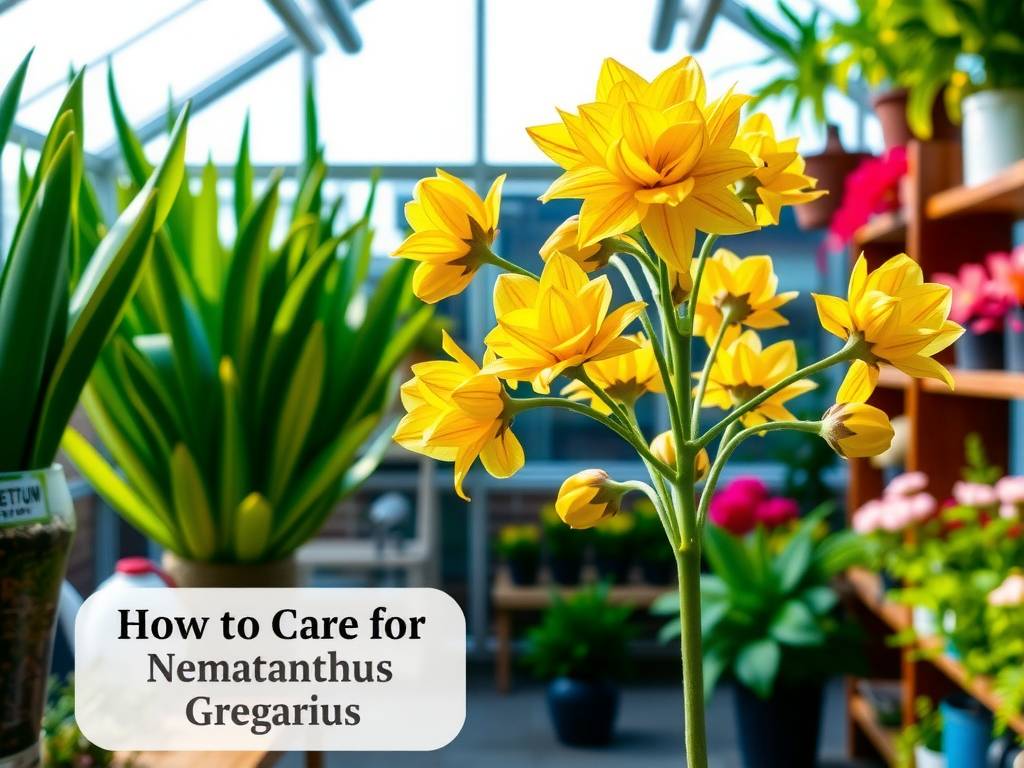
Proper nutrition fuels the energy-intensive blooming process. A balanced, targeted feeding schedule makes all the difference.
- Fertilizer Type: Use a balanced, water-soluble fertilizer (e.g., 10-10-10 or 20-20-20) diluted to half-strength. Alternatively, a fertilizer higher in phosphorus (the middle number) can promote better blooming.
- Feeding Schedule: Feed every two weeks during the spring and summer growing season. To encourage prolific flowering, be consistent. In fall and winter, cease feeding entirely as the plant's growth slows.
- Less is More: Over-fertilizing, especially with full-strength solutions, will burn the roots and can inhibit flowering. When in doubt, dilute more.
Pruning and Maintenance for a Bushier, Bloom-Heavy Plant
Strategic pruning doesn't just shape your plant; it directly stimulates more flowering stems.
- When to Prune: The best time is in late winter or early spring, just before the new growth season begins.
- How to Prune: Pinch back or trim the tips of leggy stems. Always cut just above a leaf node (the point where leaves emerge). This encourages the plant to branch out from that point, resulting in a denser form and more potential flowering sites.
- Regular Grooming: Regularly remove any yellowing or dead leaves to improve air circulation and redirect energy to healthy growth.
Troubleshooting Common Flowering Problems
- "My plant has buds, but they fall off." This is usually caused by a sudden change in environment—a draft, significant temperature swing, underwatering, or low humidity. Stabilize its care routine.
- "The leaves are healthy, but no flowers appear." This is almost always an issue of insufficient light. Gradually move it to a brighter location or introduce a grow light.
- "The leaves are yellowing." This can signal overwatering. Check the soil moisture and ensure the pot drains perfectly. It could also indicate a need for fertilizer during the growing season.
What is the ideal temperature range for Nematanthus gregarius? This tropical plant prefers consistent temperatures between 65°F and 80°F (18°C - 27°C). Avoid placing it near cold drafts, air conditioning vents, or heating sources, as sudden temperature drops below 60°F (15°C) can cause stress and leaf drop.
How do I propagate my Goldfish Plant to create more blooming specimens? Propagation is straightforward via stem cuttings. In spring or summer, take a 3-4 inch cutting just below a node, remove the lower leaves, and place it in water or moist perlite. Once roots develop a few inches long, pot it up in the recommended epiphytic mix. This is a great way to rejuvenate an older, leggy plant.
Why are the leaves on my plant turning red or purple? Some reddish tinting on new growth or leaves exposed to very bright light is normal. However, if the reddening is widespread, it can be a sign of stress from too much direct sunlight or, conversely, a nutrient deficiency. Assess its light exposure first and consider if your feeding schedule is adequate.
Cultivating a Nematanthus gregarius that flowers throughout the year is a deeply rewarding journey. It requires attentiveness to its specific needs—prioritizing bright, indirect light, mastering a well-draining potting routine, and maintaining consistent warmth and humidity. By viewing your plant through the lens of its natural habitat and applying these focused flower promotion strategies, you move beyond basic survival care. You become a facilitator of its natural cycle, setting the stage for those delightful, goldfish-shaped blooms to appear continuously, bringing a lasting touch of tropical whimsy to your home.