bluename
 How to Care for Senecio Herreianus - Mastering Light Control to Prevent Leggy Growth
Have you ever admired a friend's lush, compact Senecio herreianus, only to look at your own plant and see long, sparse stems with widely spaced leaves? That stretched-out, weak appearance is a classic sign of leggy growth, a common frustration for many succulent enthusiasts. The primary culprit behind this issue is almost always incorrect light exposure. Learning how to care for Senecio herreianus effectively means mastering one crucial element: light. This comprehensive guide will delve deep into the science and practice of light control, providing you with the knowledge to cultivate a dense, healthy String of Beads that showcases its full, beautiful potential.
Understanding Senecio Herreianus and Its Light Needs
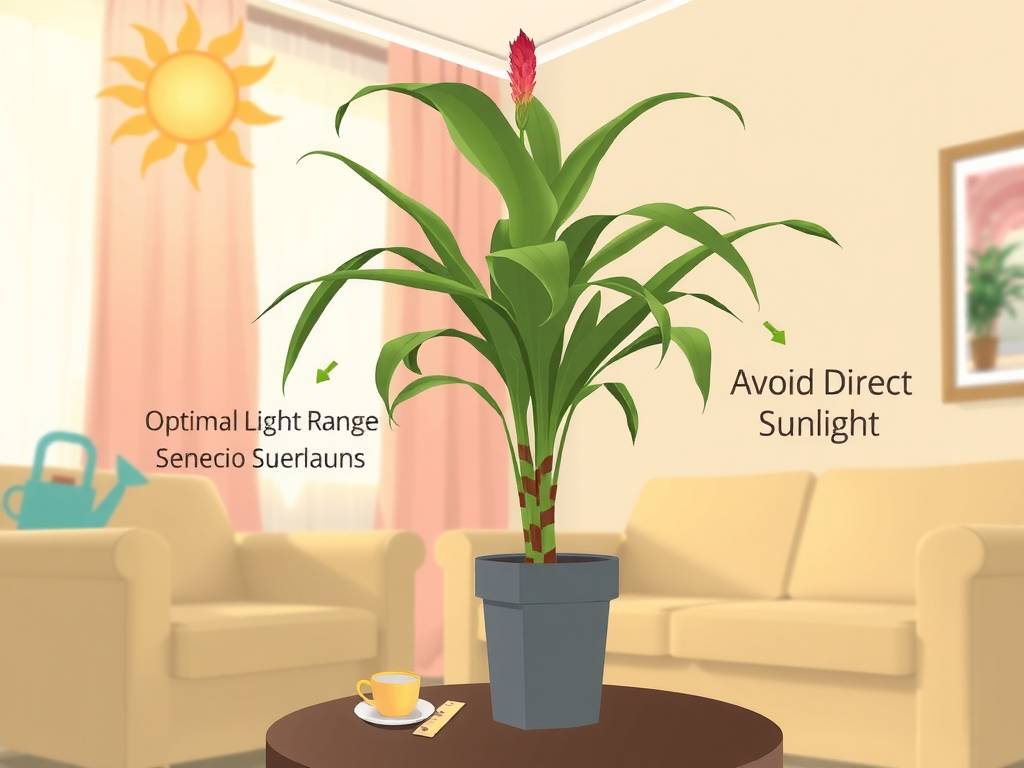
Senecio herreianus, commonly known as String of Beads or String of Pearls, is a fascinating trailing succulent native to the arid regions of Southwest Africa. Its unique adaptation is storing water within its spherical, bead-like leaves. In its natural habitat, it thrives under bright, direct sunlight for several hours, often with some partial shade during the most intense midday heat. This evolutionary history is the key to its care indoors. The plant's growth pattern is directly tied to light intensity. When light is sufficient, it focuses energy on producing compact, tightly-packed leaves along sturdy stems. When light is lacking, it enters a survival mode, rapidly elongating its stems in a desperate search for a brighter light source. This etiolation process results in the leggy growth we aim to prevent.
The Science of Leggy Growth: Why Light is Everything
Leggy growth, or etiolation, is not just an aesthetic problem. It's a physiological stress response. According to principles outlined by horticultural authorities like the Royal Horticultural Society (RHS), plants contain photoreceptors that detect light quality, duration, and intensity. When a succulent like Senecio herreianus senses inadequate light, it increases the production of hormones like auxins that promote stem elongation. The stems grow faster, but the internodes (the spaces between leaves) become longer, and new leaves may be smaller, paler, or fewer in number. This weakens the plant's overall structure, making it more susceptible to breakage and less efficient at photosynthesis. A study referenced by the American Horticultural Society (AHA) emphasizes that for succulents, the right light level is the single most important factor in maintaining compact form and vibrant color. Preventing leggy growth in String of Beads is therefore fundamentally about providing light conditions that mimic its native environment as closely as possible.
Ideal Light Conditions for Preventing Leggy Growth
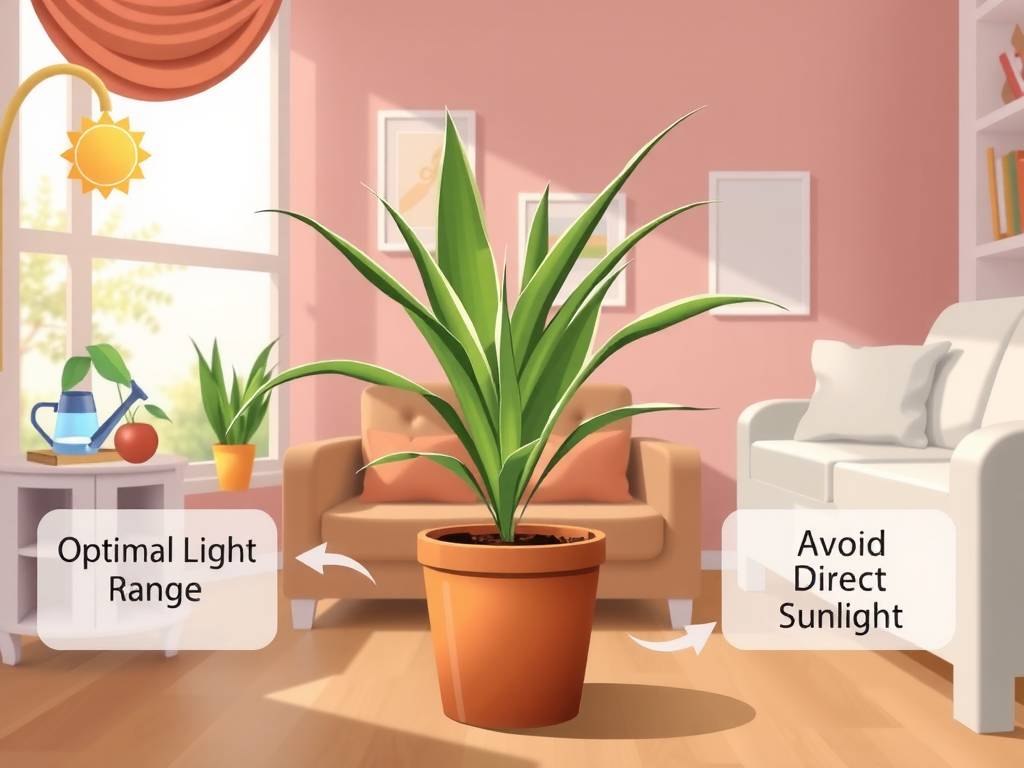
So, what exactly is the "perfect" light for your Senecio herreianus? The goal is to provide bright, indirect light for the majority of the day, with the possibility of some gentle direct sun.
- Optimal Placement: An east-facing window is often ideal, offering several hours of gentle morning direct sunlight followed by bright indirect light. A south-facing or west-facing window can also work brilliantly, but you may need to diffuse the intense afternoon sun with a sheer curtain, especially during summer, to prevent leaf scorch.
- Light Duration: Aim for a minimum of 6-8 hours of this quality light daily. More is generally better, up to about 12 hours.
- Signs of Perfect Light: A happy, well-lit Senecio herreianus will exhibit deep green or slightly purple-tinged beads that are firm, plump, and closely spaced along the stem. Growth will be steady and compact.
Recognizing and Diagnosing Light-Related Problems
Your plant will communicate its light satisfaction level clearly.
-
Symptoms of Insufficient Light (Causing Legginess):
- Stems are growing rapidly but are thin and stretched.
- Large gaps appear between the bead-like leaves.
- The plant's color may fade to a lighter, washed-out green.
- New growth is sparse and the plant may stop producing new beads entirely.
- The overall growth rate slows down, but any new stem growth is elongated.
-
Symptoms of Too Much Direct Sun (Sunburn):
- Leaves develop dry, brown, crispy patches or scars.
- Beads may look shriveled or bleached, even if the soil is moist.
- Growth may become stunted.
If you notice signs of legginess, it is a clear indicator that you need to increase light exposure for your succulent immediately. Do not simply rotate the pot; physically move it to a brighter location.
Practical Strategies for Optimizing Light Indoors
Not every home has a perfect south-facing window. Here are actionable strategies to ensure your plant gets the light it needs.
1. Seasonal Light Management: Light intensity and duration change with the seasons. Your plant's location may need to change too.
- Spring/Summer: This is the active growing season. Maximize light exposure. You can often allow more direct sun in the early morning or late afternoon. Monitor for sunburn.
- Fall/Winter: The sun is lower and weaker. Move your plant to the brightest possible spot, even allowing for more direct daytime sun through a south window, as the intensity is reduced. This is critical to prevent etiolation in Senecio herreianus during the darker months.
2. Using Grow Lights: For rooms with poor natural light, grow lights are a game-changer. They are the most reliable way to control light for String of Beads and guarantee consistent exposure.
- Type: Full-spectrum LED grow lights are energy-efficient and effective.
- Placement: Position the light 6-12 inches above the plant.
- Duration: Use a timer to provide 12-14 hours of artificial light per day, mimicking a long summer day. This can completely halt and prevent further leggy growth.
3. Acclimation is Key: Never move a plant from a low-light area directly into hours of hot, direct sun. This will cause shock and sunburn. Acclimate it gradually over 1-2 weeks, increasing its time in the brighter spot by about an hour each day.
Complementary Care: Supporting Healthy, Compact Growth
While light is the star, other care factors play vital supporting roles in keeping your plant robust and less prone to becoming leggy.
- Watering in Sync with Light: Watering needs are directly tied to light. A plant in bright light and active growth will use water faster. Always use the "soak and dry" method: water thoroughly until it drains from the hole, then allow the soil to dry completely before watering again. In lower light conditions, water much less frequently, as the soil will stay wet longer and the plant's metabolism is slower.
- The Right Soil and Pot: Use a very well-draining cactus and succulent mix. Consider adding extra perlite or pumice. A pot with a drainage hole is non-negotiable. Good drainage supports healthy roots, which support the strong growth encouraged by good light.
- Pruning and Propagation: If your plant is already leggy, don't despair. Pruning is both a corrective and preventive measure.
- Use clean, sharp scissors to trim back long stems. You can cut quite aggressively.
- This pruning encourages the plant to branch out from the cut point, leading to a fuller, bushier appearance.
- Propagate the cuttings! Remove a few beads from the bottom of the cut stem, let the end callous for a day, then place it on moist soil. Under bright light, it will root and grow, giving you new, compact plants. You can even coil these cuttings back into the mother pot's soil to create instant density.
Can I save a Senecio herreianus that has already become very leggy? Absolutely. The most effective method is to prune back the leggy stems to a point where the growth is still compact. The plant will produce new branches from these points. Simultaneously, propagate the healthy cuttings to create new plants. Most importantly, move the plant to a significantly brighter location to ensure all new growth is compact. The old, stretched stems will not shrink, but new growth will cover them over time.
How do I know if my grow light is strong enough? Observe your plant's response. If growth remains compact and the color is deep, the light is sufficient. If legginess continues or the plant starts stretching toward the light source, the light is either not intense enough or not close enough. For Senecio herreianus, a dedicated LED grow light panel or bulb designed for succulents, placed within 12 inches, is typically required.
Is some direct sun okay, or should I stick to only indirect light? Gentle direct sun is highly beneficial and helps maintain compact form. The morning sun from an east window is perfect. A few hours of direct afternoon sun from a west or south window can also be excellent, but you must be cautious during peak summer heat to avoid scorching. Acclimation is crucial. Think of it as bright light with a dose of direct sun, rather than constant, harsh exposure.
Mastering the care of Senecio herreianus revolves around understanding and managing its profound need for abundant light. Leggy growth is a direct signal from your plant that its environment is lacking this essential resource. By prioritizing a bright location, utilizing seasonal adjustments and grow lights when necessary, and supporting your plant with appropriate watering and soil, you can consistently cultivate a stunning, dense specimen. Remember, a compact String of Beads is a testament to perfect light harmony. With patience and observation, you can transform your trailing succulent into the lush, bead-filled cascade it is meant to be.