bluename
 How to Care for Senecio Rowleyanus: Master Water Control to Prevent Shriveled Leaves
There's nothing more disheartening for a plant lover than watching the plump, pea-like beads of a String of Pearls (Senecio rowleyanus) turn wrinkled, shriveled, and dry. This succulent, famed for its unique cascading vines, often falls victim to a common but preventable issue: improper watering. Achieving the perfect balance is the single most critical skill in how to care for Senecio Rowleyanus. This guide will transform your approach, moving you from guesswork to a confident, science-backed watering routine that keeps those pearls perfectly plump.
Understanding Your String of Pearls: A Succulent Built for Drought
To water correctly, you must first understand what you're caring for. Senecio rowleyanus is a native of the arid regions of southwest Africa. Its evolution is a masterpiece of water conservation.
The spherical leaves are not just for show; they are specialized water storage organs. A small, translucent "window" or "epidermal window" runs along the side of each pearl. This adaptation allows light to penetrate deep into the leaf's interior, maximizing photosynthesis while minimizing the surface area exposed to the harsh, drying sun. The vines grow along the ground in nature, with roots forming at nodes to seek out pockets of moisture.
This biology gives you the golden rule: This plant is designed to endure dry periods and is highly susceptible to rot from excess moisture. Its watering needs are the polar opposite of your typical tropical houseplant.
The Ultimate Guide to Watering Senecio Rowleyanus
Forget calendar-based watering. The health of your String of Pearls depends on a "soak and dry" method, tuned to environmental factors.
The "Soak and Dry" Method Explained
This technique mimics the natural desert rains the plant has adapted to. You provide a thorough, deep watering, then allow the soil to dry out completely before even considering the next drink.
- The "Soak": Water the soil deeply and evenly until excess water freely drains from the pot's drainage holes. This ensures the entire root ball gets moisture. Watering just the surface encourages shallow roots and uneven drying.
- The "Dry": This is the crucial phase. You must allow the potting mix to dry out almost entirely. The top few inches of soil should feel completely dry, and the pot will feel significantly lighter.
How to Accurately Check for Dryness
Don't rely on looks. Use these reliable methods:
- The Finger Test: Insert your finger 1-2 inches into the soil. If you feel any moisture or coolness, wait.
- The Skewer/Chopstick Test: Insert a wooden skewer into the soil (mind the roots), leave it for a minute, and pull it out. If it comes out with damp soil stuck to it or feels cool, the soil is still wet.
- The Pot Weight Method: This becomes intuitive with practice. Lift the pot right after watering to feel its "heavy" weight. Periodically lift it every few days. When it feels surprisingly light, it's time to water.
Seasonal Watering Adjustments
Your plant's thirst changes with the seasons, a key component of expert Senecio rowleyanus water control.
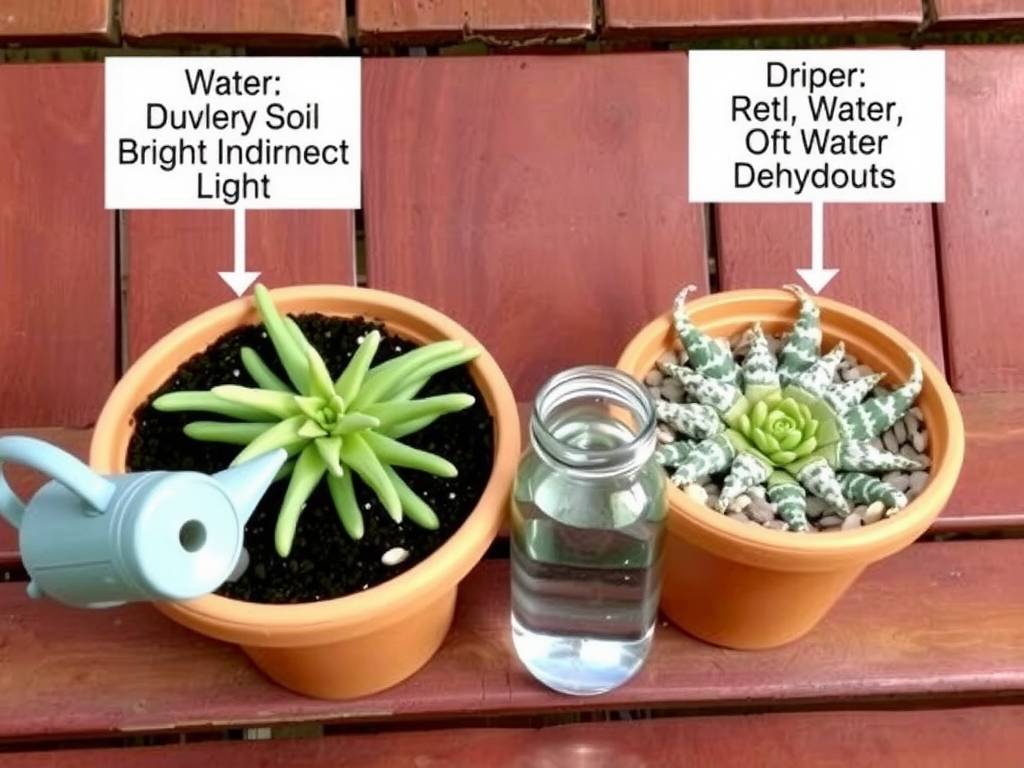
- Spring & Summer (Growth Season): This is the period of active growth. Water thoroughly when the soil is dry, following the soak and dry method. Frequency might be every 2-3 weeks, but always let soil dryness be your guide.
- Fall & Winter (Dormancy): Growth slows or stops. Water much more sparingly. Allow the soil to stay dry for much longer, potentially 4-6 weeks or more. The goal is to prevent the roots from desiccating completely, not to support growth.
Critical Factors Influencing Watering Frequency
Several elements affect how quickly your soil dries:
- Light: A plant in bright, direct light will use water faster than one in low light. More light generally means slightly more frequent watering during the growth season.
- Temperature & Humidity: Warm, dry conditions accelerate drying. Cool, humid conditions slow it down dramatically.
- Pot Type: Unglazed terracotta pots are porous and allow water to evaporate through their walls, drying soil faster. Plastic or glazed ceramic pots retain moisture much longer.
- Pot Size & Soil: A large pot holds more wet soil than a small plant can use, risking rot. A tight fit is better. Soil must be exceptionally well-draining.
Choosing the Right Soil and Pot for Success
Watering is only half the battle. The right container and medium are your insurance policy.
The Ideal Well-Draining Potting Mix
Standard potting soil is a death sentence for String of Pearls. It retains too much water and suffocates roots. You need a gritty, fast-draining mix. A perfect blend, recommended by many succulent societies, is a cactus and succulent potting mix further amended with extra inorganic material. A 50:50 or even 60:40 mix of commercial cactus soil to perlite or pumice is excellent. This creates air pockets, prevents compaction, and allows water to flow through instantly, leaving moisture without sogginess.
Pot Selection: Drainage is Non-Negotiable
Always, always use a pot with at least one drainage hole. This is non-negotiable. Without it, water pools at the bottom, creating a swamp that will rot roots. As the Royal Horticultural Society (RHS) advises for succulents, "Ensure pots have drainage holes so excess water can escape." The material matters too. For beginners, terracotta is forgiving because it "wicks" away extra moisture.
Diagnosing and Resolving Shriveled Leaves
Now, let's solve the problem. Shriveled leaves are a symptom, but the cause can be two opposite extremes.
Underwatering: The Thirsty Plant
- Symptoms: Pearls appear wrinkled, dry, and shriveled, often starting at the top of the vines or the pearls closest to the soil. The stems may look woody and brittle. Soil is bone-dry and may have pulled away from the pot's edges.
- Solution: Give the plant a thorough, deep soak. Submerge the pot in a sink of water for 10-15 minutes (the bottom-watering method) if the soil has become hydrophobic. You should see the pearls plump up within 24-48 hours. Adjust your watering schedule to water soon after the soil fully dries.
Overwatering and Root Rot: The Silent Killer
- Symptoms: This is trickier. Pearls may also shrivel, but they can turn mushy, discolored (yellow or brown), and fall off easily. The stem at the soil line may be black or mushy. The soil will stay damp for too long, and the plant may have a foul odor.
- Solution: This is serious. Stop watering immediately. Remove the plant from its pot and inspect the roots. Healthy roots are firm and white or light tan. Rotten roots are dark brown/black, mushy, and may slough off. Using sterilized scissors, cut away all rotten roots and stems. Repot the plant into fresh, dry, well-draining mix. Do not water for at least a week to allow wounds to callus, then resume a very careful soak-and-dry routine.
Advanced Tips for Lush, Healthy Growth
Beyond basic watering, a few extra steps ensure a thriving plant.
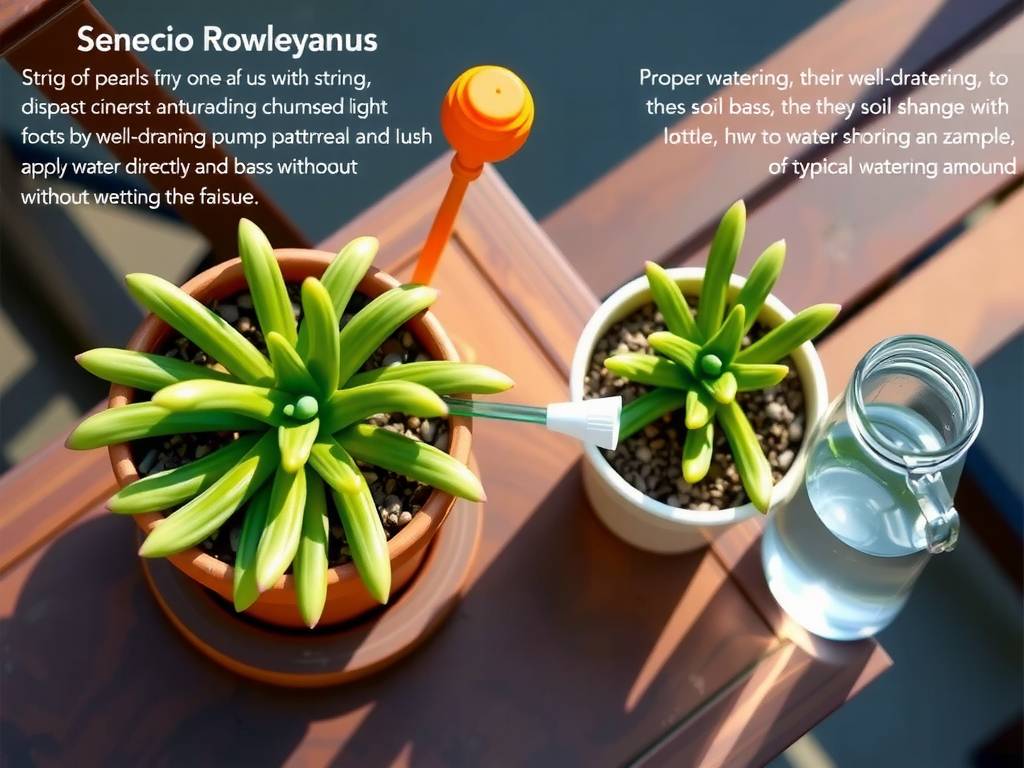
- Water Quality & Technique: Use room-temperature water. Water directly onto the soil, avoiding the pearls themselves to prevent moisture from sitting in their curves, which can cause scarring or rot.
- The Role of Light: Bright, indirect light with some direct morning sun is ideal. Adequate light helps the plant use water efficiently and maintains compact growth. Insufficient light coupled with moist soil is a recipe for etiolation (stretching) and rot.
- Fertilizing: Feed sparingly. Use a balanced, water-soluble fertilizer diluted to half-strength only during the active growing season (spring-summer), no more than once a month. Never fertilize a dry plant or during dormancy.
Why is my String of Pearls shriveling even though I water it weekly? Weekly watering is almost certainly too frequent. This schedule ignores your plant's actual needs and the drying conditions of your home. You are likely overwatering, leading to root rot, which prevents the plant from absorbing water, causing the pearls to shrivel. Switch to the "soak and dry" method based on soil dryness, not the calendar.
Can I mist my String of Pearls to increase humidity? No. Misting is not an effective watering method and can be harmful. It does not provide enough moisture to the roots and can leave water on the pearls, promoting fungal diseases or rot. Senecio rowleyanus prefers dry air and gets all its moisture through its roots from a proper deep watering.
How do I know if the shriveling is from overwatering or underwatering? Check the soil. If it's bone-dry and dusty, the cause is likely underwatering. If it's still damp or clumpy several days after you last watered, and the stems feel soft, overwatering and root rot are the likely culprits. The condition of the roots upon inspection will give you the definitive answer.
Mastering the care of Senecio rowleyanus boils down to respecting its desert heritage. By abandoning a fixed schedule and embracing the "soak and dry" method, choosing a gritty, well-draining home for its roots, and learning to read the signals of the soil and the pearls themselves, you can completely eliminate the problem of shriveled leaves. Your reward will be a resilient, lush, and rapidly growing String of Pearls, its vines cascading with hundreds of perfectly plump, emerald-green beads.