bluename
 How to Care for Nymphaea Tetragona: From Division Propagation to Double Blooms Next Year
You've nurtured your Nymphaea tetragona, the charming dwarf water lily, and admired its delicate blooms. But now, you're facing a crowded pot, fewer flowers, or simply the desire to multiply its beauty. The prospect of dividing and propagating this aquatic gem might seem daunting. How do you ensure the process is successful? More importantly, how can you leverage this essential care task to guarantee a spectacular display of double the blooms in the coming season? This comprehensive guide demystifies the entire cycle, transforming division from a chore into the most powerful tool in your water gardening arsenal for revitalizing your Nymphaea tetragona.
Understanding the "why" is crucial before mastering the "how." A mature, congested Nymphaea tetragona rhizome competes for limited resources within its container. This stress directly impacts its vitality and flowering potential. Strategic division is not merely about propagation; it's a non-negotiable rejuvenation practice. It resets the plant's growth cycle, provides fresh growing medium, and stimulates the development of new, vigorous growth points that are primed to produce an abundance of blooms. Let's walk through the process that will set the stage for a flourishing performance next year.
The Optimal Timing for Dividing Your Dwarf Water Lily
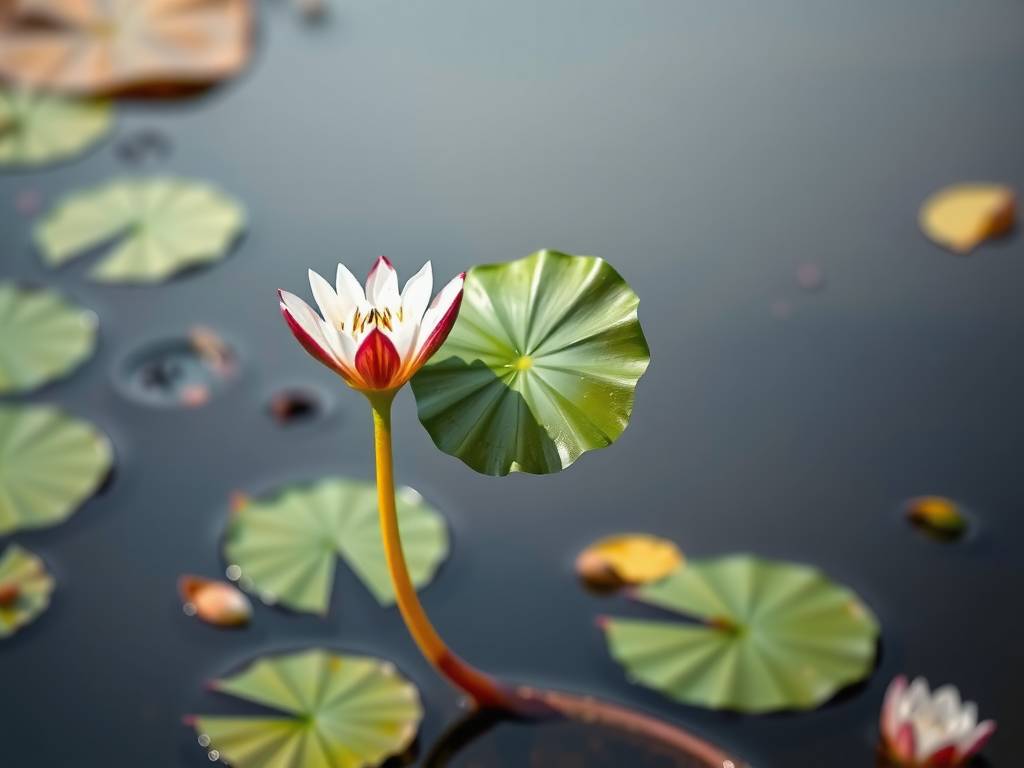
Timing is everything in plant propagation, and for hardy water lilies like Nymphaea tetragona, it aligns perfectly with their natural growth cycle. The absolute best window is in late spring to early summer, as the water consistently warms above 60°F (15°C) and the plant enters its peak growing phase. This timing provides the divided sections with an entire growing season to establish strong root systems, store energy, and set buds for the following year.
Avoid dividing in the heart of summer when heat stress is high or in the fall when the plant is preparing for dormancy. A fall division may not allow sufficient time for establishment before cold weather, jeopardizing the plant's survival over winter. According to horticultural best practices from aquatic plant societies, aligning division with active growth maximizes success rates and minimizes transplant shock, giving your new divisions the strongest possible start.
Step-by-Step Guide to Division Propagation
This hands-on process is the cornerstone of renewing your plant's vigor. Gather your materials: a sharp, sterile knife or pruning saw, new aquatic planting baskets, quality heavy clay loam or aquatic soil, and aquatic plant fertilizer tabs.
First, carefully remove the entire plant from its pond or container. Gently wash the soil away from the rhizome (the thick, horizontal stem) under a soft stream of water so you can clearly see its structure. You'll notice growing points ("eyes") and old, spent growth. Your goal is to identify healthy, firm sections of the rhizome, each with at least one strong growing point and a portion of healthy roots.
Using your sterilized tool, make clean, decisive cuts to separate these sections. Discard any soft, mushy, or excessively old parts of the rhizome. Each viable division should be roughly 3-4 inches long with a growing tip. Immediately pot these new divisions. Fill an aquatic basket halfway with soil, place the division at a 45-degree angle with the cut end against the side and the growing tip pointing toward the center and slightly upward. Cover the roots and rhizome with more soil, leaving the growing tip exposed. Top with a layer of gravel or small stones to prevent soil from clouding your water. Finally, press a specialized aquatic plant fertilizer tablet deep into the soil near the roots to provide essential nutrients for the coming growth surge.
Post-Division Care for Immediate Establishment
The first few weeks after division are critical. Do not immediately place your newly potted divisions into deep water. Instead, position them in a shallow area of your pond or in a separate container where the crown is just 2-4 inches below the water surface. This allows sunlight to warm the developing shoots and new leaves to reach the air easily. As the plant establishes and sends up new leaves, gradually lower the pot to its final depth of 6-12 inches over the course of a few weeks.
Monitor water quality closely. Division can cause some initial disturbance. Ensure good water circulation and consider using a beneficial bacteria supplement to maintain clarity and balance. You should see new pad growth within one to two weeks, a sure sign of successful establishment.
Strategic Fertilization for Maximum Blooms Next Season
Division alone sets the stage, but targeted nutrition builds the powerhouse plant. Nymphaea tetragona are heavy feeders, especially when rebuilding after division. The initial fertilizer tab you planted is just the start. For a bloom-boosting regimen, follow a consistent feeding schedule.
Insert new aquatic fertilizer tabs into the soil around the root zone every 4-6 weeks during the active growing season (spring through early fall). These tabs are formulated to release nutrients directly to the roots without leaching into and polluting the pond water. Look for formulas with a good balance of phosphorus, which is key for promoting prolific flowering. The Royal Horticultural Society (RHS) emphasizes that regular feeding of aquatic plants in containers is essential, as they cannot draw nutrients from a vast natural soil bed. This consistent nutrient supply is what fuels the development of strong rhizomes and, crucially, the formation of abundant flower buds for the next cycle.
Sunlight and Positioning: The Flower Power Duo
No amount of division or fertilizer can compensate for inadequate light. To achieve your goal of double blooms next year, your divided and repotted Nymphaea tetragona requires a minimum of 5-6 hours of direct sunlight daily. More is generally better. Full sun exposure drives photosynthesis, creating the energy reserves stored in the rhizome that will be converted into next year's flower stalks.
Ensure your pond or water feature is sited to receive ample sunlight. After division, as the plant re-establishes, avoid placing it in the shade of larger plants or structures. Proper positioning in full sun is a non-negotiable factor for triggering the prolific blooming this dwarf lily is capable of.
Overwintering Your Divided Plants for Spring Success
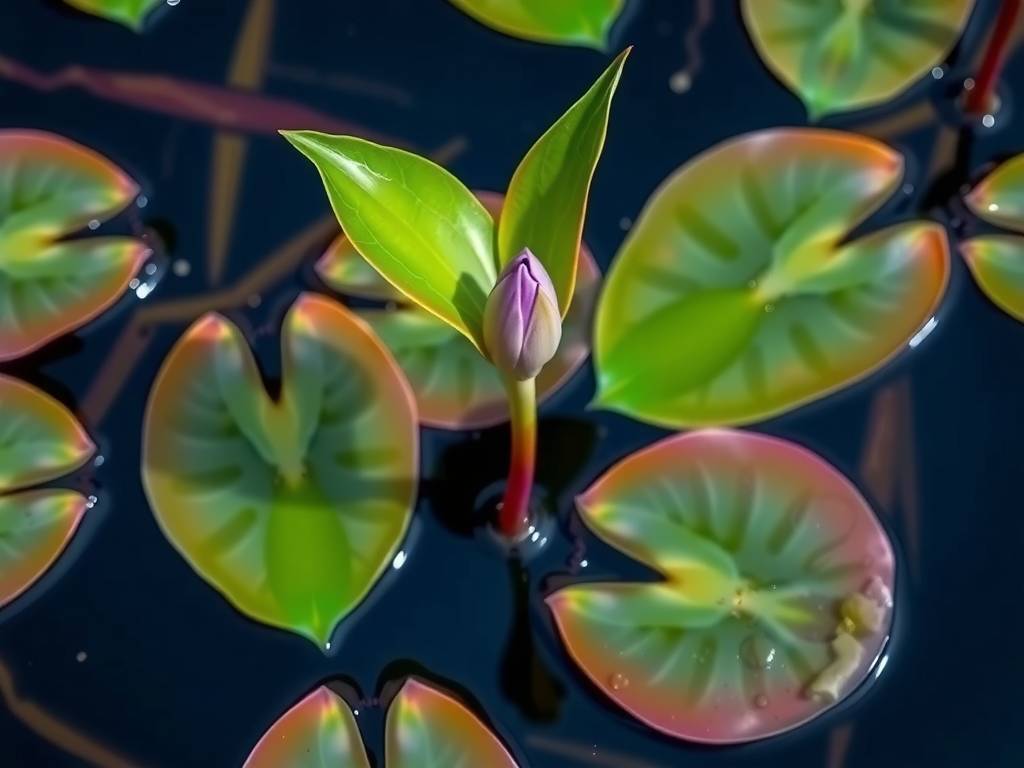
Your care in the fall directly impacts the spring flower show. In colder climates (below USDA zone 4), or if your pond is shallow and may freeze solid, you'll need to provide protection. After the first frost, when the foliage has died back, you can move the potted division to the deepest part of the pond (below the freeze line). Alternatively, remove the pot, trim away dead foliage, and store it in a cool, dark, and frost-free place like a garage or basement, ensuring the rhizome and soil remain slightly damp but not waterlogged. Do not let it dry out completely.
In milder climates, the plant can often remain in the pond. A healthy, well-fed rhizome that has stored ample energy over the summer will survive dormancy with greater resilience and burst forth with more growth points in spring. The American Horticultural Society (AHS) notes that successful overwintering of hardy aquatic plants hinges on protecting the crown (growing point) from sustained freezing and ensuring it doesn't desiccate.
Troubleshooting: Ensuring Your Propagation Thrives
Even with perfect technique, watch for signs. If new leaves are yellowing, it may indicate a nutrient deficiency—apply a fertilizer tab. If leaves are small or flowering is sparse despite good light, the plant is likely still dedicating energy to root and rhizome development; be patient and maintain feeding. Algae growth on the pot can be managed by ensuring your gravel layer is sufficient and by introducing algae-eating pond snails. Remember, a divided plant's primary focus in its first season is often establishment; a spectacular bloom display is the reward for your patience and care in the following year.
Why isn't my newly divided Nymphaea tetragona flowering this season? This is perfectly normal and even expected. The plant's energy after division is directed toward root development and rebuilding its rhizome. Think of this first season as an investment period. The vigorous growth you see in the leaves is building the stored energy that will be channeled into producing a profusion of blooms in the next growing season.
Can I divide my water lily if it's currently in bloom? It's strongly advised not to. Dividing a plant in bloom adds significant stress, as it is expending energy on flower production. The shock can cause bloom loss and weaken the divisions. Always wait until just before or as the new growth begins in late spring for the highest success rate and plant health.
How often should I divide my Nymphaea tetragona? For optimal health and flowering, plan to divide Nymphaea tetragona every 2 to 3 years. You'll know it's time when the plant becomes overly crowded in its pot, the leaves become smaller and congested, or the number of flowers noticeably declines despite proper care. Regular division on this schedule prevents decline and perpetuates vitality.
By viewing division not as an isolated task but as the first critical step in a year-long cycle of care, you unlock the true potential of Nymphaea tetragona. Mastering the timing, the technique, and the follow-up regimen of feeding and positioning transforms a single, tired plant into multiple vigorous specimens. The process requires a blend of precise action and patient nurturing, but the result is unmistakable: healthier plants, a expanded water garden, and the guaranteed spectacle of double the serene, beautiful blooms gracing your pond's surface when the next season arrives.