bluename
 How to Care for Nelumbo Nucifera: Ensuring Sufficient Light for Fast Blooming
You've planted your sacred lotus, Nelumbo nucifera, with dreams of those iconic, breathtaking blooms. Yet, your plant seems stuck, producing lush leaves but no flowers. The most common, and often overlooked, culprit behind a non-blooming lotus isn't water quality or fertilizer—it's insufficient light. Achieving the spectacular, fast blooming that lotus are famous for hinges entirely on mastering their light requirements. This guide will provide the actionable, expert-backed strategies to transform your lotus care, ensuring your plant receives the abundant light it craves for vigorous growth and prolific flowering.
Understanding the Sun Worship of Nelumbo Nucifera
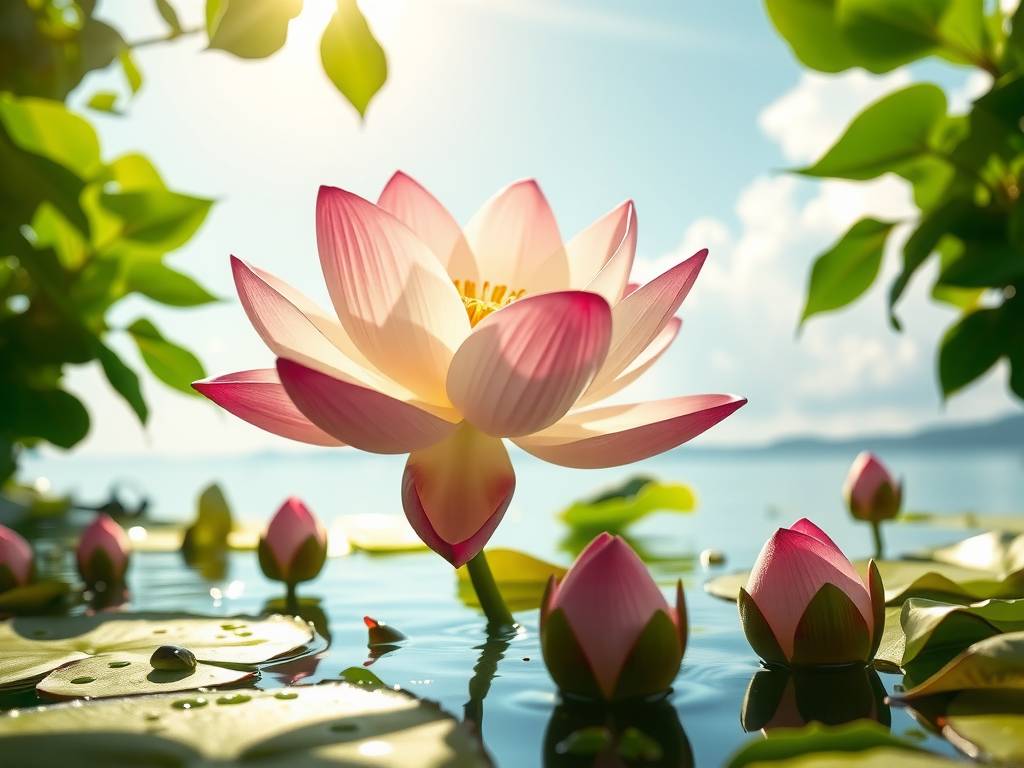
The lotus is not a shade-tolerant pond plant; it is a sun-worshipper in the truest sense. In its natural habitat across Asia and Australia, Nelumbo nucifera thrives in full, all-day sunlight in warm, shallow waters. Its entire physiology is engineered for high-light environments.
Photosynthesis in those large, circular leaves is highly efficient but also demanding. The plant requires a minimum of 6 hours of direct, unfiltered sunlight daily to merely survive. For fast blooming, however, research and horticultural expertise point to a higher threshold. The Royal Horticultural Society (RHS) consistently classifies aquatic plants like the lotus as needing a "full sun" position, which they define as more than 6 hours of direct summer sun. For optimal flower production, aiming for 8 to 12 hours is the industry-standard recommendation.
Without this critical energy input, the plant will prioritize leaf production to capture more light, diverting resources away from flower bud formation. Simply put, inadequate light is the primary barrier to getting your lotus to bloom quickly and abundantly.
The Direct Link Between Light Intensity and Flowering Speed
Why is light so non-negotiable for fast lotus blooming? The process is driven by energy accumulation. Flowering, especially producing those large, complex blooms, is an energy-intensive endeavor.
Each photon of sunlight captured by the leaves is converted into chemical energy (sugars). This energy bank must reach a certain critical level before the plant's hormonal triggers initiate flower bud development. In lower light, this accumulation process is slow, delaying blooming for weeks or even the entire season. With maximum light exposure, the plant hits its energy quota faster, triggering the flowering sequence sooner—resulting in the "fast blooming" every grower desires.
Furthermore, light intensity directly influences bloom size and stem strength. Weak, "leggy" stems that cannot hold a bloom aloft are a classic sign of light starvation. The American Horticultural Society (AHA) notes that for aquatic blooming plants, sufficient light not only promotes flowering but also ensures sturdy growth that can support the weight of the flowers, preventing them from toppling into the water.
Optimizing Light Conditions for Your Lotus Pond or Container
Providing sufficient light requires proactive planning and sometimes, creative adjustments.
Choosing the Perfect Location This is the most important decision you will make. Before planting, spend a day observing potential spots. Track the sun's path and note any shadows cast by buildings, fences, or trees. The ideal location has a completely unobstructed southern exposure (in the Northern Hemisphere). Avoid areas near large trees or shrubs, as their shadows move and can rob your lotus of precious morning or afternoon sun.
Managing Container-Grown Lotus for Maximum Sun If you are growing lotus in a container or a small pond, you have the advantage of mobility. Do not hesitate to move the container to follow the sun throughout the season. A simple plant dolly can make this easy. Ensure the container's rim does not cast a shadow on the plant itself; wider, shaller pots are often better than narrow, deep ones for light penetration to the water surface and leaves.
The Myth of "Hot Afternoon Sun" Harm A common misconception is that the lotus can be scorched by intense afternoon sun. This is largely false for healthy plants in adequately filled water containers. The water acts as a thermal buffer, and the lotus is naturally adapted to tropical heat. Far more lotus fail from too little sun than from too much. Your goal is to maximize every minute of direct sunlight available.
Complementary Practices to Support Light-Driven Blooming
While light is the primary driver, other care aspects must align to translate that light into flowers efficiently.
Water and Nutrient Synergy Clear water is essential. Murky, algae-filled water filters out sunlight before it can reach the leaves. Maintain good water quality. Fertilization is the partner to light. Use a high-phosphorus aquatic plant fertilizer (e.g., tabs formulated for water lilies and lotus) to provide the building blocks for blooms. The energy from the sun uses these nutrients to construct flowers. A well-fed, sun-drenched lotus is an unstoppable blooming machine.
Container and Soil Considerations A container that is too small restricts the root system (the tuber), which in turn limits the plant's capacity for growth and flowering. Ensure your lotus has a wide, ample container (20+ gallons is ideal for standard varieties) filled with heavy clay loam soil. This supports massive growth that can sustain multiple blooms.
Seasonal Light Maximization Strategies In early spring, don't be afraid to prune back overhanging vegetation that may not have been an issue in winter. As the sun's angle changes, new shadows can appear. In late summer, keep leaves clean of dust or debris to ensure 100% light absorption efficiency.
Troubleshooting: Signs Your Lotus Needs More Light
How do you know if your light is insufficient? Look for these clear indicators:
- Abundant Foliage, Zero Flowers: The most definitive sign. The plant is growing but not blooming.
- Small or Pale Leaves: Leaves are smaller than typical for the variety or lack a deep, vibrant green color.
- Weak, Stretching Stems: Petioles (leaf stems) and flower stalks are excessively long, thin, and fail to hold leaves or buds upright.
- Leaning Growth: The plant visibly leans or stretches toward the brightest light source.
If you observe these signs, increasing light exposure is your first and most critical intervention.
Frequently Asked Questions
Can lotus grow in partial shade? While a lotus may survive in 4-6 hours of sun (partial shade), it will rarely, if ever, bloom satisfactorily. Growth will be sluggish, and the plant will be prone to pests and disease. For any hope of flowers, full sun is mandatory.
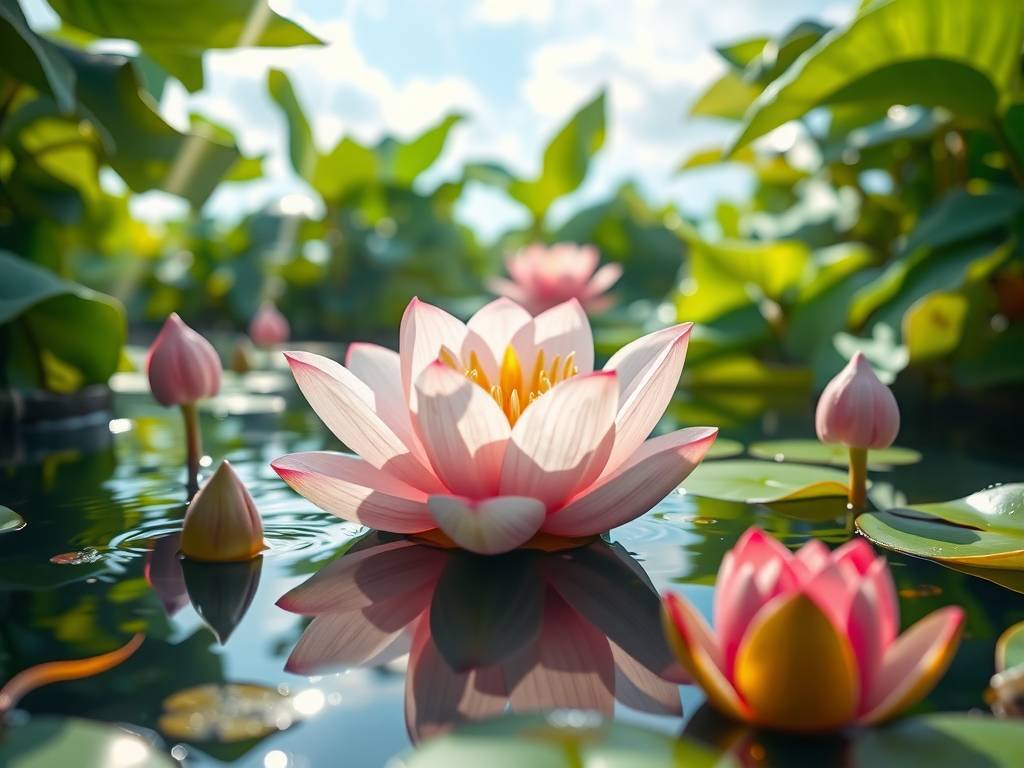
What if my garden doesn't have a full-sun spot? You have two options. First, consider growing a lotus in a large, movable container that you can place in the sunniest available spot, even if it's on a patio or driveway. Second, you may need to select a different aquatic plant better suited to partial shade, such as certain hardy water lilies. For Nelumbo nucifera, there is no true substitute for direct, all-day sun.
Are there artificial lights for lotus ponds? For indoor or heavily shaded ponds, high-intensity grow lights can supplement natural light. However, replicating the intensity and duration of full sun is challenging and energy-intensive outdoors. It is far more effective to choose a naturally sunny location. For overwintering tubers indoors, grow lights are excellent for maintaining the plant until it can return to outdoor sun.
Achieving the majestic bloom of the sacred lotus is a direct reward for understanding its fundamental need for abundant sunlight. By prioritizing a full-sun location, ensuring clear water and proper nutrition, and vigilantly managing its environment, you provide the essential conditions for rapid flower production. Remember, the lotus's stunning transformation from mud to magnificence is powered by the sun. By mastering the principle of sufficient light, you unlock the plant's full potential, turning patience and care into a summer spectacle of unparalleled beauty.