bluename
 How to Care for Lavender in Winter for More Blooms Next Year
You’ve nurtured your lavender through the spring and summer, enjoying its fragrant blooms and buzzing pollinators. But as autumn fades and the first frost threatens, a familiar worry creeps in: will my lavender survive the winter? Many gardeners face the disappointment of spring, finding their beloved plants have turned to woody, gray skeletons, never to bloom again. This common frustration stems from a simple truth: lavender is a Mediterranean plant at heart, thriving in sunny, dry, and well-drained conditions. Winter’s combination of cold, wet soil is its greatest enemy, not necessarily the freezing air itself. The good news? With the right lavender winter care strategy, you can protect your plants and ensure they reward you with a spectacular, fragrant display come next summer. This guide will walk you through every essential step, from autumn preparation to spring revival, turning winter from a threat into a period of vital rest for your plants.
Understanding Your Lavender’s Needs
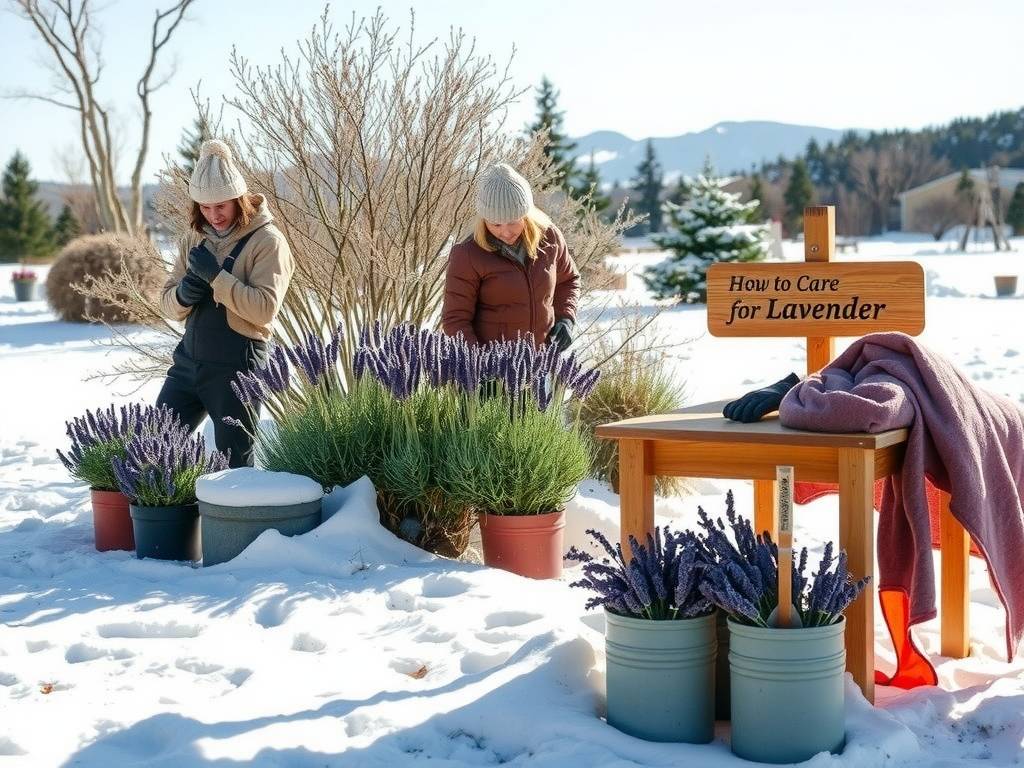
Before you act, know your plant. Not all lavenders are created equal when it comes to cold hardiness. The Royal Horticultural Society (RHS) classifies many popular varieties, noting their tolerance levels. English lavender (Lavandula angustifolia) varieties like ‘Hidcote’ or ‘Munstead’ are the most cold-hardy, often surviving winters in USDA zones 5-8 with proper care. French (L. dentata) and Spanish (L. stoechas) lavenders are far more tender, typically thriving only in zones 8-10 and requiring significant protection or indoor overwintering in cooler climates. Your first step in preparing lavender for winter is to correctly identify your variety and understand its specific limits. This knowledge is the foundation of all effective care.
The Autumn Prep: Building Resilience
The journey to a successful winter begins long before the first snowflake falls. Think of autumn care as strengthening your plant’s immune system.
- The Final, Light Trim: Avoid any hard pruning in late fall, as this stimulates tender new growth that will be killed by frost. Instead, after the last blooms fade in early fall, give your lavender a very light shaping. Remove the spent flower stalks and just a tiny bit of the green foliage, no more than one-third. The goal is to tidy the plant and prevent snow or ice from weighing down and splaying open the protective foliage mound.
- Feeding for Fortitude, Not Growth: Stop fertilizing your lavender by late summer. Fertilizer encourages soft, new growth that is highly susceptible to frost damage. Lavender thrives in moderately fertile to poor soil; its winter hardiness is enhanced when it enters dormancy naturally.
- Weed and Clear: Thoroughly clear away all fallen leaves, garden debris, and weeds from around the base of your lavender. This is a critical step in protecting lavender from frost and wet soil. Debris holds moisture against the crown (the central growing point where stems meet roots) and can harbor fungal diseases and pests over winter.
The Core of Protection: Mastering Moisture and Insulation
This is the heart of lavender winter care. Remember, “wet feet” in cold soil is a death sentence.
- Perfect Drainage is Non-Negotiable: If your lavender is in the ground, ensure the soil is exceptionally well-draining. If you have heavy clay soil, consider amending it with gravel or sharp sand when planting, or better yet, plant lavender in raised beds or mounds. For potted lavender, this is even more critical. The American Horticultural Society (AHS) emphasizes that container plants are exposed to cold on all sides. Ensure your pot has large, unobstructed drainage holes.
- The Mulching Paradox: Lavender does not benefit from traditional mulch like bark or leaves, which retain moisture. Instead, after the ground has frozen slightly, apply a thin, loose layer (1-2 inches) of coarse, inorganic material like pea gravel, crushed oyster shells, or small crushed rock around the base. This “mulch” helps prevent soil from splashing onto the plant, suppresses weeds, and, most importantly, does not trap moisture. It also absorbs daytime heat and radiates it back at night.
- Shelter from the Elements: For lavender in zones at the edge of their hardiness, or during unusually wet, harsh winters, provide a windbreak. Burlap screens or evergreen boughs placed on the windward side can shield plants from drying winter winds and heavy snow load. Do not wrap the plant tightly in plastic, as this creates a humid, stagnant environment perfect for rot.
Potted Lavender: Special Winter Considerations
Potted lavender is more vulnerable because its roots are confined. Your strategy depends on your climate.
- In Cold Climates (Zones 6 and Below): The safest method is to move the pot to an unheated but protected space like a garage, shed, or cold frame. The space should be dark, cool (ideally staying between 40-50°F / 4-10°C), and have airflow. Water very sparingly—just enough to prevent the root ball from completely desiccating, perhaps once a month.
- In Milder Climates (Zones 7-8): You can often overwinter pots outdoors by providing extra insulation. Group pots together against a sheltered, south-facing wall. Wrap the pot itself in several layers of bubble wrap, burlap, or horticultural fleece to insulate the roots. Elevate the pot on “pot feet” or bricks to ensure water drains freely from the holes.
- The Indoor Overwintering Option (For Tender Varieties): Bring French or Spanish lavender indoors before the first frost. Place it in the sunniest window possible (a south-facing one is ideal). Water only when the soil is completely dry to the touch, and do not fertilize. Indoor air is dry, which lavender prefers, but be mindful of overwatering, which is the most common cause of death indoors.
The Spring Awakening: Patience is Key
As temperatures warm, resist the urge to rush. Spring mismanagement can undo all your good winter work.
- Uncover Gradually: Remove any protective burlap or windbreaks once the threat of severe, sustained cold has passed, but be ready to cover again if a late hard frost is forecast.
- Wait for New Growth: This is the golden rule. Do not prune your lavender in early spring. Wait until you see tiny, new green shoots emerging from the woody stems at the base of the plant. This is your sign that the plant is actively growing and no longer dormant.
- The Vital Spring Prune: Once new growth is evident, typically in mid to late spring, perform your annual hard prune. Using clean, sharp shears, cut back the plant, removing about one-third of the overall growth. Never cut back into the old, bare wood that has no green shoots, as it may not regenerate. This prune shapes the plant, encourages bushy new growth, and is the single most important practice for ensuring abundant lavender blooms next season.
- Resume Care: Begin light watering as new growth accelerates. You can apply a single, light dose of a balanced, slow-release fertilizer after pruning if desired, but it is often unnecessary.
My lavender looks dead and gray after winter. Is it gone? Do not despair too quickly. Lavender is often slow to break dormancy. Scratch a small spot on a main stem with your fingernail. If you see green underneath, the stem is still alive. Be patient and wait into late spring. If no green shoots appear from the base by early summer, then the plant may have succumbed. The key is to wait for signs of life before removing it.
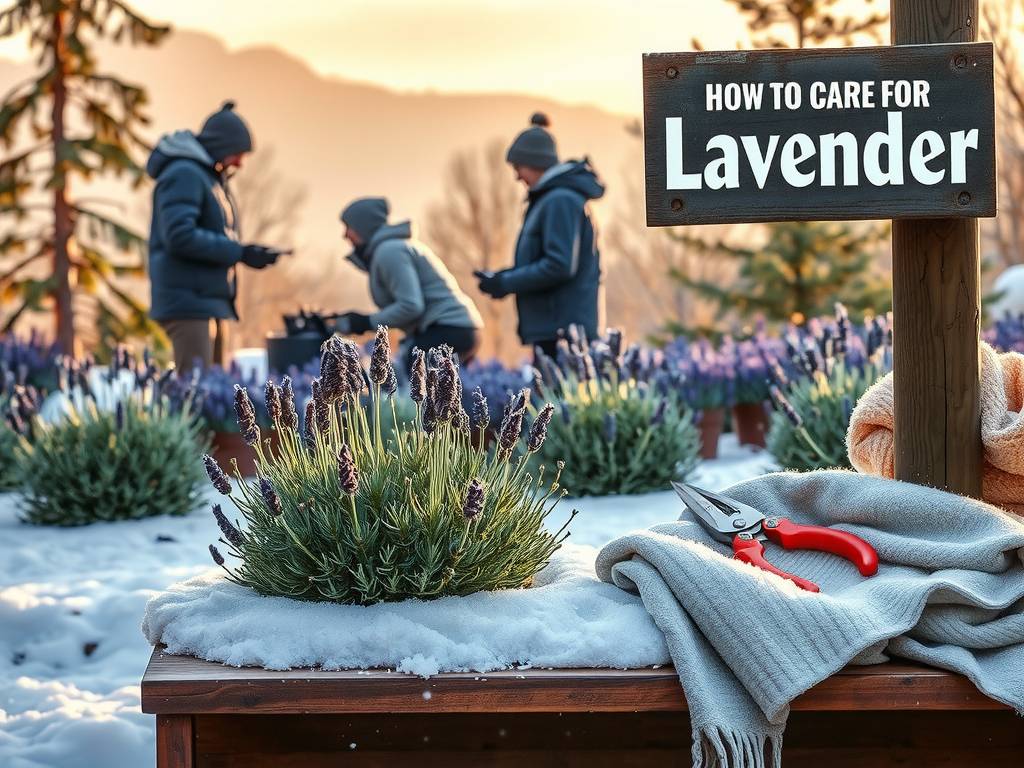
Can I just cut my lavender back hard in the fall to tidy it up? This is one of the most common and damaging mistakes. A hard fall prune removes the plant’s protective foliage and stimulates vulnerable new growth just before frost. Always save the major pruning for after you see new growth in spring. A light tidy-up in early fall is all that’s needed.
How often should I water my lavender in winter? The mantra is “when in doubt, don’t.” Lavender in the ground rarely needs winter watering. For potted lavender in a protected, unheated space, check monthly. If the soil is bone-dry several inches down and the stems seem overly brittle, give a very small amount of water to moisten the root ball slightly. Overwatering is the far greater risk.
By viewing winter not as an obstacle but as a necessary season of rest, you set the stage for unparalleled success. The steps are straightforward: ensure sharp drainage, protect the crown from wetness, provide sensible shelter from harsh winds, and exercise patience in spring. When you hear the bees buzzing around a thriving, silver-green bush covered in vibrant purple spikes next summer, you’ll know your thoughtful lavender winter care was the essential investment that made it all possible.