bluename
 How to Care for Tradescantia Pallida - Sufficient Light for Purple Leaves
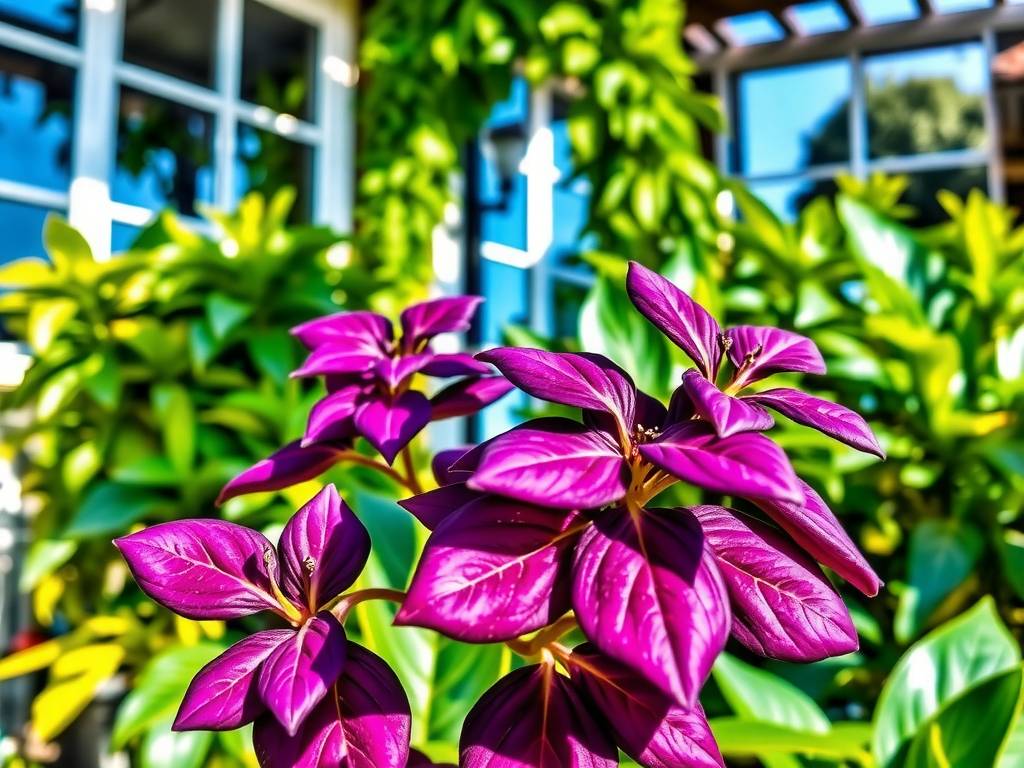
You brought home a stunning Tradescantia pallida, captivated by its deep, velvety purple leaves. But now, those vibrant purple leaves are fading to a dull green, or worse, the stems are becoming long, stretched, and sparse. This is the most common frustration for growers of this beautiful plant, often called Purple Heart or Purple Queen. The secret to unlocking and maintaining that iconic, rich purple coloration isn't a special fertilizer or a secret potion—it's mastering one crucial element: light. Providing sufficient light for purple leaves is the single most important factor in Tradescantia pallida care.
Understanding why the purple fades is the first step to fixing it. The vibrant purple, pink, and magenta hues in plants like Tradescantia pallida are produced by pigments called anthocyanins. Think of these as the plant's sunscreen and antioxidant factory. When exposed to bright light, the plant produces more anthocyanins to protect its cells from potential damage. More anthocyanins equal more intense purple color. In low light, the plant stops investing energy in producing these protective pigments, and the underlying green chlorophyll (used for photosynthesis) becomes more visible. Your plant is essentially telling you it needs more sun.
What is "Sufficient Light" for Your Purple Heart Plant?
"Sufficient light" doesn't mean a single, universal solution. It's a spectrum that directly impacts your plant's health and color. For Tradescantia pallida, we're aiming for bright, indirect light as the gold standard.
Bright Indirect Light: This is the sweet spot. This means placing your plant in a spot where it receives plenty of ambient light from a window, but the sun's rays never directly hit the foliage. An east-facing window is often perfect, offering several hours of gentle morning sun. A few feet back from a south or west-facing window (in the Northern Hemisphere) can also work well. Here, the light is strong enough to stimulate maximum anthocyanin production without the risk of scorching the leaves. You'll see compact growth and the deepest, most uniform purple color.
Direct Sunlight: Can Tradescantia pallida handle direct sun? Yes, but with important caveats. It can thrive and develop an even more intense, almost metallic purple in direct morning sunlight (2-4 hours). However, harsh afternoon direct sun, especially in hot climates or through a magnifying glass-like window, can scorch the leaves, causing bleached, brown, or crispy patches. According to the Royal Horticultural Society (RHS), many tender foliage plants benefit from morning sun but require protection from the intense midday rays to prevent leaf damage. Acclimate your plant gradually if moving it to a sunnier spot.
Low Light: This is the primary culprit for green, leggy Tradescantia pallida. In low light, the plant stretches or "etiolates," growing long distances between leaves in a desperate search for a light source. The stems become weak, the leaves smaller, and the purple color washes out to a sickly greenish-lavender. While the plant may survive in low light, it will not thrive or display its famous coloration.
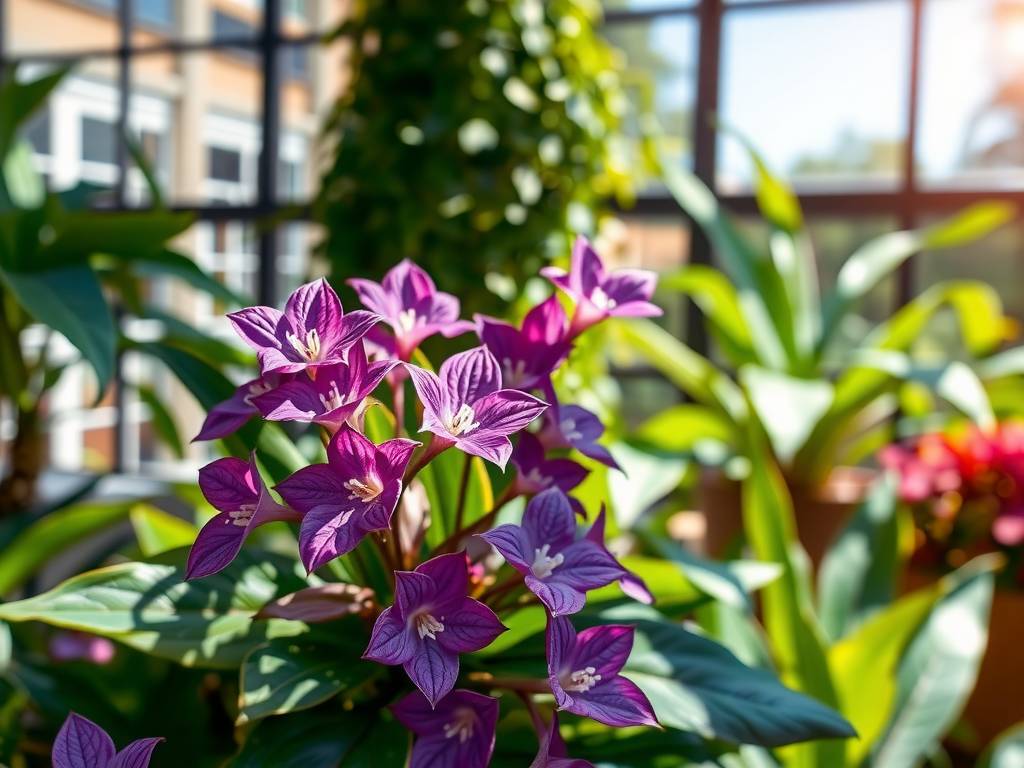
How to Measure and Optimize Light Levels
Don't guess the light—assess it. Your eyes can deceive you.
The Shadow Test: On a bright day, hold your hand about a foot above where the plant sits. Look at the shadow cast on the surface.
- A crisp, well-defined shadow indicates bright direct or indirect light.
- A fuzzy but distinct shadow indicates medium or bright indirect light.
- A very faint, barely visible shadow indicates low light—time to move your plant.
Seasonal Adjustments: Light intensity and duration change with the seasons. The perfect summer spot near a north window might become too dark in winter. Be prepared to move your plant closer to windows in the fall and winter months. Conversely, a spot that gets gentle morning sun in spring might get scorching hot afternoon sun in summer, requiring you to pull the plant back or use a sheer curtain as a filter.
Supplemental Grow Lights: If your home lacks natural bright light, full-spectrum LED grow lights are a game-changer for maintaining purple leaves. They provide the specific light wavelengths plants need for photosynthesis and pigment production. The American Horticultural Society (AHA) notes that modern LED grow lights are energy-efficient and can successfully support indoor plant growth where natural light is insufficient. Place the light 6-12 inches above the plant for 8-12 hours a day to mimic ideal conditions.
Other Care Factors That Work With Light
Light is the star, but it works with a supporting cast. Ignoring these can undermine your efforts.
Watering in Relation to Light: A plant receiving abundant light will use water much faster than one in low light. Always check the soil before watering. The "soak and dry" method is ideal: water thoroughly until it runs from the drainage holes, then allow the top inch or two of soil to dry out completely before watering again. Overwatering in low light is a fast track to root rot. Underwatering a plant in bright light will cause leaves to wilt and dry out.
Feeding for Vibrant Color: During the active growing season (spring and summer), a balanced, water-soluble fertilizer (diluted to half-strength) once a month can support healthy growth and pigment production. However, fertilizer is not a substitute for light. A well-fed plant in low light will still become green and leggy. Avoid over-fertilizing, especially in winter when growth slows.
Pruning and Pinching: This is how you build a bushy, colorful plant. Regularly pinch off the tips of the stems. This encourages the plant to branch out from lower nodes, creating a fuller, more compact appearance rather than a few long, trailing vines. Pruning also allows you to remove any green, leggy growth, encouraging the plant to put energy into new, properly colored leaves.
Common Signs of Light-Related Stress and Solutions
- Leaves Turning Green: This is a clear signal of insufficient light. Solution: Gradually move the plant to a brighter location.
- Leggy, Stretched Growth: Another sign of low light. The stems grow long with wide spaces between leaves. Solution: Increase light exposure and prune back the leggy stems to encourage bushier growth from the base.
- Brown, Crispy Patches or Bleached Leaves: This indicates leaf scorch from too much direct, harsh sunlight. Solution: Move the plant to a location with bright indirect light or filter the direct sun with a sheer curtain.
- Slow Growth or Small Leaves: While this can be related to nutrients, it's often tied to low light levels, as the plant lacks the energy to grow properly. Solution: Assess light first before increasing fertilizer.
Frequently Asked Questions
Can a green Tradescantia pallida turn purple again? Absolutely. If the leggy, green growth is due to low light, moving it to a brighter spot will stimulate the production of anthocyanins in all new growth. The existing green leaves may develop a purple tinge but will not fully transform. For the best look, you can prune away the greenest stems, and the plant will produce new, deeply colored growth from the base or remaining nodes.
How often should I rotate my Purple Heart plant? If your light source is directional (like a window), rotating the plant a quarter turn every time you water helps ensure all sides receive even light. This prevents the plant from leaning heavily toward the light source and promotes symmetrical, even coloration on all sides.
Is my Tradescantia pallida getting enough light if it's growing but not purple? Rapid, long-stemmed growth in low light is often a survival tactic, not a sign of health. It's etiolation. True healthy growth is characterized by shorter internodes (the spaces between leaves), larger leaves, and of course, that rich purple pigmentation. Growth without color is a definitive sign that the light intensity is insufficient for optimal expression of the plant's traits.
Achieving and maintaining the legendary purple leaves of Tradescantia pallida is a straightforward equation centered on light intensity. By providing bright, indirect light, you directly command the plant's internal pigment factory. Pair this with mindful watering, occasional feeding, and strategic pruning, and you'll transform a struggling, green vine into a spectacular, jewel-toned showcase of foliage. Observe your plant, listen to its visual cues, and adjust its position with the seasons. The reward is a resilient, vibrant plant that lives up to its royal names: Purple Heart and Purple Queen.