bluename
 How to Care for Peperomia Argyreia - Mastering Light Control for Vibrant Watermelon Patterns
You’ve brought home a stunning Peperomia Argyreia, captivated by its unique, silvery-striped leaves that resemble a watermelon’s rind. But weeks later, the crisp, bold patterns begin to fade. The leaves might look washed out, or the plant starts stretching awkwardly toward the light. This common frustration stems from one primary factor: incorrect light exposure. Achieving and maintaining those clear, striking watermelon patterns isn't about luck; it's a science of precise light control. This guide will demystify the process, providing you with actionable steps to ensure your Watermelon Peperomia not only survives but thrives, showcasing the vivid leaf variegation that makes it so desirable.
Understanding Your Plant’s Light Language
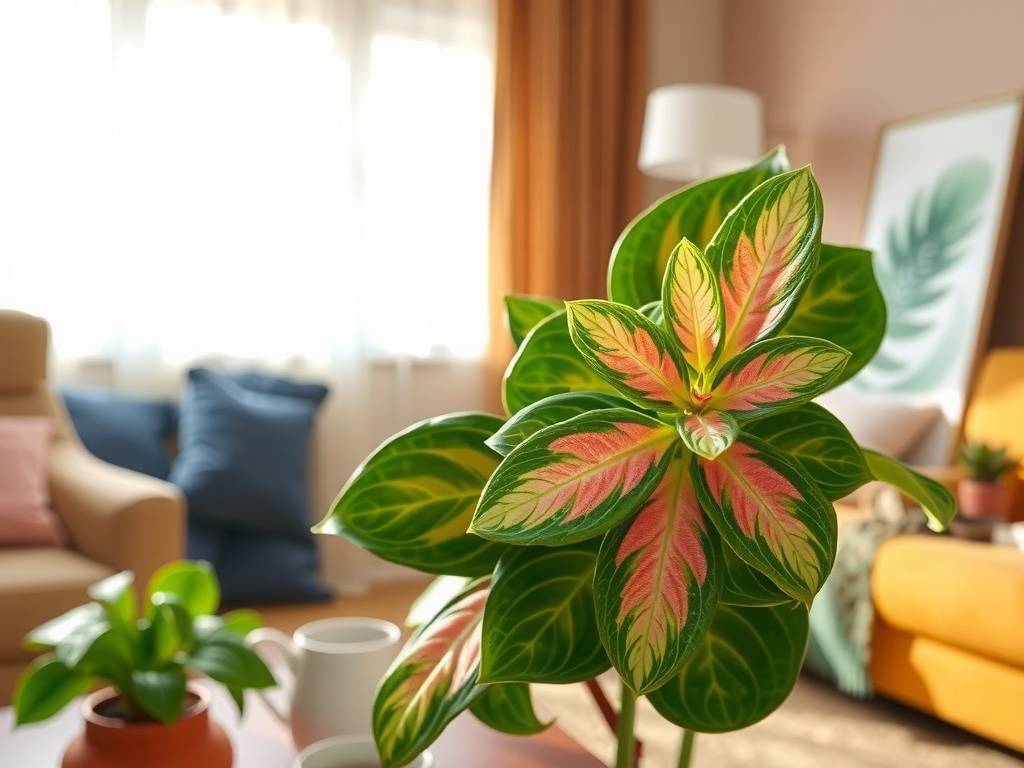
Peperomia Argyreia communicates its needs through its foliage. Learning to read these signs is the first step in mastering its care. The plant’s signature appearance depends on a delicate balance in its leaf structure. The dark green fields and shimmering silver stripes are a result of specialized cells. Insufficient light disrupts this balance, causing the plant to produce more chlorophyll (the green pigment) to capture as much energy as possible, which in turn dulls the contrasting silver variegation. Conversely, too much direct, harsh light can scorch the delicate leaves, causing brown, crispy patches that permanently mar the beautiful patterns.
The Golden Rule: Bright, Indirect Light
This is the non-negotiable cornerstone for vibrant Peperomia Argyreia patterns. But what does "bright, indirect light" truly mean in practice? Imagine light that is plentiful and fills a room, but where the sun’s rays never directly touch the leaves. An east-facing window is often ideal, offering gentle morning sun. A south or west-facing window can work perfectly if the plant is placed a few feet back from the pane or shielded by a sheer curtain. The goal is to provide the energy for photosynthesis and pattern development without the damaging heat intensity of direct beams. A simple test is the shadow test: on a sunny day, hold your hand about a foot above the plant’s leaves. A soft, fuzzy shadow indicates perfect indirect light. A sharp, defined shadow means the light is too direct.
Seasonal Light Adjustments Are Crucial
The sun’s angle and intensity change throughout the year. Your plant’s position shouldn’t be static. During the dimmer winter months, you may need to move your Peperomia Argyreia closer to a light source to compensate for shorter days. As noted in a Royal Horticultural Society (RHS) advisory on houseplant care, "Winter often requires repositioning plants to maximize available light, preventing etiolation (weak, stretched growth)." In the intense summer, you might need to pull it back further from a window or enhance filtering. This proactive seasonal shuffle is key to consistent pattern clarity year-round.
The Perils of Low Light and Direct Sun
Two extremes threaten your plant’s signature look. In low-light conditions, growth becomes leggy as the plant stretches for photons. New leaves will be smaller, spaced farther apart on the stem, and most tellingly, the silver variegation will become less pronounced, sometimes appearing more grey than metallic silver. The overall plant loses its compact, bushy vigor. Direct afternoon sun, especially through a hot window, is equally damaging. The American Horticultural Society’s heat zone guidelines remind us that indoor plants behind glass are susceptible to "solar gain," where temperatures can spike. For Peperomia Argyreia, this results in sunburn—bleached, brown, or scorched leaf spots that destroy the pattern permanently. The leaf tissue is literally cooked.
Supplementing with Grow Lights: A Controlled Solution
For homes with limited natural light, full-spectrum LED grow lights are a game-changer. They allow for perfect, consistent light control for your Watermelon Peperomia. Look for lights with a balanced white spectrum or those designed for foliage plants. Position the light 12 to 24 inches above the plant, and use a timer to provide 12-14 hours of "daylight." This method eliminates guesswork and seasonal fluctuations, creating an ideal environment for maintaining crisp variegation. It’s a reliable technique endorsed by many professional indoor gardeners for achieving predictable results.
Rotating for Even Pattern Development
Light direction influences growth. To ensure your Peperomia Argyreia develops symmetrically and that all leaves receive equal light for uniform pattern intensity, make a habit of rotating the pot a quarter turn every time you water it. This prevents the plant from leaning or "reaching" toward the light source and ensures the stunning patterns are displayed evenly on all sides.
How Light Interacts with Other Care Factors
Light doesn’t work in isolation. It’s deeply connected to your watering routine and fertilization. A plant receiving ample bright, indirect light will use water more efficiently than one in low light. Always check the soil moisture before watering; the top inch should dry out between waterings. Overwatering in low light is a fast track to root rot. Similarly, fertilize sparingly—a balanced, diluted liquid fertilizer once a month during the active growing season (spring and summer) is sufficient. Proper light ensures the plant can actually use these nutrients for robust, patterned growth. As the RHS emphasizes, "Feeding should always be in proportion to light levels and growth rate."
Troubleshooting Fading Patterns
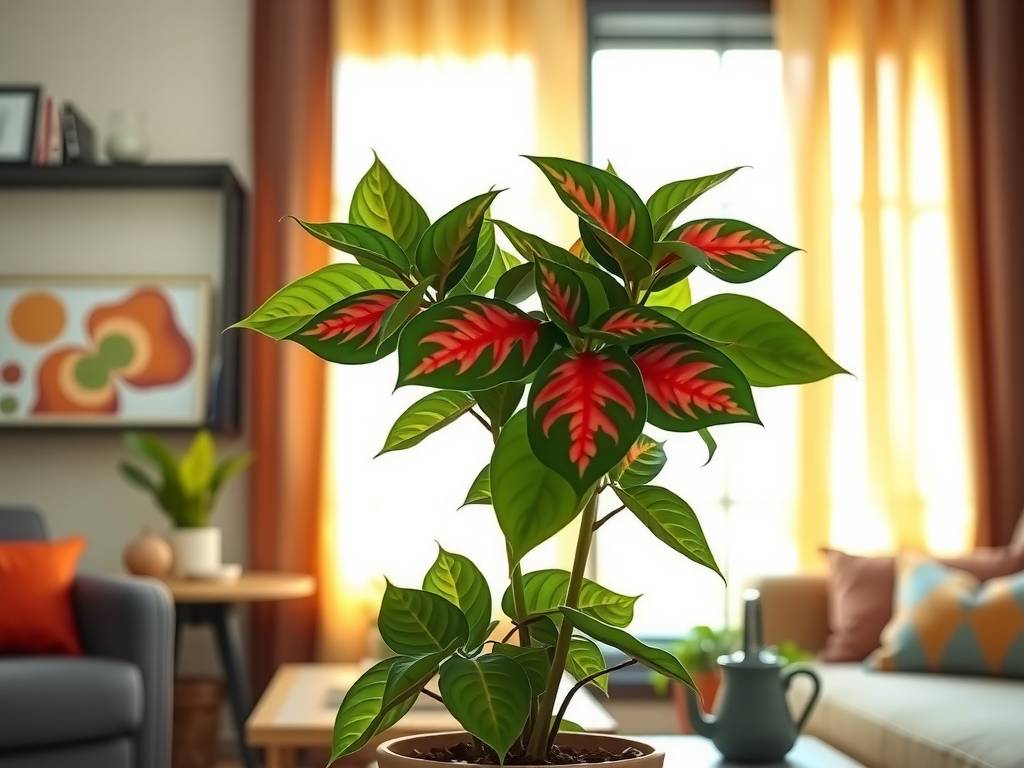
If your Peperomia Argyreia’s patterns have already faded, don’t despair. Assess its location immediately. Is it in a dark corner or in harsh sun? Gradually move it to a location that meets the bright, indirect light criteria. New growth will reveal the results. Remember, existing damaged or faded leaves will not recover their full glory, but new leaves emerging under correct conditions will develop the proper vibrant contrast. Patience is key.
Why are the edges of my Peperomia Argyreia leaves turning brown? Brown, crispy edges are typically a sign of low humidity or irregular watering, often exacerbated by too much direct heat or light. While Peperomia Argyreia doesn’t require jungle-level humidity, average home air can be dry. Ensure you’re watering when the top soil is dry and consider placing the pot on a pebble tray with water to increase local humidity. Keep it away from heating vents or air conditioners.
Can I put my Watermelon Peperomia outside in the summer? It can be risky. If you do, choose a completely shaded, sheltered spot like a covered patio. Never expose it to direct outdoor sun, which is far more intense than filtered indoor light. Also, ensure it’s brought inside well before nighttime temperatures drop below 50°F (10°C). For consistent pattern care, most experts recommend keeping it as a stable indoor plant.
How often should I repot my Peperomia Argyreia for best growth? This plant prefers to be slightly root-bound and doesn’t need frequent repotting. Repotting every 2-3 years in spring into a pot only one size larger is sufficient. Use a well-draining, airy potting mix. Repotting too often or into too large a pot can lead to soil staying wet for too long, which harms the roots and ultimately affects leaf health and variegation.
Caring for your Peperomia Argyreia to highlight its beautiful watermelon patterns is an exercise in mindful observation and adjustment. By mastering the principle of bright, indirect light—learning to provide it, recognize when it’s lacking or excessive, and supplementing it wisely—you create the foundation for a spectacularly patterned plant. Combine this with attentive watering and occasional feeding, and you’ll have a thriving, picture-perfect Watermelon Peperomia that is as healthy as it is visually striking. The reward is a living piece of art, grown by your own knowledgeable hand.