bluename
 How to Care for Peperomia Verticillata - Master Water Control to Prevent Wilting Leaves
You've brought home a beautiful Peperomia verticillata, captivated by its unique whorls of velvety leaves. But now, you're noticing something alarming—the leaves are starting to wilt, droop, or feel soft. Before you panic and reach for the watering can, stop. The most common culprit behind a struggling Peperomia verticillata isn't neglect; it's often too much love in the form of overwatering. Learning how to care for Peperomia verticillata effectively hinges on one critical skill: mastering water control. This guide will transform you from an anxious plant parent into a confident caretaker, equipped with the knowledge to prevent wilting leaves and promote a thriving, resilient plant.
Understanding Your Plant's Natural Blueprint
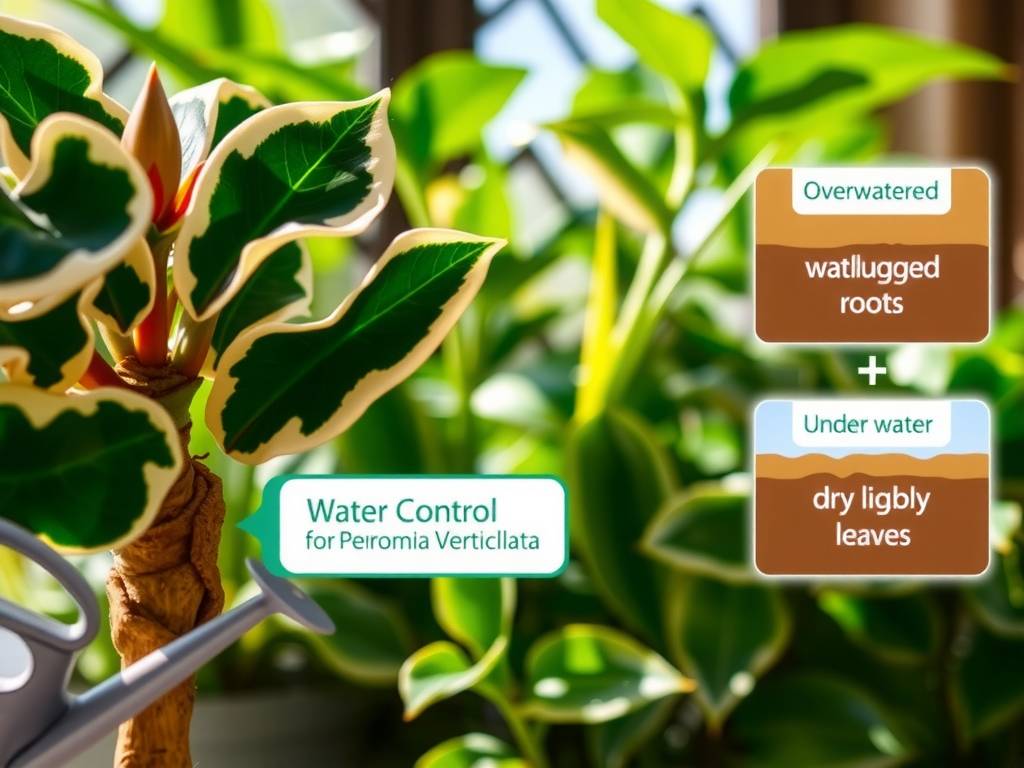
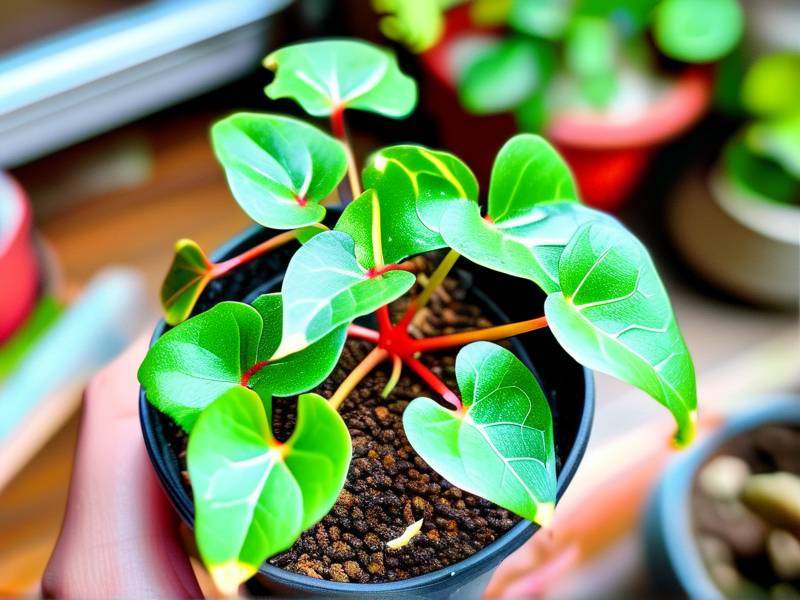
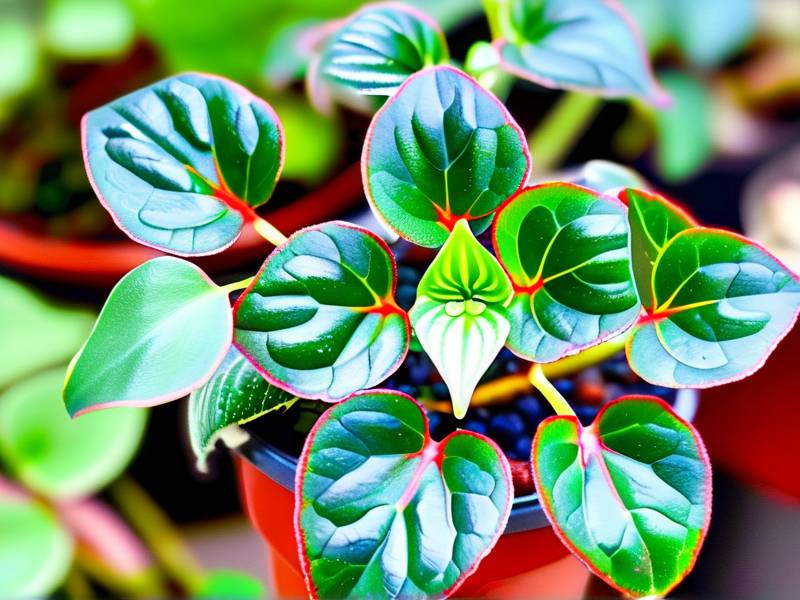
To water correctly, you must first understand what you're caring for. Peperomia verticillata, sometimes called "Red Log" due to its reddish stems, is a semi-succulent epiphyte. In its native tropical habitats, it often grows on tree bark or in loose, organic debris, not in dense, wet soil. Its fleshy leaves and stems are water storage organs, evolved to withstand periods of drought between rains. This biological fact is your most important clue: this plant is far more tolerant of dry conditions than soggy ones. Overwatering saturates the roots, cutting off their oxygen supply and leading to root rot—a silent, fast-acting killer that manifests above soil as wilting, yellowing, and leaf drop. Ironically, the symptoms of overwatering (wilting) can mimic those of underwatering, leading well-meaning owners to water even more, accelerating the decline.
The Golden Rule: When to Water Your Peperomia Verticillata
Forget the calendar. The single most effective watering technique for Peperomia verticillata is the "finger test." Here is your fail-safe method:
- Insert: Stick your index finger about 2 inches into the potting mix. For smaller pots, go down until you feel your first knuckle near the soil surface.
- Assess: Feel for moisture. Is the soil cool and damp? Or is it dry and crumbly?
- Decide: Water only when the top 2 inches of soil are completely dry. If there's any moisture or coolness, wait. It's that simple.
For a more high-tech approach, consider a wooden chopstick or a moisture meter. Insert it into the soil; if it comes out clean, it's time to water. If soil particles cling to it, hold off. The Royal Horticultural Society (RHS) emphasizes that "allowing the compost to dry out between waterings" is crucial for Peperomia species to prevent stem and root rot.
The Art of How to Water: Technique Matters Just as Much as Timing
Knowing when to water is half the battle; how you water completes it. The goal is to hydrate the root zone thoroughly without leaving the plant sitting in water.
- The Thorough Soak Method: Take your plant to the sink or use a watering can with a narrow spout. Water slowly and evenly over the soil surface until you see water freely running out of the drainage holes at the bottom of the pot. This ensures the entire root ball has been moistened.
- The Critical Drainage Step: This is non-negotiable. After watering, let the pot drain completely in the sink or on a rack for 10-15 minutes. Never let your Peperomia verticillata sit in a saucer full of water. According to the American Horticultural Society's (AHS) principles of sensible watering, "good drainage is essential" to avoid waterlogged conditions that suffocate roots.
- Bottom Watering (An Excellent Alternative): This method encourages deep root growth and prevents soil compaction. Place your pot in a shallow tray filled with about an inch of water. The soil will wick moisture up through the drainage holes. Leave it for 15-30 minutes, or until the top surface of the soil feels moist. Then, remove the pot from the tray and let it drain. This is an excellent way to prevent overwatering Peperomia plants as the soil absorbs only what it can hold.
Creating the Perfect Home: Pot and Soil for Optimal Moisture Control
Your watering efforts can be made easy or futile by your choice of pot and soil mix.
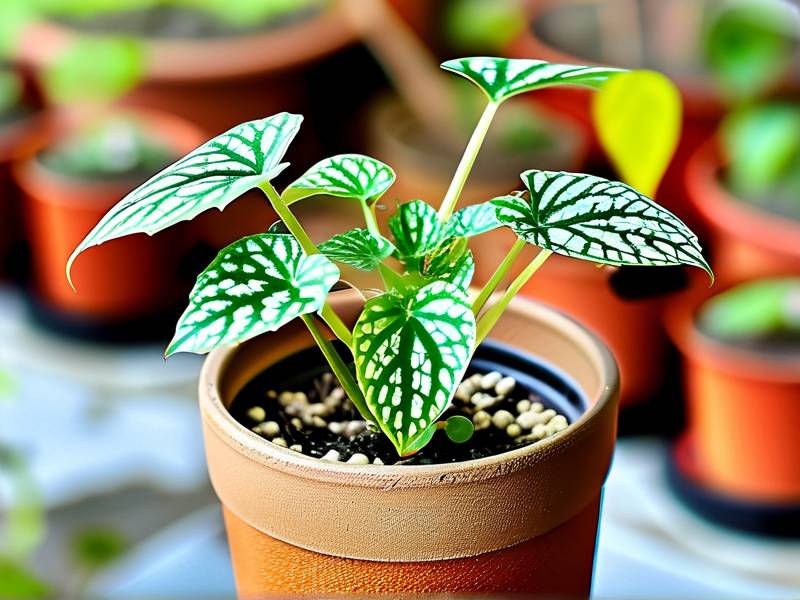
- The Pot: Always use a pot with drainage holes. Terracotta pots are ideal for beginners because they are porous, allowing soil to dry out more evenly and quickly than plastic or ceramic pots. This provides a valuable buffer against overwatering.
- The Soil Mix: Standard potting soil retains too much moisture. Create a well-draining, airy mix. A perfect soil mix for preventing root rot can be as simple as:
- 2 parts regular potting soil
- 1 part perlite
- 1 part orchid bark or coarse horticultural sand This chunky mix replicates the plant's natural epiphytic environment, providing anchorage while allowing water to drain rapidly and oxygen to reach the roots.
Environmental Factors That Influence Water Needs
Your plant's thirst isn't static. Adjust your watering frequency based on these key factors:
- Light: A plant in bright, indirect light will use water faster through photosynthesis and transpiration than one in low light. More light often means more frequent watering (but still only when the soil is dry).
- Season: Growth slows in fall and winter. Your Peperomia verticillata may need water only once every 3-4 weeks or even less during this dormant period. In the warm, bright growing season (spring and summer), it might need water every 7-10 days. Always let the soil condition, not the season, be your primary guide.
- Humidity: While it enjoys moderate humidity (40-50%), higher ambient humidity means soil evaporates more slowly. In very humid environments, extend the time between waterings.
Troubleshooting: Rescuing an Overwatered Plant
If you suspect overwatering and wilting:
- Stop Watering Immediately.
- Check the Roots: Gently remove the plant from its pot. Inspect the roots. Healthy roots are firm and white or light tan. Rotten roots are mushy, dark brown or black, and may smell foul.
- Perform Root Surgery: Using sterile scissors, cut away all rotten roots.
- Repot: Place the plant in a clean pot (the same size or slightly smaller) with fresh, dry, well-draining soil mix as described above.
- Wait: Do not water immediately. Give the plant and its potentially wounded roots a few days to adjust before performing a light watering. Then, return to the strict "finger test" regimen.
My Peperomia verticillata's leaves are wrinkled and limp, but the soil is wet. What's wrong? This is a classic sign of root rot caused by overwatering. The rotten roots can no longer absorb water, so the plant dehydrates and wilts even though the soil is moist. Follow the rescue steps above to check the roots and repot.
Can I use tap water for my Peperomia? It's best to use room-temperature rainwater, distilled water, or filtered water if possible. Peperomias can be sensitive to the salts, chlorine, and fluoride often found in tap water, which can build up in the soil and cause leaf tip burn. If you use tap water, let it sit out overnight to allow some chemicals to dissipate.
How do I know if I'm underwatering instead? Symptoms of chronic underwatering are different. The leaves will become overly dry, crispy, and may curl at the edges. The soil will be extremely dry and may pull away from the edges of the pot. The plant will look overall desiccated rather than just droopy. When you finally water, it will perk up relatively quickly, unlike an overwatered plant which continues to decline.
Mastering the care of your Peperomia verticillata is fundamentally about rethinking your relationship with the watering can. By prioritizing perfect drainage, using the touch-test to guide your schedule, and providing a gritty, airy home for its roots, you will eliminate the primary cause of wilting leaves. Observe your plant, trust the feel of the soil, and remember that when in doubt, it's always safer to wait another day. With this mindful approach to moisture, your Peperomia verticillata will reward you with steady growth and its distinctive, beautiful foliage for years to come.