bluename
 How to Care for Peperomia Caperata - Humidity Control for Stretched Leaves
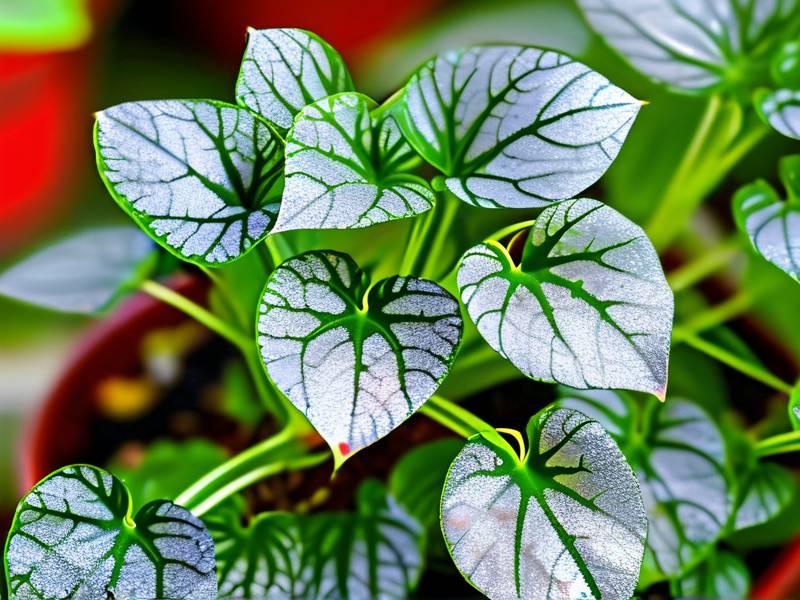
Have you noticed your beloved Peperomia caperata developing unusually long, stretched-out leaves? This common issue often leaves plant owners puzzled and concerned. The vibrant, textured foliage that defines this popular houseplant can lose its compact, bushy charm when stems elongate and leaves space out. This stretching, known as etiolation, is frequently a distress signal from your plant. While several factors can contribute, improper humidity control for stretched leaves is a primary culprit that many overlook. Understanding and managing the moisture in the air is not just a minor detail; it's a cornerstone of Peperomia caperata care for maintaining its iconic, crinkled appearance. Let's delve into why humidity matters so much and how you can create the perfect environment to keep your plant lush and compact.
Understanding Peperomia Caperata's Natural Habitat
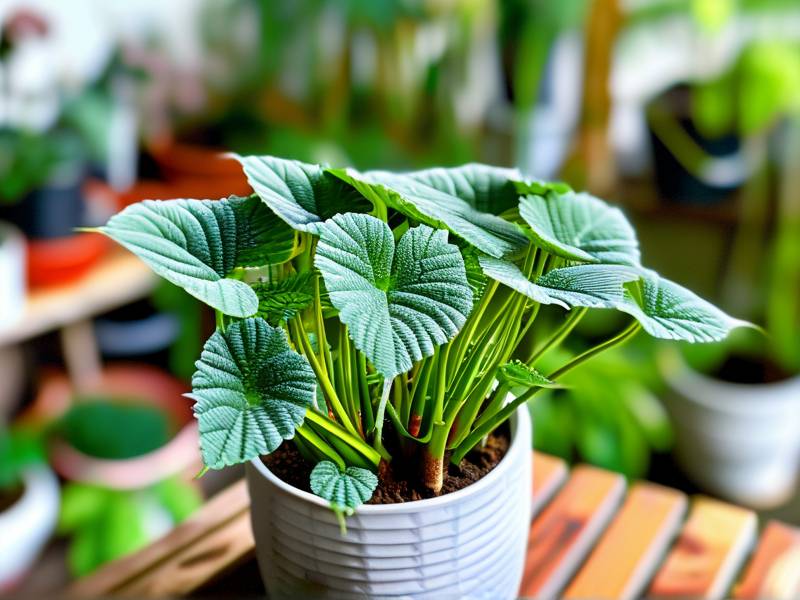
To care for any plant effectively, we must first look to its origins. Peperomia caperata, commonly called the Ripple Peperomia, is native to the tropical rainforests of Brazil. In its natural environment, it thrives as an epiphyte or terrestrial plant on the forest floor. This setting provides key clues to its needs: bright, indirect light filtered through a dense canopy, consistently warm temperatures, and crucially, high ambient humidity. The air in these rainforests is seldom dry. This constant moisture in the air allows the plant to absorb water through its leaves, supporting its growth and the health of its delicate, corrugated foliage. When we place it in a typical home environment—often with air conditioning, heating, and lower humidity levels—we create a significant gap between its ideal and actual conditions. This disparity directly stresses the plant, potentially triggering the stretched growth as it searches for better conditions.
Why Low Humidity Causes Stretched Leaves (Etiolation)
The link between dry air and elongated growth is more than just anecdotal; it's a physiological response. When a Peperomia caperata experiences low humidity, it undergoes transpiration stress. Water evaporates too quickly from its leaf surfaces. In a bid to conserve moisture and reduce surface area exposed to the dry air, the plant may alter its growth pattern. It can start stretching its stems, causing leaves to grow further apart in a process that often coincides with a search for light. However, even with perfect lighting, inadequate humidity alone can lead to weaker, elongated internodes (the spaces between leaves). The plant's energy is diverted into survival adaptation rather than producing the dense, textured foliage we adore. According to principles outlined by horticultural authorities, consistent environmental stress, including humidity deficits, compromises a plant's structural integrity and aesthetic form.
Optimal Humidity Range for a Healthy Plant
So, what is the magic number? For Peperomia caperata to truly flourish and avoid issues like stretched leaves, aim to maintain a relative humidity level between 50% and 60%. This range provides sufficient atmospheric moisture without venturing into territory that might encourage fungal diseases. You can easily monitor this with a digital hygrometer, a small investment that takes the guesswork out of plant care. It's important to note that most homes, especially during winter or in arid climates, have humidity levels between 30% and 40%. This is the zone where your caperata may begin to show signs of stress. Keeping it above 50% mimics its tropical home and is a fundamental aspect of effective humidity management for Peperomia.
Practical Methods to Increase Humidity
Thankfully, you don't need to turn your living room into a steam room. Several practical and effective methods can boost humidity right around your plant.
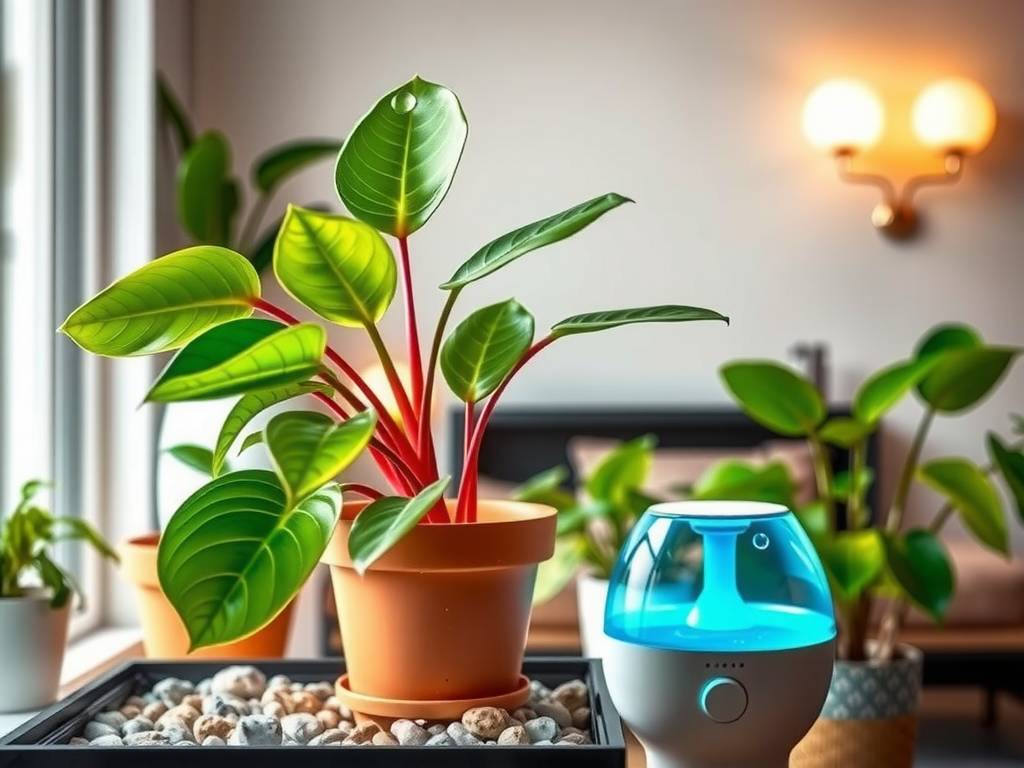
The Pebble Tray Method This is a classic, low-tech solution. Simply take a shallow tray, fill it with small pebbles or gravel, and add water until it sits just below the top of the stones. Place your potted Peperomia on top, ensuring the pot's drainage holes are not sitting in water. As the water evaporates, it creates a localized pocket of humid air directly around the foliage. Remember to refill the tray as the water evaporates.
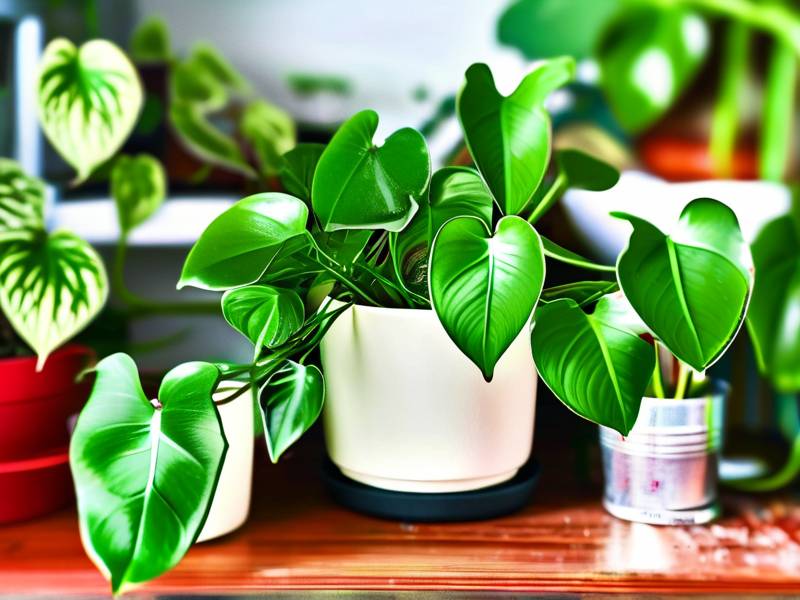
Grouping Plants Together Plants are natural humidifiers. By grouping your Peperomia caperata with other humidity-loving plants (like ferns, calatheas, or philodendrons), you create a microclimate. Their collective transpiration raises the moisture level in the immediate vicinity, benefiting all the plants involved. It’s a beautiful and functional way to display your collection.
Using a Humidifier For the most reliable and consistent control, a room humidifier is the gold standard. It allows you to set a desired humidity level and maintain it automatically. This is particularly recommended if you have multiple tropical plants or live in a very dry climate. Place the humidifier nearby, but avoid misting the foliage directly with intense output, as constant wet leaves can lead to rot.
Misting: A Note of Caution Light, occasional misting can provide a temporary humidity boost. However, it is not a long-term solution, as the effect dissipates quickly. More importantly, frequent misting can leave water droplets on the dense foliage of the caperata, which may not dry quickly and could invite fungal or bacterial issues. Most expert sources, including the American Horticultural Society, advise that while misting isn't harmful if done sparingly, it should not be relied upon as a primary humidity strategy.
Correcting Light to Work with Humidity
Humidity and light work in tandem. A Peperomia receiving insufficient light will stretch (etiolate) as it reaches for a light source. This stretching is compounded by low humidity. Ensure your plant receives plenty of bright, indirect light. An east-facing window is often ideal. If natural light is limited, consider supplementing with a grow light placed 12-18 inches above the plant for 10-12 hours a day. Adequate light ensures the plant grows compactly, and when paired with good humidity, the leaves will be strong, closely spaced, and deeply textured.
Signs Your Humidity Strategy is Working
How will you know you've gotten it right? Within a few weeks of stabilizing the environment, you should observe positive changes. New growth will emerge more compact, with shorter spaces between leaves. The leaves themselves will appear firmer, with a more pronounced ripple texture, and exhibit a richer, deeper green or red hue, depending on the variety. The overall plant will look bushier and more vigorous, rather than leggy and sparse. This is the true hallmark of successful care for Peperomia caperata stretched leaves—addressing the root cause for a lasting solution.
Can I prune the stretched stems on my Peperomia caperata? Absolutely. Pruning is an excellent way to encourage bushier growth. Using clean, sharp scissors, you can trim back leggy stems to just above a leaf node. The plant will often respond by producing new growth from that node, leading to a fuller appearance. You can even propagate the cuttings in water or soil to create new plants.
Will moving my plant to the bathroom provide enough humidity? Bathrooms can be great spots for humidity-loving plants due to steam from showers. However, they must also have adequate bright, indirect light. A dark bathroom will cause other problems. If your bathroom has a window, it could be a perfect location. If not, the humidity boost may not outweigh the lack of light.
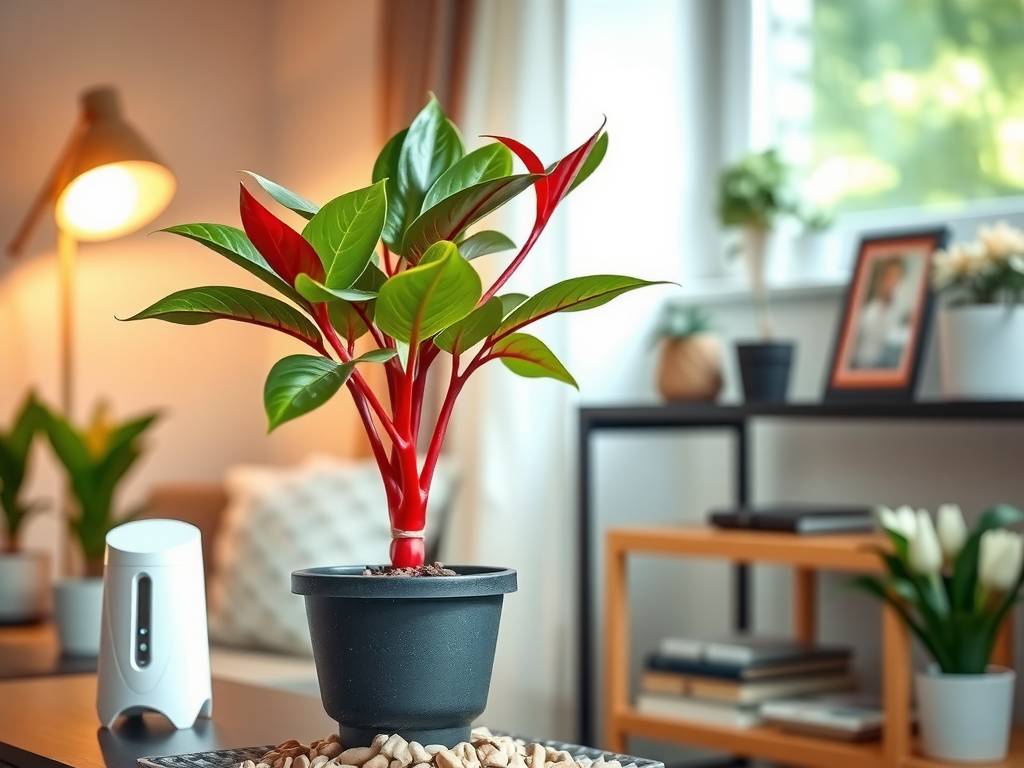
How often should I water when humidity is high? This is a critical adjustment. In higher humidity, the soil will retain moisture longer because the plant loses less water through its leaves. Therefore, you must water less frequently. Always check the soil moisture before watering—the top inch should feel dry to the touch. Overwatering in a high-humidity setup is a common mistake that can lead to root rot.
Creating the right environment for your Peperomia caperata is a rewarding journey. By focusing on consistent, moderate to high humidity alongside proper lighting, you directly address the core cause of stretched, elongated leaves. The transformation from a stressed, leggy plant to a vibrant, compact specimen is a clear testament to your attentive care. Embrace these methods, observe your plant's responses, and enjoy the lush, textured beauty of a truly happy Peperomia caperata.