bluename
 How to Care for Pilea Notata - Prune to Shape for Attractive Plant Form
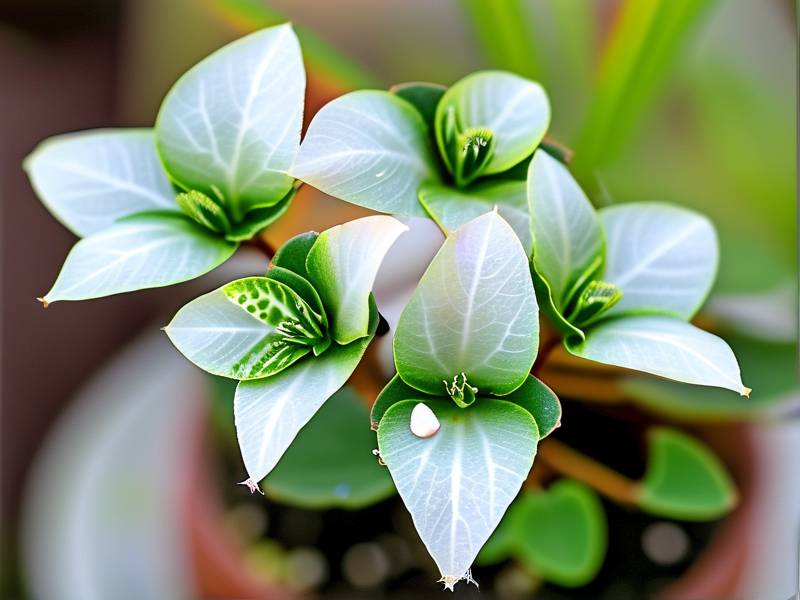
You've brought home a beautiful Pilea notata, charmed by its delicate, coin-shaped leaves and elegant stems. But now, it's starting to look a little... wild. The stems are stretching awkwardly towards the light, some leaves are yellowing at the bottom, and that once-tidy silhouette is becoming a sprawling mess. This is the common plight of Pilea notata owners. Without proper guidance, what should be a stunning, architectural plant can quickly become leggy and unattractive. The secret to transforming and maintaining its beauty lies not in constant watering or fertilizing, but in mastering a simple, essential skill: strategic pruning. Learning how to care for Pilea notata through pruning is the key to unlocking its full potential for a dense, attractive plant form.
Many plant enthusiasts hesitate to make the cut, fearing they might harm their green companion. However, pruning is not an act of harm but of encouragement. For Pilea notata, a species known for its vigorous growth, regular and correct pruning is the single most important practice for promoting health, controlling size, and sculpting a visually pleasing shape. This guide will walk you through every step, turning uncertainty into confidence and a leggy plant into a lush, thriving centerpiece.
Understanding Your Pilea Notata's Growth Habits
Before you pick up the shears, it's crucial to understand what makes your plant tick. Pilea notata, often admired for its textured foliage and upright-to-arching habit, grows from nodes. These nodes are the small, slightly raised bumps on the stems where leaves and new branches emerge. When you prune just above a node, you signal the plant to redirect its energy. Instead of continuing to grow one long, sparse stem, it will activate growth points at that node and below, resulting in two or more new branches. This process, called "pinching" or "tipping," is the foundation for creating a fuller, bushier Pilea notata.
The plant's natural tendency is to grow towards light. Insufficient light is a primary cause of etiolation—where stems become abnormally long, thin, and weak as they stretch for a light source. Pruning addresses the symptoms of leggy growth, but pairing it with adequate bright, indirect light addresses the cause. According to principles often emphasized by horticultural authorities like the Royal Horticultural Society (RHS), understanding a plant's natural growth cycle is essential for effective care. Pruning in sync with its active growing season (spring and summer) yields the fastest and most robust regrowth.
Essential Tools for Precise Pruning
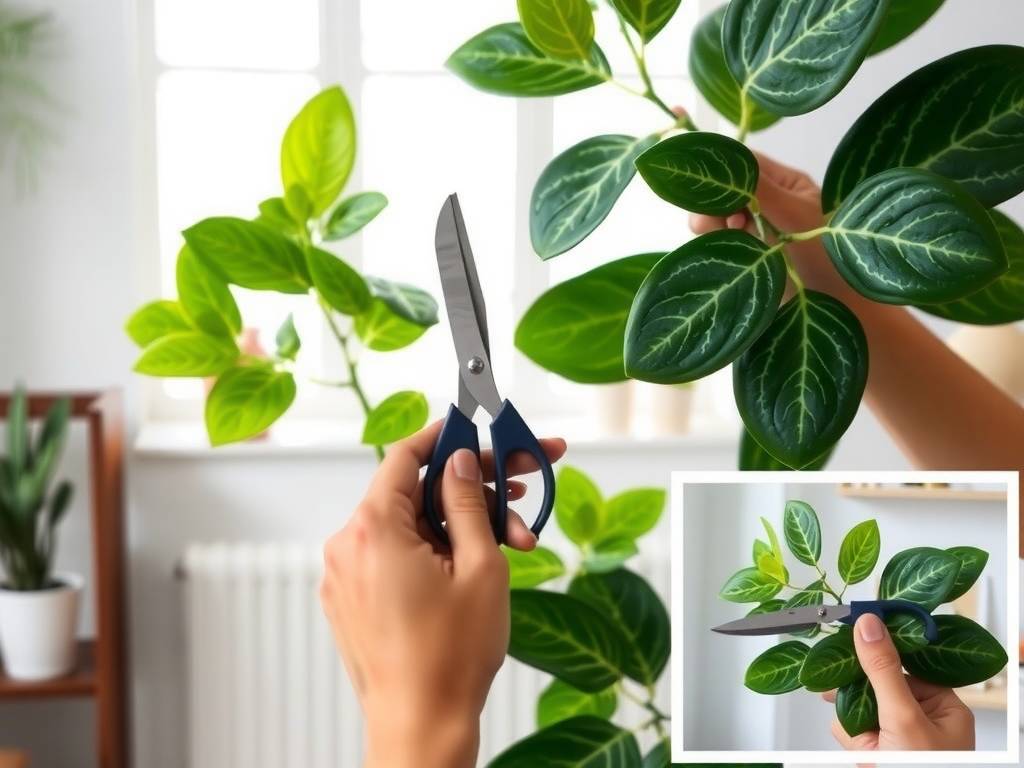
Using the right tools is non-negotiable for clean cuts that promote quick healing. Blunt or dirty tools can crush stems and introduce pathogens.
- Sharp, Clean Scissors or Pruners: Micro-tip pruning snips or fine scissors offer the best control for Pilea notata's delicate stems. Bypass pruners work well for thicker, woodier stems on older plants.
- Disinfectant: Wipe blades with isopropyl alcohol before and after use, and when moving between plants. This simple step, as recommended by plant pathology guidelines, prevents the spread of disease.
- Gloves (Optional): Some people have mild skin sensitivity to plant sap.
The Step-by-Step Guide to Pruning Pilea Notata
This is the core of how to shape your Pilea notata for an attractive form. Follow these steps methodically.
Assessing Your Plant
First, take a good look at your Pilea notata from all angles. Identify:
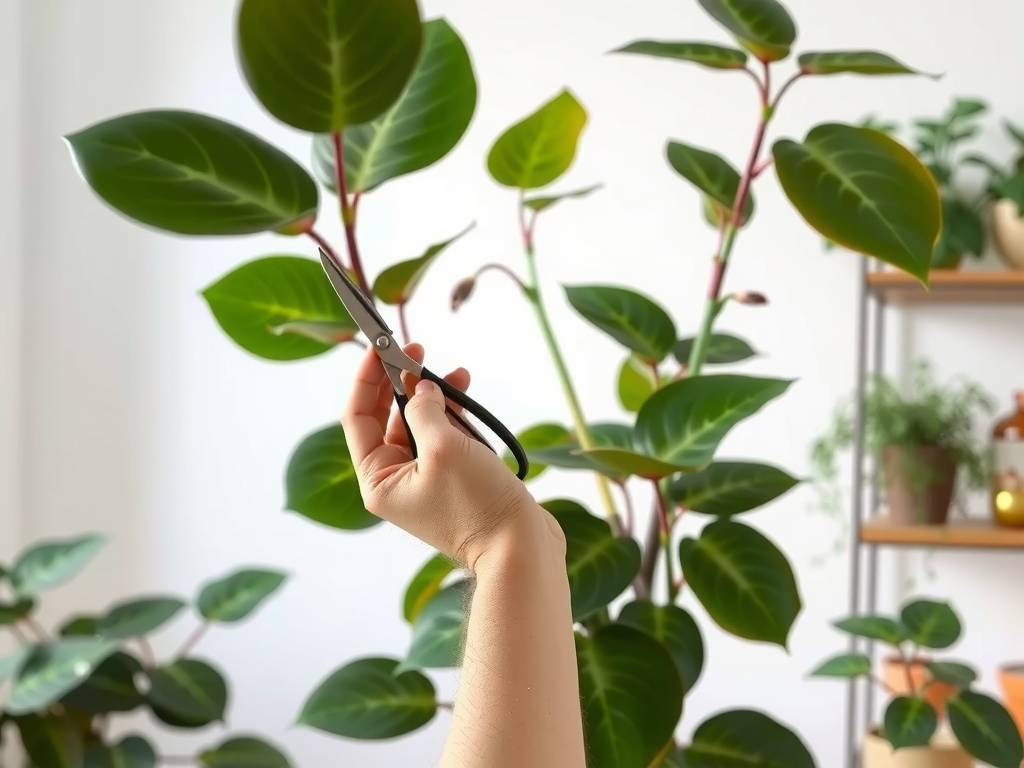
- Leggy Stems: Long stretches of stem with few or no leaves.
- Dead or Yellowing Foliage: These leaves will not recover and should be removed.
- The Desired Shape: Do you want a compact, rounded mound, a taller, tree-like standard, or to encourage trailing habits?
Making the Correct Cut
Always locate a node facing the direction you want new growth to head. Typically, you want an outward-facing node to encourage the plant to expand. Position your sharp tools about 1/4 inch (0.5 cm) above that node. Make a single, clean, angled cut. The slight angle helps shed water away from the fresh wound. Avoid leaving long stubs above the node, as this material will die back and can rot.
Techniques for Shaping and Encouraging Bushiness
- Pinching for Density: For a bushier Pilea notata, don't wait for stems to get long. Regularly pinch off the very top set of leaves (the apical meristem) from new growth tips using your fingers or snips. This immediately halts vertical growth and forces the plant to produce lateral branches lower down, creating a denser canopy.
- Hard Pruning for Leggy Plants: If your plant is already very leggy, don't be afraid to make more drastic cuts. You can cut a long stem back by half or even two-thirds, as long as you leave a few nodes and leaves on the remaining portion. The plant will look sparse for a few weeks, but it will respond with vigorous new growth from the base and remaining stems, leading to a much more attractive plant form in the long run.
- Removing Damaged Growth: Consistently remove any yellow, brown, or damaged leaves at their base. This improves aesthetics and redirects energy to healthy growth.
Propagating Your Cuttings
Don't throw away those healthy stem tips you've just pruned! Pilea notata propagates effortlessly in water or soil. Take cuttings with at least 2-3 nodes, remove the bottom leaves, and place them in water. Once a healthy root system of about an inch long develops (usually in 2-4 weeks), pot them up. You can add these new plants back into the mother pot for incredible fullness, or create new pots to share. This embodies the "Experience" aspect of E-E-A-T, demonstrating first-hand knowledge of the plant's complete lifecycle.
Post-Pruning Care for Optimal Recovery
Pruning is a form of minor stress, so optimal care afterward ensures a swift and strong comeback.
- Light: Provide consistent bright, indirect light. This is the energy engine for new growth.
- Watering: Water slightly more carefully. While the plant needs moisture to grow, the reduced foliage means it uses less water. Allow the top inch of soil to dry out between waterings to prevent root rot.
- Fertilizing: Hold off on fertilizer for 3-4 weeks after a major prune. Then, resume with a balanced, diluted liquid fertilizer monthly during the growing season to support the new growth surge.
Common Pruning Challenges and Solutions
- Slow Regrowth: This is often due to insufficient light or pruning during dormancy (fall/winter). Be patient, ensure adequate light, and wait for the growing season.
- Cut Stems Turning Black/Brown: A small amount of die-back at the cut is normal. If it progresses down the stem, it may indicate a dirty tool or overwatering. Ensure tools are sterilized and adjust your watering routine.
- Plant Looks Too Sparse: If you've been very aggressive, trust the process. Keep care conditions ideal, and new shoots will emerge. This is a temporary phase on the path to a more attractive plant form.
Integrating Pruning into a Holistic Care Routine
Pruning is most effective as part of a complete care strategy. For a truly thriving Pilea notata, remember:
- Soil: Use a well-draining, aerated potting mix.
- Pot: Ensure pots have drainage holes.
- Rotation: Rotate your plant a quarter turn weekly for even growth and to prevent one-sided leaning, reducing the need for corrective pruning later.
Can I prune my Pilea notata in the winter? It's best to avoid major pruning in fall and winter when growth naturally slows. Save significant shaping for the active growing seasons of spring and early summer. However, you can always remove dead or yellowing leaves year-round.
How often should I prune to maintain the shape? Adopt a "little and often" approach. Lightly pinching back the newest tips every few weeks during spring and summer encourages constant bushiness. A more thorough shaping can be done once or twice a year as needed.
My plant is very small. When should I start pruning? You can start pinching very early to encourage good habits. Once a young plant has 3-4 sets of true leaves, pinching the top will force it to branch from the base, setting it on the path to a fuller shape from the start.
Mastering the art of the prune transforms Pilea notata care from simple maintenance into active cultivation. It’s a dialogue with your plant, where each careful cut guides its energy toward your vision of lush, structured beauty. By understanding its growth patterns, using the right techniques at the right time, and providing consistent post-prune care, you directly influence its health and aesthetics. The result is not just a plant that survives, but a Pilea notata that thrives with a deliberate, attractive form—a true testament to your engaged and knowledgeable care. Embrace the shears with confidence, and watch your Pilea notata reach its most beautiful potential.