bluename
 How to Care for Wax Begonia: Watering Tips to Avoid Leaf Rot
You’ve brought home a stunning wax begonia, drawn in by its glossy, vibrant leaves and cheerful blooms. It seems like the perfect, low-maintenance plant to brighten your space. Yet, within weeks, you might notice those beautiful leaves developing unsightly brown, mushy spots or yellowing edges. The plant looks sad, and you’re left wondering what went wrong. More often than not, the culprit is improper watering. Mastering how to water your wax begonia is the single most critical skill to prevent leaf rot and ensure a thriving, long-lasting plant. This guide will provide you with expert, step-by-step watering techniques to keep your begonia healthy from root to leaf.
Understanding Your Wax Begonia’s Needs
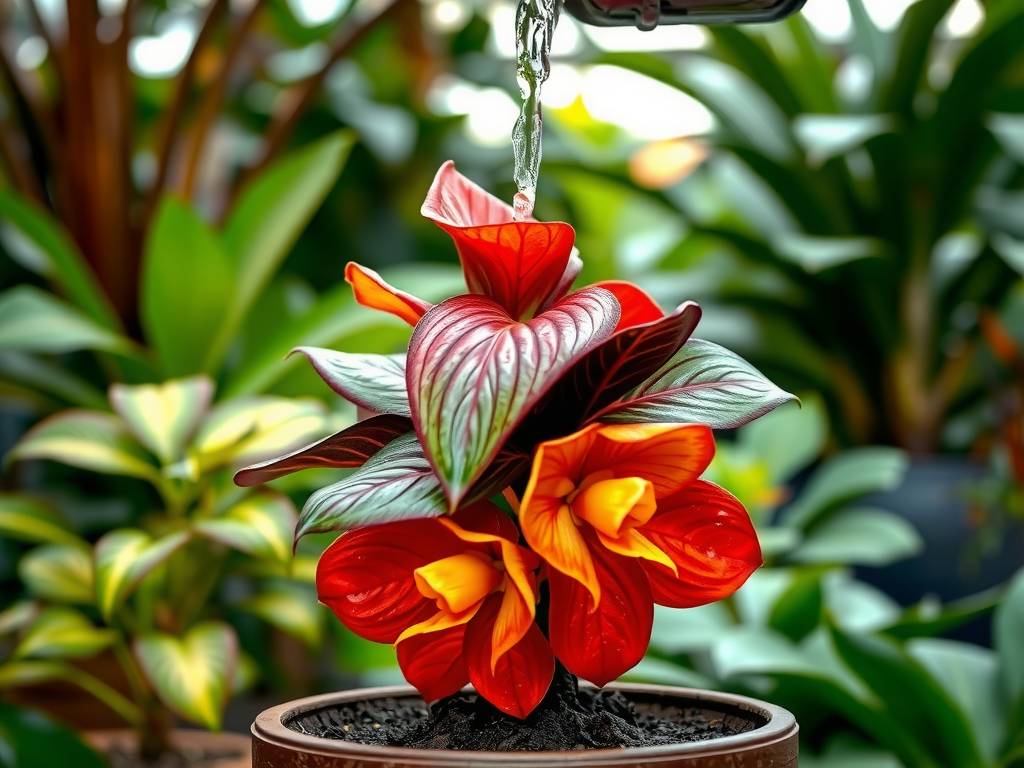
Wax begonias (Begonia semperflorens) are popular for their resilience, but they have specific preferences rooted in their physiology. Their succulent-like stems and waxy leaves store water, making them moderately drought-tolerant but highly susceptible to overwatering. The goal is to mimic the brief drying periods they would experience in their natural environment, preventing constant moisture that invites fungal pathogens like Pythium and Botrytis, the primary causes of root and stem rot.
The Golden Rule: Check, Don’t Schedule
Forget watering on a fixed schedule (e.g., every Tuesday). Your plant’s water needs change with light, temperature, humidity, and pot size. The only reliable method is to physically check the soil moisture.
The Finger Test Method: Insert your index finger about 1-2 inches into the soil. If the top 1-2 inches feel completely dry, it’s time to water. If you feel any moisture or coolness, wait another day or two and check again. For a More Precise Approach: Use a wooden chopstick or a moisture meter. Insert it into the soil; if it comes out clean and dry, water. If soil particles cling to it, hold off.
Perfecting Your Watering Technique
How you water is just as important as when. The right technique delivers water to the roots while keeping foliage and stems dry.
Thorough Soaking: When it’s time to water, do so thoroughly. Slowly pour room-temperature water onto the soil surface, moving around the pot until you see water freely draining from the bottom drainage holes. This ensures the entire root ball is hydrated and encourages deep root growth. The “Bottom Watering” Alternative: This is an excellent method to keep leaves dry. Place your pot in a saucer or basin filled with 1-2 inches of water. Let the soil absorb moisture from the bottom for 15-30 minutes, then remove the pot and let any excess water drain away completely. Never let the plant sit in a saucer of standing water. Immediate Drainage is Non-Negotiable: As emphasized by the American Horticultural Society (AHS), “Ensuring free drainage is the first defense against root diseases.” Always use pots with adequate drainage holes. After watering, empty the cachepot or saucer within 15 minutes. Soggy, airless soil is a death sentence for begonia roots.
Optimizing the Environment for Success
Watering doesn’t happen in a vacuum. Your plant’s environment directly impacts how quickly soil dries.
Choosing the Right Soil: A well-draining, peat-based or coir-based potting mix is essential. Many experts, including those contributing to Royal Horticultural Society (RHS) guidelines, recommend adding perlite or coarse sand to a standard potting mix to improve aeration and drainage. This creates air pockets, preventing soil compaction and waterlogging. Selecting an Appropriate Pot: Terracotta or clay pots are ideal for wax begonias as they are porous, allowing soil to dry more evenly from the sides. If using plastic or ceramic, be extra vigilant with your finger test, as these materials retain moisture longer. Ensure the pot is not excessively large; too much soil holds unnecessary water around a small root system. Light and Airflow: A wax begonia in bright, indirect light will use water more efficiently than one in low light. Good air circulation around the plant helps evaporate excess moisture from the soil surface and leaf surfaces, discouraging fungal growth. Avoid placing plants in stagnant, humid corners.
Troubleshooting: Signs You’re on the Wrong Track
Learn to read your plant’s signals. Early intervention can save it.
Signs of Overwatering (Leading to Rot):
- Leaf Rot: Soft, brown, or black spots on leaves, often starting at the base or edges. Leaves may become mushy.
- Yellowing Leaves: Lower, older leaves turning yellow and dropping.
- Wilting with Wet Soil: A paradox where the plant wilts but the soil is damp. This indicates root rot—the roots are damaged and cannot take up water.
- Fungal Growth: White, fuzzy mold on the soil surface.
Signs of Underwatering:
- Crispy, Dry Leaves: Leaves become dry, brittle, and may develop brown, crispy edges.
- Overall Drooping: The plant wilts, but the soil is bone dry. It will typically perk up within hours of a thorough watering.
- Stunted Growth and Fewer Blooms: The plant conserves energy, halting growth and flower production.
If you suspect overwatering and root rot, act fast. Remove the plant from its pot, gently wash away the soil, and inspect the roots. Healthy roots are firm and white or light tan. Rotten roots are dark brown/black, mushy, and may smell foul. Prune all affected roots and stems with sterile scissors and repot into fresh, dry, well-draining soil. Water very lightly at first.
Frequently Asked Questions
Can I mist my wax begonia to increase humidity? It’s generally not recommended. Misting directly wets the foliage, which can promote fungal leaf spots and rot, especially if water sits in the crown of the plant. To safely increase humidity, use a pebble tray filled with water placed beneath the pot (ensuring the pot sits on the pebbles, not in the water) or a room humidifier.
What type of water is best for wax begonias? They prefer room-temperature water. If your tap water is very hard or heavily chlorinated, letting it sit out for 24 hours before use can allow some chemicals to dissipate. Rainwater or distilled water is an excellent choice if you have it available, as it prevents salt buildup in the soil that can tip the roots.
My begonia’s leaves are dropping. Is this always a watering issue? While watering is the most common cause, leaf drop can also result from sudden temperature changes, cold drafts, or extreme low light. Assess the plant’s overall environment. If the leaves are yellowing and dropping, check for overwatering. If they are dry and crispy before falling, consider underwatering or low humidity.
Caring for a wax begonia successfully hinges on a simple but profound shift: from watering by the calendar to watering by the condition of the soil. By adopting the “check, don’t schedule” mantra, employing thorough yet careful techniques like bottom watering, and pairing this with a well-draining soil mix and pot, you create an environment where leaf rot struggles to take hold. Your reward will be a robust plant with glossy, unblemished foliage and a prolific display of flowers, proving that the best plant care is attentive, informed, and responsive to the subtle cues your begonia provides.