 bluename
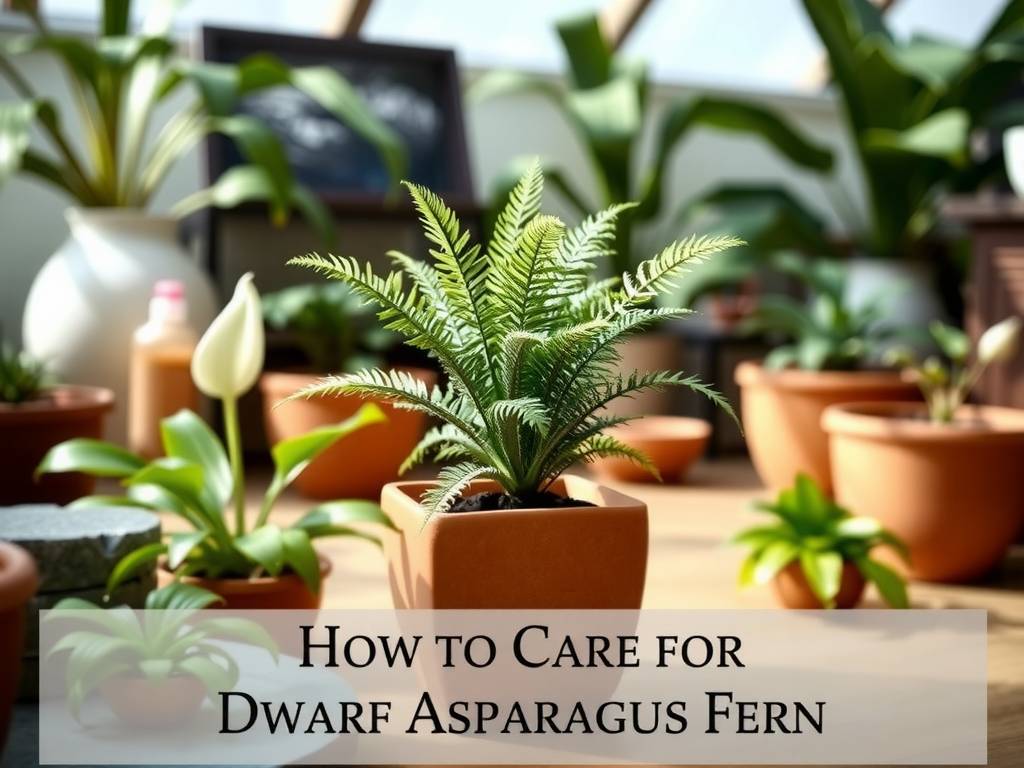
 How to Care for Dwarf Asparagus Fern: Mastering Water Control to Prevent Leggy Growth
You brought home a beautiful, compact dwarf asparagus fern, envisioning a lush, feathery mound of greenery. But instead, you're now watching it stretch out, becoming thin, sparse, and frankly, a bit awkward-looking. This frustrating transformation, known as "leggy" growth, is the number one complaint among dwarf asparagus fern owners. The good news? In most cases, you are not dealing with a lack of light, but a classic case of improper watering. Learning how to care for your dwarf asparagus fern with precise water control is the ultimate secret to preventing that leggy, unattractive growth and maintaining its desirable, dense form.
This guide will transform you from a frustrated plant owner into a confident caretaker. We'll move beyond vague advice and delve into the why and how, giving you a clear, actionable system. By mastering the balance of moisture, you'll not only stop leggy growth in its tracks but also promote a healthier, more resilient plant.
Understanding the Link: Water, Roots, and Stem Growth
To solve the leggy growth puzzle, we must first understand the plant's natural response. The dwarf asparagus fern (Asparagus densiflorus 'Sprengeri' or Asparagus aethiopicus), despite its common name, is not a true fern but a member of the lily family. Its tuberous roots are designed to store water.
When you overwater consistently, the soil remains perpetually soggy. This creates a hostile environment for the roots, limiting their ability to absorb oxygen and function properly. The plant, in a stressed state, directs its energy away from producing full, bushy foliage at its base and instead pushes out elongated, weak stems in a desperate search for drier conditions or more light—even if light levels are technically sufficient. This results in the characteristic leggy appearance: long gaps between leaf clusters (called cladodes) on thin, sprawling stems.
Conversely, underwatering causes its own stress, leading to yellowing and crispy foliage, but it is the chronic cycle of overwatering that is the primary architect of a leggy dwarf asparagus fern.
The Golden Rule: Water Deeply, Then Let It Dry
The cornerstone of preventing leggy growth is abandoning a calendar-based schedule. Your fern does not care that it's Tuesday. It cares about soil moisture. The goal is to mimic the natural cycle of a hearty drink followed by a period of drought that its tuberous roots are adapted for.
Here is your actionable watering check:
- The Finger Test: Insert your index finger about 2 inches into the soil. This is the most reliable, low-tech method recommended by horticulturalists.
- The Decision Point: If the top 2 inches of soil feel completely dry to the touch, it's time to water. If you feel any moisture or coolness, wait and check again in a few days.
- The Right Technique: When watering, do so thoroughly. Pour water evenly over the soil until you see it freely running out of the drainage holes at the bottom of the pot. This ensures the entire root ball, including those water-storing tubers, receives moisture. Crucially, always empty the saucer or cache pot of any excess water 15-20 minutes after watering. Letting the pot sit in water is "wet feet" and a direct cause of root stress and leggy growth.
Optimizing Your Environment for Success
Watering doesn't happen in a vacuum. Three other factors directly influence how quickly your soil dries and how your plant utilizes water, thereby impacting leggy growth.
Choosing the Right Soil and Pot The perfect soil for a dwarf asparagus fern is airy and fast-draining. A standard potting mix is often too moisture-retentive. The Royal Horticultural Society (RHS) advises amending potting mix with perlite or coarse sand to improve drainage for plants susceptible to root issues. A good recipe is two parts quality potting mix to one part perlite.
The pot is equally important. It must have drainage holes. Terracotta pots are excellent for asparagus ferns as they are porous, allowing soil to dry more evenly from the sides, reducing the risk of overwatering. Ensure the pot is only 1-2 inches larger in diameter than the root ball; too much soil holds excess water the roots can't reach.
The Role of Light in Conjunction with Water While water is the primary lever, light is its partner. Your dwarf asparagus fern thrives in bright, indirect light. In lower light conditions, the plant's metabolism slows, and it uses water much more slowly. If you continue watering at a "bright light" pace in a low-light setting, you create waterlogged soil—the fast track to leggy growth. Provide ample light to support robust growth and help the soil dry appropriately between waterings.
Humidity: A Supporting Actor These plants appreciate moderate to high humidity (around 40-50%). While low humidity won't directly cause legginess, it can cause the delicate cladodes to turn brown and drop, making a sparse plant look even more leggy. Use a pebble tray or a nearby humidifier to maintain ambient moisture, which supports lush foliage without affecting the critical soil moisture balance.
Corrective Measures: Fixing a Leggy Fern
If your fern is already leggy, don't despair. Corrective pruning, combined with your new watering wisdom, can restore its beauty.
Strategic Pruning for Density Pruning encourages bushier growth from the base. Using clean, sharp scissors or pruners, you have two options:
- Selective Pruning: Trim back the longest, leafless stems at their base or to a point just above a healthy set of cladodes lower on the stem.
- Hard Renovation: If the plant is very overgrown and leggy, you can cut all stems back to about 2 inches above the soil line in early spring. This seems drastic, but the plant will respond with a flush of new, compact growth, especially if repotted and placed in optimal conditions.
The American Horticultural Society (AHS) notes that pruning is not just cosmetic; it redirects a plant's energy to produce new, healthy growth. Always follow pruning with proper care—avoid the temptation to overwater the now-smaller plant.

When to Consider Repotting If you suspect root rot from chronic overwatering (evidenced by mushy, black roots and a foul smell when you remove the plant from its pot), repotting is necessary. Gently remove all old, soggy soil, trim away any rotten roots, and replant in fresh, well-draining mix in a clean pot with drainage. This gives your fern a fresh start to support compact growth.
Advanced Tips for the Committed Plant Parent
- Seasonal Adjustments: Your fern's water needs will decrease significantly in fall and winter when growth slows. Extend the drying period between waterings, perhaps only watering when the soil is half or completely dry throughout the pot.
- Fertilizer Caution: Feed sparingly with a balanced, water-soluble fertilizer diluted to half strength, only during the active growing season (spring and summer). Over-fertilizing can promote weak, fast growth that contributes to a leggy structure.
- Observation is Key: Your plant will give you signals. Slight wilting or a lighter pot weight are indicators it's ready for water. Yellowing fronds often signal overwatering.
My dwarf asparagus fern's stems are turning yellow and falling off. Is this underwatering? While underwatering can cause crispy browning, widespread yellowing and leaf drop are more classic signs of overwatering and potential root distress. Check your soil moisture immediately. If it's wet, cease watering and let the soil dry out completely. Ensure the pot has drainage and is not sitting in water.
Can I propagate the long stems I prune off? Absolutely. Propagating your pruned stems is a great way to create new, compact plants. Take a 3-4 inch cutting, place the cut end in water or moist potting mix, and keep it in bright, indirect light. Once roots develop, pot it up and practice good water control from the start to keep it from becoming leggy.
How often should I mist my fern to increase humidity? Misting provides only a very temporary boost in humidity and, if overdone, can keep foliage constantly wet, inviting fungal diseases. For consistent humidity, a pebble tray (a tray filled with water and pebbles, with the pot sitting on top) is a far more effective and low-maintenance method. The evaporating water increases humidity around the plant without wetting the leaves or soil.
Achieving a full, compact dwarf asparagus fern is entirely within your reach. It hinges on a fundamental shift: from watering on a schedule to responding to your plant's environment. By prioritizing deep, infrequent waterings that allow the soil to dry, supporting that practice with well-draining soil and ample light, and using strategic pruning to reshape, you directly combat the causes of leggy growth. This approach builds a stronger root system and directs energy into creating the dense, feathery green mound you desired from the beginning. Your fern's vibrant, compact form will be the best reward for your attentive care.





