bluename
 How to Care for Rieger Begonia - Post-Bloom Pruning for Secondary Blooms
You've just enjoyed the spectacular, rose-like bloom of your Rieger Begonia. But now, the vibrant flowers are fading, and you're left wondering, "What next?" Many plant owners face the same dilemma: after the initial show, the plant often becomes leggy, loses its compact shape, and seems reluctant to flower again. This is the critical juncture where proper care, especially strategic pruning, can make all the difference. Learning how to care for Rieger Begonia after its first flowering cycle is the secret to encouraging a second, and sometimes even a third, magnificent flush of blooms, transforming a one-time wonder into a long-lasting performer in your indoor garden.
Understanding the Rieger Begonia's Growth Cycle
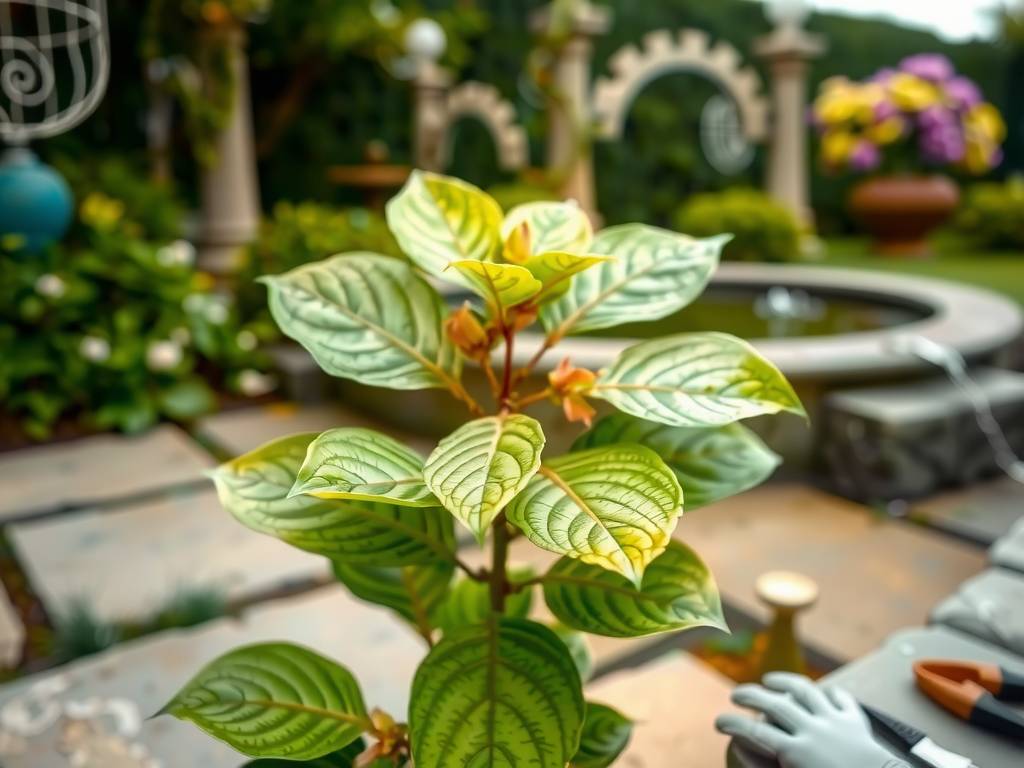
To prune effectively, you must first understand what you're working with. The Rieger Begonia (Begonia x hiemalis) is a complex hybrid, often grown as a seasonal flowering plant. Its spectacular bloom is energy-intensive. Once the primary flowering event concludes, the plant enters a recovery and preparation phase. Without intervention, it will direct energy into maintaining existing, often spent, stems rather than producing new flowering shoots. Post-bloom pruning signals a clear directive to the plant: redirect your resources. The American Horticultural Society (AHA) notes that for many fibrous and rhizomatous begonias, timely pruning after flowering is a key cultivation practice to maintain plant vigor and promote renewed growth cycles.
The Essential Toolkit for Pruning Success
Before you make the first cut, gather your tools. This isn't just about convenience; it's about plant health.
- Sharp, Clean Pruners or Scissors: Use precision bonsai shears or sharp micro-tip snips. Blunt tools crush stems, creating ragged wounds that are slow to heal and susceptible to disease. Sterilize blades with rubbing alcohol or a diluted bleach solution before and after use to prevent transmitting pathogens.
- Gloves: While not strictly toxic, begonia sap can be irritating to skin for some individuals.
- A Clean Workspace: Have a container nearby for clippings and a soft cloth to wipe tools.
The Step-by-Step Guide to Post-Bloom Pruning
This process, when done correctly, is straightforward but requires attention to detail. Follow these steps to set your begonia up for success.
Assess and Prepare Your Plant
Begin by giving your Rieger Begonia a thorough inspection. Place it in good, natural light. Identify all the spent flower clusters—these are your primary targets. Also, look for any yellowing, damaged, or excessively long and bare stems. Ensure the plant is well-watered a day or two before pruning; a hydrated plant recovers from stress more efficiently.
The Pruning Process: Making the Right Cuts
Now, for the main event. Your goal is to remove spent blooms and encourage bushier growth.
- Deadhead Spent Flowers: Locate the main flower stem. Follow it down to the first set of healthy, full leaves. Make your cut approximately 1/4 inch above this leaf node (the point where the leaf joins the stem). This node contains meristematic tissue, which will activate to produce new growth. Simply pinching off the dead flower head alone is insufficient; you must remove the entire flowering stem down to a strong leaf node to effectively promote secondary blooms in Rieger Begonias.
- Shape and Thin: After deadheading, step back. Evaluate the plant's shape. If it appears leggy—with long stretches of bare stem between leaves—consider a more aggressive cut. You can prune select longer stems back by up to one-third of their length, again cutting just above a leaf node facing the direction you want new growth to fill. Remove any thin, weak, or crossing stems at their base to improve air circulation and light penetration to the center of the plant.
- Clean Up: Remove all pruned material from the soil surface to prevent fungal issues.
Immediate Aftercare: The First 48 Hours
Pruning creates wounds. Your care in the immediate aftermath supports healing.
- Watering: Water the plant lightly, ensuring the soil is moist but not soggy. Avoid wetting the foliage, especially the fresh cuts.
- Placement: Keep the plant in bright, indirect light. Avoid direct, harsh sunlight for a few days as it adjusts.
- Hold the Fertilizer: Do not fertilize immediately. Wait until you see signs of new growth, typically in 1-2 weeks.
Optimizing Conditions for Robust Regrowth and Reblooming
Pruning is the catalyst, but the right environment ensures the reaction is successful. For post-bloom care for continuous flowering, you must address all aspects of its care.
Light: The Energy Source
Rieger Begonias need abundant bright, indirect light to fuel flower production. An east or west-facing window is ideal. According to principles often cited by interior landscapers, providing 12-14 hours of bright light daily can significantly enhance bud set. If natural light is insufficient, consider supplementing with a grow light placed 12-18 inches above the plant.
Water and Humidity: The Balancing Act
These plants prefer consistently moist but never waterlogged soil. The "soak and dry" method works well: water thoroughly until it drains from the bottom, then allow the top inch of soil to dry out before watering again. High humidity (around 50-60%) is beneficial. Use a pebble tray or a room humidifier, especially in dry, heated homes. The Royal Horticultural Society (RHS) advises that begonias are prone to powdery mildew in stagnant, humid air, so good air circulation is equally crucial.
Nutrition: Fuel for Flowers
Once new growth appears post-prune, begin a regular feeding schedule. Use a balanced, water-soluble fertilizer (e.g., 10-10-10 or 20-20-20) diluted to half-strength every two weeks. As flower buds begin to form, you can switch to a fertilizer with a slightly higher phosphorus content (the middle number) to encourage reblooming in begonias. Always fertilize damp soil to prevent root burn.
Temperature and Rest
Cooler nighttime temperatures (around 60-65°F / 15-18°C) can help stimulate flowering. Avoid drafts and sudden temperature swings. While Rieger Begonias don't have a strict dormant period like tuberous begonias, they may slow growth in lower winter light. Adjust watering and feeding accordingly during this time.
Troubleshooting Common Post-Pruning Issues
Even with the best care, you might encounter hurdles.
- No New Growth: If you see no activity after 3 weeks, reassess light levels and temperature. The plant may be conserving energy. Ensure it's not sitting in cold, wet soil.
- Leaf Drop: Some older leaf drop is normal as the plant redirects energy. Significant drop can indicate overwatering, underwatering, or shock from being moved.
- Leggy Growth Persists: This is almost always a sign of insufficient light. Move the plant to a brighter location or provide supplemental lighting.
My Rieger Begonia's leaves are turning yellow after pruning. What did I do wrong? Yellowing leaves post-prune are often a sign of stress, commonly related to moisture. Overwatering is a frequent culprit, especially if the plant's reduced foliage is using less water. Ensure the pot has drainage and let the soil dry slightly more between waterings. It could also be a natural shedding of older leaves as the plant focuses energy on new shoots. Check for drafts or sudden temperature changes, which can also induce yellowing.
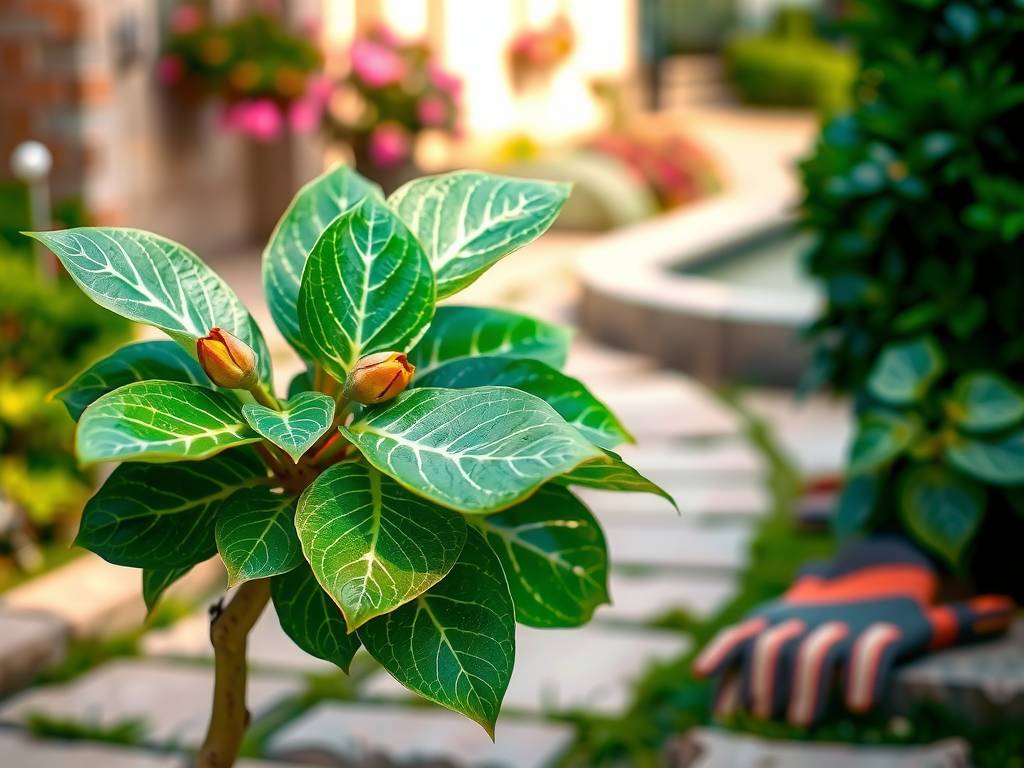
How long does it usually take to see the second bloom after pruning? With optimal care—proper pruning, bright indirect light, consistent feeding, and ideal temperatures—you can expect to see new flower buds forming within 6 to 10 weeks. The timeline can vary based on the plant's overall health, the season (growth is faster in spring/summer), and the specific growing conditions you provide. Patience is key during the regrowth phase.
Can I propagate the stems I pruned off my Rieger Begonia? Absolutely. This is an excellent way to multiply your plant. Select healthy, non-flowering stem tips with 2-3 nodes. Remove the lower leaves and dip the cut end in rooting hormone (optional). Insert the cutting into a moist, well-draining mix like perlite or seed-starting soil. Cover with a plastic bag or dome to maintain humidity and place in bright, indirect light. Roots typically develop in 4-6 weeks. This practice of propagation aligns with expert gardening principles of maximizing plant material and ensuring genetic continuity.
Mastering the art of post-bloom care transforms your relationship with the Rieger Begonia. It moves from being a temporary decorative item to a dynamic, responsive living plant. The simple, deliberate act of pruning, followed by attentive care regarding light, water, and nutrition, sends a powerful signal. You are not just maintaining a plant; you are actively collaborating with its natural cycle to elicit more of its beautiful, characteristic blooms. With this knowledge, you hold the key to unlocking seasons of color, making the effort of nurturing your Rieger Begonia profoundly rewarding.