bluename
 How to Care for Monstera Deliciosa - Hole Promotion for More Uniform Fenestrations
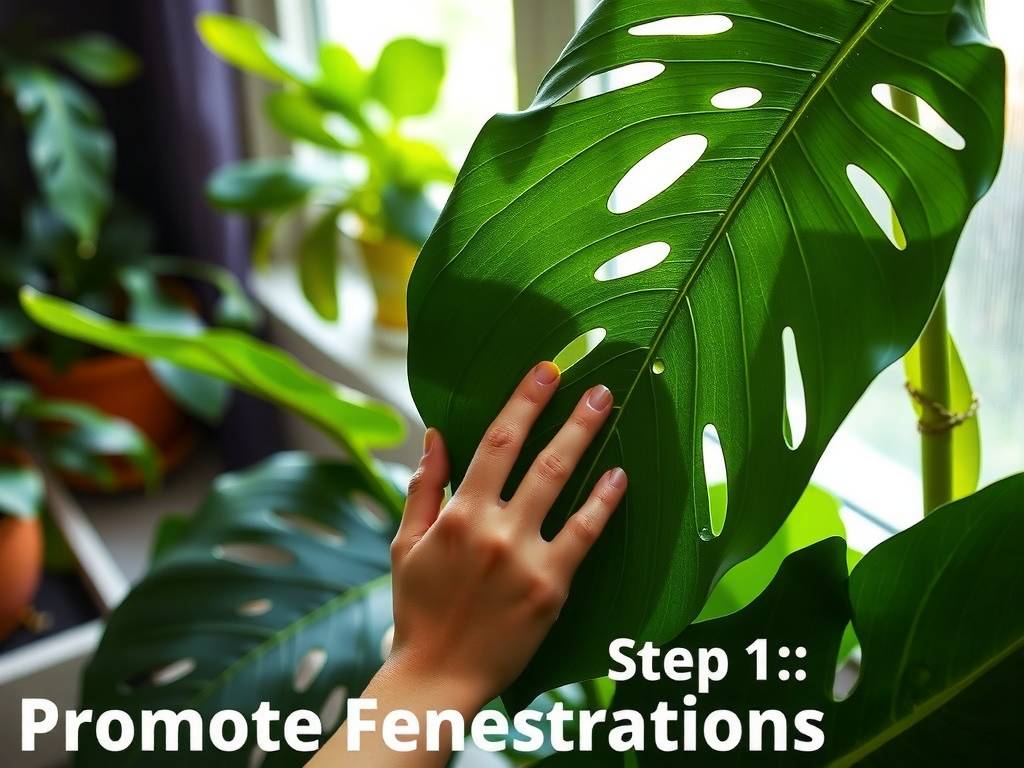
You've nurtured your Monstera deliciosa with love, providing ample water and bright, indirect light. Yet, its iconic split leaves—the fenestrations—remain sparse, uneven, or disappointingly small. The plant grows, but the lush, perforated jungle aesthetic you crave seems elusive. This common frustration stems from a misunderstanding: fenestration development isn't just about age; it's a sophisticated response to environmental cues. Achieving a full, symmetrical canopy with uniform holes is an art that goes beyond basic care. This guide delves into the precise science and techniques of hole promotion for more uniform fenestrations, transforming your care routine from maintenance to strategic cultivation.
Understanding the "Why" Behind the Holes
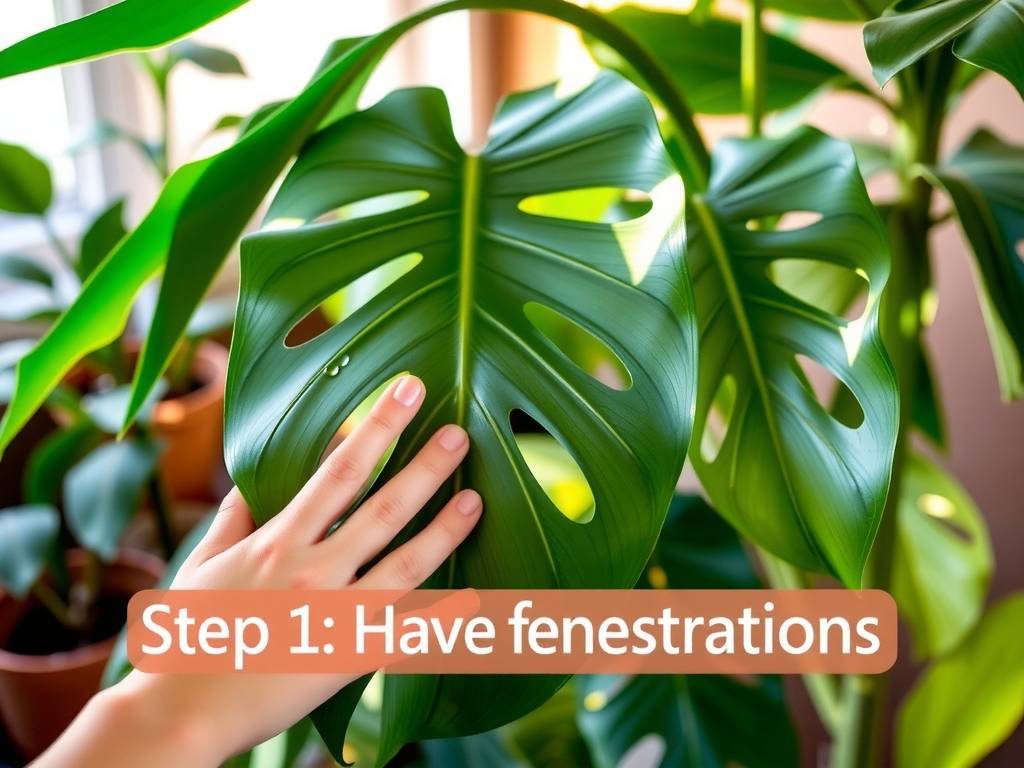
Before manipulating growth, we must appreciate the plant's genius. Monstera deliciosa evolved in the understory of tropical rainforests. Its fenestrations are a masterclass in evolutionary adaptation. The leading theory, supported by botanists and institutions like the Royal Horticultural Society (RHS), is that the splits and holes allow intense tropical storms to pass through the leaves with minimal damage. They also enable dappled sunlight to reach lower leaves in dense foliage. Therefore, your plant develops fenestrations primarily in response to sufficient light and the structural need to support large leaf surfaces. Uniformity comes from consistent, optimal conditions that signal to the plant it is in a stable, high-light environment worthy of investing energy in complex leaf development.
The Foundation: Non-Negotiable Care for Fenestration Readiness
You cannot trick a struggling plant into producing perfect holes. Robust health is the mandatory canvas.
Light: The Primary Catalyst Light is the single most critical factor for promoting Monstera leaf holes. Think of light as the plant's energy currency. Low light means survival mode—small, solid leaves that prioritize basic functions over aesthetic complexity.
- Ideal Conditions: Provide bright, indirect light for 6-8 hours daily. An east-facing window is perfect. A south or west window requires diffusion (a sheer curtain) to prevent scorching.
- Pro Tip for Uniformity: Rotate your plant a quarter turn every 1-2 weeks. This ensures all sides receive equal light, preventing lopsided growth and encouraging symmetrical fenestration development across the entire plant.
- Supplementing: During darker months, a full-spectrum LED grow light positioned 12-18 inches above the plant can maintain the light signal necessary for continued hole development.
Watering & Humidity: The Support System Inconsistent watering stresses the plant, halting ambitious growth projects like fenestration.
- The Golden Rule: Water deeply only when the top 2-3 inches of soil are dry. Soak the pot until water drains freely, then let it drain completely. This cycle mimics tropical downpours followed by well-aerated soil.
- Humidity's Role: While Monsteras can tolerate average humidity, levels of 60% and above mimic their native habitat and support the development of larger, thinner, more elaborately fenestrated leaves. Use a humidifier, a pebble tray, or group plants to create a microclimate.
Soil & Nutrition: The Building Blocks A fast-draining, aerated potting mix is essential. Dense, soggy soil leads to root rot, the ultimate growth killer. A blend of potting soil, orchid bark, perlite, and horticultural charcoal provides structure and oxygen. Fertilize during the active growing season (spring and summer) with a balanced, water-soluble fertilizer diluted to half-strength every 4-6 weeks. As the American Horticultural Society (AHA) notes, over-fertilization can cause salt buildup and leaf burn, so "less is more" is a wise approach. The nutrients support the increased metabolic activity required to create those intricate holes.
Advanced Techniques for Strategic Hole Promotion
With health optimized, these targeted strategies direct energy toward your goal.
Strategic Pruning for Directed Energy Pruning is not just about shape; it's about resource allocation.
- How It Works: Removing smaller, solid, or non-fenestrated leaves (especially lower ones) redirects the plant's energy and hormones (auxins) toward the growth points (apical meristems) producing new, larger leaves. It also improves light penetration and air circulation.
- Method: Use clean, sharp shears. Cut the stem just above a leaf node (the bump where a leaf meets the stem). This can encourage new growth points to activate along the stem.
The Art of Support: Climbing Towards Maturity In the wild, Monsteras are climbing hemiepiphytes. They seek out tree trunks to ascend toward the canopy light. Providing a stable, moss-covered pole or trellis is a game-changer for achieving uniform leaf splits.
- Why It Works: When the aerial roots can attach to a damp, textured surface, the plant feels secure. This stability allows it to "decide" to produce larger, more mature foliage with heavier fenestrations, as it would in nature. An unsupported plant may remain in a more juvenile, bushy form with smaller leaves.
- Training: Gently tie the main stem to the pole using soft plant ties. Regularly mist the pole to encourage aerial root attachment.
Patience & Observation: The Ultimate Tools A Monstera's leaves are pre-formed in a protective sheath called a cataphyll. The degree of fenestration is determined before the leaf unfurls, based on the plant's cumulative health and environmental conditions up to that point. Therefore, changes you make today will be reflected in leaves that unfurl 4-8 weeks from now. Keep a journal to track care adjustments and their results.
Troubleshooting Uneven or Stalled Fenestration
- Only Top Leaves Have Holes: This is normal maturation. Ensure lower leaves aren't shaded; consider strategic pruning to refresh the plant's form.
- New Leaves Are Smaller or Solid: Almost always a light issue. Reassess your light source and intensity. It could also signal a need for fertilization or a check for root-bound conditions.
- Fenestrations Are Irregular: Inconsistent care is the likely culprit. Fluctuations in watering, light direction, or temperature can lead to uneven development. Strive for consistency in your routine.
Why does my mature Monstera have no splits at all? This is overwhelmingly a light issue. A Monstera can survive for years in low light but will remain in a juvenile state without fenestrations. Gradually increase its exposure to bright, indirect light. Also, check if it's root-bound; a lack of room to grow can stunt maturity.
Can I cut holes in my Monstera leaves to encourage more? Absolutely not. Cutting holes or slits into existing leaves creates open wounds for disease and pests. It does not signal the plant to produce natural fenestrations. Fenestration must develop organically during leaf formation. Focus on optimizing the plant's overall environment instead.
How long does it take for a new leaf to become fenestrated? There is no set timeline, as it depends on the plant's age and health. A young plant may produce 3-5 solid leaves before the first splits appear. Once mature and in ideal conditions, each new leaf should be larger and more fenestrated than the last. The key is to look for progressive improvement over successive leaves, not perfection on every single one.
Achieving a Monstera deliciosa with a spectacular display of uniform, lacy holes is a rewarding journey that deepens your connection to plant care. It moves from passive watering to active, empathetic cultivation. By mastering the balance of intense, indirect light, consistent watering, strategic support, and informed pruning, you provide the unmistakable signals that trigger the plant's innate potential. Remember, each new, perfectly fenestrated leaf is a direct report card on your care. With patience and attention to these details, your Monstera will transform into a breathtaking centerpiece, showcasing the magnificent results of understanding and working with its natural instincts.