bluename
 How to Care for Large Fiddle Leaf Fig - Master Water Control to Prevent Leggy Growth
You've nurtured your fiddle leaf fig from a petite tabletop plant into a stunning, room-defining statement piece. But now, a new challenge emerges. Instead of the lush, bushy canopy you envisioned, your large fiddle leaf fig is becoming tall, spindly, and "leggy," with long stretches of bare trunk between sparse leaves. This frustrating issue often stems from one of the most fundamental yet misunderstood aspects of care: watering. Mastering how to care for a large fiddle leaf fig, specifically through precise water control, is the key to transforming that leggy growth into a robust, full, and healthy tree.
Understanding the link between your watering habits and your plant's growth pattern is the first step toward correction. Leggy growth in fiddle leaf figs is primarily a response to insufficient light, but improper watering exacerbates the problem. A stressed plant, whether from drought or overwatering, cannot support dense foliage. By optimizing your watering routine, you directly influence the plant's energy, encouraging it to produce stronger, more abundant leaves rather than straining upward in a weak search for stability.

Decoding Your Large Fiddle Leaf Fig's Water Needs
A large fiddle leaf fig in a sizable pot operates on a different scale than its smaller counterparts. Its water requirements are not simply "more." They are about depth, timing, and consistency. The goal is to mimic the natural cycles of heavy rainfall followed by a period of drying in its native West African habitat.
For a large plant, surface-level moisture is irrelevant. You must ensure water reaches the entire root ball. When you water, do so thoroughly until water flows freely from the drainage holes at the bottom of the pot. This practice encourages roots to grow deep and strong, creating a stable foundation for top-heavy growth. According to the American Horticultural Society's (AHS) guidelines on woody tropical plants, "Deep, infrequent watering promotes a resilient root system far more effectively than frequent, shallow sprinkles, which can lead to weak surface roots and overall plant instability."
The single most critical rule is to let the soil dry out partially between waterings. Do not water on a fixed schedule. Instead, perform the "finger test." Insert your index finger 2-3 inches into the soil. For a large fiddle leaf fig, water only when the top 2-3 inches of soil feel completely dry. For very deep pots, a moisture meter can be an invaluable tool to check moisture levels at the root zone. This cycle of thorough soaking followed by a drying period is the cornerstone of preventing both leggy growth from stress and root rot from suffocation.
The Direct Link: Watering Mistakes That Cause Leggy Growth
Chronic Underwatering and Plant Stress When a large fiddle leaf fig is consistently underwatered, it enters a state of survival. The plant cannot sustain all its leaves, so it may drop lower, older leaves to conserve resources for new growth at the top. This results in a longer, barer trunk. The new growth that does emerge is often hurried and weak, stretching toward any available light source, furthering the leggy appearance. The plant's energy is diverted to seeking water and light rather than building sturdy, leafy branches.
Overwatering and Root Health Paradoxically, overwatering can also lead to a form of leggy, unhealthy growth. Soggy soil suffocates roots, causing root rot. A compromised root system cannot effectively transport water and nutrients to the leaves. The plant becomes overall weak and stunted, and new growth may be pale, sparse, and elongated as the plant struggles to function. The Royal Horticultural Society (RHS) notes in their advisory on ficus plants, "Symptoms of overwatering, such as leaf drop and weak, elongated new stems, are often mistaken for underwatering, leading caregivers to exacerbate the problem."
Synergy with Light: Why Water Control Alone Isn't Enough Water control is the foundation, but it works in tandem with light. A fiddle leaf fig receiving inadequate light will naturally grow taller and lean toward the light source (phototropism), creating a leggy shape. Even with perfect watering, a light-starved plant will not achieve fullness. Your large fig needs bright, indirect light for most of the day. If natural light is limited, especially in winter, consider supplementing with a grow light to ensure the energy from your perfect watering routine is converted into compact, leafy growth, not stretched stems.
Advanced Techniques: Watering for Strength and Fullness
Seasonal Watering Adjustments Your large fiddle leaf fig's thirst changes with the seasons. During the active growing season (spring and summer), it will require more frequent waterings as it uses more energy to produce new leaves. In the dormant period (fall and winter), growth slows significantly, and soil takes much longer to dry out. Drastically reduce watering frequency during these months. Adhering to the "dry out" rule becomes even more crucial to prevent winter rot and spindly, weak growth caused by cold, wet soil.
The Role of Potting Mix and Drainage You cannot practice effective water control if your plant is in the wrong soil or pot. A well-draining, chunky potting mix is non-negotiable for large fiddle leaf figs. A mix containing ingredients like pine bark, perlite, and coarse coconut coir allows water to flow through quickly while retaining just enough moisture. Ensure your pot has ample drainage holes. A pot that is too large will hold excess moisture for too long, increasing rot risk. Repot only when roots circle the current container, typically every 2-3 years, and size up only 2-4 inches in diameter at a time.
Fertilizing: Fueling Healthy Growth Proper watering unlocks the nutrients in the soil. During the growing season, supplement with a balanced, liquid fertilizer diluted to half-strength every 4-6 weeks. This provides the nutrients needed to support the dense leaf production you desire. Avoid over-fertilizing, especially with a stressed or recently watered plant, as salt buildup can damage roots and counteract your careful watering efforts.
Corrective Pruning and Strategic Watering If your plant is already leggy, corrective pruning is your best friend. In early spring, identify the areas with long, bare stems. Just above a leaf node (the bump where a leaf meets the stem), make a clean cut. This signals the plant to push out new branches from that point, creating a bushier shape. After a significant prune, adjust your watering slightly. The plant will have less foliage transpiring water, so allow the soil to dry a bit more deeply before the next watering to prevent stress on the recovering plant.
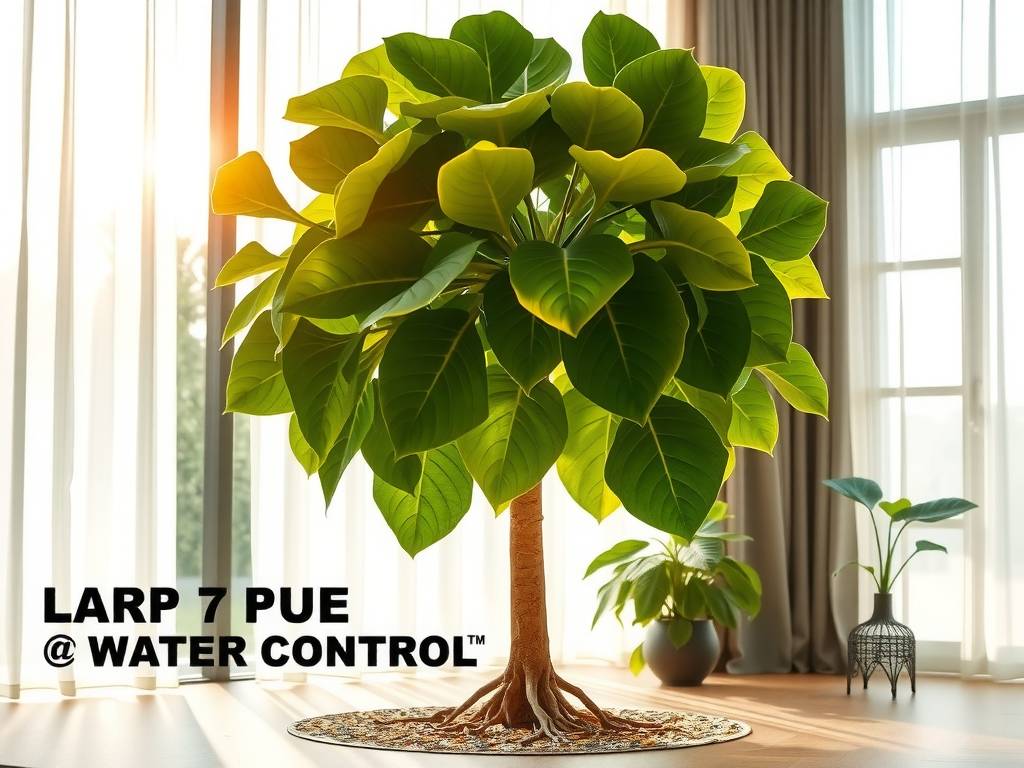
Monitoring and Adapting Your Routine Become a student of your plant. Leaf condition is your best feedback. Crispy brown edges often point to underwatering or low humidity. Widespread yellowing and dropping leaves, particularly from the bottom, often signal overwatering. Adjust your habits accordingly. Remember, consistency in your approach—checking the soil, watering deeply, and allowing for dry periods—builds a resilient plant capable of supporting a full, non-leggy form.
Why is my large fiddle leaf fig dropping leaves even though I water it regularly? Leaf drop is commonly a sign of overwatering, especially in large pots where the bottom soil stays wet long after the top feels dry. "Regularly" is often the issue. Switch from a schedule-based approach to a soil-moisture-based approach. Ensure the pot has drainage and that you are letting the soil dry adequately between thorough waterings. Shock from environmental changes (like a move or draft) can also cause leaf drop.
Can I save a fiddle leaf fig that has become very tall and leggy? Absolutely. The most effective method is notch pruning or tip pruning. Notching involves making a small cut above a leaf node on a bare stem to encourage a new branch at that point. For a more dramatic reshape, you can perform a hard prune, cutting a tall stem back to your desired height. Do this in spring, ensure the plant has excellent light, and maintain meticulous water control afterward to support the surge of new, bushier growth.
How often should I water my large fiddle leaf fig in the winter versus the summer? There is no universal weekly answer, as home environments vary greatly. However, the interval will typically double or even triple in winter compared to summer. A large fig in a warm, bright summer room might need water every 7-10 days. The same plant in a cooler, low-light winter spot might only need water every 3-4 weeks. Always, without exception, let the soil dryness be your guide rather than the calendar.
Transforming a leggy large fiddle leaf fig into a picture of health and fullness is an achievable goal that hinges on intelligent water management. It requires moving beyond a simple routine to an observant, responsive practice. By deeply understanding the cycle of thorough watering and intentional drying, you provide the stable foundation your plant needs. When this precise hydration is combined with ample light, well-draining soil, and occasional strategic pruning, you direct your plant's energy away from desperate, stretched growth and toward creating the dense, vibrant, and structurally sound canopy that makes this species so coveted. Your large fiddle leaf fig's journey to a more compact and luxurious form begins the moment you put the watering can down and first test the soil.