bluename
 How to Care for Large Philodendron Selloum - Staking to Prevent Lodging
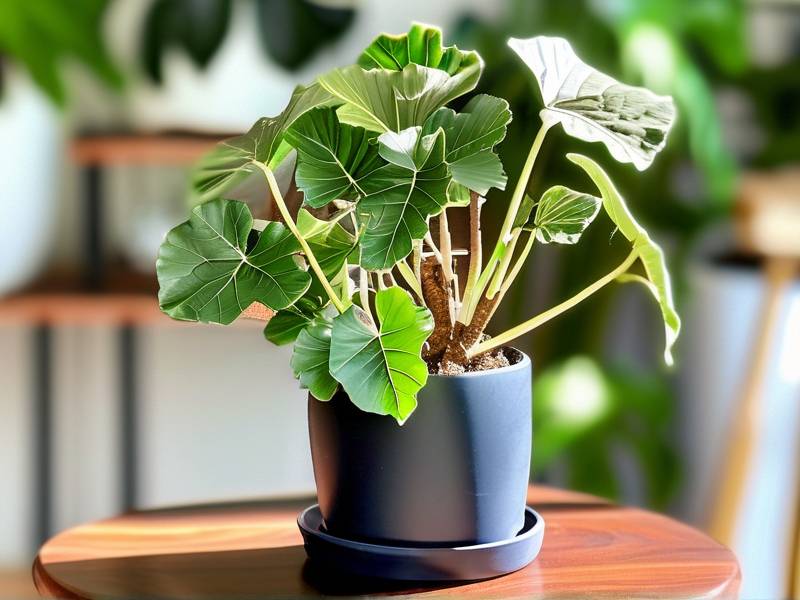
You've nurtured your Philodendron Selloum from a small, bushy plant into a magnificent, sprawling indoor tree. Its deeply lobed, glossy leaves create a stunning tropical statement. But lately, you've noticed a problem. The once-upright stems are beginning to arch outward, some are leaning heavily to one side, and the sheer weight of the mature foliage seems to be pulling the plant apart. This common issue, known as lodging, can make your prized Selloum look unruly and even risk stem damage. The key to maintaining its structural integrity and majestic form lies in proper support. Learning how to care for large Philodendron Selloum plants effectively means mastering the art of staking. This guide will provide a complete, step-by-step approach to staking your Selloum, preventing lodging, and ensuring it thrives for years to come.
Understanding Your Philodendron Selloum's Growth Habit
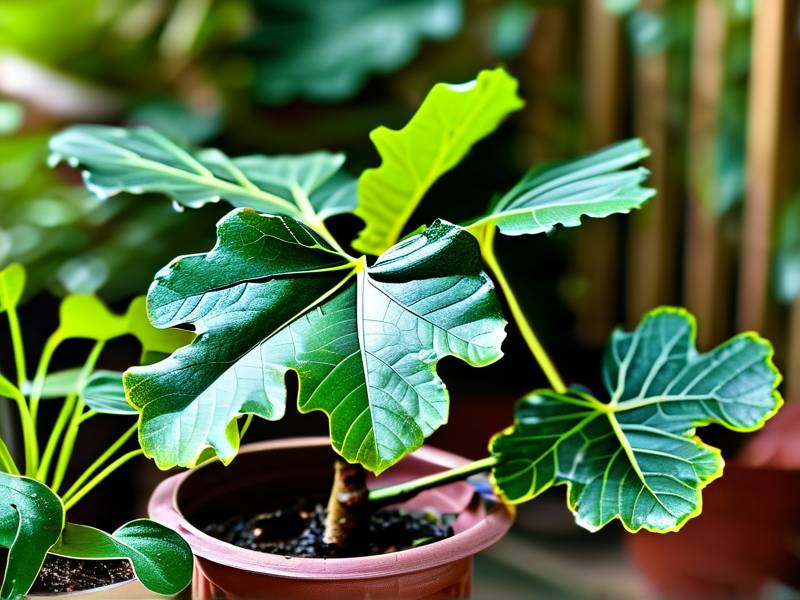
Before we delve into solutions, it's crucial to understand why this happens. The Philodendron Selloum, also known as Thaumatophyllum bipinnatifidum, is not a true climber like some of its vining cousins. It is a self-heading or tree-type philodendron. In its natural habitat, it develops a thick, trunk-like stem that supports its massive leaves. However, in indoor conditions, with less intense light and different growth patterns, the stems can become elongated and less robust. The leaves, which can grow over three feet long, become immense weight-bearing structures. Without adequate support, gravity wins, leading to splaying, leaning, and potential breakage. Providing a stake mimics the natural support it would find in the wild, training it to grow vertically and distributing weight more efficiently.
The Essential Tools for Staking a Large Selloum
Gathering the right materials before you start is half the battle. Using improper supports can damage your plant or fail to solve the problem.
- The Stake Itself: For a large, mature Selloum, flimsy bamboo sticks won't suffice. You need a sturdy, durable stake.
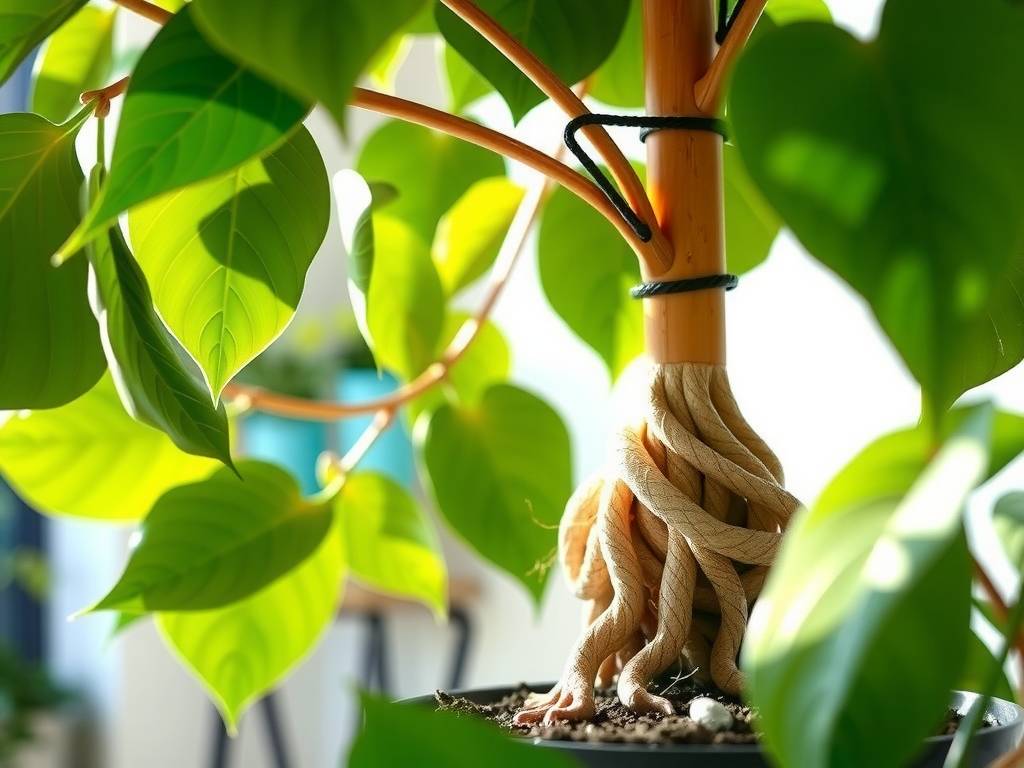
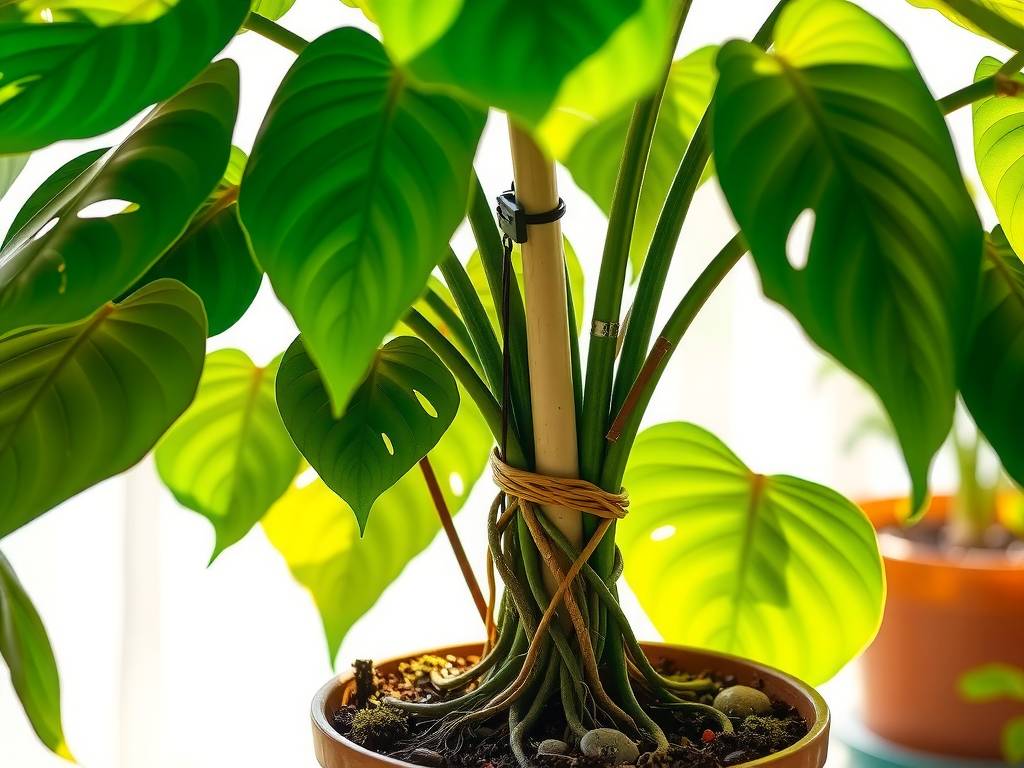
- Moss Poles: These are an excellent choice as they mimic a tree trunk. The coir or sphagnum moss covering allows for aerial root attachment, which provides additional natural stability and moisture. Choose a thick, robust moss pole that is at least as tall as your plant's current height.
- Cedar or Redwood Stakes: These are solid, rot-resistant wooden stakes that offer strong, discreet support.
- PVC Pipes or Metal Rods: For the largest specimens, a PVC pipe wrapped in burlap or coir, or a powder-coated metal rod, can provide immense, long-lasting support.
- Soft Ties: Never use wire, string, or zip ties that can cut into the plant's stems as they grow. Opt for flexible, stretchy plant ties, velcro tape, or even strips of soft fabric like old t-shirts.
- Pruning Shears: Clean, sharp shears for any minimal pruning needed.
- Gloves: Philodendron Selloum sap contains calcium oxalate crystals, which can irritate skin.
A Step-by-Step Guide to Staking and Preventing Lodging
This process requires care and patience. It's best done in the spring or early summer when the plant is in its active growth phase and can recover and adjust more easily.
Assessing the Plant and Planning Support
First, thoroughly water your Selloum a day before staking. A well-hydrated plant is more flexible and less prone to shock. Carefully examine the plant's structure. Identify the main stem or cluster of stems that form the plant's "trunk." Notice the direction of the lean and which stems are most burdened. Your goal is to position the stake behind the direction of the lean, so when you gently pull the plant upright and secure it, the stake bears the weight. Plan to insert the stake close to the main stem but be careful to avoid severing major roots.
Inserting the Support Stake Safely
Gently push aside the top layer of soil to better see where the main root ball is. Slowly and firmly insert your chosen stake into the potting mix, angling it slightly away from the plant's center of gravity for better leverage. Push it down until it hits the bottom of the pot for maximum stability. If you encounter strong resistance, try a slightly different angle rather than forcing it, which could shatter the pot or damage crucial roots. According to best practices from the Royal Horticultural Society (RHS), support should be installed at the time of repotting for minimal root disturbance. However, careful insertion into an established pot is perfectly acceptable.
Securing the Stems with Care
This is the most delicate part. Start from the bottom of the plant and work your way up. Gently gather the leaning stems toward the stake. Do not force them into a perfectly straight, unnatural position. You are providing support, not imposing a rigid form. Use your soft ties to create loose loops in a figure-eight pattern: one loop around the stem and one around the stake. This prevents the tie from rubbing directly against the plant. Leave ample room for growth and stem thickening. As the American Horticultural Society (AHA) notes, ties should be checked and loosened periodically to prevent girdling, a condition where the tie restricts the flow of water and nutrients.
Training and Ongoing Maintenance
Staking is not a "set it and forget it" task. As your Selloum produces new leaves and grows taller, you will need to add new ties and possibly extend the stake. Gently guide new growth toward the support. Regularly check all ties every few months, especially during peak growing season, to ensure they are not becoming too tight. Over time, as the stem thickens and aerial roots potentially attach to a moss pole, the plant will become more self-supporting.
Complementary Care for a Strong, Upright Selloum
Staking addresses the symptom, but optimal care addresses the cause. A healthy, well-cared-for plant develops stronger tissues.
- Light for Robust Growth: Bright, indirect light is non-negotiable. A Selloum stretching for light becomes leggy and weak-stemmed. A spot near an east or north-facing window, or a few feet back from a south or west window, provides the ideal energy for compact, strong growth.
- Watering and Fertilizing: Consistent watering (allowing the top inch or two of soil to dry out) and regular feeding during the growing season with a balanced, diluted liquid fertilizer promote overall vigor and stem strength.
- Pruning for Balance: Strategic pruning can help manage weight. You can remove any excessively long, heavy, or damaged leaves at the base of their stem. This can redirect energy to new growth and improve the plant's balance. Always prune with clean tools.
What if my Philodendron Selloum is already severely leaning or splayed?
For a plant that has already lodged significantly, the process is similar but requires more patience. You may not be able to get it perfectly upright in one session. Secure it to the stake in its current position, and over the course of several weeks, gently tighten the ties bit by bit to gradually train it upward. Sudden, forceful straightening can crack or damage stems.
How often should I check and adjust the plant ties?
Make it a part of your regular plant care routine. A quick visual check every time you water is a good habit. Physically inspect and adjust the ties every 2-3 months, or whenever you notice a stem starting to press against a tie. Growth is most rapid in spring and summer, so be extra vigilant during those seasons.
Can I use multiple stakes for a very wide Philodendron Selloum?
Absolutely. For a large, multi-stemmed specimen that is splaying outward, a single central stake may not be sufficient. Using 2-3 stakes arranged in a triangle or circle around the plant and using ties to gently corral the outer stems can be very effective. This creates a supportive framework that maintains the plant's full, lush appearance while preventing lodging.
Providing the right support through staking is a transformative practice in the care of a large Philodendron Selloum. It goes beyond mere aesthetics, safeguarding the plant's physical health and directing its growth toward a stable, majestic form. By combining a sturdy support structure with optimal light, water, and nutrients, you empower your Selloum to showcase its tropical grandeur safely and sustainably for many years. The effort you put into this process will be rewarded with a resilient, upright, and truly spectacular indoor tree.