bluename
 How to Care for Large Dracaena 'Massangeana' - Prune Old Leaves to Promote New Growth
You've invested in a stunning, floor-to-ceiling Dracaena fragrans 'Massangeana', also known as the corn plant. Its graceful, cane-like stems and arching green leaves with a central yellow stripe bring a vibrant, tropical feel to your home or office. But now, you're noticing a problem. The lower leaves are turning yellow or developing unsightly brown tips. The plant looks a bit leggy at the bottom, and you're worried it's not thriving as it should. The key to revitalizing your large corn plant and encouraging a lush, full appearance lies in one essential practice: learning how to prune old leaves to promote new growth. This isn't just about aesthetics; it's a vital part of Dracaena Massangeana care that redirects the plant's energy to healthy, new foliage.
Understanding the 'Why' Behind Pruning
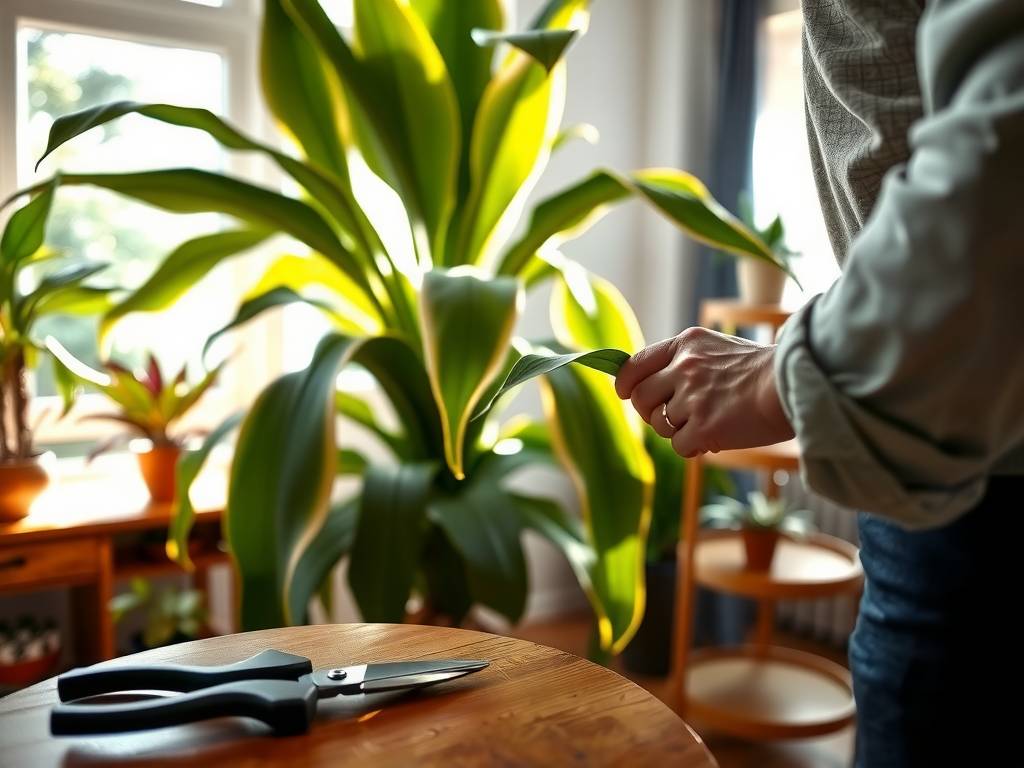
Pruning is more than just cosmetic surgery for your plant. For a large Dracaena 'Massangeana', it serves several critical physiological functions. First, it removes aging or damaged leaves that are no longer efficiently contributing to photosynthesis. These leaves may be draining resources as the plant tries to repair them. By removing them, you allow the plant to concentrate its energy and nutrients on producing fresh, vibrant leaves.
Second, strategic pruning can stimulate growth points (called meristems). When you remove a leaf, you signal the plant to activate new growth, often from the nodes just below the cut or from the crown. This is how you combat that "leggy" look and encourage a denser, bushier form. According to principles upheld by horticultural authorities, proper pruning improves air circulation within the foliage, reducing the risk of fungal diseases that thrive in stagnant, damp conditions. It's a proactive health measure.
Essential Tools and Pre-Pruning Care
Before you make the first cut, ensure you have the right tools and that your plant is in good condition to handle the stress. You will need a pair of sharp, clean pruning shears or sharp scissors. Blunt tools can crush the stem, creating ragged wounds that are more susceptible to infection. It's highly recommended to wipe the blades with rubbing alcohol before and after use to prevent transmitting any pathogens between plants.
Your large corn plant pruning efforts will be most successful if the plant is not already under stress. Ensure it has been watered appropriately (allowing the top few inches of soil to dry out) a day or two before pruning. Avoid pruning a plant that is bone dry or sitting in soggy soil. Place your plant in a well-lit area where you can easily access all sides.
The Step-by-Step Guide to Pruning Old Leaves
Now, let's walk through the precise process. This guide focuses on removing old leaves to encourage new shoots, which is the most common maintenance pruning for a Dracaena 'Massangeana'.
-
Identify the Leaves to Remove. Start by surveying your plant. Target leaves that are predominantly yellow, have extensive brown crispy tips or margins (more than 30-50% of the leaf), or are damaged, torn, or diseased. Also, look for leaves at the very bottom of a cane that are old and may be losing their vibrant color. These are the primary candidates for removal.
-
Make the Correct Cut. Do not simply pull the leaf off. Follow the leaf stem (petiole) down to where it connects to the main cane or stem. Using your sharp shears, make a clean, angled cut as close to the main stem as possible without gouging into it. The angled cut helps prevent water from pooling on the cut surface. For leaves that are only brown at the very tip, you can optionally trim just the brown part off, following the natural leaf shape, if you prefer. However, removing the entire compromised leaf is often better for the plant's long-term energy allocation.
-
Address Leggy Stems for Bushier Growth. If your plant has a long, bare cane with a tuft of leaves only at the very top, you can perform a more advanced pruning to force branching. Decide on your desired height. Locate a node (a slight bump or ring on the cane) at that height. Make a clean, straight cut through the cane, about a quarter-inch above that node. This "topping" will typically stimulate one or more new buds to break from that node, creating a bushier appearance lower down. You can propagate the top portion you cut off in water or soil to create a new plant.
-
Clean Up and Aftercare. Once pruning is complete, gently wipe down the remaining leaves with a damp cloth to remove dust, which allows for better light absorption. Do not immediately overwater. Resume your normal care routine, ensuring the plant receives bright, indirect light. The plant will now direct its energy to healing its small wounds and, crucially, to pushing out new growth after pruning Dracaena.
Optimizing Overall Care to Support New Growth
Pruning is most effective when combined with optimal overall care. Think of it as a partnership: pruning creates the opportunity, and proper care provides the resources for new growth.

- Light: Your Dracaena 'Massangeana' thrives in bright, indirect light. Too little light will cause growth to slow dramatically, making your pruning efforts less fruitful. Avoid direct, hot afternoon sun, which can scorch the leaves.
- Watering: This is where most problems arise. Dracaenas are sensitive to overwatering and fluoride in water. Water thoroughly only when the top 50-75% of the soil is dry. Use filtered, distilled, or rainwater if your tap water is heavily fluoridated, as this can cause brown leaf tips. Ensure your pot has excellent drainage.
- Fertilization: To fuel new growth after pruning Dracaena, feed your plant during the active growing season (spring and summer). Use a balanced, water-soluble fertilizer diluted to half-strength, once a month. Do not fertilize in fall and winter when growth naturally slows.
- Humidity: While tolerant of average humidity, these plants appreciate higher levels. Misting the leaves, using a pebble tray, or placing a humidifier nearby can prevent brown tips and support healthy new leaves.
Common Pitfalls to Avoid
Even with good intentions, mistakes can happen. Avoid these common errors:
- Over-pruning: Never remove more than 20-25% of the plant's foliage at one time. This can send it into shock.
- Using Dirty Tools: This is a primary vector for disease.
- Pruning at the Wrong Time: The best time for major pruning is in the spring or early summer, at the start of the active growing season. Minor maintenance pruning (removing a single yellow leaf) can be done year-round.
- Overwatering After Pruning: The plant's water needs decrease slightly after losing foliage. Stick to your check-and-water routine.
When will I see new growth after pruning my corn plant? Under ideal conditions of bright light and warm temperatures, you may see new buds or leaves beginning to form within 2-8 weeks after pruning. The plant will first focus energy on healing its cuts. Patience is key; growth will be faster in spring and summer.
Can I cut the top off my very tall, leggy Dracaena? Absolutely. This is a standard technique to control height and encourage branching. Cut the cane to your desired height, just above a node. The remaining stump will usually produce 1-3 new branches near the cut. The topped portion can be rooted to create a new plant.
Why are the new leaves on my pruned plant smaller than the old ones? This is often related to light or nutrients. Insufficient light is the most common cause, leading to smaller, spindly new growth. Ensure your plant receives enough bright, indirect light. Additionally, a lack of nutrients during the growing season can limit leaf size. A regular, diluted feeding schedule during spring and summer can help.
Mastering the care of your large Dracaena 'Massangeana', particularly the art of thoughtful pruning, transforms it from a static decor piece into a dynamic, growing testament to your plant care skills. By systematically removing old, inefficient leaves, you directly intervene in the plant's energy economy, channeling its efforts into producing vibrant, healthy foliage. This practice, combined with consistent attention to light, water, and nutrients, ensures your corn plant remains a commanding and beautiful focal point for years to come. Remember, each clean cut is an invitation for renewal.