bluename
 How to Care for Large Aspidistra Elatior - Division Propagation for Fast Pot Expansion
You’ve nurtured your large Aspidistra elatior, or cast iron plant, into a magnificent specimen. Its lush, deep green leaves bring a serene, architectural beauty to your space. But now, it’s bursting at the seams of its pot, looking slightly root-bound, and perhaps its growth has slowed. Repotting such a hefty plant into an ever-larger container seems like a daunting, messy task. There’s a smarter, more rewarding solution: division propagation. This method not only manages the size of your mature Aspidistra but rapidly multiplies your collection, giving you multiple full, beautiful plants from one. Mastering division propagation for fast pot expansion is the key to sustainable, effortless growth for your cast iron plant.
Understanding Your Aspidistra Elatior’s Growth Habit
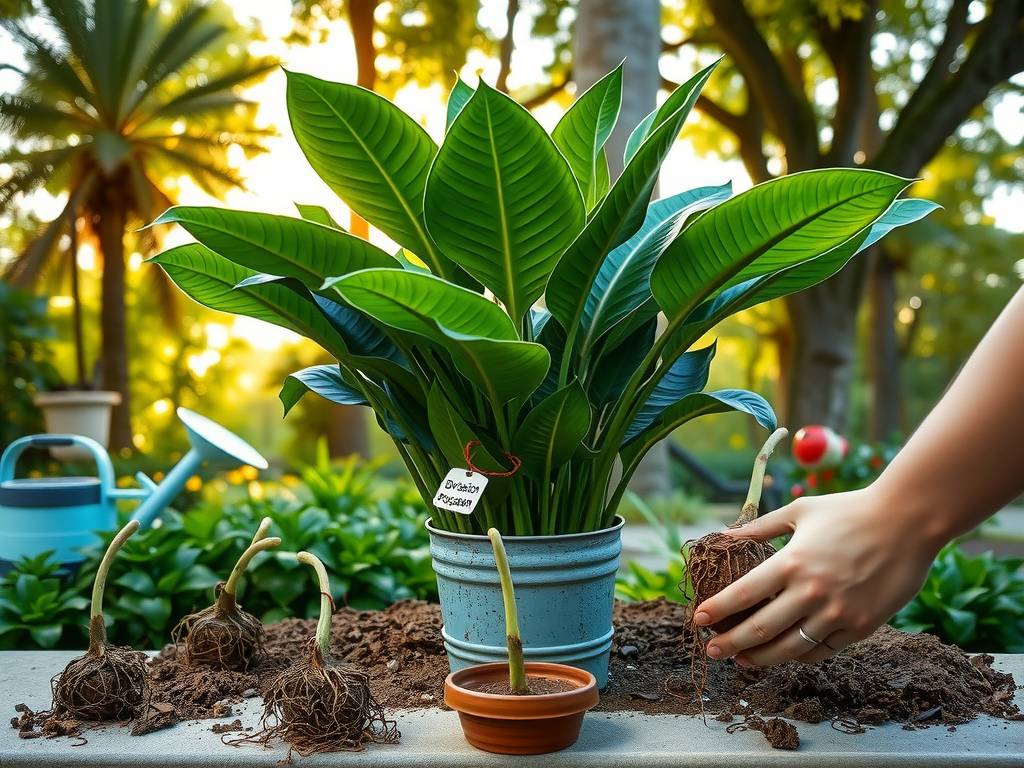
Before diving into the division process, it’s crucial to understand what you’re working with. The Aspidistra elatior grows from underground stems called rhizomes. These hardy, slow-growing rhizomes spread horizontally just below the soil surface, sending up individual leaf stalks. Over years, a single plant forms a dense clump of these rhizomes and stalks. This clumping nature is precisely what makes division so effective and natural for the plant. According to horticultural best practices from the Royal Horticultural Society (RHS), perennial clump-formers like Aspidistra are prime candidates for division to rejuvenate them and control their spread. When a clump becomes too dense, the center may begin to die out, and resources become strained. Division solves this, promoting vigorous new growth.
Why Division is the Superior Method for Large Aspidistras
For a large, established cast iron plant, division offers unparalleled advantages over simple repotting. First, it directly addresses the core issue of congestion, rejuvenating the plant’s physiology. Second, it provides the fastest route to pot expansion—you instantly create two or more ready-to-display plants, each with its own root system, rather than waiting for one plant to slowly fill a giant pot. This technique is a cornerstone of sustainable indoor gardening, allowing you to propagate without special equipment or uncertain waiting periods. The American Horticultural Society (AHS) emphasizes that division maintains the genetic identity of the plant, ensuring your new Aspidistras have the same legendary toughness and beautiful foliage as the parent.
Gearing Up: Essential Tools and Preparation
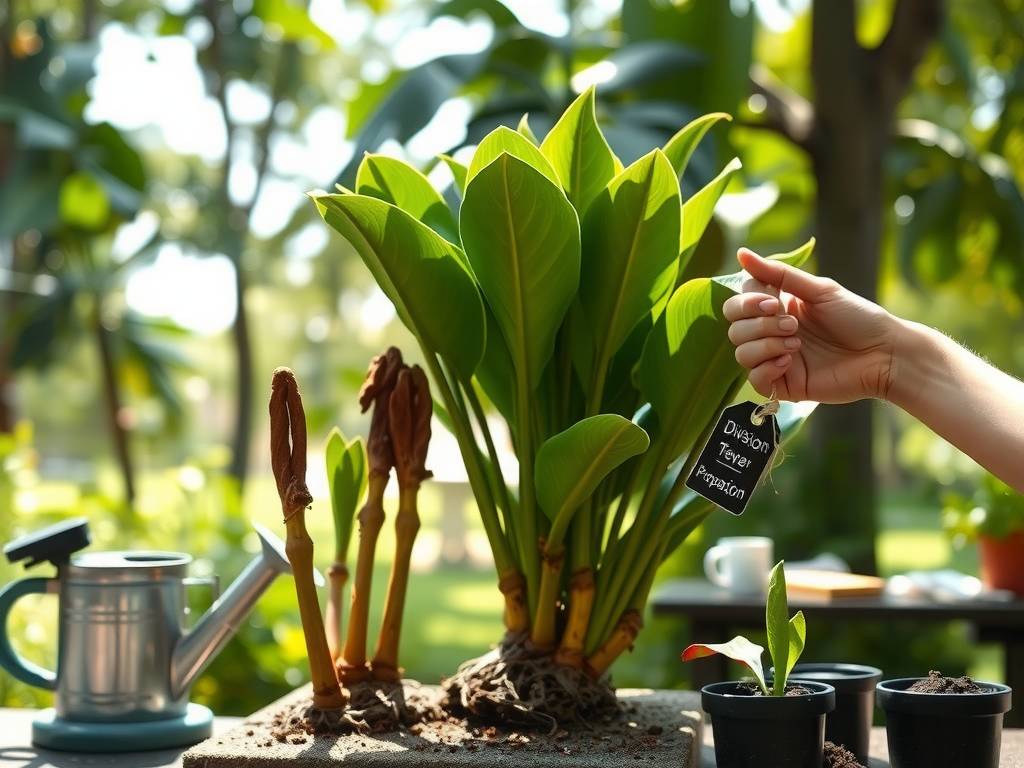
Success starts with the right preparation. You will need:
- A sharp, clean serrated knife, pruning saw, or even two sturdy garden forks (for levering apart tough clumps).
- Clean, sharp pruning shears or scissors.
- Fresh, well-draining potting mix. A standard houseplant mix with added perlite or orchid bark for aeration is perfect.
- New pots with adequate drainage holes. Have a few sizes ready, typically 1-2 inches larger in diameter than each new division’s root mass.
- Gloves, a tarp or newspaper for managing soil, and a watering can.
Water your Aspidistra thoroughly 24 hours before the operation. This hydrates the plant and makes the root ball easier to work with.
The Step-by-Step Guide to Division Propagation
Step 1: Removing the Plant from Its Pot Lay the pot on its side. Gently tap and squeeze the pot to loosen the root ball. Given the plant’s size, you may need an assistant to help guide the heavy clump out. Avoid pulling by the leaves; instead, coax the base out. If it’s severely root-bound, you might need to carefully cut or break the pot away.
Step 2: Inspecting and Loosening the Root Ball Once out, gently shake and brush off excess soil to expose the rhizome structure. You’ll see a tangled mass of roots and the thick, creamy-colored rhizomes with multiple growing points (where leaves emerge). Use your fingers to carefully tease apart the outer roots. This initial loosening helps you identify natural dividing points.
Step 3: Dividing the Clump Look for natural separations or “offsets”—smaller clumps with their own set of leaves and roots attached to a rhizome section. Your goal is to create divisions, each with at least 3-5 healthy leaf stalks and a substantial portion of roots. For extremely dense, woody clumps, you will need to use your knife or saw. Make clean, decisive cuts through the rhizomes, ensuring each division retains roots. Don’t be afraid to apply firm pressure; a clean cut is less damaging than ragged tearing. Discard any old, leafless, or soft/rotting sections from the center.
Step 4: Potting Up the New Divisions Fill the bottom of each new pot with fresh potting mix. Place a division in the center, ensuring it sits at the same soil depth as before. The top of the rhizome should be just below the soil surface. Add soil around the sides, firming gently to eliminate large air pockets. Leave about an inch of space at the top for watering.
Step 5: The Critical Aftercare Water each newly potted division thoroughly until water runs freely from the drainage holes. This settles the soil around the roots. Place the pots in a location with bright, indirect light—avoid direct sun, which can scorch the tender, newly disturbed plants. Maintain normal room temperatures. The key now is patience; the plants are in recovery mode.
Post-Division Care for Optimal Establishment
Watering: Keep the soil lightly moist but never soggy. Overwatering is the greatest threat to new divisions before their roots fully establish. Let the top inch of soil dry out slightly between waterings. Feeding: Do not fertilize for at least 4-6 weeks. Allow the roots to recover and grow into the new soil first. After this period, resume feeding with a balanced, diluted liquid fertilizer during the growing season (spring and summer). Light and Environment: Continue to provide the Aspidistra’s preferred conditions: stable temperatures, moderate to low indirect light, and protection from drafts. You may notice some leaf stress or browning on a few older leaves; this is normal. Simply trim these off with clean shears. Monitoring for Growth: Signs of successful establishment include new, firm leaf shoots emerging from the soil—a clear signal that the rhizome is happy and growing. This is the ultimate reward of your propagation effort.
Troubleshooting Common Division Issues
- Division Seems Dormant: Aspidistras are slow growers. Give it time, sometimes a full season, to settle and push new growth. Ensure it’s not overwatered.
- Leaf Yellowing/Browning: This is typically transplant shock or minor root damage. Trim affected leaves, ensure proper watering (not too wet, not too dry), and provide consistent, gentle care.
- Rotting Rhizome: This indicates overwatering or a poorly draining soil mix. Unpot the division, cut away all soft, brown, or mushy parts with a sterile tool, and repot in fresh, dry mix. Water very sparingly.
By following this complete guide to Aspidistra division, you transform a single overgrown plant into several thriving individuals. This process not only solves your immediate space problem but also deepens your connection with and understanding of this resilient species.
My divided Aspidistra’s leaves are drooping. Did I kill it? Not necessarily. Drooping or some leaf loss is a common stress response after division, often called transplant shock. Ensure the plant is in a stable, low-stress environment (no direct sun, no drafts), check that the soil is appropriately moist (not waterlogged), and be patient. As long as the rhizome is firm, it will likely recover and produce new growth.
How often should I divide my large cast iron plant? Aspidistra elatior is a very slow grower and enjoys being slightly root-bound. Division is typically only necessary every 5-10 years, or when you visually notice the pot is overcrowded, growth has significantly stalled, or you wish to create new plants. Let the plant’s condition, not a calendar, be your guide.
Can I divide a very small or young Aspidistra? It is not recommended. Division requires the plant to have enough energy stored in its rhizomes and a sufficient number of growth points to sustain each new section. Dividing a large Aspidistra successfully relies on the plant’s maturity. Wait until your plant is a substantial clump with at least 8-10 leaf stalks before attempting division.
Mastering the art of division is the most effective strategy for managing a mature Aspidistra elatior. It rejuvenates the parent plant, swiftly expands your indoor garden, and showcases a practical, hands-on gardening skill. With the right timing, tools, and aftercare, you can ensure your cast iron plants continue to thrive with their characteristic resilience for many years to come, filling your space with effortless, enduring greenery.