bluename
 How to Care for Large Tillandsia: Mastering Light Control for Brighter Flower Color
You've nurtured your large Tillandsia, or air plant, for months, watching its impressive form grow. Yet, when bloom time arrives, the flowers lack the vibrant, electric pop of color you've seen in pictures. The disappointment is real. The secret you're missing often isn't about water or fertilizer—it's about light control for brighter flower color. This comprehensive guide will demystify the precise light conditions your large Tillandsia needs to not only survive but to produce its most spectacular, color-saturated blooms.
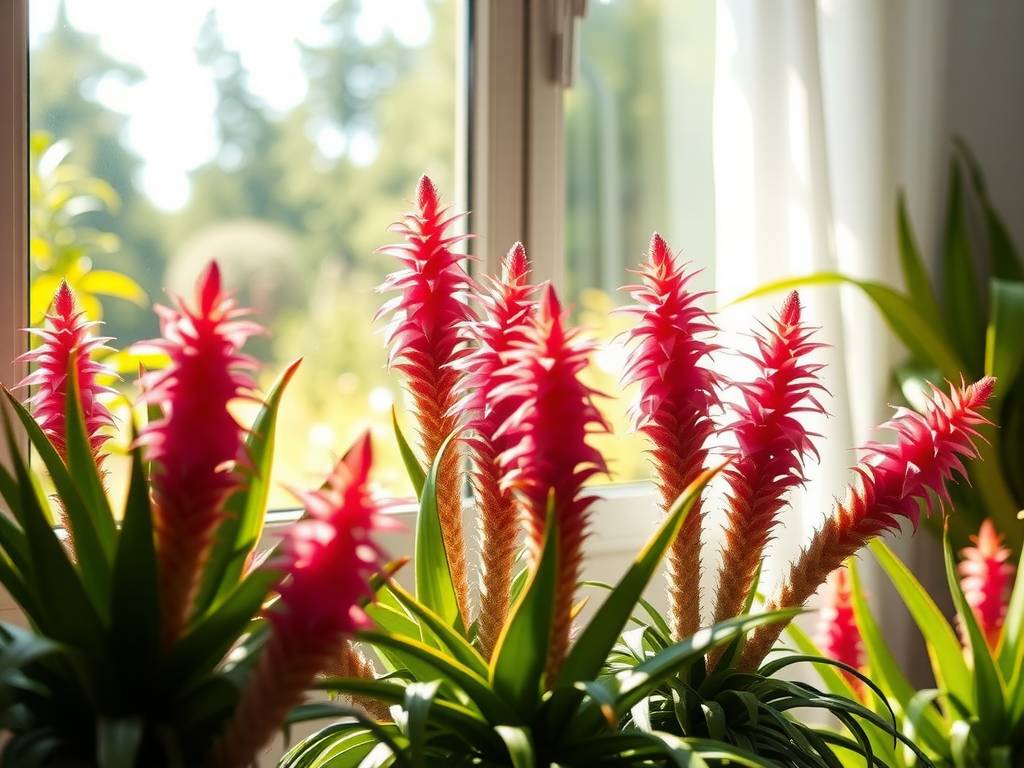
Understanding the Light-Flower Connection in Tillandsias
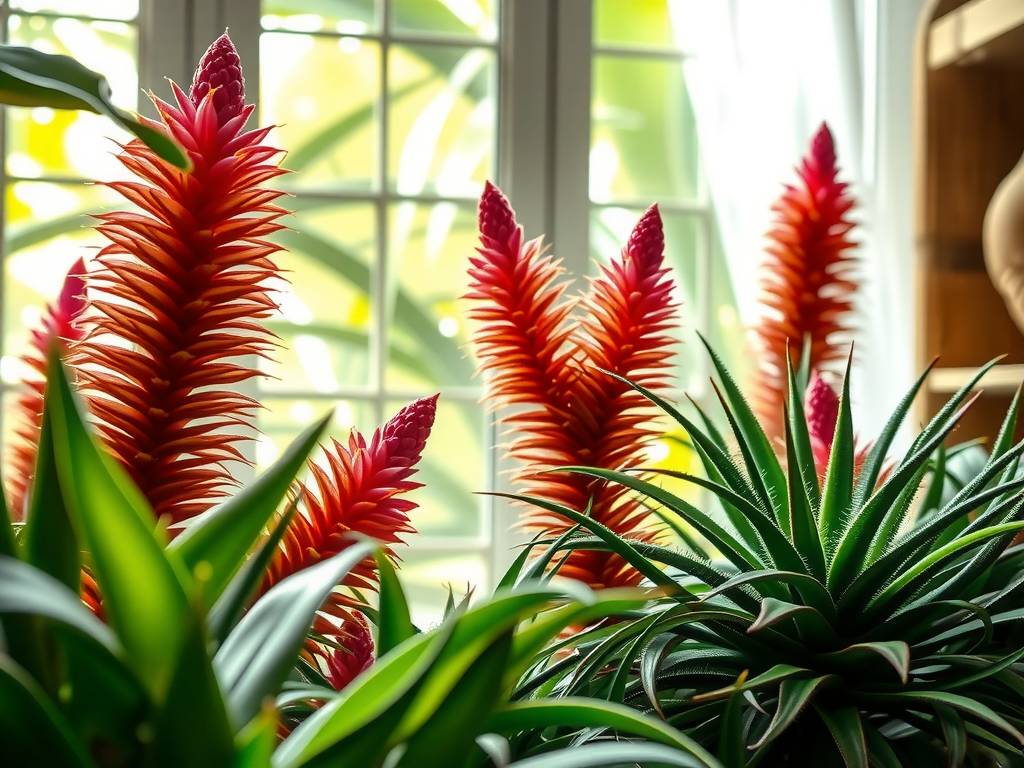
Tillandsias are unique. They absorb water and nutrients through their leaves, not roots. This same surface area is also their solar panel. The intensity, duration, and quality of light they receive directly trigger and influence the blooming process. For large species like Tillandsia xerographica, T. streptophylla, or T. capitata, getting this right is crucial for their grand floral display.
Proper light exposure acts as a signal. It tells the plant it's in an ideal, stable environment to invest energy into reproduction—the bloom. Inadequate light results in weak, pale, or sometimes non-existent flowers. Conversely, the right light spectrum and intensity enhance the production of pigments like anthocyanins and carotenoids, which are responsible for those stunning reds, purples, pinks, and fiery oranges.
What is the Ideal Light for a Large Tillandsia?
Large Tillandsias generally thrive in bright, indirect light. This is the golden rule. In their natural habitat—often the shaded understory or branches of trees in forests and deserts—they receive dappled sunlight filtered through a canopy.
- Bright Indirect Light Indoors: Place your plant near an east or west-facing window. A south-facing window can work if filtered by a sheer curtain or if the plant is placed several feet back from the glass. The goal is to provide ample illumination without the harsh, direct rays of the midday sun, which can scorch the leaves, causing dry, brown patches that won't heal.
- Direct Light Tolerance: Some large, silvery-leafed species (like xerographica) are more tolerant of direct morning or late afternoon sun due to their dense trichomes—the fuzzy scales that reflect light and absorb moisture. However, prolonged midday direct sun, especially through hot glass, is risky. As noted by the Air Plant Hub, "While some Tillandsia can handle direct sun, it's always safer to err on the side of bright filtered light to prevent scorching."
- Signs of Insufficient Light: If your plant's growth is stunted, its leaves are an unusually deep green and overly soft, or it refuses to bloom despite maturity, it likely needs more light.
- Signs of Too Much Light: Scorched, crispy brown tips or large bleached, white patches on the leaves are clear distress signals. The plant is essentially getting a sunburn.
Optimizing Light Conditions to Enhance Flower Color
Now, let's focus on the actionable steps for brighter Tillandsia blooms. This is where strategic light management comes into play.
1. Seasonal Light Adjustment for Color Intensity Your plant's light needs change with the seasons. The softer, less intense light of spring and fall is often ideal for promoting bud formation. As the bud develops, gradually increasing light exposure can deepen the color. However, during peak summer heat, ensure protection from harsh direct light to prevent stress, which can ironically fade colors or cause bud blast (where the bud dries up and dies before opening).
2. The Role of Light Duration (Photoperiod) While not as photoperiod-sensitive as some flowering plants, Tillandsias do respond to consistent day/night cycles. Providing 10-12 hours of good quality light daily mimics their natural tropical environment and supports overall health, which is foundational for a strong bloom. Avoid placing them in rooms with erratic artificial light at night, as a stable cycle reduces plant stress.
3. Using Artificial Grow Lights Effectively For homes with poor natural light, full-spectrum LED grow lights are a game-changer for improving air plant flower color. They allow for precise control.
- Choose lights with a balanced spectrum (including both blue and red wavelengths).
- Position the light 12-24 inches above the plant, depending on intensity, and run it for 10-12 hours on a timer.
- This controlled environment can often lead to more reliable and vividly colored blooms, as you eliminate the variable of cloudy days or seasonal gloom.
4. Pre- and Post-Bloom Light Care The light journey doesn't end when the flower opens.
- Pre-Bloom: As the inflorescence (flower spike) begins to emerge, ensure consistent, bright indirect light. This is the critical period for pigment development.
- During Bloom: You can slightly reduce direct light exposure to prolong the life of the delicate flower itself, which can be sensitive.
- Post-Bloom: After the flower fades, the mother plant will focus energy on producing "pups" or offsets. Continue providing excellent light to fuel this growth phase, ensuring the next generation is robust and capable of future brilliant blooms.
Complementary Care: Beyond Light
Light is the conductor, but other factors are the orchestra. All must harmonize for the best performance.
- Watering: Proper hydration supports the metabolic processes driven by light. A well-hydrated plant under good light will have better color expression. Soak your large Tillandsia for 1-2 hours weekly, ensuring it dries completely within 4 hours to prevent rot.
- Air Circulation: This is non-negotiable. Excellent airflow, especially after watering, prevents rot and mimics the breezy natural habitat of air plants. It works in tandem with light to ensure the plant dries properly.
- Temperature: Most large Tillandsias prefer a range of 50-90°F (10-32°C). A slight drop in nighttime temperature can sometimes help initiate blooming in some species, working as a secondary trigger alongside light.
Can I use a south-facing window for my large Tillandsia? Yes, but with caution. A sheer curtain is highly recommended to diffuse the intense direct sunlight, especially in summer. Monitor the plant closely for any signs of scorching. An east-facing window providing bright morning sun is often a safer and excellent choice.
How long should I use a grow light daily to encourage blooming? A consistent photoperiod of 10-12 hours under a full-spectrum LED grow light is ideal. Use a timer to maintain regularity, as this consistent signal supports the plant's internal rhythms and energy production, creating optimal conditions for flower development and color.
My Tillandsia's leaves are turning red. Is this a sign of too much light? Not necessarily! For many Tillandsia species, a blush of red, pink, or purple at the leaf bases or tips is a positive "blush" indicating good light exposure and often a precursor to blooming. It's a sign of stress in the botanical sense—a healthy, triggered response. True sunburn appears as dry, crispy, brown or white scars, often in the center of a leaf facing the light source.
Mastering the care of your large Tillandsia, particularly the nuanced dance of light exposure, transforms it from a simple houseplant into a dynamic living sculpture. By providing bright, indirect light, making thoughtful seasonal adjustments, and supporting it with proper hydration and airflow, you create the perfect stage. The result is a plant that rewards your attention not just with growth, but with a breathtaking floral display where the colors are as deep and vibrant as nature intended. The journey to achieve vibrant Tillandsia blooms is a patient one, but the moment those intense colors finally emerge, you'll know every careful adjustment was worth it.