bluename
 How to Care for Large Guzmania - Post-Bloom Care to Promote Offsets
Watching your magnificent large Guzmania bromeliad finish its spectacular bloom can be bittersweet. The vibrant central flower, which may have lasted for months, begins to fade, leaving you wondering, "What now?" Many plant owners mistakenly believe the plant is dying and consider discarding it. This is the most common and costly mistake in Guzmania care. The truth is, the end of the bloom is not an end at all—it's the beginning of a new chapter. The mother plant's primary lifecycle is complete, but its real legacy is just about to begin: the production of new plantlets, called offsets or "pups." This comprehensive guide will walk you through every step of expert post-bloom care to promote offsets, ensuring your large Guzmania lives on through a new generation of thriving plants.
Understanding the Guzmania Lifecycle is Key to Post-Bloom Care
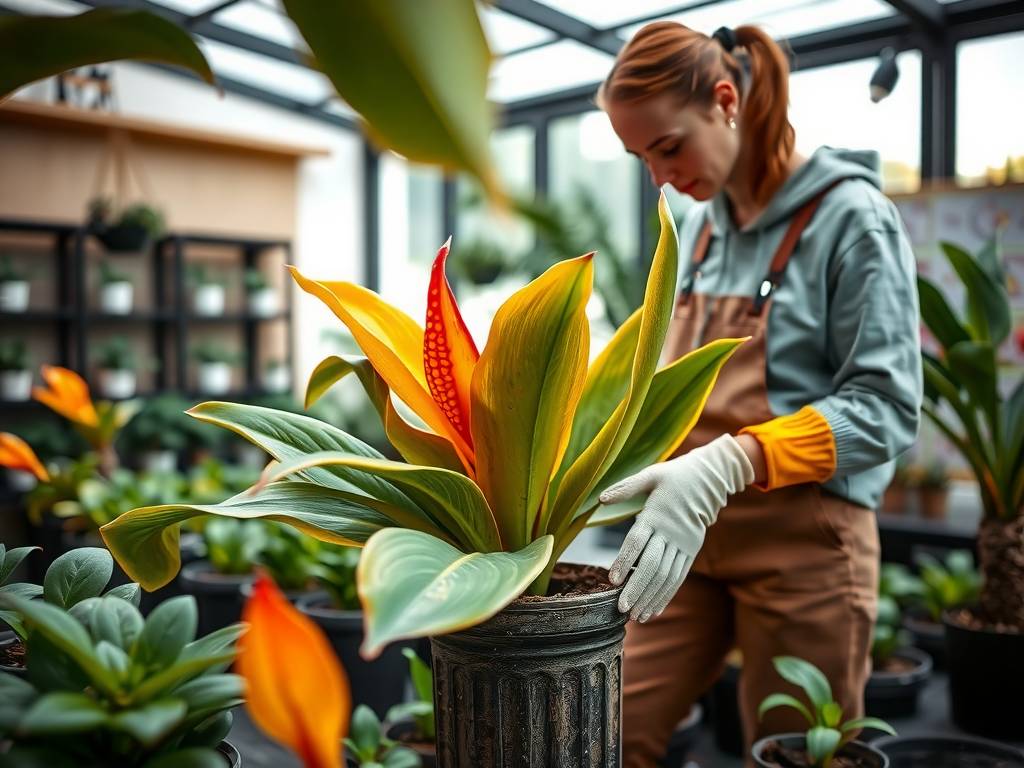
To care for your plant effectively, you must understand its natural biology. Guzmanias are monocarpic, meaning the mother plant flowers once and then gradually dies. This is a planned, natural process, not a sign of failure. The plant's final act is to redirect all its stored energy into creating clones—the offsets. Your goal during post-bloom care for large Guzmania is to support this process, keeping the mother plant healthy enough to nurture its pups until they are ready for independence. According to the Bromeliad Society International, this phase is critical for the vigor of the next generation.
Immediate Post-Bloom Care Steps
Once the colorful bracts (often mistaken for flowers) lose their luster and turn brown or green, it's time for action. Don't rush. The plant is still gathering energy.
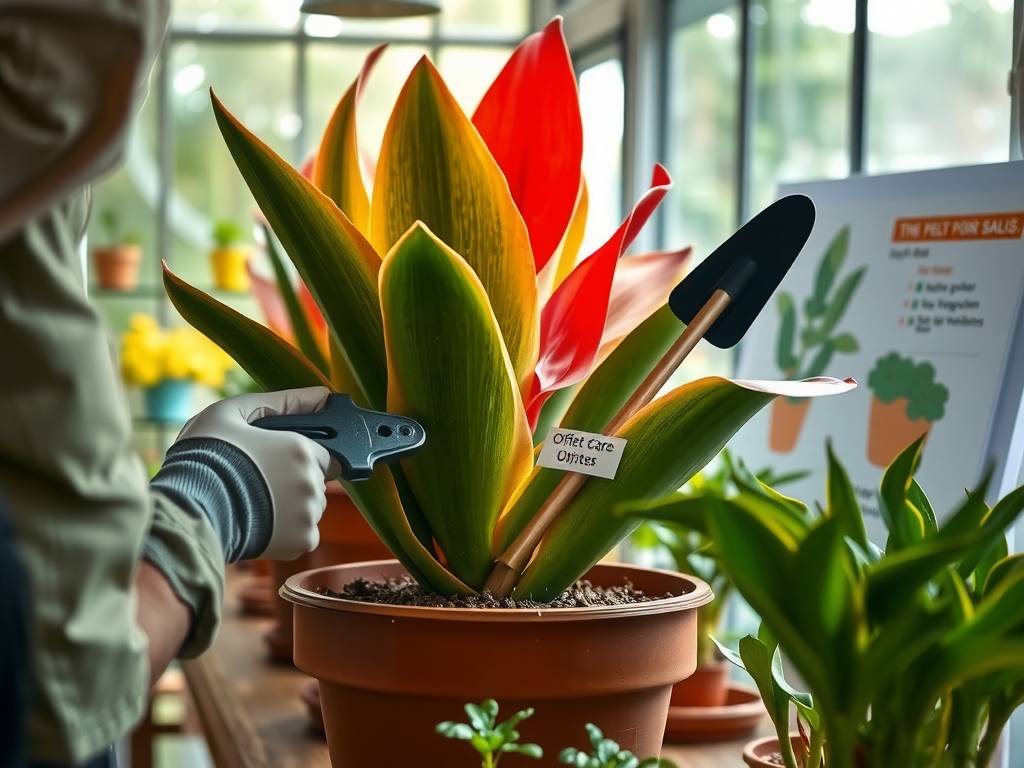
First, carefully remove the spent flower stalk. Using clean, sharp pruning shears, cut the stalk as close to its base as possible without damaging the central cup (vase) of leaves. This prevents rot and signals to the plant that its resources should now go to pup production.
Next, reassess the plant's environment. While the mother plant is declining, it still needs consistent care to support its pups. Ensure it remains in bright, indirect light. Direct sun can scorch the leaves, especially as the plant becomes more vulnerable. Maintain warm temperatures between 65-80°F (18-27°C) and protect it from cold drafts.
Watering and Feeding the Mother Plant for Optimal Offset Production
Your watering strategy should shift slightly. Continue to water the plant as you normally would for a bromeliad: fill the central cup (the tank) with water, and keep the potting medium lightly moist but never soggy. It's crucial to flush the central cup with fresh water every 1-2 weeks to prevent stagnation and bacterial growth, which can kill the developing pups nestled at the base.
Fertilization is a topic of debate. Some experts, like those at the American Horticultural Society, recommend a very light feeding to support the mother plant during pup development. Use a diluted, balanced, water-soluble fertilizer (at 1/4 strength) and apply it only to the potting medium, not the central cup, once in early spring. This provides a subtle nutrient boost without encouraging the mother plant to try to sustain itself longer than necessary. The primary goal remains to let it channel energy into the offsets.
Identifying and Monitoring Guzmania Offsets (Pups)
Your patience will be rewarded with the appearance of small shoots emerging from the base of the mother plant, usually between the leaf axils. These are your offsets. They may appear while the flower is still fading or several weeks after its removal. A healthy large Guzmania can produce between 1 to 3 pups, sometimes more.
Allow these pups to grow undisturbed. They will draw nutrients and moisture directly from the mother plant. Do not attempt to separate them too early. A good rule of thumb is to wait until the pup is at least one-third to one-half the size of the mother plant and has developed its own root system. This typically takes 4 to 6 months. The Bromeliad Society International advises that a well-developed pup will have several layers of leaves and will look like a miniature version of the parent.
The Separation Process: How to Safely Remove Guzmania Pups
When the pup meets the size and maturity criteria, it's time for separation. This process is a delicate surgery that requires care.
Gently remove the entire plant cluster (mother and all pups) from its pot. Brush away excess soil so you can clearly see where the pup connects to the mother. The pup will be attached by a stem-like structure. Using a sterile, sharp knife (a utility knife or pruning knife works well), make a clean cut as close to the mother plant as possible without injuring the pup's base. Ideally, the pup should come away with some of its own nascent roots.
If the pup separates with little to no roots, don't despair. It can still root successfully. Allow the cut surface to callus over for 24 hours in a dry, shaded place to prevent rot.
Potting and Caring for Your New Guzmania Offsets
Pot your new Guzmania pups in a small container (4-inch pot is ideal) with a fast-draining, airy potting mix. A blend formulated for orchids or bromeliads—often containing bark, perlite, and coarse peat—is perfect. Plant the pup just deep enough to support itself upright.
Water the potting medium lightly to settle it. For the first 2-3 weeks, avoid filling the pup's central cup with water, as it is still very small and prone to rot. Instead, keep the potting mix slightly damp and consider misting the plant lightly. Place the potted pup in a warm, humid location with bright, indirect light—the same conditions its mother enjoyed.
Once the pup is established and shows new growth (usually after a month), you can begin normal bromeliad watering by adding water to its central cup. With proper care, your new large Guzmania will mature and produce its own spectacular bloom in 2 to 3 years, continuing the beautiful cycle.
What should I do with the mother plant after separating the pups? After you have removed all viable offsets, the mother plant will continue to decline. You can choose to compost it or discard it. Its role is complete. In some cases, if the mother plant still has healthy leaves, you can leave it in the pot; it may sometimes produce a secondary, smaller pup, but its energy is largely spent.
Why are the leaves on my Guzmania turning brown after flowering? Some browning and drying of the outer, lower leaves is a normal part of the mother plant's natural decline. However, if the browning is rapid, affects inner leaves, or is mushy, it could indicate overwatering, crown rot, or a lack of water in the central cup. Ensure you are flushing the cup regularly and that the plant is not sitting in waterlogged soil.
How long does it take for Guzmania pups to flower? Patience is essential. A Guzmania offset, even from a large variety, typically requires 2 to 3 years of growth under optimal conditions to reach maturity and produce its own flower spike. The wait is well worth it, as you’ll have a mature, blooming plant that you nurtured from its very beginning.
The journey of caring for a large Guzmania doesn't end with the fade of its brilliant bloom; it simply transforms. By providing thoughtful post-bloom care, you become an active participant in the plant's lifecycle, guiding the energy of the mother plant into robust new offsets. This process of nurturing pups to maturity is deeply rewarding, turning a single plant purchase into a lasting collection. Remember, the key lies in understanding the natural cycle, providing consistent environmental support, and exercising patience during the separation process. Your thriving new generation of Guzmanias will be a testament to your successful care.