bluename
 How to Care for Large Vriesea Splendens - Bloom Extension to Prevent Wilting
There's nothing more disheartening for a plant enthusiast than watching the magnificent, sword-like bloom of a large Vriesea splendens begin to fade prematurely or wilt before its time. You've nurtured this stunning bromeliad, admired its striking, vibrant bracts, and now face the challenge of preserving its spectacular display. Achieving prolonged bloom life and preventing early wilting is a common yet solvable pain point. This guide delves into the specialized care required for larger specimens, providing a clear roadmap to extend that breathtaking floral show for months, not weeks.
Understanding Your Large Vriesea Splendens
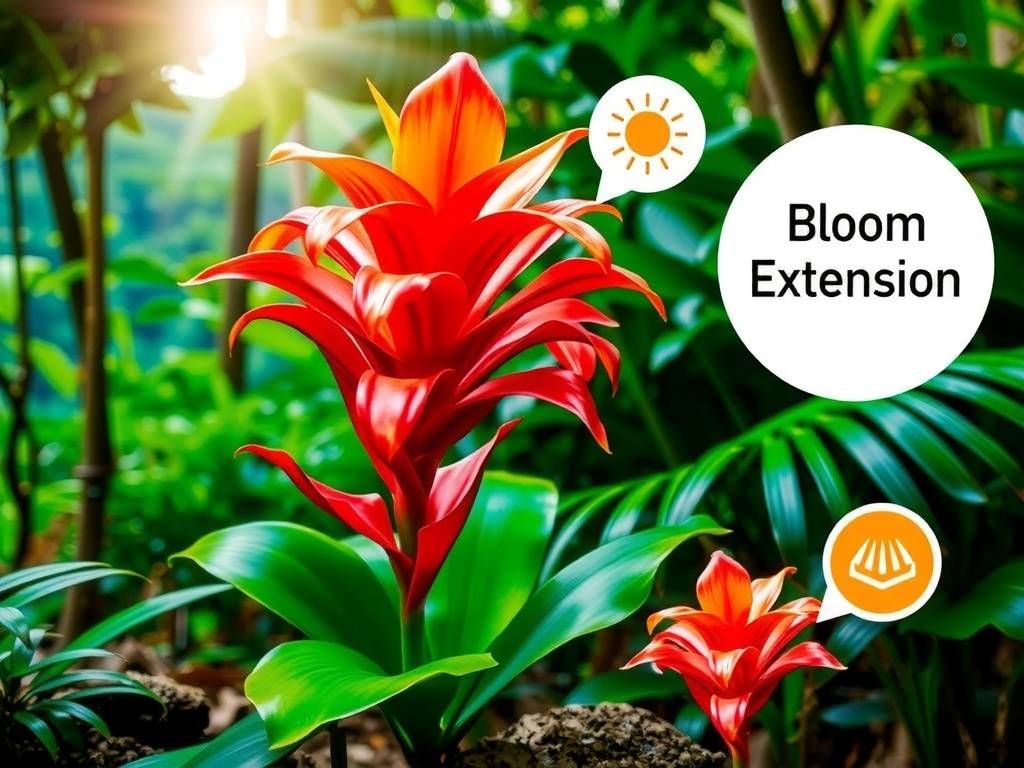
Often called the Flaming Sword plant, Vriesea splendens is an epiphytic bromeliad prized for its dramatic, flat flower spike. Larger varieties command attention with their broader leaf span and taller, more substantial inflorescence. Unlike many flowering plants, the actual flowers are small and short-lived, nestled within the long-lasting, brightly colored bracts. Our goal is to maximize the health and longevity of these bracts and the entire plant structure that supports them.
The key to success lies in replicating aspects of its natural, tropical understory habitat while providing consistent, attentive care tailored to its life cycle stage.
Optimal Light Conditions for Bloom Durability
Light is the primary architect of a robust bloom. Insufficient light leads to weak, faded bracts and a shortened display, while direct, harsh sun can scorch the leaves and accelerate wilting.
Your large Vriesea thrives in bright, indirect light. An east or north-facing window is often ideal. For south or west exposure, use a sheer curtain to diffuse the intense rays. Observe the leaf color; a rich, deep green with the bracts maintaining their fiery red or orange hue indicates perfect lighting. If the colors seem washed out or the plant becomes leggy, it needs more light.
During the darker winter months, consider supplementing with a grow light placed about a foot away for 10-12 hours a day. This consistent light source is crucial for sustaining the bloom's energy.
Mastering Watering and Humidity to Prevent Stress
Watering practices directly impact bloom turgidity and prevent wilting. Bromeliads like Vriesea absorb moisture primarily through their central "tank" or cup and secondarily through their roots.
Always keep the central cup about one-quarter full with fresh, clean water. Use distilled, rainwater, or filtered water to prevent mineral buildup on the leaves and bracts, which can cause spotting. Flush the tank completely every month to prevent stagnation and bacterial growth.
For the potting medium, water only when the top inch feels dry to the touch. The goal is slight moisture, never sogginess. Overwatering the soil is a leading cause of root rot, which will destabilize the entire plant and its bloom.
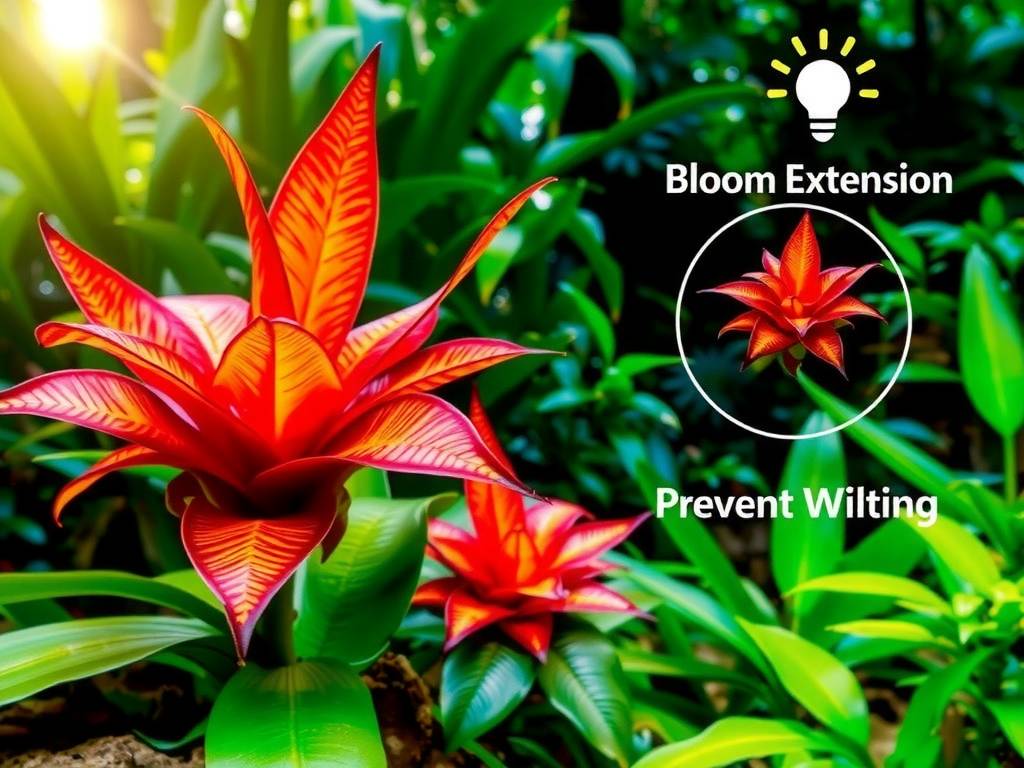
Humidity is non-negotiable. Aim for 60-70% relative humidity. Use a humidifier, place the pot on a pebble tray with water, or group it with other plants. Low humidity causes the leaf tips and bract edges to brown and crisp, detracting from the bloom's beauty and health.
Temperature and Airflow: The Stability Factors
Temperature consistency prevents physiological shock that leads to premature bloom decline. Maintain daytime temperatures between 70-80°F (21-27°C) and nighttime temps no lower than 60°F (15°C). Drastic drafts from heating vents, air conditioners, or open doors can trigger wilting.
Gentle airflow is beneficial, however. A still, stagnant environment encourages fungal diseases. Ensure good room ventilation without placing the plant in the direct path of blowing air.
Nutrition and Soil: Supporting the Bloom from the Roots Up
A blooming Vriesea has modest feeding needs. Excessive fertilizer can harm the roots and burn the bracts. The American Horticultural Society (AHS) notes that epiphytic bromeliads in bloom require minimal supplemental feeding.
Use a balanced, water-soluble bromeliad or orchid fertilizer diluted to one-quarter strength. Apply this solution to the central cup and the soil once a month during the spring and summer. Discontinue feeding in fall and winter. The focus is on supporting the existing bloom, not forcing new growth.
The right potting medium ensures stability and health. Use a fast-draining, airy mix. A blend of orchid bark, perlite, and a small amount of peat moss is excellent. As the Royal Horticultural Society (RHS) advises, the container must have ample drainage holes. A pot that is too large retains excess moisture, so choose one that is proportionate to the root ball, providing just enough room for stability.
Post-Bloom Care and Pup Propagation
Even with exceptional care, the magnificent bloom will eventually fade after several months. This is a natural cycle, not a failure. The mother plant will gradually die back after flowering, but it produces offspring, called "pups."
Once the bloom is completely spent and brown, you can cut the flower stalk off at its base with sterile pruners. Continue caring for the plant. You will notice small pups emerging at the base.
Allow the pups to grow until they are about one-third to one-half the size of the mother plant. They will have developed their own root systems. Carefully separate them with a sharp, clean knife and pot them individually. This is how you perpetuate your collection of large, blooming Vriesea splendens.
Common Issues and Solutions for Bloom Health
- Browning Bract Tips: This is typically a sign of low humidity or mineral-laden water. Increase ambient moisture and switch to purified water.
- Faded Bract Color: Usually indicates too much direct sunlight. Relocate the plant to a spot with bright, filtered light.
- Soft, Wilting Bloom Spike: Could signal root rot from overwatering. Check the soil moisture and drainage immediately. If the base is mushy, the plant may be declining, but you can save the pups.
- Scale or Mealybugs: These pests can sap strength. Wipe them off with a cotton swab dipped in rubbing alcohol, taking care to avoid the bracts.
Frequently Asked Questions
How long can I expect the bloom on my large Vriesea to last? With optimal care focused on bloom extension to prevent wilting, the vibrant bracts of a healthy Vriesea splendens can remain spectacular for up to 6 months, sometimes longer. The small yellow flowers within the bracts will come and go quickly, but the colorful structure itself is the long-lasting show.
Should I mist the flower spike directly to keep it fresh? It's best to avoid misting the bloom directly. Water sitting on the bracts can promote fungal spots or cause discoloration. Instead, focus on raising the humidity around the entire plant through a humidifier or pebble tray. This provides the moisture it needs without risking damage to the floral display.
My plant's bloom is finally dying. Did I do something wrong? Not at all. The end of the bloom cycle is a natural biological process. The mother plant dedicates immense energy to flowering and will naturally decline afterward. Your success is now measured by the health and size of the new pups it produces. Your careful efforts have given it a robust life cycle and a legacy of new plants.
Caring for a large Vriesea splendens during its bloom period is a rewarding practice in attentive, nuanced horticulture. By providing bright indirect light, pure water in the central tank, high ambient humidity, stable warmth, and minimal nutrition, you create an environment where the plant can express its full, prolonged potential. The wilting of the magnificent flaming sword bloom is an event you can significantly delay, enjoying its architectural beauty for an extended season. Remember, even as one bloom cycle concludes, the promise of new pups ensures the vibrant legacy of your Flaming Sword continues.