bluename
 How to Care for Large Epiphyllum - Sufficient Light for Brighter Flower Color
You’ve nurtured your large Epiphyllum, waiting patiently for its legendary nocturnal bloom. But when the moment arrives, the flowers seem lackluster, their color pale and underwhelming. The disappointment is real. Often, the missing piece to achieving those vibrant, intensely colored blossoms isn’t just about water or fertilizer; it’s fundamentally about sufficient light for brighter flower color. Light acts as the primary energy source and a key signal for pigment production. Mastering its provision is the single most effective way to transform your Epiphyllum’s blooms from faint to fabulous.
Understanding the Epiphyllum’s Light Language
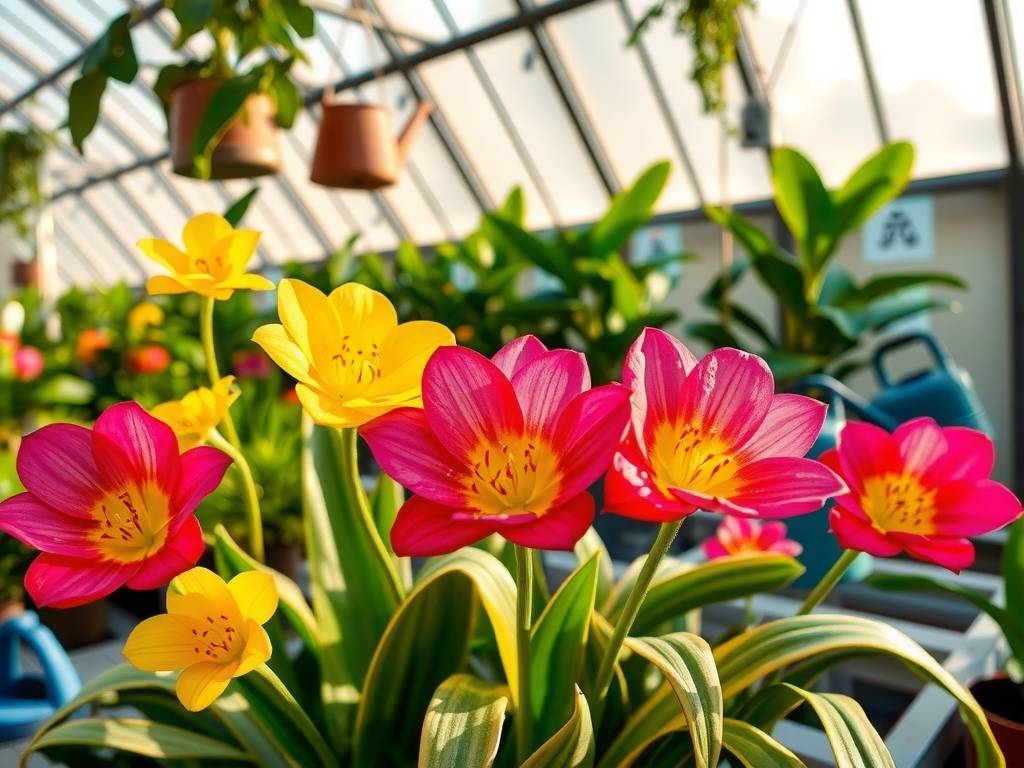
Epiphyllums, often called orchid cacti, are forest cacti native to tropical and subtropical regions. Unlike their desert cousins, they grow under the dappled canopy of trees. This origin story is crucial. It means they crave bright, but almost always indirect light for healthy Epiphyllum growth. Direct, harsh sunlight, especially during midday, can scorch their fleshy, leaf-like stems, causing yellow or brown patches that compromise plant health and future blooms.
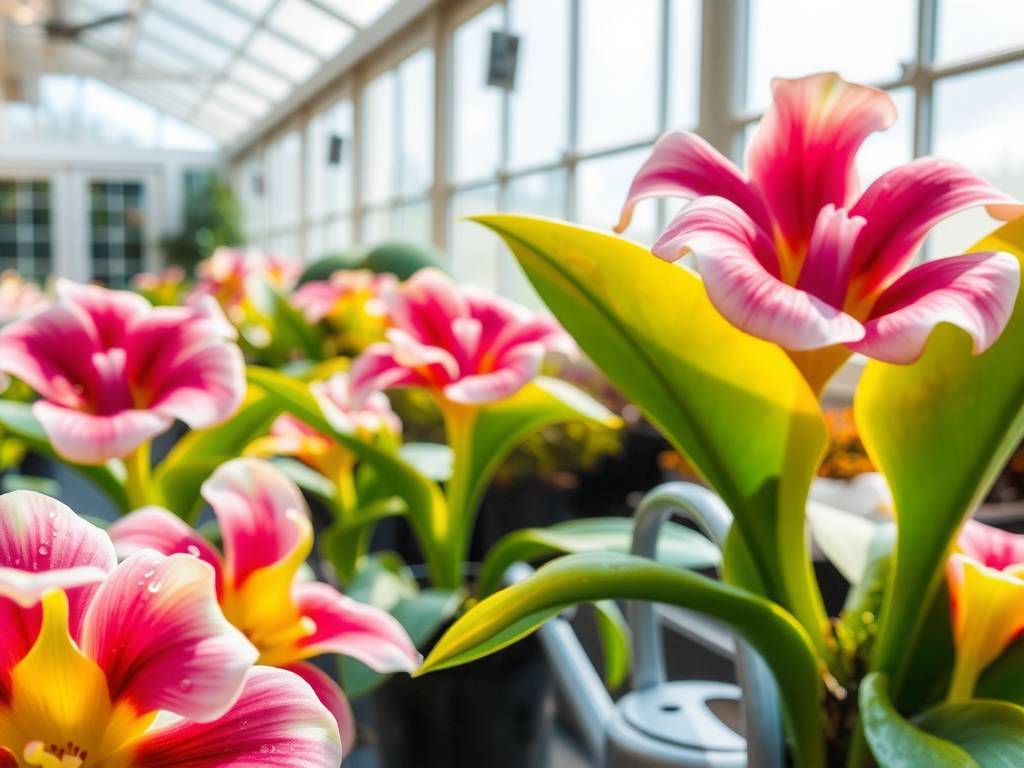
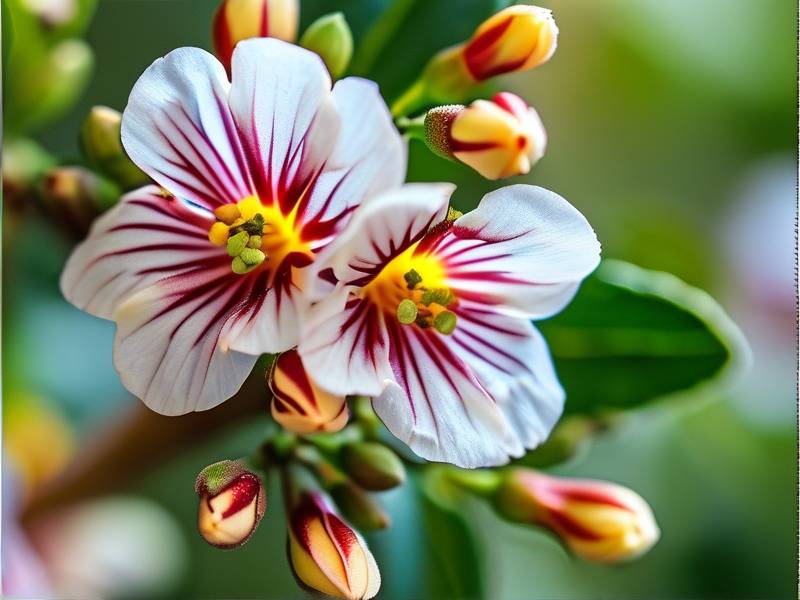
The science behind flower color is rooted in pigments like anthocyanins. These compounds are responsible for the brilliant reds, purples, and magentas in Epiphyllum flowers. Their production is highly light-dependent. According to principles supported by horticultural authorities like the American Horticultural Society (AHS), light intensity and quality directly influence the concentration of these pigments. Optimal light exposure for Epiphyllum flowering triggers and amplifies this biochemical process, leading to deeper, more saturated hues.
Crafting the Perfect Light Environment
So, how do you translate this need into action? The goal is to replicate the bright, filtered light of a forest understory.
Indoor Placement Strategies For indoor growers, east or north-facing windows are typically ideal. An east-facing window provides several hours of gentle morning sun, which is usually safe and beneficial. A north-facing window offers consistent, bright indirect light all day. South and west-facing windows pose a challenge due to intense direct sun. If these are your only options, you must use a filter. Place the plant several feet back from the window or employ a sheer curtain to diffuse the light. Observe the shadow test: a soft, blurred shadow indicates perfect indirect light; a sharp, dark shadow means the direct sun is too strong.
The Outdoor Balance During warmer months, moving your large Epiphyllum outdoors can supercharge its health and flower color potential. Acclimate it gradually over 7-10 days to prevent shock. Start in full shade, then move to dappled shade. The perfect outdoor spot is under a pergola, a tree with high canopy, or on a patio that receives only morning sun. The Royal Horticultural Society (RHS) advises that protected, bright shade encourages robust growth and bud formation in epiphytic cacti. This period of enhanced outdoor lighting for vibrant Epiphyllum blooms allows the plant to absorb a broader spectrum of light, directly contributing to pigment development.
Supplementing with Grow Lights In low-light homes or during dark winters, grow lights are a game-changer. They provide consistent, sufficient light for brighter flower color regardless of the weather outside. Full-spectrum LED lights are the best choice, as they mimic natural sunlight. Position the lights 12 to 18 inches above the plant, and set a timer for 12-14 hours per day to simulate a long summer day, which is the plant’s cue to initiate blooming.
Signs Your Epiphyllum is Getting the Right Light
A happy Epiphyllum communicates its satisfaction. Look for stems that are a rich, medium to deep green color. New growth should be firm and a slightly lighter green. The plant will maintain a compact, yet spreading form. Most importantly, you will see the formation of aerial roots along the stems and the emergence of flower buds from the areoles. These are clear signs of optimal light exposure for Epiphyllum flowering.
Conversely, understand the distress signals. Pale, yellowish, or bleached stems indicate too much direct light (sunburn). Elongated, thin, dark green stems that seem to be reaching are a classic sign of insufficient light, a condition called etiolation. A plant in deep shade may survive but will rarely, if ever, produce flowers, let alone brightly colored ones.
Integrating Light with Overall Care
Light doesn’t work in isolation. It’s the conductor of the entire care symphony. Proper Epiphyllum light conditions increase the plant’s metabolic rate, meaning it will use water and nutrients more efficiently.
- Watering: A plant receiving ample light will dry out its potting mix faster than one in low light. Always check the soil moisture before watering. The need for water is directly tied to light-driven evaporation and transpiration.
- Feeding: During the active growing season (spring and summer), feed your Epiphyllum with a balanced, water-soluble fertilizer diluted to half strength. The energy from light allows the plant to utilize these nutrients to build strong stems and flower buds. A high-potassium fertilizer as buds form can further support flower development and color.
- Seasonal Adjustments: Your light strategy must change with the seasons. Maximize light exposure in spring and summer to fuel growth and bud set. In fall and winter, the plant enters a slower growth phase. It still needs bright light, but you can reduce supplemental lighting hours slightly. This cooler, slightly drier rest period with good light is essential for triggering the next bloom cycle.
Can I use artificial light alone for my Epiphyllum? Yes, absolutely. High-quality full-spectrum LED or fluorescent grow lights can successfully support large Epiphyllum growth and flowering indoors. The key is providing sufficient intensity (lumens) and duration (12-14 hours daily). This method ensures consistent sufficient light for brighter flower color year-round, independent of window availability.
My Epiphyllum gets morning sun. Is that considered direct light? Gentle morning sun (typically before 10 AM) is generally beneficial and is often classified as "direct but mild." It provides excellent energy for photosynthesis without the intense heat of midday. However, always monitor your plant's stems. If you notice any bleaching or scorching, even in the morning, diffuse the light with a sheer curtain or move the plant back slightly.
Why are my buds falling off before they open? Bud drop can be heartbreaking and is often caused by a sudden environmental change after bud formation. A drastic shift in light levels is a common culprit. Once buds appear, avoid moving the plant to a significantly darker or brighter location. Other factors include underwatering, overwatering, or a significant temperature drop. Consistency in care, especially regarding proper Epiphyllum light conditions, is crucial from bud formation through flowering.
Achieving the breathtaking, vividly colored blooms that make the large Epiphyllum so coveted is a direct result of understanding and providing its light needs. It’s a dance of avoiding harsh direct rays while embracing abundant, bright indirect light. Whether through a perfect window placement, a sheltered outdoor summer spot, or the steady glow of a grow light, committing to sufficient light for brighter flower color is the most significant investment you can make in your plant. By observing its responses and integrating light with mindful watering and feeding, you create the ideal environment for it to thrive. Your reward will be those spectacular, deep-hued nocturnal flowers, a true testament to the power of perfect illumination.