bluename
 How to Care for Large Epiphyllum Oxypetalum - Care Tips to Extend Bloom Time
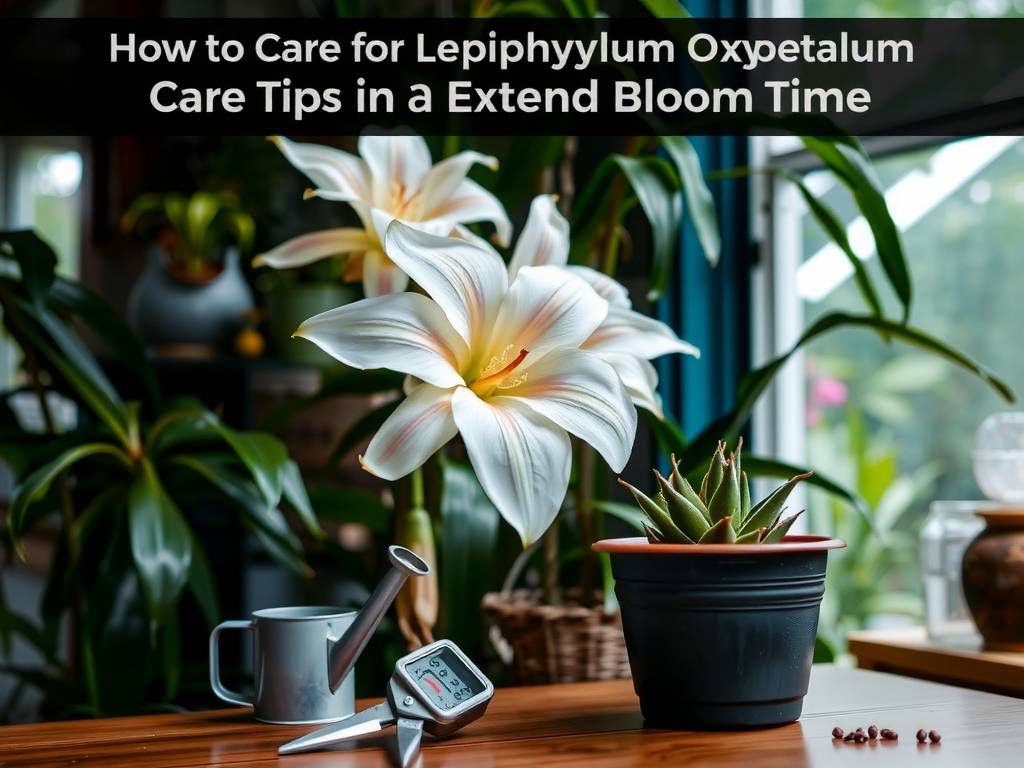
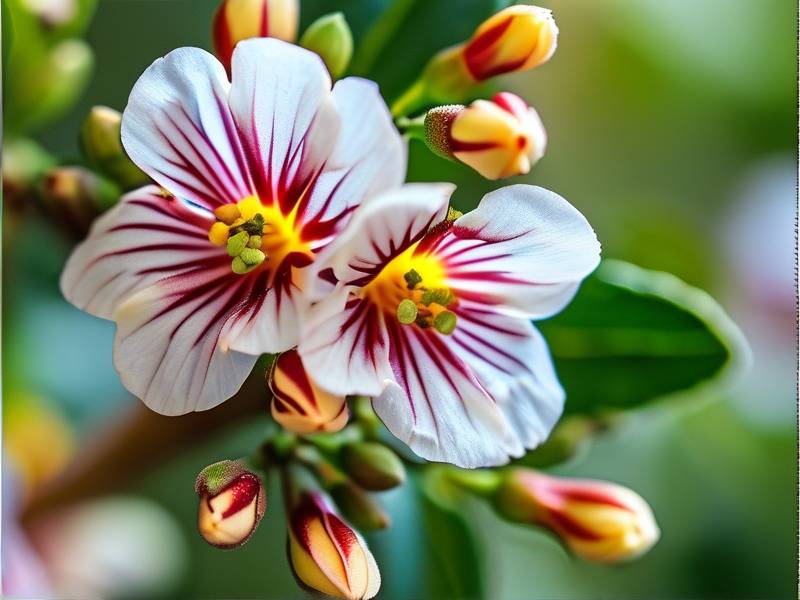
There's nothing quite as magical and fleeting as witnessing the spectacular bloom of a large Epiphyllum oxypetalum, often called the Queen of the Night or Dutchman's Pipe Cactus. Its enormous, fragrant flowers open for one glorious night, leaving growers with a sense of awe and, often, a tinge of disappointment when the show is over so quickly. If you've ever nurtured a large Epiphyllum oxypetalum to the budding stage only to feel the bloom time was frustratingly brief, you're not alone. The primary pain point for many enthusiasts is maximizing and extending that ephemeral display. The good news is that with targeted, expert care, you can significantly influence the health of your plant and the duration of its breathtaking nocturnal performance. This guide delves into the specific strategies for large specimens, providing actionable care tips to extend bloom time and ensure your Queen of the Night reigns gloriously.
Understanding Your Large Epiphyllum Oxypetalum
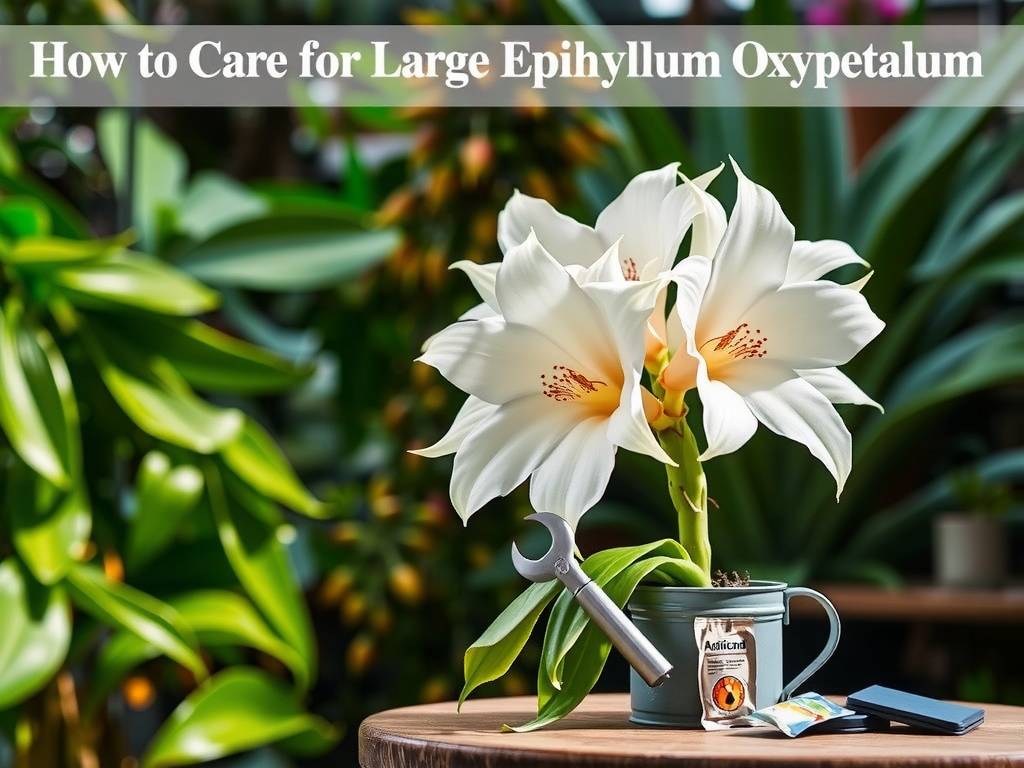
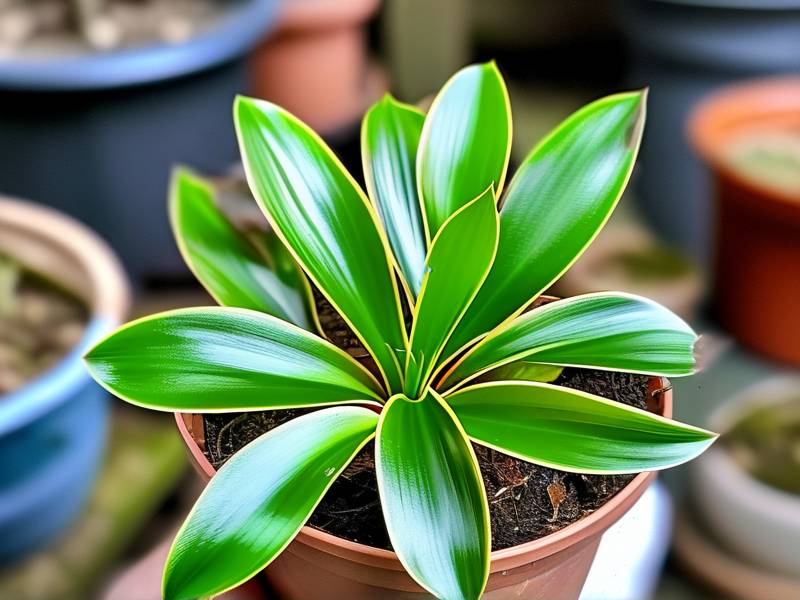
Before diving into advanced care, it's crucial to understand what makes a "large" Epiphyllum oxypetalum different. A mature, large plant typically has numerous long, arching, leaf-like stems (which are actually modified flattened stems called cladodes) that can reach several feet in length. This size indicates an established root system and a greater capacity for energy storage, which is directly linked to bloom production and longevity. However, its size also makes it more sensitive to environmental shifts and care routines. Proper care for these majestic plants isn't just about keeping them alive; it's about optimizing every condition to support spectacular, longer-lasting flowers.
Optimizing Light for Maximum Bloom Potential
Light is the primary engine of plant growth and the cornerstone of flower production. For a large Epiphyllum oxypetalum, getting this right is non-negotiable.
Provide Bright, Indirect Light Your large plant needs ample bright, filtered light to manufacture the sugars required for blooming. Direct, harsh afternoon sun can scorch its stems, leading to yellow or brown patches that compromise its health. An east-facing window, a spot with dappled sunlight, or a location behind a sheer curtain in a south or west window is ideal. According to the American Horticultural Society's (AHS) light guidelines, plants like Epiphyllums fall under the "Partial Shade" category, requiring protection from intense midday rays while still receiving generous ambient light.
The Role of Seasonal Light Changes Mimicking natural light cycles is a powerful method to prolong Epiphyllum oxypetalum flowering. In spring and summer, the long, bright days help the plant build robust stems and store energy. As fall approaches, the naturally shorter days and slightly lower light intensity signal to the plant that it's time to initiate flower buds. Resist the urge to supplement with bright artificial light in the evening during late summer and fall, as this can disrupt the budding cycle.
Mastering the Watering Cycle for a Large Plant
Watering is where most issues arise, especially with a large specimen in a sizable pot. The goal is to avoid both drought stress and root rot, while creating conditions that encourage blooming.
The Soak and Dry Method Thoroughly water your Epiphyllum until water runs freely from the drainage holes, then allow the top third to half of the soil to dry out completely before watering again. A large plant in a deep pot will take longer to dry out than a small one. Always check the soil moisture with your finger; don't rely on a schedule. During the active growing season (spring-summer), watering will be more frequent. In winter, when growth slows, water sparingly, just enough to prevent the stems from shriveling.
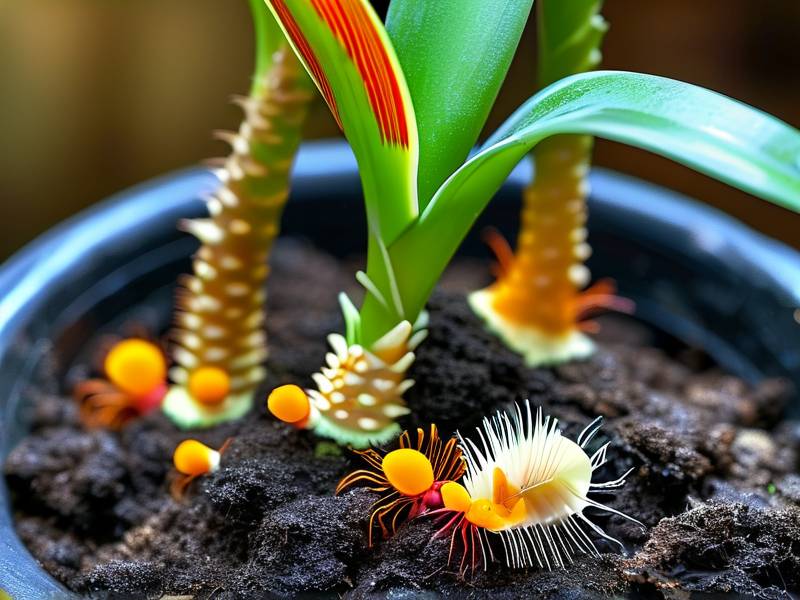
Watering to Encourage and Sustain Blooms When flower buds appear (they look like small, hairy casings at the stem edges), consistency is key. Do not let the plant become bone dry, as drought stress can cause buds to abort. Maintain a lightly moist (but never soggy) soil environment throughout the bud development and blooming period. This steady moisture supply is a critical strategy for longer lasting night-blooming cereus flowers, providing the hydraulic support needed for those massive blooms to open fully and turgidly.
Soil and Fertilization: The Nutritional Foundation
A large Epiphyllum oxypetalum has exhausted much of the nutrients in its potting mix over the years. Refreshing its soil and providing targeted feeding is essential for bloom support.
The Ideal Potting Mix These plants require an exceptionally well-draining, slightly acidic to neutral mix. A standard cactus/succulent soil is a good base, but for a large plant, enhance it further. Experts at the Royal Horticultural Society (RHS) recommend a mix of one part loam-based potting compost, one part coarse horticultural sand or perlite, and one part leaf mold or well-rotted compost. This provides drainage, aeration, and organic matter for sustained nutrient release.
Strategic Fertilization for Blooms Fertilizer is your best tool for directing your plant's energy. During the spring and early summer, feed every 2-4 weeks with a balanced, water-soluble fertilizer (e.g., 10-10-10) to support overall stem growth. To extend the blooming period of Queen of the Night, switch to a fertilizer higher in phosphorus (the middle number, like 5-10-5) in mid-to-late summer as bud initiation begins. Phosphorus is vital for flower development and can help promote a more robust and potentially lengthier bloom display. Cease all fertilization in late fall and winter.
Temperature, Humidity, and Seasonal Dormancy
The large Epiphyllum oxypetalum's bloom cycle is intimately tied to temperature fluctuations.
Cooler Nights are Crucial The trigger for flower bud formation is a combination of shorter days and cooler night temperatures. In late summer and fall, ensure your plant experiences a noticeable drop in temperature at night, ideally into the 50-60°F (10-15°C) range if possible. This mimics its natural habitat and is a non-negotiable signal for blooming.
The Importance of a Winter Rest A distinct winter rest period is vital for a large plant's long-term health and bloom set. From late fall to early spring, reduce watering significantly and place the plant in a cooler spot (around 50-55°F / 10-13°C). This dormancy allows it to conserve energy. Without this rest, the plant may continue producing stems but will likely offer few or no flowers the following season. Maintain moderate ambient humidity if possible, but avoid misting the stems directly, as this can promote fungal issues.
Troubleshooting Bud Drop and Short Bloom Time
Even with perfect care, a large Epiphyllum can sometimes drop buds or have a brief bloom. Here’s how to troubleshoot.
Avoid Environmental Shock The most common cause of bud drop is a sudden change in environment. Once buds are set, avoid moving the plant, drastic temperature swings, or changing its watering pattern. Consistency is paramount.
Supporting the Heavy Blooms On a large plant, flowers can be incredibly heavy. Ensure the plant is staked or has a supportive structure to prevent the weighty bloom from snapping the stem prematurely, which would abruptly end the display. Gently tying long stems to a support can prevent accidental damage.
Is it normal for my large Epiphyllum to only have a few flowers open at a time? Yes, this is completely normal. Even a very healthy, large specimen will typically open its enormous flowers sequentially over several nights, rather than all at once. The care tips outlined here aim to ensure each individual flower is at its best and that the plant has the energy to produce multiple blooms over a season.
Can I use grow lights to force my plant to bloom? While grow lights can supplement light for growth, forcing bloom is complex. The plant requires the specific seasonal cue of cooler night temperatures in conjunction with light cycles. Providing a consistent 10-12 hour "day" under lights and then ensuring a period of cooler, dark "nights" might simulate the conditions, but allowing it to follow natural seasonal rhythms is often more reliable for a large, established plant.
My plant is huge and healthy but hasn't bloomed in years. What's wrong? This is a classic sign of a missing "rest period." A large Epiphyllum oxypetalum that is kept warm and watered regularly year-round will grow stems but rarely set buds. The most effective solution is to provide a clear, cool, and dry winter dormancy for 8-10 weeks. This rest period is the essential reset that triggers the flowering cycle for the following season.
Caring for a large Epiphyllum oxypetalum is a rewarding long-term commitment. The journey to a spectacular, extended bloom revolves around understanding and replicating its natural cycles: bright but indirect light, precise watering that shifts with the seasons, a well-draining and nutritious soil foundation, and, most importantly, the gift of a cool, dry winter rest. By meticulously managing these elements, you move beyond basic survival and into the realm of cultivation artistry. You provide the precise conditions that convince your Queen of the Night to not only unveil her majestic flowers but to prolong her enchanting performance, turning a single night's wonder into a cherished, extended celebration of nature's beauty.