bluename
 How to Care for Large Hoya - Flower Promotion for Bigger & Brighter Blooms
You've nurtured your large Hoya into a magnificent, sprawling specimen. Its glossy, waxy leaves cascade beautifully, making it a stunning focal point. Yet, year after year, you wait for the main event—those spectacular, fragrant flower clusters—only to be met with silence. Your thriving green giant seems content to simply grow leaves, leaving you wondering what secret ingredient is missing for that breathtaking floral display. Achieving those bigger, brighter blooms on a mature Hoya isn't about luck; it's about understanding and replicating the specific conditions that signal it's time to shine.
This comprehensive guide dives deep into the specialized care a large, mature Hoya needs to transition from a foliage plant to a prolific bloomer. We'll move beyond basic care and focus on the advanced techniques that encourage flower promotion and maximize bloom size and vibrancy.
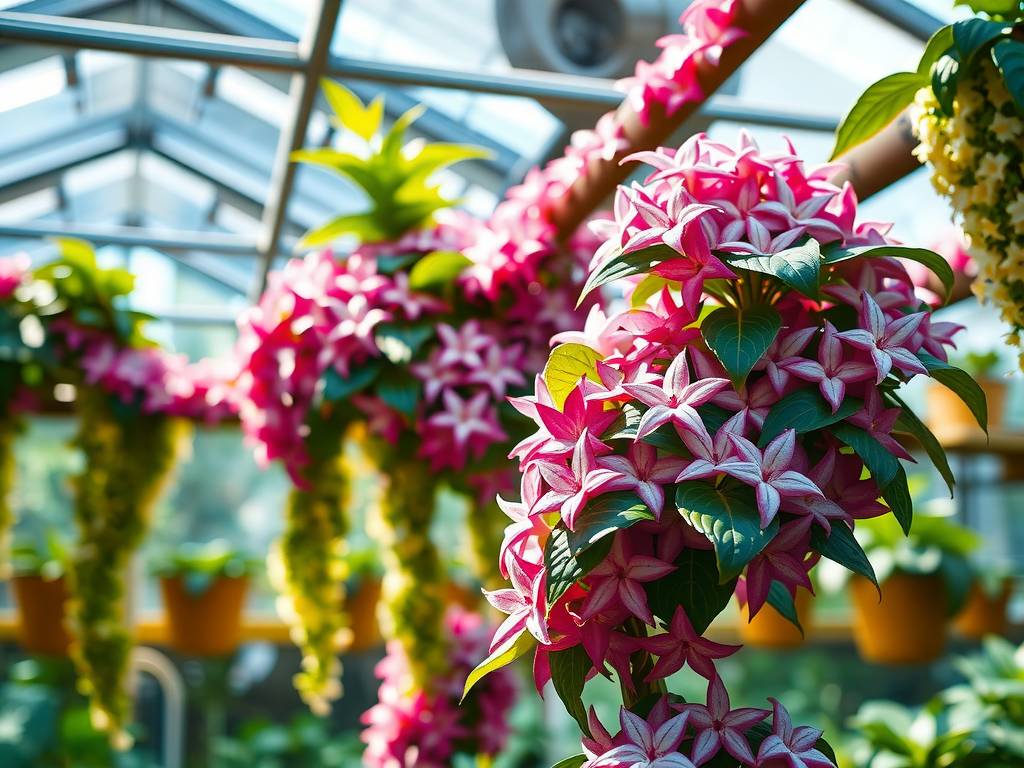
Understanding Your Large Hoya's Blooming Mindset
First, recognize that blooming is a energy-intensive process for a plant. A young Hoya is focused on establishing its root system and growing vines. A large Hoya, however, has the maturity and stored resources to support flowering. The key is to provide the environmental triggers and resources that convince it to allocate energy to blooms.
According to principles often emphasized by horticultural societies like the American Hoya Society (AHS), Hoyas are classic examples of plants that bloom on specialized structures called peduncles. These are short, knobby stems that form at the leaf axils. Once a peduncle develops, it will produce flower clusters season after season. Therefore, a primary goal in caring for a large Hoya is to encourage the formation and preservation of these peduncles.
Perfecting Light: The Non-Negotiable Bloom Trigger
Light is the single most critical factor for Hoya flower promotion. Insufficient light is the top reason large Hoyas fail to bloom.
Ideal Light Conditions for Maximum Blooms Your large Hoya needs very bright, indirect light for most of the day. An east-facing window is often ideal, providing gentle morning sun. A south or west-facing window can work perfectly if the light is filtered through a sheer curtain to prevent leaf scorch, which can be a risk with mature plants that have acclimated to lower light.
Signs Your Hoya Needs More Light for Flowering Leggy growth with increased space between leaves (internodes) is a clear sign. The plant may also appear generally "stretched" toward the light source. Deep green, lush leaves are good, but if combined with no blooms for years, it often means the light level is just sufficient for survival, not for the flowering process.
Expert Insight on Light Duration Research referenced by the Royal Horticultural Society (RHS) notes that many Hoya species are influenced by photoperiod (day length). While not strictly short-day plants, consistent, high-quality light during the growing season is paramount. Consider supplementing with a grow light if your natural light is inadequate. For a large plant, a broad-spectrum LED panel can provide the consistent intensity needed to trigger peduncle formation.
Strategic Watering: Balancing Growth and Bloom Stress
The common advice "let it dry out" is crucial, but for a large Hoya, it requires nuance. Controlled drought stress mimics the natural dry seasons many Hoyas experience in their native habitats, which can signal the plant to reproduce (flower) as a survival strategy.
The "Soak and Dry" Method for Mature Plants Water your large Hoya deeply and thoroughly until water runs freely from the drainage holes. Then, allow the potting mix to dry almost completely. You can test this by hefting the pot—it will feel significantly lighter—or by checking the top few inches of soil with your finger. For a large plant in a deep pot, this drying period may take longer than for a smaller plant.
Avoiding the Fatal Mistake Never let your Hoya sit in water. Soggy roots lead to root rot, which will kill the plant and certainly prevent any chance of flowering. Ensure your pot has excellent drainage. Underwatering is always safer than overwatering with Hoyas. A slightly wilted leaf can recover with water; rotten roots often cannot.
The Right Nutrition: Fueling Spectacular Flowers
Feeding your large Hoya correctly provides the building blocks for those bigger, brighter blooms. A balanced, bloom-boosting fertilizer is essential during the active growing season (spring and summer).
Choosing a Bloom-Focused Fertilizer Look for a fertilizer with a higher phosphorus (the middle number in the N-P-K ratio) content. A formula like 5-10-5 or 2-3-1 is often recommended by Hoya specialists. Phosphorus directly supports flower and root development. The American Hoya Society often suggests using a balanced orchid fertilizer, as it is formulated for epiphytic plants with similar needs.
Feeding Schedule for Flower Promotion Apply a half-strength dose of your chosen fertilizer every 3-4 weeks during spring and summer. In fall and winter, reduce feeding to once a month or stop altogether, depending on light levels. Over-fertilizing, especially with high nitrogen, will encourage more leaves at the expense of flowers.
Potting and Root Bound: A Delicate Dance
Here's a vital secret for getting large Hoya to bloom: they often flower more readily when slightly root-bound. A pot that is too large directs the plant's energy toward root expansion rather than flower production.
When to Repot a Large Hoya Only repot your large Hoya when absolutely necessary—perhaps every 2-4 years. Signs include roots growing profusely out of the drainage holes, water draining through instantly without being absorbed, or a complete halt in growth. When you do repot, choose a container only 1-2 inches larger in diameter.
The Ideal Potting Mix for Healthy Roots and Flowers Use a very airy, well-draining mix. A standard recipe is equal parts high-quality potting soil, orchid bark (or perlite), and coconut coir. This mimics their epiphytic nature, allowing roots to breathe and preventing rot. Healthy roots are the foundation for a blooming plant.
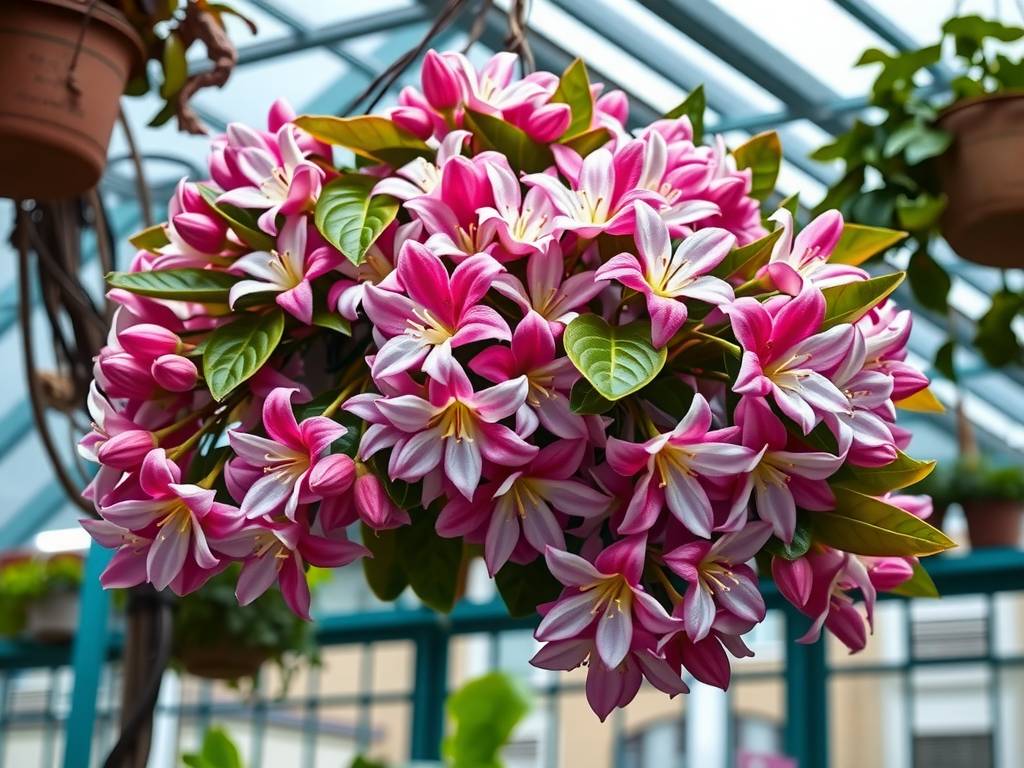
Temperature and Humidity: Creating a Tropical Microclimate
Large Hoyas appreciate consistency. A drop in temperature, particularly at night, can be a strong bloom trigger for some species.
Seasonal Temperature Swings If possible, provide a 10-15°F difference between day and night temperatures in the fall. This can be as simple as placing your plant in a cooler room at night. Avoid cold drafts, but a mild temperature drop signals seasonal change.
Optimizing Humidity for Lush Growth While many mature Hoyas can tolerate average household humidity, they thrive in levels of 50-60%. Higher humidity supports plump, healthy leaves and can reduce stress. Use a humidifier, a pebble tray, or group plants together to create a beneficial microclimate, especially during dry winter months.
Pruning and Peduncle Care: Protecting Future Blooms
Pruning a large Hoya must be done with knowledge and intention. Remember: never, ever cut off the peduncles (the flower spurs). These are perennial and will produce flowers for many years.
Where to Prune for a Bushier, Bloom-Ready Plant To encourage a fuller plant with more potential bloom sites, you can prune long vines. Make your cut just above a leaf node. This will often encourage two new vines to grow from that point, increasing the overall number of peduncle-producing stems.
Handling the Vine Allow your Hoya's vines to trail or climb. Do not constantly move or rearrange them. Once a vine has settled, it is more likely to initiate peduncle development. Constant disturbance uses energy the plant could dedicate to flowering.
Patience and Observation: The Final Ingredients
Finally, cultivate patience. A large Hoya may need a full season of optimal care under your new regimen before it decides to bloom. Observe your plant closely. Adjust one variable at a time (like light or feeding) and give it weeks to respond.
What are the most common reasons a large Hoya won't bloom? The top three reasons are insufficient light, overly frequent watering (which prevents the necessary dry cycle), and a pot that is too large. The plant may be putting all its energy into root growth rather than flowering. Assess these three factors first.
Should I use a bloom booster fertilizer on my Hoya? Yes, but with caution. A bloom booster (higher in phosphorus) can be beneficial during the growing season. However, it is not a magic solution. It only works in conjunction with perfect light and correct watering. Always dilute fertilizers to half-strength to avoid burning the roots of your mature plant.
My Hoya grew peduncles but the buds dried up and fell off. What happened? This is often caused by a sudden change in conditions when buds are forming. The most common culprits are moving the plant to a different location, a significant shift in temperature or humidity, or inconsistent watering (either drought stress or overwatering). Once buds appear, try to keep the plant's environment as stable as possible.
Caring for a large Hoya to achieve its full flowering potential is a rewarding journey that deepens your connection with the plant. By mastering the balance of intense light, strategic watering, targeted feeding, and understanding its preference for being snug in its pot, you provide the blueprint for success. Remember to preserve every peduncle, as each one is a promise of future floral displays. With consistent care and a dose of patience, you will transform your magnificent foliage plant into a breathtaking, fragrant spectacle, finally enjoying the bigger, brighter blooms that are the true hallmark of a well-loved, mature Hoya.