bluename
 How to Care for Large Dracaena Marginata - Sufficient Light for Vibrant Color
You've invested in a stunning, large Dracaena marginata, drawn to its sculptural form and the promise of its vibrant, sword-like leaves. Yet, instead of the rich, deep greens and fiery red margins you envisioned, your plant's colors seem dull, faded, or even washed out. New growth might be sparse and leggy, stretching awkwardly toward the nearest window. This common frustration stems from one often-misunderstood factor: light. Achieving and maintaining the vibrant color that makes the Madagascar dragon tree so captivating hinges entirely on providing sufficient, appropriate light. This guide will demystify the light requirements for your large Dracaena marginata, transforming it from a merely surviving houseplant into a thriving centerpiece of vibrant color.
Understanding Your Plant's Natural Habitat
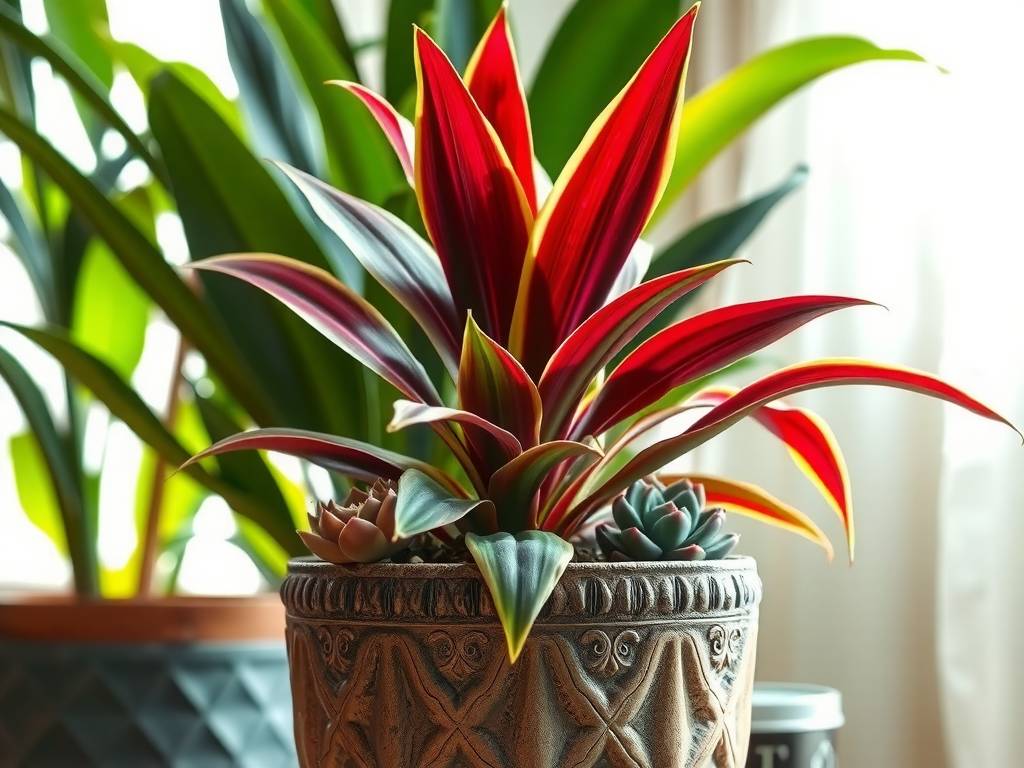
To replicate ideal conditions, we must first look to its origins. The Dracaena marginata is native to Madagascar, an island known for its intense sunlight and well-drained, arid regions. In its natural habitat, it grows under the bright, dappled light of taller trees or in open areas with plenty of bright, indirect light. It is not a deep forest understory plant accustomed to deep shade. This evolutionary history is written in its leaf structure. The narrow, leathery leaves are adapted to conserve moisture and withstand higher light levels. When we place it in a dim corner, we work against its fundamental biology. The Royal Horticultural Society (RHS) classifies Dracaena marginata as a plant suitable for bright, indirect light, noting that insufficient light leads to loss of leaf variegation and poor growth.
What "Sufficient Light" Really Means
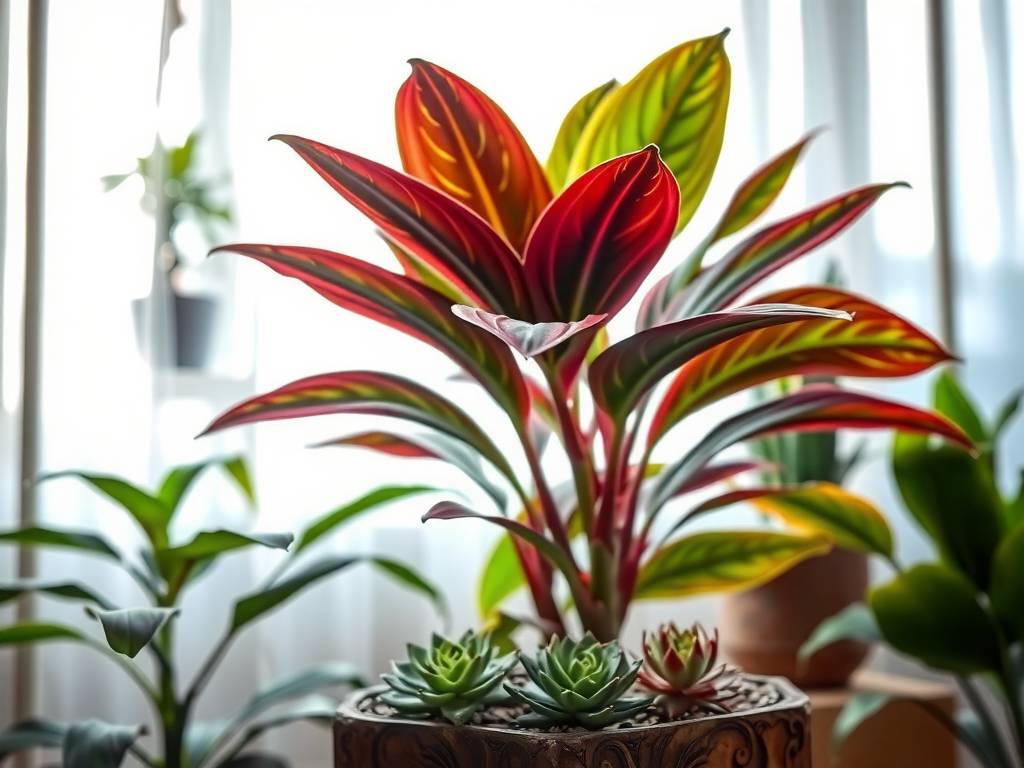
The term "bright, indirect light" is the gold standard for Dracaena marginata color development. But what does this look like in your home?
Bright, indirect light is found in a room with a large, sunny window, but where the plant is placed back from the window or to the side, so the sun's rays never directly hit the foliage. A south or west-facing window with a sheer curtain is perfect. The shadow test is an excellent tool: in bright, indirect light, your plant should cast a soft, but defined shadow.
Direct sunlight, especially the harsh afternoon sun through a west-facing window, can be detrimental. It can scorch the leaves, causing dry, brown patches and bleached, crispy tips. While mature plants can tolerate some gentle morning sun, prolonged direct exposure is a common cause of leaf burn.
On the other end of the spectrum, low light will cause your plant to lose its vibrant color. The rich green fades to a pale, yellowish hue, and the characteristic red or purple margins become faint or disappear entirely. The plant will also become "leggy," with abnormally long stems and wide gaps between leaves as it desperately stretches for a light source.
Optimizing Light Placement for Large Specimens
A small Dracaena can be moved easily, but a large, floor-standing specimen presents a bigger challenge. You can't simply shuffle it around daily. Therefore, choosing the right permanent or semi-permanent location is critical.
For rooms with south or west exposure, position the plant 3 to 6 feet away from the window. Utilize the filtered light provided by a sheer curtain or a nearby wall that reflects light. East-facing windows provide wonderful gentle morning light, and a large Dracaena can often sit closer to these windows without risk of scorching. North-facing rooms are typically the most challenging, as they offer the lowest light levels. Here, your plant must be placed directly in the north-facing window to receive the maximum available light, and even then, vibrant color may be difficult to sustain without supplemental help.
Remember to rotate your large Dracaena marginata a quarter turn every time you water it. This ensures all sides receive even light, promoting symmetrical growth and preventing the plant from leaning heavily toward the light source. Consistent, even exposure is key for uniform vibrant color across the entire canopy.
Signs Your Light Levels Are Incorrect
Your plant communicates its health through its leaves. Learning to read these signs allows you to correct course before significant damage occurs.
Signs of Too Little Light:
- Fading or loss of the red/purple leaf margins.
- Overall leaf color turning from deep green to a pale, washed-out green or yellow.
- Leggy growth with excessive stem between leaf clusters.
- Slowed or completely halted new growth.
- Smaller than usual new leaves.
Signs of Too Much Direct Sun:
- Scorched, dry, brown spots or patches on the leaves, often in the center of the leaf where the sun hit most directly.
- Bleached, whitish or pale yellow areas on the foliage.
- Crispy, brown leaf tips that may be accompanied by general dryness (though this can also indicate low humidity).
Supplemental Lighting: A Game-Changer for Vibrant Color
In darker homes or during the short, dim days of winter, supplemental grow lights are not just helpful; they are essential for maintaining vibrant color in a large Dracaena marginata. Modern full-spectrum LED grow lights are energy-efficient, produce little heat, and can be installed in ways that are aesthetically pleasing.
For a large floor plant, consider a standing grow light fixture that arches over the plant or a sleek, directional spotlight-style grow light that can be mounted nearby. The goal is to provide 6-10 hours of supplemental light per day, mimicking a long, bright day. The American Horticultural Society (AHS) highlights that advances in LED technology now allow indoor gardeners to provide precise light spectra, promoting not just growth but also enhanced pigmentation and color in foliage plants. By using a grow light, you take full control, ensuring your Dracaena receives consistent, sufficient light year-round for sustained vibrant color.
The Synergy of Light and Care
While light is the primary driver of color, it works in concert with other care factors. A plant stressed by improper watering or nutrient deficiency cannot express its full color potential, even in perfect light.
Watering must be adjusted based on light. A Dracaena in bright, indirect light will use water more quickly and may require more frequent watering than one in low light. Always check the soil moisture first. The top 1-2 inches of soil should dry out between waterings. Overwatering in low light is a fast track to root rot and leaf drop.
Feeding supports the energy-intensive process of producing colorful new growth. During the active growing season (spring and summer), feed your large Dracaena marginata with a balanced, water-soluble fertilizer diluted to half-strength every 4-6 weeks. Do not fertilize in fall and winter when light levels and growth slow down. A healthy, well-fed plant has the resources to produce the large, richly colored leaves you desire.
Why are the tips of my Dracaena marginata turning brown, even though it's in bright light? Brown tips are often a sign of low humidity or inconsistent watering (either too much or, more commonly, letting the soil get bone dry for too long). While sufficient light governs the leaf's color, humidity and water impact its cellular health. Increase humidity around the plant with a pebble tray or humidifier, and ensure you are watering thoroughly when the top soil is dry.
Can I put my large Dracaena marginata outside in the summer? Yes, this can be highly beneficial for boosting vibrant color. Acclimate it slowly over 7-10 days, starting in full shade, then moving to dappled shade, and finally to a spot with bright, filtered light (like under a patio umbrella or a tree). Never place it in direct, hot afternoon sun. The increase in natural light intensity and duration often leads to a dramatic deepening of leaf colors. Remember to bring it back inside well before nighttime temperatures drop below 55°F (13°C).
My plant is very tall and the top is green, but the lower leaves have lost their red color. Is this normal? This is a common occurrence as the plant ages and focuses energy on new growth at the apex. However, it can be exacerbated by lower light levels reaching the bottom leaves. Ensure the overall light in the room is sufficient and that you are rotating the plant for even exposure. You can also consider gently pruning the top to encourage bushier growth lower down, but the natural aging and shedding of lower leaves is part of its growth habit.
Providing sufficient light is the most powerful tool you have to unlock the stunning, vibrant color of your large Dracaena marginata. It requires understanding its needs, carefully observing its response, and being willing to adjust its position or supplement with artificial light. By placing your Madagascar dragon tree in a spot with plentiful bright, indirect light, you align its environment with its natural instincts. The result is a resilient, actively growing plant that showcases the full, fiery beauty of its red-edged leaves, turning it from a simple piece of decor into a dynamic and vibrant testament to successful plant care.