bluename
 How to Care for Large Cordyline Fruticosa: Mastering Water Control to Boost Red Leaves
You've invested in a stunning large Cordyline fruticosa, drawn by its promise of dramatic, burgundy-red foliage. Yet, instead of the vibrant crimson canopy you envisioned, you're facing pale, washed-out leaves, worrying brown tips, or worse—a plant that seems perpetually unhappy. The secret culprit often isn't light or fertilizer, but the most fundamental aspect of care: water. Achieving those deep, rich red leaves is directly tied to mastering hydration. This guide will transform your approach, turning water from a guessing game into a precise tool for enhancing color and health.
Understanding Your Plant's Needs
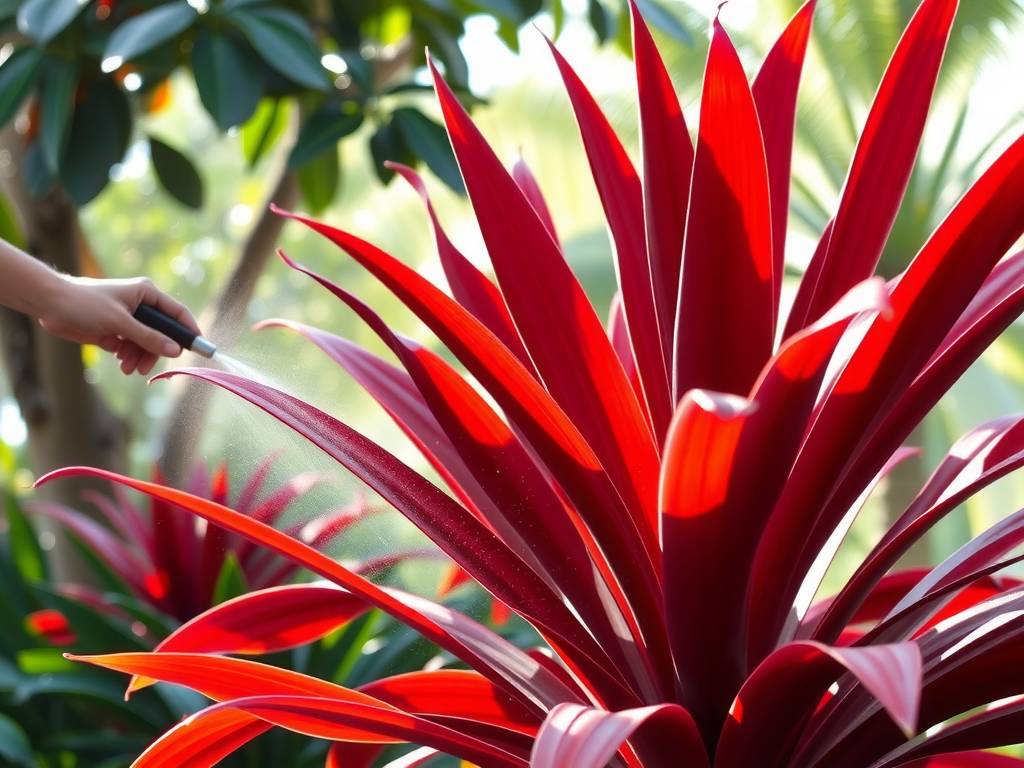
Cordyline fruticosa, commonly known as the Ti plant or Hawaiian good-luck plant, is a tropical evergreen. In its native habitats, it enjoys consistent moisture but within well-draining conditions. For large specimens, the stakes are higher. Their extensive root systems and greater leaf mass make them sensitive to both drought and sogginess.
The core challenge is balance. Under-watering stresses the plant, causing it to conserve resources and often resulting in dull, dry foliage. Over-watering, however, is far more insidious. It suffocates roots, leading to rot, which prevents the uptake of water and nutrients—paradoxically causing symptoms that mimic drought while simultaneously leaching nutrients essential for vibrant pigmentation.
The Direct Link Between Water and Red Leaf Color
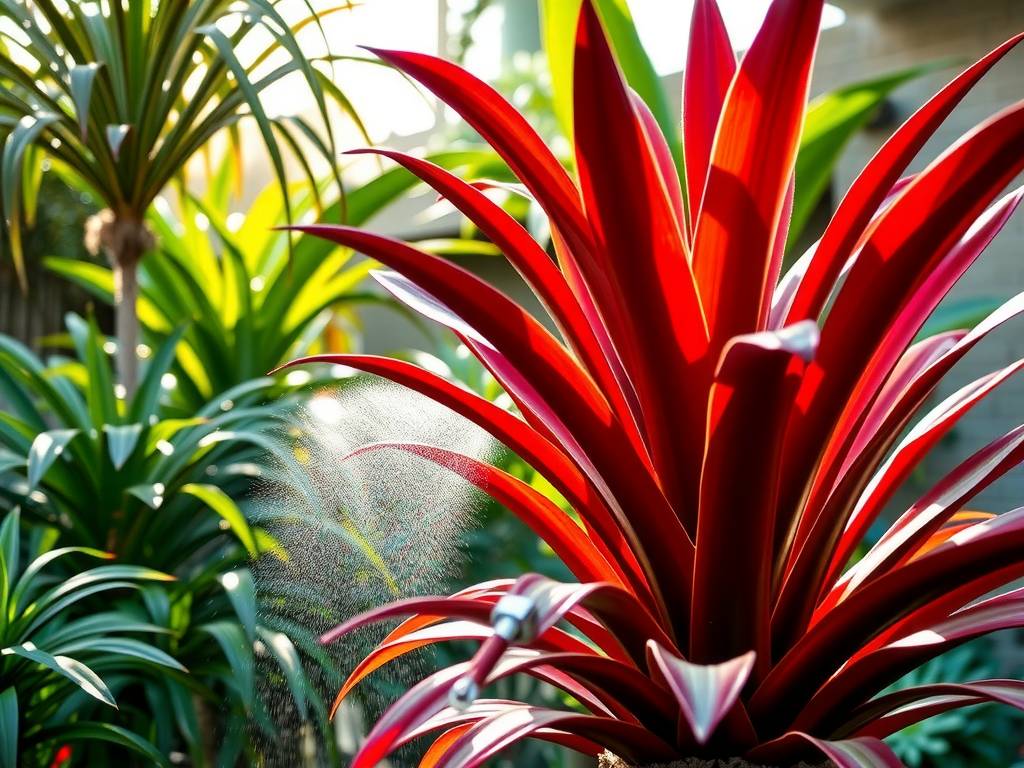
The brilliant reds and purples in Cordyline leaves come from pigments called anthocyanins. These pigments are influenced by several factors, with light being the primary driver. However, water management plays a critical supporting role. Proper hydration ensures the plant is healthy and metabolically active, able to produce and maintain these pigments effectively.
According to principles outlined by the Royal Horticultural Society (RHS), consistent moisture stress can inhibit a plant's overall physiological processes. When a plant is water-stressed, its priority shifts to survival over aesthetic traits like intense leaf coloration. Conversely, a waterlogged plant cannot absorb magnesium—a central component of chlorophyll—or other micronutrients, leading to chlorosis (yellowing) that masks the red anthocyanins, resulting in a muddy, brownish appearance.
Your Step-by-Step Guide to Perfect Watering
Forget rigid schedules. Effective watering is about observation and responding to your plant's environment.
Assessing When to Water
The "finger test" is your most reliable tool. Insert your index finger into the soil up to the second knuckle (about 2 inches deep). For a large Cordyline in a substantial pot, this is the minimum depth to check. Water only when the top 1-2 inches of soil feel completely dry. The soil below should feel slightly cool and barely moist, not wet. Lift the pot if possible. A thoroughly dry pot will be significantly lighter than a watered one. This "heft test" becomes intuitive over time. Observe the leaves. Slight drooping or a loss of rigidity in the younger leaves can be an early sign of thirst. However, wait for soil confirmation to avoid over-correction.
Mastering the Watering Technique
When you water, do so thoroughly. Apply water slowly at the soil base until you see it freely running out of the drainage holes. This ensures the entire root ball is moistened. Always empty the saucer or cache pot 15-20 minutes after watering. Never let the plant sit in standing water, as this is a guaranteed path to root rot. Use room-temperature or tepid water. Cold water can shock the tropical roots, potentially causing leaf drop. Consider the season. During active growth (spring and summer), your plant will drink more frequently. In fall and winter, reduce watering significantly, allowing the soil to dry out more between sessions.
Optimizing Environmental Factors
Your watering frequency is dictated by your home's environment. Light, temperature, and humidity all play a part. A plant in bright, indirect light will use water faster than one in lower light. More light also encourages richer color. Higher temperatures and lower humidity increase transpiration (water loss from leaves), necessitating more frequent watering. Grouping plants or using a humidifier can help stabilize moisture levels. Pot selection is crucial. Ensure your pot has ample drainage holes. Terracotta pots are excellent as they allow soil to dry more evenly through evaporation from their walls.
Advanced Tips to Intensify Red Foliage
Once you've mastered consistent watering, you can fine-tune other factors to work in synergy with your hydration strategy.
Balanced Fertilization for Color Support
A balanced, water-soluble fertilizer (with equal NPK numbers like 10-10-10 or a slightly higher nitrogen ratio) applied monthly during the growing season supports overall health. Avoid over-fertilizing, especially with high-phosphorus blends, as this can force excessive green growth at the expense of red pigment. The American Horticultural Society (AHS) notes that nutrient balance is key for optimal expression of foliage color. Consider an occasional supplement with micronutrients like magnesium and iron, but only if you suspect a deficiency confirmed by a soil test.
The Essential Role of Light
Water control allows your plant to healthily process ample light, which is the non-negotiable trigger for red pigment production. Provide bright, indirect light for at least 6 hours daily. Some direct morning sun can be beneficial, but harsh afternoon sun can scorch the leaves. If red leaves are fading to green, the plant likely needs more light. Adjust its position gradually to avoid shock.
Proper Potting Mix for Drainage
The right soil is your watering ally. Use a well-draining, peat-based potting mix amended with perlite, orchid bark, or coarse sand. A mix designed for palms or dracaenas is often suitable. This structure allows water to flow through freely, providing hydration without waterlogging, creating the "consistently moist but not soggy" environment Cordylines crave.
Troubleshooting Water-Related Issues
Brown, Crispy Leaf Tips: This is often a sign of low humidity or inconsistent watering where the soil dries out too much between drinks. Increase humidity and check soil moisture more regularly. Yellowing Lower Leaves: If accompanied by wet soil, it's a classic sign of over-watering. Allow the soil to dry much more deeply before watering again. Check for root rot by inspecting the roots—healthy ones are firm and white or light tan. Sudden Leaf Drop: Can be caused by cold water shock, a drastic change in watering frequency, or severe root rot from chronic over-watering. Pale, Washed-Out Leaves: While often a light issue, it can be exacerbated by poor watering that limits nutrient uptake. Review both your light exposure and watering regimen.
Frequently Asked Questions
Why are the red leaves on my Cordyline turning green? This is primarily a light issue. Your plant is not receiving enough bright, indirect light to stimulate anthocyanin production. While proper watering keeps the plant healthy enough to produce color, it cannot compensate for insufficient light. Gradually move your plant to a brighter location.
How often should I water my large Cordyline in winter? Water much less frequently. The goal is to keep the soil from becoming bone dry, but allow it to dry out to about 50-75% of the pot's depth between waterings. This could mean watering only every 3-4 weeks, depending on your indoor heating and humidity. Always rely on the finger test over a calendar.
Can I use tap water for my Cordyline? It depends on your water quality. Cordylines can be sensitive to fluoride and salts found in some tap water, which can accumulate in the soil and cause leaf tip burn. If you notice brown tips despite good humidity and watering, try using filtered, distilled, or rainwater for a few months to see if the new growth improves.
Caring for a large Cordyline fruticosa is a rewarding practice in mindful plant stewardship. The journey to spectacular red leaves is built on the foundation of precise water control. By learning to read your plant's signals and its environment, you provide the stable hydration it needs to thrive. This stability, combined with adequate light and balanced nutrition, allows the inherent vibrant red pigments to flourish. Remember, a consistently cared-for plant is a resilient and beautiful one. Your attention to the rhythm of watering is the most significant gift you can give your tropical centerpiece, ensuring it remains a bold and colorful focal point for years to come.