bluename
 How to Care for Large Chamaedorea Elegans - Division Propagation for Denser Form
Your large, beautiful Parlor Palm (Chamaedorea elegans) has been a graceful companion for years, but lately, you might notice it's looking a bit sparse. Perhaps it's become tall and leggy, or the once-dense clump now reveals more soil than foliage. You love its air-purifying qualities and tropical elegance, but you wish it were fuller, lusher, and more vibrant. The good news is, you don't need to buy a new plant. The secret to rejuvenating your mature Chamaedorea elegans and achieving that coveted denser form lies in a simple yet powerful technique: division propagation. This guide will walk you through everything you need to know about caring for your large Parlor Palm and successfully dividing it to create multiple, fuller plants.
Understanding Your Large Chamaedorea Elegans
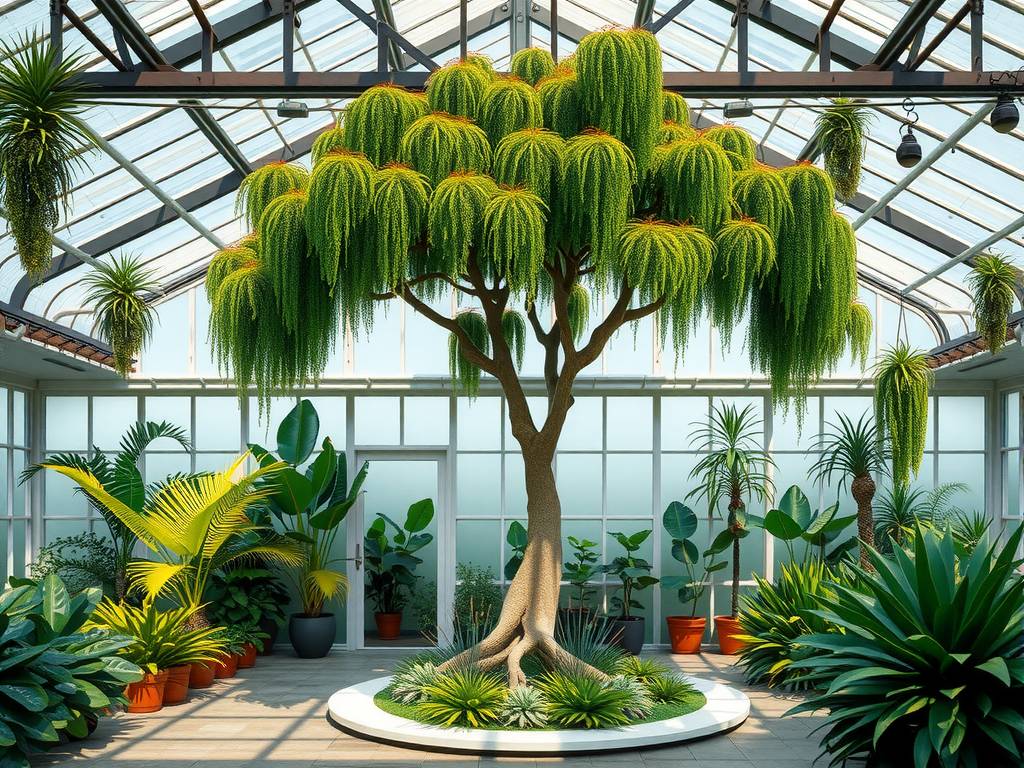
Before we delve into the division process, it's crucial to understand what makes your large Parlor Palm tick. Native to the rainforests of Southern Mexico and Guatemala, Chamaedorea elegans is an understory plant. This means it thrives in bright, indirect light and appreciates consistent moisture without being waterlogged. A mature, large specimen is typically a cluster of multiple slender stems, each growing from its own root system. This natural clumping habit is precisely what makes division not only possible but highly effective.
Signs Your Palm is Ready for Division
How do you know if your large Parlor Palm is a good candidate for division propagation to improve its form? Look for these key indicators:
- Visible Multiple Crowns: You can clearly see separate groups of stems emerging from the soil, often slightly spaced apart.
- Pot-Bound Roots: Roots are circling the inside of the pot or growing out of the drainage holes. The plant dries out very quickly after watering.
- Leggy or Sparse Growth: The center of the clump may be thinning, with growth primarily on the outer edges, leading to a less dense appearance.
- Slowed Growth: Despite proper care, the plant seems to have plateaued in size and vitality.
Essential Pre-Division Care
A successful division starts with a healthy parent plant. Ensure your palm is in optimal condition in the weeks before the procedure.
- Light: Provide bright, indirect light. Avoid direct sun, which can scorch the leaves.
- Watering: Water when the top inch of soil feels dry. The Royal Horticultural Society (RHS) advises ensuring good drainage to prevent root rot, a common issue with compacted soil in mature plants.
- Humidity: While tolerant of average humidity, boosting moisture levels will support healthier foliage. Misting or using a pebble tray can help.
- Nutrition: Feed with a balanced, diluted liquid fertilizer monthly during the growing season (spring and summer).
The Step-by-Step Guide to Division Propagation for a Denser Form
This process will help you transform one large, potentially sparse palm into several denser, more manageable plants. Always use clean, sharp tools to prevent infection.
Gathering Your Supplies You will need: fresh, well-draining potting mix (a peat-based mix with perlite is ideal); clean pots with drainage holes (one for each division); pruning shears or a sharp knife; gardening gloves; and a tarp or newspaper for the work area.
Step 1: Preparing the Plant Water your Chamaedorea elegans thoroughly 24-48 hours before division. This hydrates the roots and makes the root ball more cohesive and easier to work with, reducing transplant shock.
Step 2: Removing the Plant from Its Pot Lay the pot on its side. Gently squeeze the pot or tap its sides to loosen the root ball. Carefully pull the plant out by the base of the stems, not the fronds. If it's stubborn, you may need to run a knife around the interior edge of the pot.
Step 3: Inspecting and Loosening the Root Ball Once removed, gently shake off excess soil so you can see the root structure. You'll likely see natural lines where the plant has formed distinct clumps. Using your fingers, carefully tease apart the root masses. For very tight, woody roots, you may need to use your sterilized knife to make a clean cut to separate them. The American Horticultural Society (AHS) emphasizes minimizing root damage during this process to ensure quicker recovery.
Step 4: Dividing the Clump Identify sections that have at least 3-5 healthy stems and their own ample root system. Gently but firmly pull these sections apart. It's better to have fewer, stronger divisions than many weak ones. If a stem is yellowed or damaged, trim it off at the base.
Step 5: Potting Up the Divisions Fill the bottom of your new pots with fresh potting mix. Place a division in the center, ensuring it sits at the same soil depth as before. Fill in around the roots with more mix, gently firming it down to eliminate large air pockets. Leave about an inch of space at the top for watering.
Step 6: The Critical Aftercare This is vital for promoting a denser, bushier form in your new plants.
- Water Thoroughly: Water each division well until water runs freely from the drainage holes. This helps settle the soil around the roots.
- Provide Ideal Conditions: Place the pots in a warm location with very bright, indirect light. Avoid direct sunlight.
- Boost Humidity: Create a humid microenvironment. You can loosely cover the plants with a clear plastic bag for a week or two, opening it daily for air circulation. This reduces moisture loss while the roots establish.
- Hold Off on Fertilizer: Do not fertilize for at least 4-6 weeks to avoid burning the new, sensitive roots.
Post-Division Care for Lush, Dense Growth
Your new divisions are now on their way to becoming denser, fuller Parlor Palms. Consistent care is key.
- Watering Regimen: Keep the soil consistently moist but not soggy. The top inch should dry slightly between waterings.
- Light for Density: Bright, indirect light is non-negotiable for encouraging compact, dense growth. Low light leads to leggy, sparse stems.
- Fertilizing for Health: After the first month, resume a monthly feeding schedule with a balanced fertilizer during the growing season.
- Pruning for Form: As new shoots emerge from the base—which they will after division—you can occasionally trim off any older, yellowing fronds at the stem base to direct energy to new growth, enhancing the dense form.
Troubleshooting Common Post-Division Issues
- Transplant Shock (Wilting): Some wilting is normal. Maintain high humidity and keep the soil lightly moist. Avoid moving the plant.
- Yellowing Leaves: This can indicate overwatering, especially in the larger pot volume. Ensure the pot drains well and let the soil dry a bit more between waterings.
- Slow Growth: Be patient. The plant is focusing its energy on root development underground. New frond growth is a sign of success.
How long will it take for my divided Chamaedorea elegans to look full again? Patience is essential. You may see some initial wilting as the plant adjusts. New growth, indicating successful establishment, typically begins within 4-8 weeks. It may take a full growing season (6-12 months) for the division to develop into a visibly dense, bushy plant as it produces new shoots from the base.
Can I divide a Chamaedorea elegans that only has one stem? No, division is only possible for plants that have naturally formed a clump with multiple stems and root systems. A single-stemmed palm cannot be divided. To encourage a denser look in a single-stem plant, focus on optimal care to support its overall health and consider pairing it with other smaller plants in a container for a fuller aesthetic.
What is the best time of year to divide a large Parlor Palm? The ideal time is in the spring or early summer, at the start of the active growing season. This gives the divisions the entire period of warm weather and long days to recover from the stress of division and establish strong new roots, setting them up for a denser growth form.
Caring for a large Chamaedorea elegans and mastering division propagation is a rewarding journey that extends the life and beauty of your plant. By understanding its needs and proactively dividing a mature clump, you directly address the common problem of sparse, leggy growth. This process not only rejuvenates the original plant's potential for denser foliage but also grants you the joy of multiple, thriving palms. With the right post-procedure care—prioritizing humidity, gentle light, and careful watering—each division will establish itself and gradually unfurl new fronds, transforming into the lush, tropical centerpiece you envision. Remember, the key to a denser form lies not just in the single act of dividing, but in the consistent, attentive care that follows.