bluename
 How to Care for Large Areca Palm - Prune Yellow Leaves to Promote New Growth
Seeing yellow leaves on your large areca palm can be alarming. It’s a common frustration for plant owners who want a lush, vibrant indoor jungle. But here’s the good news: yellowing is often a natural part of growth and a clear signal your palm needs attention. Learning how to properly care for your large areca palm, especially by pruning yellow leaves, is the key to unlocking vigorous new growth and maintaining its stunning, feathery appearance. This guide will walk you through a complete care routine, with a special focus on strategic pruning to keep your palm healthy and thriving.
Understanding Your Large Areca Palm’s Needs
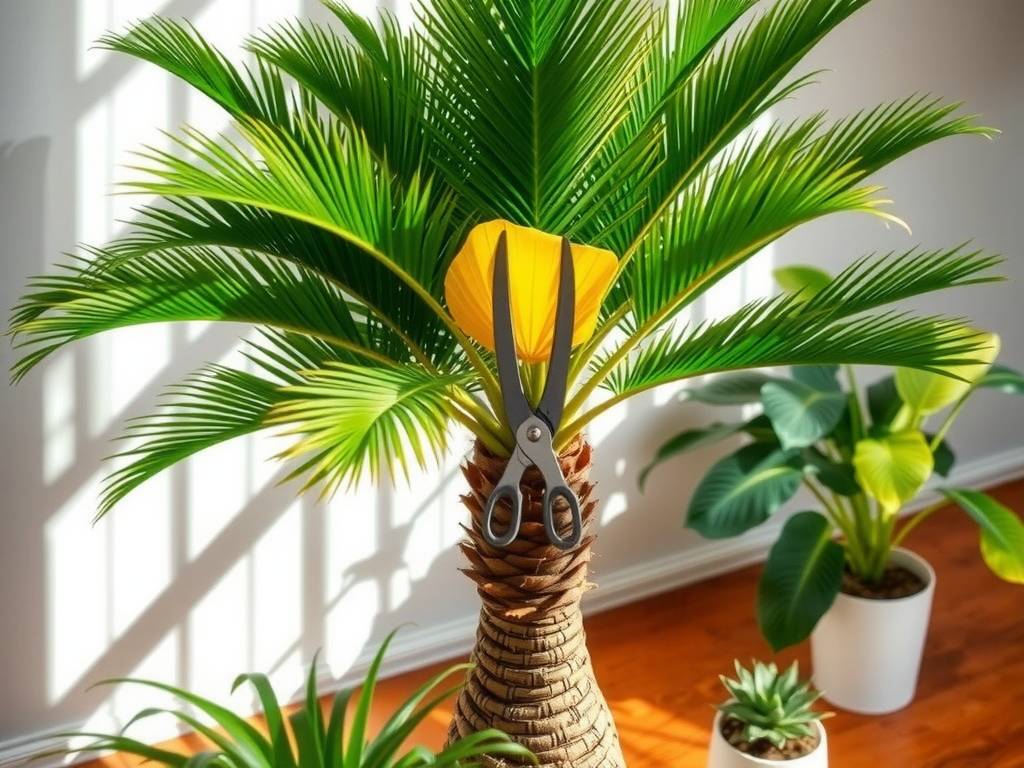
The areca palm, scientifically known as Dypsis lutescens, is a popular choice for interiorscaping due to its graceful, arching fronds and air-purifying qualities. A mature, large areca palm can become a stunning focal point. However, its size means it has specific, non-negotiable requirements for light, water, and nutrients. When these needs aren’t met, the plant communicates through its leaves, with yellowing being the most common distress call.
Why Do Areca Palm Leaves Turn Yellow?
Before you reach for the pruners, it’s crucial to diagnose the cause. Pruning addresses the symptom, but correcting the underlying issue prevents future yellowing.
- Natural Shedding: It’s normal for the oldest, lowest fronds to gradually yellow and die as the plant directs energy to new top growth.
- Overwatering: This is the leading cause of problematic yellowing. Soggy soil suffocates roots, leading to root rot, which manifests as yellow, often mushy leaves.
- Underwatering: While more drought-tolerant than some palms, consistent dryness causes fronds to turn yellow, then brown and crispy.
- Light Stress: Too much direct, harsh sunlight scorches leaves, causing yellow or brown patches. Too little light starves the plant, leading to overall pale or yellowing growth.
- Nutrient Deficiency: A lack of essential nutrients like nitrogen, magnesium, or iron can cause uniform yellowing or yellow patterns between leaf veins.
- Low Humidity: Areca palms prefer moderate humidity. Excessively dry air, especially from heating or air conditioning, can cause leaf tips to turn brown and yellow.
The Essential Care Routine for a Thriving Palm
Consistent, correct care is the foundation of health. Pruning is a maintenance task within this larger framework.
Ideal Lighting Conditions Your large areca palm thrives in bright, indirect light. An east-facing window is perfect, or a spot a few feet back from a south or west window. Direct afternoon sun will scorch the leaves. If natural light is limited, consider supplementing with a grow light. According to the Royal Horticultural Society (RHS), palms like Dypsis lutescens perform best in well-lit positions without exposure to intense midday sun, which aligns perfectly with the areca’s needs.
Watering Practices for Optimal Health Watering is an art form. The goal is consistently moist but never waterlogged soil. Check the top 1-2 inches of soil; water thoroughly only when it feels dry. Ensure your pot has excellent drainage. Reduce watering frequency in winter when growth slows. The American Horticultural Society (AHA) emphasizes that “proper drainage is critical” for container plants to prevent root diseases, a primary cause of yellow leaves.
Soil and Fertilization Fundamentals Use a well-aerated, peat-based potting mix with added perlite or sand for drainage. Feed your palm with a balanced, water-soluble fertilizer (such as a 10-10-10 or 20-20-20 formula) diluted to half-strength. Fertilize every 4-6 weeks during the active growing season (spring and summer). Stop fertilizing in fall and winter. This prevents salt buildup in the soil, which can itself cause yellowing.
Humidity and Temperature Aim for 40-50% humidity. Use a humidifier, a pebble tray filled with water, or regular misting to boost moisture levels. Keep your palm away from cold drafts, air vents, and heat sources. Ideal temperatures range from 65°F to 75°F (18°C to 24°C).
The Right Way to Prune Yellow Leaves and Encourage New Growth
Now, let’s focus on the actionable step: pruning. Pruning yellow leaves serves two main purposes: it improves the plant’s appearance and redirects its energy toward producing healthy new fronds.
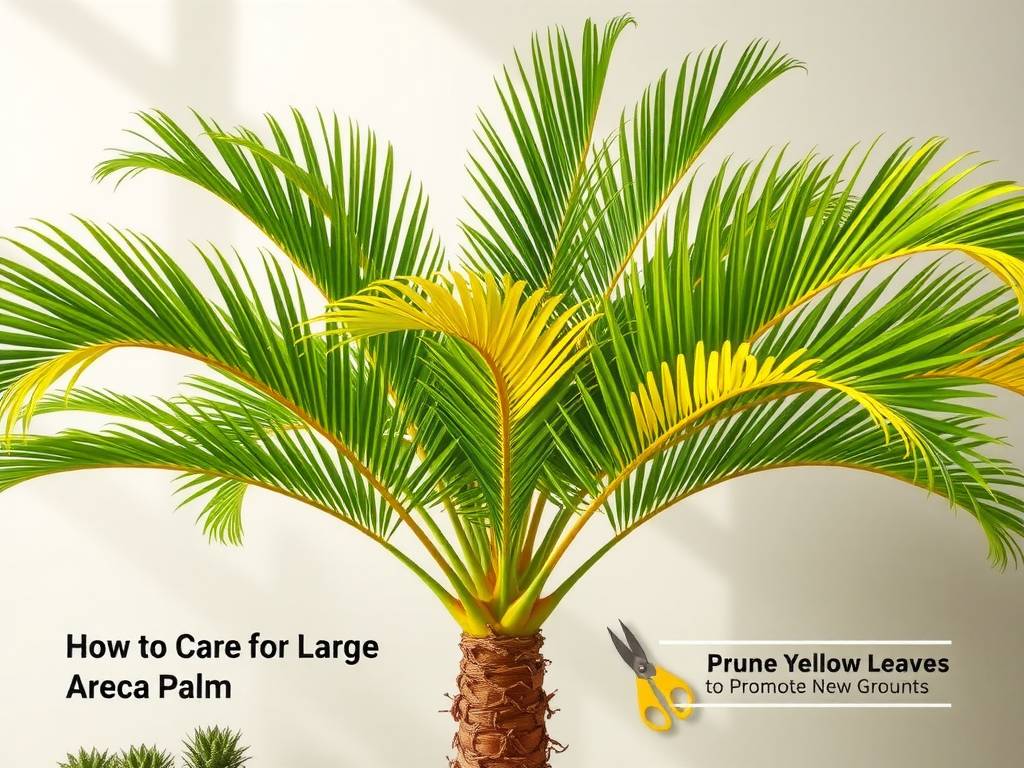
When and How to Prune Areca Palm Leaves Prune when a frond is more than 50% yellow or completely brown. Don’t prune fronds that are only slightly yellow at the tips; you can trim just the brown tip if desired.
- Use the Correct Tools: Employ sharp, clean pruning shears or scissors. Wipe blades with rubbing alcohol before and after use to prevent spreading disease.
- Identify the Entire Frond: A frond (leaf) consists of a central stem (rachis) with many leaflets. Do not remove individual yellow leaflets. You must remove the entire frond from its base.
- Make the Cut: Trace the yellow frond down to its point of origin at the main stem or soil level. Make a clean, angled cut as close to the main stem as possible without damaging it. Avoid leaving stubs, as they can rot.
- Dispose of Debris: Remove all cut material from the soil surface to prevent pests and mold.
Promoting New Growth After Pruning Pruning alone won’t force growth; it simply removes a drain on resources. To actively promote new frond development, ensure all other care aspects are optimal:
- Post-Pruning Fertilization: After a pruning session, a light application of a balanced fertilizer can provide nutrients for new growth.
- Optimize Light: Ensure the plant receives adequate bright, indirect light, which is the primary driver of photosynthesis and new growth.
- Review Watering: Post-pruning, maintain impeccable watering habits to avoid stress.
What Not to Prune Never prune the green, healthy fronds, especially the central spear (the newest, upright growing frond). Cutting green fronds harms the plant and stunts its growth. Only remove foliage that is clearly dying or dead.
Advanced Tips for a Magnificent Large Areca Palm
For owners of a truly large areca palm, consider these extra steps.
- Repotting: Large palms are often kept root-bound to control size, but if roots circle the pot or grow from drainage holes, repot in spring into a container only 2 inches larger. Use fresh potting mix.
- Pest Management: Watch for spider mites and mealybugs. Wipe leaves with a damp cloth regularly and treat infestations early with insecticidal soap or neem oil. Healthy, dust-free leaves can photosynthesize more efficiently.
- Leaf Shine: Avoid commercial leaf shine products. Instead, gently wipe leaves with a soft cloth dampened with a mild soap and water solution to remove dust and allow the leaves to breathe.
Addressing Common Concerns
How often should I expect to prune yellow leaves from my areca palm? If your plant is otherwise healthy, pruning a few lower yellow fronds every couple of months is normal. A sudden increase in yellowing is a sign to reassess your watering, light, or feeding routine immediately.
Can a yellow leaf turn green again? No, once a leaf has turned yellow, the chlorophyll is gone and it will not regain its green color. The best course is to prune it so the plant stops wasting resources on it.
My palm has a brown tip but a green stem. Should I prune the whole frond? No. Only prune the entire frond if the central stem (rachis) is yellow or brown. For green fronds with brown tips, you can simply snip off the brown portion for aesthetics, following the natural angle of the leaf tip.
Caring for a large areca palm is a rewarding practice that brings a touch of the tropics indoors. By providing bright, indirect light, mastering a balanced watering technique, and feeding it appropriately, you create the environment for robust health. Integrating the strategic pruning of yellow leaves into this routine is the final, crucial step. It cleans up the plant’s appearance and, most importantly, channels energy into pushing out fresh, vibrant fronds. Remember, patience and observation are your best tools. Respond to your palm’s signals, and you’ll be rewarded with a magnificent, growing centerpiece for years to come.