bluename
 How to Care for Large Hawaii Palm - Watering Tips to Avoid Root Rot
Seeing your majestic large Hawaii palm develop yellowing, drooping fronds can be heartbreaking. Often, the culprit isn't neglect but a common, well-intentioned mistake: improper watering leading to root rot. This comprehensive guide will walk you through the precise watering techniques and holistic care needed to keep your large Hawaii palm thriving for years to come.
Understanding the Hawaii Palm's Natural Habitat
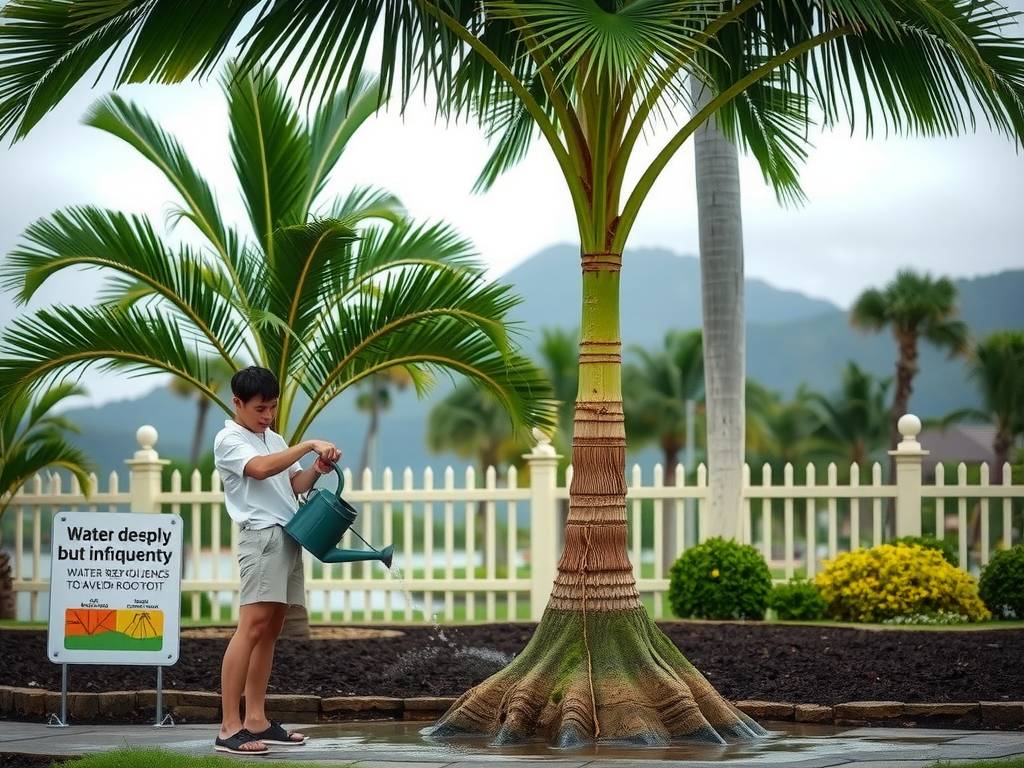
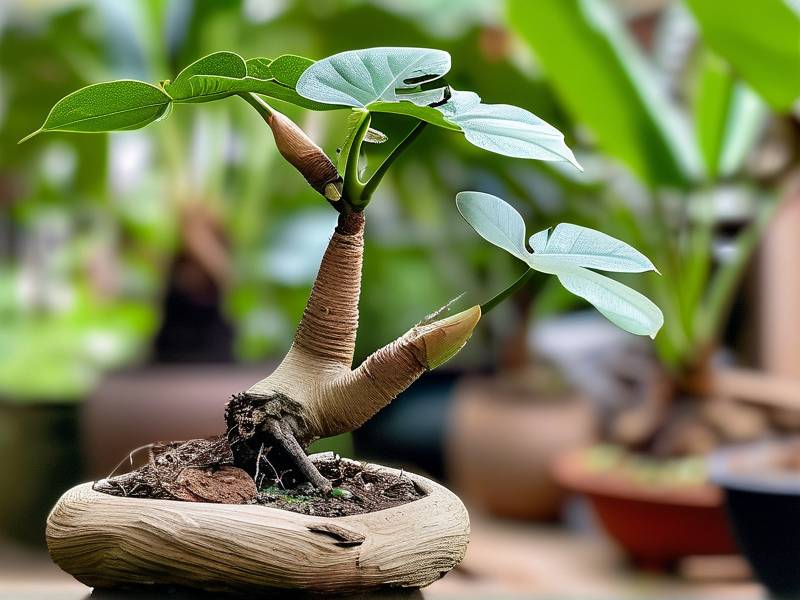
To water correctly, we must first understand the plant's origins. The Hawaii palm, often referring to the Brighamia insignis or the larger Pritchardia species, is adapted to specific island conditions. These plants typically grow in well-draining, often volcanic soil, where water drains quickly but humidity can be relatively high. Their roots are not designed to sit in saturated, oxygen-deprived soil. Mimicking these conditions is your first and most crucial step in preventing root rot.
The Golden Rule: Check the Soil, Not the Calendar
The most common mistake is watering on a fixed schedule. Your palm's water needs change with seasons, light, temperature, and humidity.
The Finger Test Method For a large Hawaii palm, insert your finger 2-3 inches into the soil near the root ball. If the soil feels dry at that depth, it's time to water. If it feels moist or cool, wait. For very large floor planters, consider using a wooden chopstick or a moisture meter for a more accurate reading at the root zone.
Observing Plant Signals Your palm communicates. Slight wilting or a dullness in leaf sheen can indicate thirst. However, consistent yellowing, especially starting with lower fronds, and a general soggy feel to the base stem are classic signs of overwatering and potential root rot. It's vital to distinguish between the two.
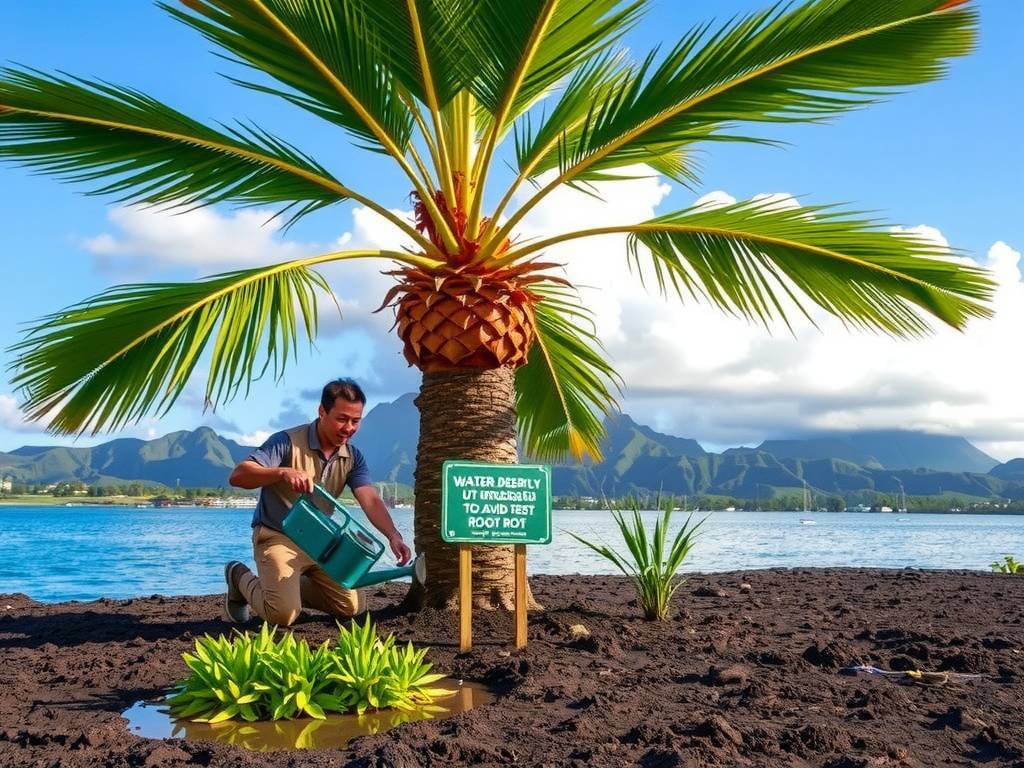
Mastering the Watering Technique for Large Containers
Watering a large potted palm isn't about a quick surface splash. It requires a thorough, deep watering method.
Deep and Infrequent Soaking When the soil is dry, water slowly and deeply. Pour water evenly around the base of the plant until you see it freely running out of the drainage holes. This ensures the entire root ball is hydrated. Allow all excess water to drain completely. Never let the pot sit in a saucer full of water; this is a direct path to root suffocation.
The Importance of Perfect Drainage This cannot be overstated. Your pot must have multiple, unobstructed drainage holes. Use a high-quality, well-draining potting mix. Experts from the American Horticultural Society (AHS) recommend amending a standard potting soil with perlite, orchid bark, or coarse sand by up to 30% to dramatically improve aeration and drainage for large tropical specimens like the Hawaii palm.
Seasonal Watering Adjustments
Your palm's growth cycle dictates its drinking habits.
Spring and Summer (Active Growth) During this period, your palm will use more water. You may need to water more frequently, but always using the "soil check" rule. This is also the best time for feeding with a balanced, diluted fertilizer.
Fall and Winter (Dormant/Slow Growth) Growth slows significantly. Water much less frequently, allowing the soil to dry out more thoroughly between waterings. The Royal Horticultural Society (RHS) advises that overwatering in winter is the single greatest cause of indoor palm decline, as cool soil and reduced light slow water uptake, leaving roots vulnerable to rot.
Optimal Environmental Conditions to Support Healthy Watering
Watering doesn't happen in a vacuum. Environmental factors work in tandem.
Light and Temperature Provide bright, indirect light. Strong light increases water use; low light decreases it. Maintain consistent room temperatures, avoiding cold drafts or direct heat vents, which stress the plant and disrupt water uptake.
Humidity Matters Hawaii palms appreciate moderate to high humidity. Dry air can cause brown leaf tips, which some mistakenly treat with more water, exacerbating root issues. Instead, use a humidifier, a pebble tray, or regular misting to raise ambient humidity without wetting the soil.
Diagnosing and Treating Root Rot
If you suspect root rot, act quickly.
Early Signs and Action Symptoms include a foul smell from the soil, black/mushy roots visible at the drainage hole, and a plant that remains wilted despite wet soil. Gently remove the plant from its pot. Shake off the soil and inspect the roots. Healthy roots are firm and white or tan.
The Rescue Process Using sterile shears, cut away all soft, brown, or blackened roots. Be ruthless. Repot the plant into a clean pot (same size or slightly smaller) with fresh, sterile, well-draining mix. Water lightly to settle the soil, then place in bright, indirect light and withhold further water until the plant shows signs of recovery and new growth. The AHS notes that post-rescue care should focus on root regeneration, not top growth, so patience is key.
Choosing the Right Pot and Soil Mix
Prevention starts with the right foundation.
Pot Selection Terracotta or clay pots are excellent for Hawaii palms as they are porous, allowing soil to dry more evenly. Ensure the pot is only 1-2 inches larger in diameter than the root ball when repotting; an oversized pot holds excess soil that stays wet too long.
Creating the Ideal Soil Blend A commercial "cactus & succulent" or "palm & citrus" mix is a good start. For optimal results, create your own blend: 2 parts high-quality potting soil, 1 part perlite or pumice, and 1 part coarse sand or fine orchid bark. This creates the fast-draining, aerated environment Hawaii palm roots crave.
Why are the leaf tips of my large Hawaii palm turning brown? Brown leaf tips are most commonly caused by low humidity or the accumulation of salts and minerals from tap water. They can also be a sign of inconsistent watering—both drought and waterlogging stress the plant. Increase humidity, use filtered or rainwater when possible, and ensure your watering technique is deep and thorough only when needed.
How often should I fertilize my palm, and does it affect watering? Fertilize only during the active growing season (spring and summer) with a balanced, water-soluble fertilizer diluted to half strength, every 4-6 weeks. Avoid fertilizing in fall and winter. Over-fertilization leads to salt buildup in the soil, which can damage roots and affect their ability to absorb water, mimicking drought or rot symptoms.
Can I use a self-watering pot for my large Hawaii palm? It is generally not recommended. Self-watering pots maintain a constant level of moisture at the bottom, which is contrary to the "dry out between waterings" need of the Hawaii palm. They significantly increase the risk of root rot by preventing the necessary dry cycles the roots require for health.
Caring for a large Hawaii palm is a rewarding practice in mindful plant stewardship. Success hinges on mastering the balance of water, light, and soil. By prioritizing deep, infrequent watering based on soil dryness, ensuring impeccable drainage, and providing a stable environment, you create the conditions for your palm to flourish. Remember, the goal is to replicate the well-draining, humid breezes of its native habitat, not a perpetually wet swamp. With observation and these tailored techniques, you can confidently avoid the pitfalls of root rot and enjoy the robust, tropical beauty of your Hawaii palm for many seasons.