bluename
 How to Care for Large Rhapis Excelsa - Prune Old Leaves to Promote New Growth
You've invested in a stunning large Rhapis excelsa, also known as the lady palm, to bring a touch of elegant, tropical greenery into your home or office. Its lush, fan-shaped leaves create an atmosphere of serene beauty. But lately, you might notice some fronds turning yellow or brown, or the plant seems to have stopped putting out fresh, vibrant growth. It's a common frustration for owners of these otherwise low-maintenance palms. The plant looks less than perfect, and you're unsure how to intervene without causing harm. The secret to revitalizing your stately palm and encouraging a flush of new growth lies in a simple, yet crucial practice: the strategic pruning of old leaves. This guide will walk you through exactly how and why this care step is transformative for your large Rhapis excelsa.
Understanding Your Rhapis Excelsa's Growth Cycle
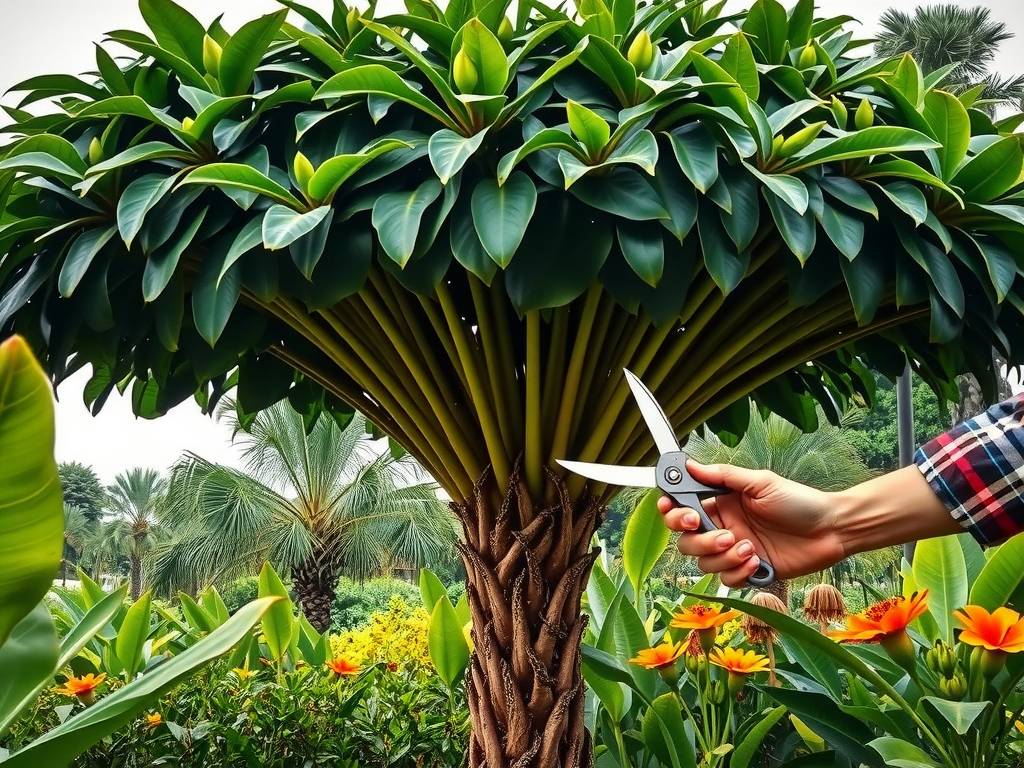
Before you pick up the pruning shears, it's helpful to understand what's happening with your plant. Rhapis excelsa is a slow-growing clumping palm. Each cane (stem) produces a crown of leaves. Over time, as the plant matures and focuses energy on sustaining itself and potentially growing new canes from the base, the oldest leaves on the outside of the clump will naturally begin to decline. This is a normal part of its life cycle. These aging leaves often turn yellow, then brown, and may become dry or crispy.
Leaving these spent fronds on the plant isn't just an aesthetic issue. They can become a drain on the plant's resources and even a harbor for pests like spider mites or mealybugs. More importantly, by systematically removing these old leaves, you signal to the plant to redirect its energy. Instead of trying to sustain dying tissue, that energy can be channeled into producing new shoots and unfurling fresh, green fronds from the center of the clump or from new basal shoots. This process is essential for maintaining a dense, healthy, and visually appealing large lady palm.
The Essential Tools for Proper Pruning
Using the correct tools is the first step to a successful and healthy prune. Clean, sharp tools make precise cuts and prevent the transmission of disease.
- Sharp Bypass Pruners or Scissors: These are ideal for cleanly cutting through the tough leaf stems. Ensure they are sharp to avoid crushing or tearing the tissue.
- Rubbing Alcohol or Disinfectant: Always wipe down your pruning tool blades before and after use, especially if moving between plants. This prevents the spread of any potential pathogens.
- Gloves (Optional): While not strictly necessary, some people prefer gloves to protect their hands.
The Royal Horticultural Society (RHS) emphasizes the importance of tool hygiene, stating that "clean cuts heal faster and reduce the risk of introducing disease into the plant." This is a fundamental best practice in professional horticulture.
A Step-by-Step Guide to Pruning Old Leaves
Now, let's get to the heart of caring for your large Rhapis excelsa. Follow these clear steps to prune effectively and promote new growth.
1. Identify the Leaves to Remove Not every imperfect leaf needs to go. Your primary targets are:
- Whole fronds that are completely yellow or brown.
- Leaves with significant brown tips or sections covering more than 50% of the leaf.
- Fronds that are damaged, broken, or look diseased.
- The very oldest, outermost leaves, even if they are only partially yellowing.
Remember, the goal is to remove leaves that are past their prime and no longer contributing energy to the plant.
2. Make the Correct Cut Do not pull or tear leaves away. Locate the base of the leaf stem (petiole) where it emerges from the main cane or the soil (for outer leaves). Using your sharp pruners, make a clean, angled cut as close to the base as possible without nicking the main cane. Cutting close prevents unsightly stubs that can die back and rot.
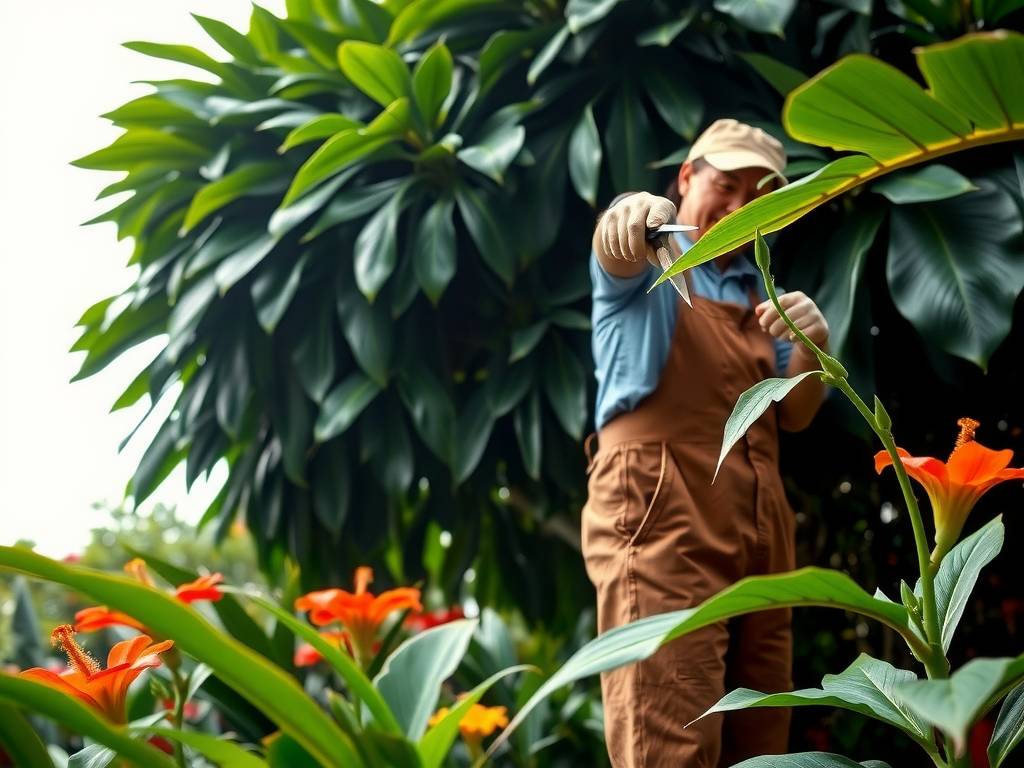
3. Assess and Rotate After pruning, take a step back. Your plant should look cleaner and less crowded. This improves air circulation within the canopy, which is vital for preventing fungal issues. If your plant is in a location with one-sided light, consider giving it a quarter turn every time you water. This, combined with removing old outer leaves, ensures even light exposure and encourages balanced growth.
4. Clean Up and Observe Remove all the clipped foliage from the soil surface. This keeps the plant tidy and removes potential hiding spots for pests. After pruning, simply resume your normal care routine. You have now created the optimal conditions for your Rhapis excelsa to focus on new growth.
Supporting New Growth After Pruning
Pruning old leaves is the catalyst, but overall care supports the results. To effectively promote new growth in your large lady palm, ensure its other needs are met.
Optimal Watering Practices Rhapis excelsa prefers consistently moist but never soggy soil. Water thoroughly when the top inch of soil feels dry to the touch, allowing excess water to drain freely. Overwatering is a leading cause of root rot and will counteract your pruning efforts. The American Horticultural Society (AHS) notes that palms are particularly susceptible to water stress, both from drought and over-saturation, which can stall new growth.
Appropriate Light and Fertilization Place your large Rhapis in bright, indirect light. It can tolerate lower light, but growth will be slower. For encouraging vigorous growth, provide ample filtered light. Feed your palm with a balanced, liquid fertilizer diluted to half-strength every 4-6 weeks during the active growing season (spring and summer). Avoid over-fertilizing, which can damage roots and cause leaf burn.
When to Expect New Growth Patience is key. Rhapis excelsa is a slow grower. After a proper pruning session, you may not see new fronds for several weeks or even a couple of months, depending on the season. Look for tight, green spears emerging from the center of existing canes or new shoots (pups) from the soil at the base of the plant. This is the clear sign your care strategy is working.
How often should I prune my large Rhapis excelsa? There's no fixed schedule. Prune as needed, which typically might be every few months. Regularly inspect your plant and remove leaves as they begin to yellow and decline completely. An annual tidy-up is often sufficient for a healthy plant.
Can I prune the brown tips off leaves instead of the whole frond? Yes, for minor cosmetic issues, you can trim brown tips. Use clean scissors and cut following the natural shape of the leaf, leaving a tiny margin of brown tissue to avoid cutting into living green tissue. However, if browning is extensive, it's better for the plant's health to remove the entire leaf.
My pruned plant isn't producing new growth. What's wrong? If months pass with no new growth, reassess the core care conditions. Insufficient light is the most common culprit. Check that you are not overwatering, which can lead to root rot and systemic decline. Ensure temperatures are consistently warm and that the plant is receiving gentle, periodic fertilization during the growing season.
Caring for a large Rhapis excelsa is a rewarding practice that brings lasting beauty to your space. By understanding that the deliberate removal of aging leaves is not merely cosmetic but a vital physiological trigger, you become an active partner in your plant's health. This process, combined with consistent watering, proper light, and occasional feeding, unlocks the plant's potential for renewal. You'll be rewarded with a lush, dense, and vigorously growing lady palm that remains a focal point of greenery for years to come. The simple act of pruning old leaves is the most direct way to guide your plant's energy toward creating the vibrant new growth you desire.