bluename
 How to Care for Large Dracaena Draco - Prune to Shape for Erect Form
You've nurtured your Dracaena draco, or Dragon Tree, from a small plant into a magnificent, large specimen. Now, it might be showing signs of its wild heritage—leaning towards the light, developing a sprawling canopy, or growing taller than your space allows. The central challenge for owners of a large Dracaena draco is maintaining its majestic, upright form without stunting its growth or compromising its health. The solution lies not in constant staking, but in mastering the art of strategic pruning. Learning how to prune a dragon tree for shape is the key to encouraging that desirable, strong, and erect form that makes this plant a stunning architectural focal point. This guide will provide you with the expert knowledge and confidence to prune your Dragon Tree correctly, ensuring it remains healthy, balanced, and visually striking for years to come.
Understanding Your Dracaena Draco's Growth Habits
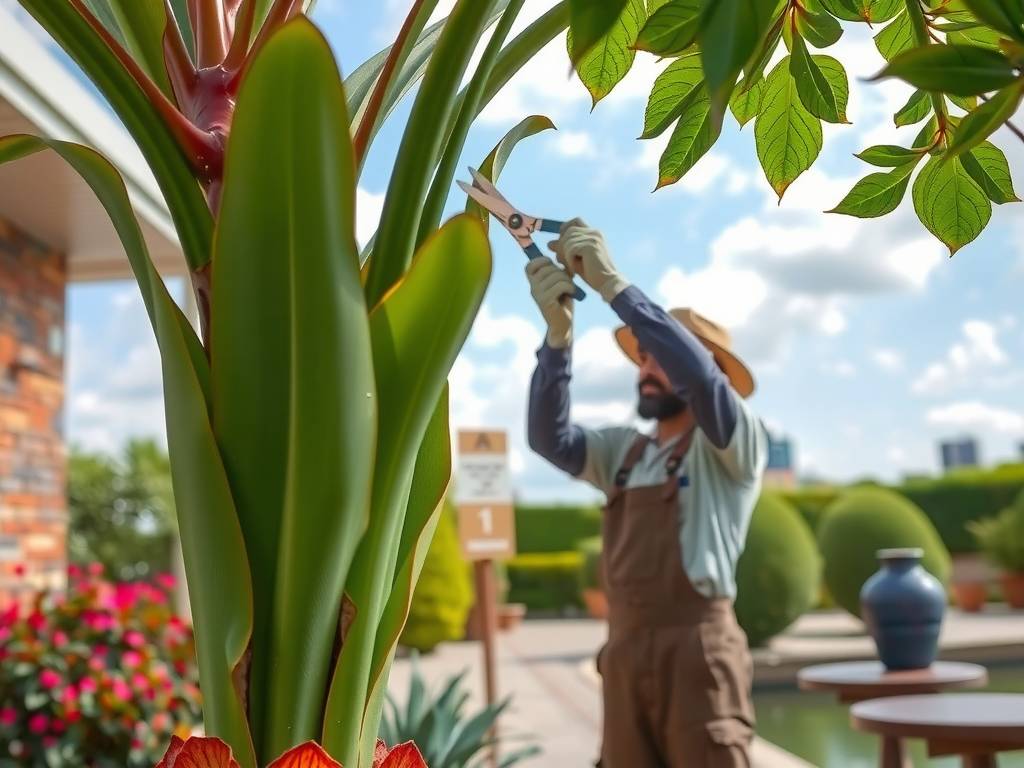
Before making the first cut, it's crucial to understand how your plant grows. The Dracaena draco is a slow-growing, tree-like succulent. Its growth pattern is apical, meaning it primarily grows from the terminal bud at the end of each stem. Without intervention, this leads to a single, often leaning, trunk with a tuft of leaves at the top. In its natural habitat, branching occurs after flowering, which is rare indoors, or in response to damage. Pruning intentionally replicates this "damage" to stimulate new growth points, allowing you to control height and encourage a fuller, more balanced shape. The Royal Horticultural Society (RHS) notes that Dracaenas respond well to pruning and can produce new shoots from dormant buds just below the cut, a process crucial for achieving the desired form.
Essential Tools and Preparation for Pruning
Gathering the right tools is the first step to a successful prune. Using improper tools can crush stems and invite disease.
- Sharp, Clean Pruning Shears or a Hand Saw: For stems up to 1 inch, use bypass pruners. For the woody trunk of a large Dracaena draco, a sharp hand saw is necessary for a clean cut. Ragged tears heal poorly.
- Rubbing Alcohol or Disinfectant: Always sterilize your cutting tools before and between cuts. This prevents transmitting pathogens from one part of the plant (or other plants) to another.
- Protective Gear: Wear gloves, as the sap of Dracaena draco can be a mild irritant to skin and is toxic if ingested.
- Soft Cloth and Water: Have these on hand to clean up any sap that bleeds from the cut.
Choose a day for pruning when you can provide your plant with stable conditions afterward. Ensure it is well-hydrated a few days before the procedure; a stressed, underwatered plant will have a harder time recovering.
The Step-by-Step Guide to Pruning for an Erect Form
This section breaks down the process of shaping a mature dragon tree into clear, actionable steps.
Assessing the Plant and Planning Your Cuts
Start by stepping back and observing your plant's overall structure. Identify the main issues:
- Is there a single, tall stem leaning heavily?
- Are there long, unbalanced branches?
- Is the canopy sparse on one side? Your goal is to encourage growth that corrects these imbalances. Visualize the desired upright dragon tree shape. Remember, you can always cut more later, but you cannot reattach a stem. A common strategy is to prune the tallest or most leaning stem to a height where you'd like branching to occur, which will redirect the plant's energy.
Making the Primary Cut for Height Control and Branching
This is the most significant cut for creating a new form.
- Locate the Cutting Point: On an overly tall or leaning trunk, decide how much to remove. Look for a point that will leave the plant with a pleasing proportion in your space. There is no specific "node" like on other plants, but new shoots will emerge from just below the cut scar.
- Execute the Cut: Using your sterilized saw, make a single, smooth, horizontal cut. Avoid sawing back and forth excessively. A clean cut promotes faster callusing.
- Manage the Sap: Dracaena draco will "bleed" a red resinous sap. This is normal. Gently wipe the excess with a damp cloth. The flow will stop naturally as the plant seals the wound. Do not apply wax or sealants, as these can trap moisture and promote rot.
Techniques for Shaping and Canopy Balance
Once you've addressed the main height issue, you can refine the shape.
- Thinning: Remove entire smaller stems or branches that are growing inward, crossing others, or contributing to a cluttered look. Cut them back to their point of origin on the main trunk.
- Tip Pruning: For branches that are long but you don't want to remove entirely, you can snip off just the very tip. This sometimes encourages slight bushiness further back on the branch.
- Correcting Lean: If the main trunk is leaning, you may prune more aggressively on the longer side of the canopy. This reduces weight and signals the plant to grow more on the shorter side, gradually correcting the balance over time.
Post-Pruning Care: Ensuring Recovery and New Growth
The work after pruning is vital. Your plant is in a recovery phase, directing energy to healing wounds and activating new buds.
- Light: Place your Dracaena draco in bright, indirect light. This provides the energy needed for new growth without scorching the exposed areas.
- Watering: Be cautious. The plant has less foliage to transpire water, so its needs are reduced. Water only when the top 50-75% of the soil is dry to avoid root rot.
- Fertilizing: Hold off on fertilizing for at least 4-6 weeks after pruning. Once you see new buds swelling (which can take several weeks), you can resume a balanced, half-strength liquid fertilizer monthly during the growing season.
- Patience: Dracaenas are slow growers. Do not expect immediate results. New buds may take 4-8 weeks to become visible.
Integrating Pruning with Overall Large Dracaena Care
Pruning is one component of holistic care. For a truly healthy plant, it must be supported by proper ongoing maintenance.
- Soil and Potting: Use a well-draining, succulent or cactus mix. A large Dracaena draco should be repotted only when root-bound, typically every 3-4 years. A heavy, stable pot helps prevent top-heavy plants from tipping.
- Light Requirements: Provide several hours of bright, indirect light daily. Insufficient light leads to weak, elongated growth that defeats the purpose of pruning for a sturdy form. Rotate the pot quarterly for even growth.
- Watering Schedule: The American Horticultural Society (AHS) emphasizes the "soak and dry" method for succulents and similar drought-tolerant plants. Water thoroughly until it drains from the bottom, then allow the soil to dry out significantly before watering again. This cycle promotes strong roots.
- Pest and Disease Vigilance: Stressed plants can be susceptible to pests like spider mites or scale. Keep leaves dust-free and inspect regularly. Healthy, well-pruned plants with good air circulation have far fewer disease issues.
Commonly Asked Questions About Dragon Tree Pruning
When is the absolute best time to prune my large Dragon Tree? The ideal time is in the late spring or early summer, at the start of its active growing season. This gives the plant ample time to heal its wounds and push out new growth before the lower-light, slower-growing winter months. However, corrective pruning for damage or severe imbalance can be done year-round if necessary.
I made the cut, but no new branches are growing. What did I do wrong? Patience is key. It can take two months or more for new buds to swell and break. Ensure the plant is getting enough light and that you are not overwatering. As long as the stem is firm and the cut is callusing over, the plant is likely still processing the change. If after 3-4 months there is no activity, the plant may have been under significant stress; reassess its light, water, and temperature conditions.

Can I propagate the piece I cut off? Absolutely. This is a major benefit of pruning. Allow the cut stem section to dry and callus over for several days to a week. Then, plant it in a small pot with well-draining soil. Water very lightly until roots develop. You can also often propagate the leafy top portion by following the same method, giving you a whole new plant.
Mastering the care of a large Dracaena draco, particularly the practice of pruning, transforms plant maintenance from a passive task into an active art form. By understanding its growth cues, using the right techniques at the right time, and providing consistent post-prune care, you directly influence its structure and health. The goal is not just to control size, but to collaborate with the plant, guiding its natural resilience toward a shape that showcases its sculptural beauty—a strong, erect form that commands attention and thrives in your care for decades. With the knowledge you now have, you can approach your Dragon Tree not with apprehension, but with the confidence of a knowledgeable caretaker.