bluename
 How to Care for Cylindrical Snake Plant - Leaf Cutting for Faster Sprouting
You've brought home a stunning cylindrical snake plant, captivated by its architectural, spear-like leaves. But now, you're staring at it, willing it to grow faster or produce new pups. It seems stubbornly slow, and the single plant feels lonely in its pot. This is a common frustration. Many plant lovers adore the cylindrical snake plant for its drought tolerance and unique form but wish they could accelerate its growth and propagation. The good news? There is a highly effective method to encourage faster sprouting: leaf cutting propagation. This guide will walk you through not only the essential care to keep your mother plant thriving but also the precise steps for successful leaf cuttings that lead to quicker new growth.
Understanding Your Cylindrical Snake Plant
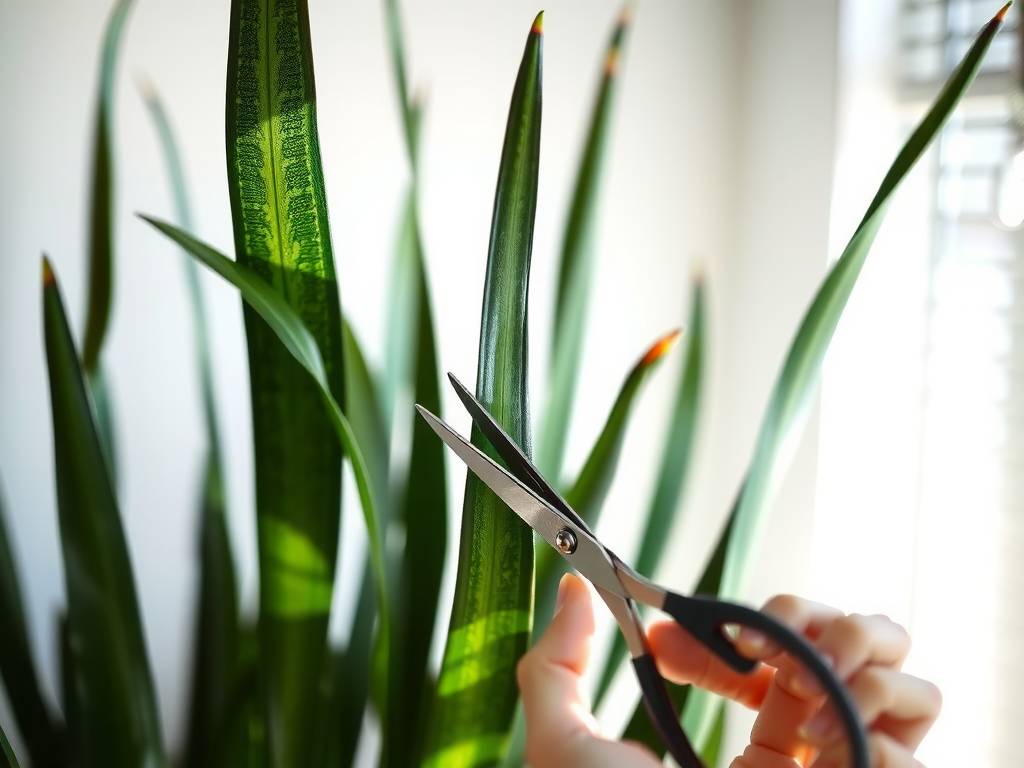
Before we dive into propagation, let's ensure your parent plant is in peak health. A stressed plant won't provide good cuttings. The cylindrical snake plant, botanically known as Sansevieria cylindrica (though often still grouped under Dracaena), is native to Angola. Its smooth, rounded leaves can reach several feet tall, growing in a fan-like pattern.
Ideal Light and Placement These plants are remarkably adaptable. They thrive in bright, indirect light but can tolerate lower light conditions, which will simply slow their growth. Some direct morning sun is beneficial, but harsh afternoon rays can scorch the leaves. An east-facing window is often perfect. According to the Royal Horticultural Society (RHS), Sansevieria species are celebrated for their ability to withstand neglect and variable light, making them ideal for interior spaces.
The Right Watering Rhythm Overwatering is the number one killer. The cylindrical snake plant stores water in its thick leaves. Water only when the soil is completely dry throughout the pot. This might mean every 2-4 weeks in summer and even less frequently in winter. Always use a pot with drainage holes. The American Horticultural Society (AHS) emphasizes that for succulents like snake plants, "soak and dry" is the golden rule—water thoroughly, then let the soil dry out completely before the next watering.
Soil and Potting Needs A well-draining, sandy potting mix is non-negotiable. Use a cactus or succulent mix, or amend a standard potting soil with perlite or pumice (up to 50%). They prefer to be slightly root-bound, so repotting is only needed every few years when the pot becomes distorted or roots emerge from the drainage holes.
Fertilizing for Health Feed sparingly. A balanced, diluted liquid fertilizer applied once at the beginning of the growing season (spring) and once in mid-summer is sufficient. Over-fertilizing can damage the roots and cause weak, leggy growth.
Why Leaf Cutting for Faster Sprouting?
While you can divide a mature plant, which gives you instant new plants, your plant may not be large enough yet. Leaf cutting allows you to create multiple new plants from just one healthy leaf. More importantly, when done correctly, this method can stimulate the cutting to produce new sprouts, or "pups," more quickly than waiting for a mature plant to produce them naturally. It puts you in control of the propagation timeline.
Preparing for Successful Propagation
Gathering the right tools sets you up for success. You will need:
- A sharp, sterile knife, scalpel, or pruning shears.
- A healthy, mature leaf from your cylindrical snake plant.
- Rooting hormone (powder or gel form). This is optional but highly recommended for faster root development.
- Small pots with drainage holes.
- Fresh, well-draining cactus/succulent potting mix.
- A warm, bright location with indirect light.
The Step-by-Step Guide to Leaf Cutting
Selecting and Taking the Cutting Choose a firm, healthy, and mature leaf. Using your sterilized tool, make a clean cut at the base of the leaf, as close to the soil line as possible. You can cut this long leaf into several smaller segments, each 3-4 inches long. It is crucial to note the orientation of the cutting. The end that was closest to the roots must be planted downward. Mark the bottom end with a small notch or a piece of tape to avoid confusion later. Let the cuttings callus over for 2-3 days in a dry, airy spot. This step is vital to prevent rot when planted.
Potting and the Initial Care After the callus has formed, dip the bottom end of each cutting into rooting hormone, tapping off the excess. Plant each cutting about 1 inch deep into the pre-moistened potting mix. Gently firm the soil around it. Place the pot in a warm location with bright, indirect light. Do not water immediately. Wait about a week before giving the soil a very light watering. The goal is to keep the soil barely moist, not wet.
Encouraging Root and Sprout Development Patience is key. Root development can take 4-8 weeks. You may see a new sprout emerging from the soil line in 2-3 months. Resist the urge to tug on the cutting to check for roots. Instead, look for signs of new growth or slight resistance if you give it a very gentle nudge. Maintain sparse watering and provide consistent, warm temperatures.
Transitioning to Regular Care Once you see a firm, new sprout with several inches of growth, you can begin to treat it like a mature plant. Gradually introduce it to your standard cylindrical snake plant care routine, watering only when the soil is dry.
Troubleshooting Common Issues
- Cutting is Rotting: This is usually due to overwatering before callusing or using non-sterile tools. Ensure a proper callus forms and use fresh, dry soil to start.
- No Roots or Sprouts After Months: The cutting may have been planted upside down. Unfortunately, if this is the case, it will not grow. Ensure correct orientation next time. Low temperatures can also stunt development.
- Cutting is Shriveled: It is too dry. While overwatering is dangerous, the soil should not be bone dry for weeks on end. Provide a very light watering to slightly moisten the soil.
What is the fastest way to get my cylindrical snake plant to sprout new pups? While division is the fastest method if you have a mature, multi-crowned plant, leaf cutting propagation is the most effective method to generate multiple new sprouts from a single plant. Using a rooting hormone and providing consistent bottom heat (like a propagation mat) can further accelerate the rooting and sprouting process.
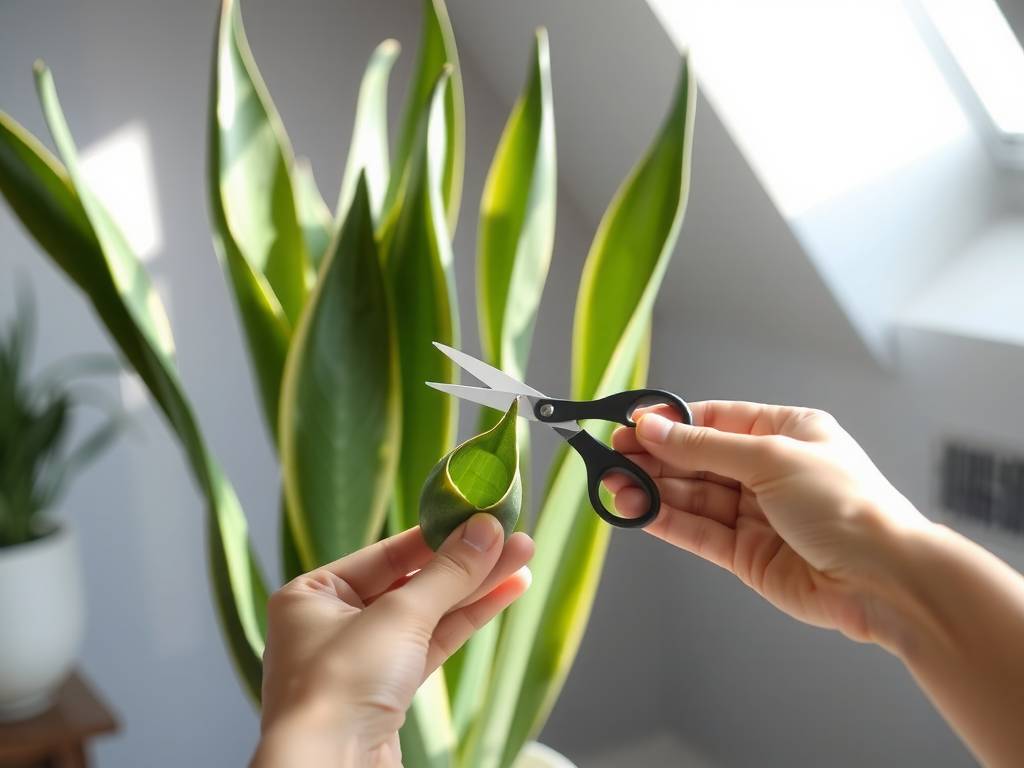
Can I propagate a cylindrical snake plant in water? Yes, you can root a leaf cutting in water. Follow the same steps for taking and callusing a cutting, then place the bottom end in a container of clean water, ensuring only the very base is submerged. Change the water weekly. While roots may form, the transition to soil can be stressful for the plant, and soil propagation often leads to a stronger, more adaptable root system from the start.
Why did my leaf cutting grow roots but no new sprout? This is normal. The cutting will first dedicate its energy to establishing a root system to sustain itself. Once the roots are sufficiently developed, it will then channel energy into producing a new sprout from the base, at the soil line. This process requires patience and consistent, appropriate care.
Mastering the care of your cylindrical snake plant and the technique of leaf cutting propagation empowers you to expand your collection with confidence. By providing the right balance of light, infrequent watering, and well-draining soil, you create a healthy foundation. The propagation process, from selecting the perfect leaf to patiently nurturing the callused cutting, is a rewarding journey. It transforms a single, slow-growing specimen into multiple thriving plants, bringing the unique, sculptural beauty of the cylindrical snake plant to every corner of your space. Remember, the secret lies in mimicking its natural dry habitat and allowing time for nature to work.