bluename
 How to Care for Large Philodendron Selloum: Mastering Summer Watering to Maintain Humidity
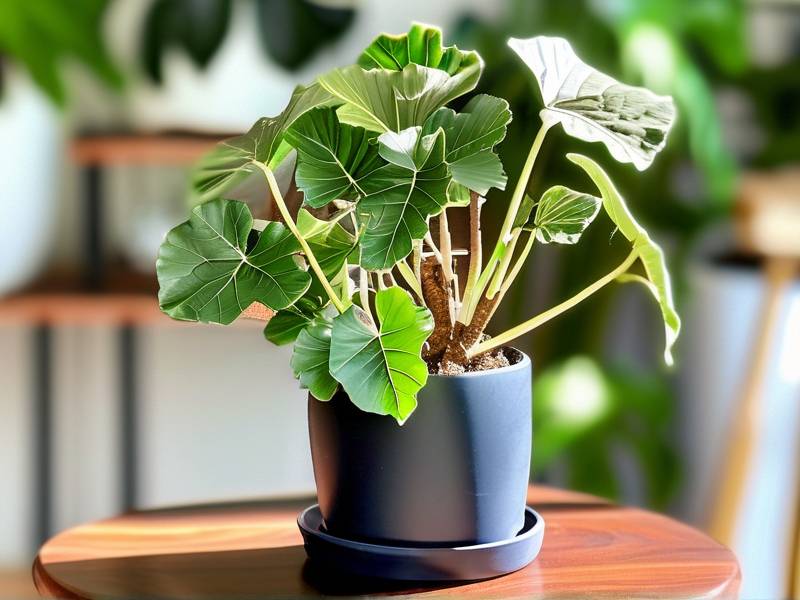
You’ve nurtured your large Philodendron Selloum into a stunning, floor-to-ceiling spectacle of lush, deeply lobed leaves. It’s the tropical centerpiece of your room. But as summer’s heat intensifies, you might notice troubling signs: the tips of those magnificent leaves are turning crispy and brown, or perhaps new growth seems stunted and pale. The joy of owning this statement plant can quickly turn to anxiety when its care needs shift with the seasons. The primary culprit often isn’t just the heat itself, but a critical imbalance in moisture—both in the soil and in the air. Successfully navigating how to care for large Philodendron Selloum during the warmer months hinges on one key practice: strategic watering designed to maintain optimal humidity. This guide will transform your summer plant care from a guessing game into a science, ensuring your Selloum not only survives but thrives.
Understanding Your Large Philodendron Selloum’s Summer Needs
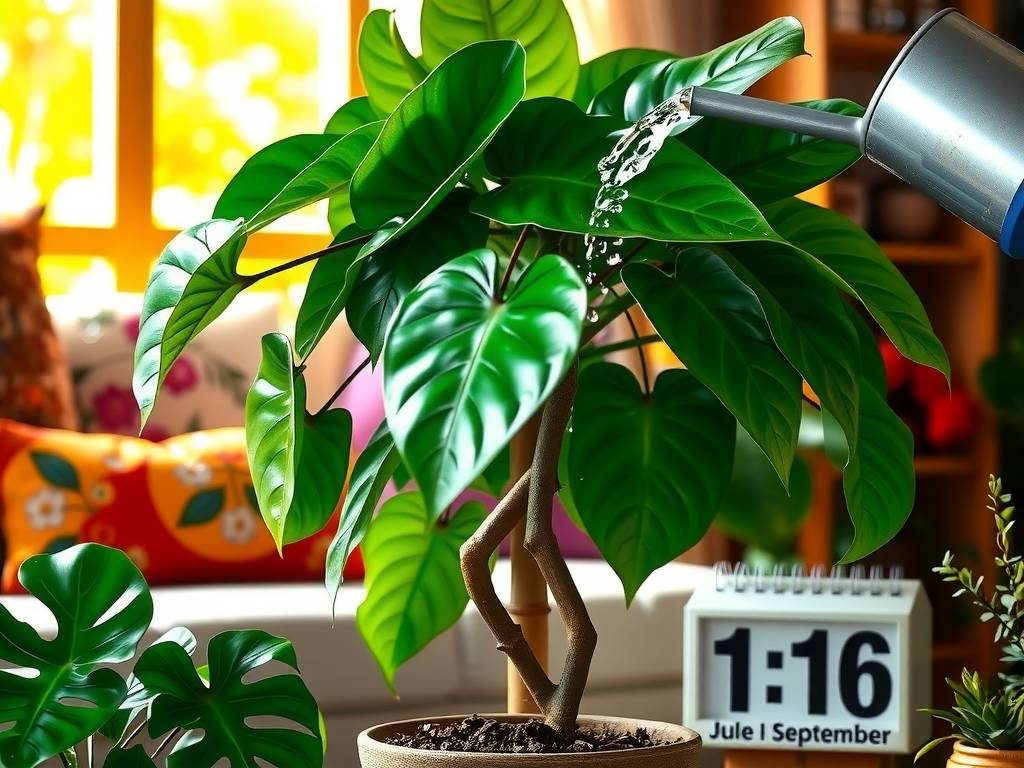
The Philodendron Selloum, also known as Philodendron bipinnatifidum or Thaumatophyllum bipinnatifidum, is a tropical native. In its natural habitat, it enjoys consistently warm temperatures, dappled sunlight, and, most importantly, high ambient humidity supported by frequent rainfall. Summer in your home replicates the warmth but often fails to provide the humid, moisture-rich environment its roots and foliage crave.
During summer, increased daylight and temperature accelerate the plant’s metabolic processes. This leads to faster transpiration, where water evaporates from the leaves, and more rapid soil drying. Your plant is actively growing and therefore thirstier. However, watering alone isn’t the complete solution. Pouring more water into the pot addresses root uptake but does little for the aerial roots and foliage that absorb moisture from the air. This is why a singular focus on soil moisture can lead to overwatering and root rot, while the plant still shows signs of atmospheric drought. The goal is a dual approach: hydrating the root system effectively and boosting the surrounding humidity to mimic its jungle origins.
The Core Principle: Watering to Support Humidity, Not Replace It
Many plant owners make the mistake of thinking more frequent watering compensates for dry air. This is a critical error. Over-saturated soil suffocates roots, preventing them from absorbing oxygen and leading to decay. The Royal Horticultural Society (RHS) emphasizes that “watering should be done thoroughly but only when the top few inches of soil have dried out,” highlighting the need for balance rather than frequency.
The correct philosophy for summer watering for Philodendron Selloum is to use your watering routine as the foundation for creating a more humid microclimate. Thorough, deep watering ensures the entire root ball is hydrated, which in turn supports the plant’s ability to transpire and release moisture into its immediate surroundings. When combined with other humidity-boosting techniques, this creates a synergistic effect for maintaining humidity for large leafy plants.
Your Step-by-Step Summer Watering Protocol
Mastering the when, how, and what of watering is your first line of defense.
-
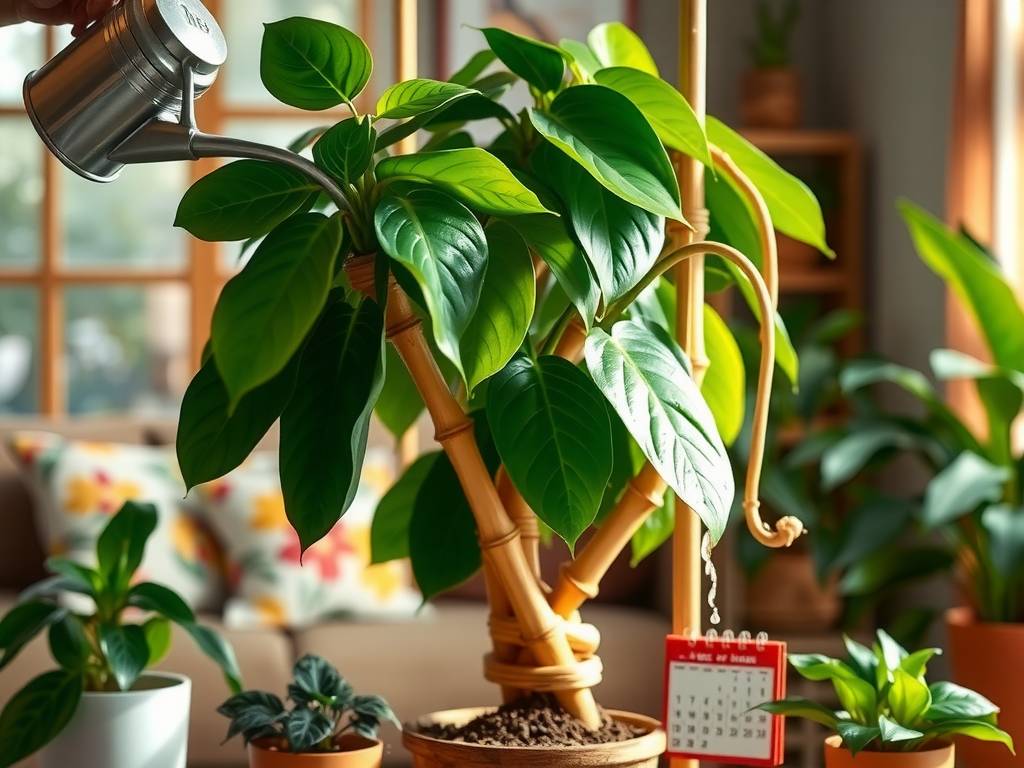
When to Water: The Finger Test is Your Best Tool Ditch the calendar. The only reliable schedule is the condition of your soil. During summer, check your large Philodendron Selloum at least once a week. Insert your finger 2-3 inches into the soil. If it feels dry at that depth, it’s time to water. If it still feels cool and slightly moist, wait another day or two. A moisture meter can provide additional confirmation for very large pots.
-
How to Water: The Deep Soak Method When it’s time, water thoroughly. Slowly pour room-temperature water around the base of the plant, moving in a circle, until you see water freely draining from the pot’s drainage holes. This ensures the entire root mass gets hydrated. Avoid shallow sprinkling, which only wets the topsoil and encourages roots to grow upwards. Let the pot drain completely in the sink or on a saucer, and never let the plant sit in standing water for more than 30 minutes.
-
The Best Water for Your Selloum Philodendron Selloum can be sensitive to chemicals in tap water, such as chlorine and fluoride, which can build up in the soil and cause leaf tip burn. Where possible, use filtered water, rainwater, or distilled water. If using tap water, let it sit out overnight in an open container to allow some chemicals to dissipate.
Advanced Techniques to Maintain Humidity Around Your Plant
Watering addresses the roots; these techniques care for the leaves. The American Horticultural Society (AHS) notes that grouping plants together is one of the simplest and most effective ways to raise humidity, as plants collectively release moisture through transpiration.
-
Create a Humidity Tray (Pebble Tray) This is a classic, low-tech, and highly effective method. Fill a shallow tray wider than your plant’s pot with pebbles or gravel. Add water until it sits just below the top of the pebbles. Place your potted Selloum on top. As the water evaporates, it creates a localized bubble of humid air directly around the foliage. Remember to keep the pot’s base above the water line to prevent root rot.
-
Strategic Grouping with Other Plants Cluster your Philodendron Selloum with other humidity-loving plants like Monsteras, Ferns, or Peace Lilies. Their collective transpiration will significantly boost the moisture content in the air of their shared space, creating a beneficial mini-ecosystem.
-
The Role of Misting: A Temporary Relief Misting the leaves provides immediate but short-lived humidity. It can help cool the leaves and remove dust. For a large Selloum, it is a supplementary tool, not a primary solution. If you mist, do so in the morning with a fine spray so leaves dry before evening, reducing the risk of fungal diseases.
-
Using a Humidifier: The Ultimate Solution For consistent, controllable humidity, especially in air-conditioned rooms which pull moisture from the air, a cool-mist humidifier is unbeatable. Aim to maintain humidity levels between 50-60% around your large leaf Philodendron. This is the most reliable way to prevent those dreaded brown, crispy leaf edges.
Signs You’re Nailing the Balance (Or Missing the Mark)
Your plant will communicate its needs.
- Signs of Success: Steady, robust growth of new, unfurling leaves. Leaves are a vibrant, deep green without yellowing. Soil dries at a consistent, predictable rate between waterings.
- Warning Signs of Low Humidity: Brown, crispy leaf tips and edges. New leaves may emerge smaller or distorted. Leaves may feel dry or papery to the touch.
- Warning Signs of Overwatering: Yellowing lower leaves, often starting from the stem. Consistently wet, soggy soil. A musty smell from the pot, indicating potential root rot.
Seasonal Adjustments and Long-Term Health
As summer transitions to fall, your plant’s growth will slow. Gradually reduce your watering frequency, always guided by the soil moisture test. You may also scale back on humidifier use as indoor heating season begins, at which point it becomes crucial again. Repotting is best done in spring or early summer, giving the plant the active growing season to establish in its new pot. When you do repot, choose a well-draining, peat-based potting mix and a pot only 1-2 inches larger in diameter to prevent excess soil from staying wet too long.
My large Philodendron Selloum has brown tips even though I water it regularly. What am I doing wrong? This is the classic sign of low atmospheric humidity. Regular watering hydrates the roots, but dry air pulls moisture from the leaves faster than the roots can replace it. Focus on boosting humidity around the foliage using a pebble tray, humidifier, or plant grouping, rather than increasing your watering frequency, which could lead to root rot.
Can I just put my Selloum outside for the summer to get more humidity? This can be beneficial but must be done with caution. Choose a fully shaded or dappled sunlight location, as direct sun will scorch the leaves. Ensure the pot has excellent drainage for rain. Also, acclimate the plant slowly over a week to outdoor conditions to avoid shock. Be vigilant for pests when bringing the plant back indoors in the fall.
How often should I fertilize during the summer watering season? During the active summer growth period, you can support your plant with a balanced, water-soluble fertilizer diluted to half-strength. Apply it once a month during a regular watering session. Avoid fertilizing in winter when growth is minimal. Remember, proper watering and humidity are more critical to summer health than frequent feeding.
Caring for a large Philodendron Selloum in summer is an exercise in holistic plant stewardship. It requires moving beyond a simple watering can and understanding the plant’s inherent need for a moist, tropical atmosphere. By anchoring your care in deep, thoughtful watering that responds to the soil’s true condition, and then layering on targeted methods to raise the humidity around those spectacular leaves, you provide the complete support system your plant deserves. This balanced approach not only prevents common issues like crispy tips but actively fuels the vibrant, sprawling growth that makes the Selloum such a rewarding companion. With these practices, you can confidently enjoy the lush, jungle-like presence of your Philodendron all summer long.