bluename
 How to Care for Large Alocasia Macrorrhiza - Safety Tips to Avoid Ingestion
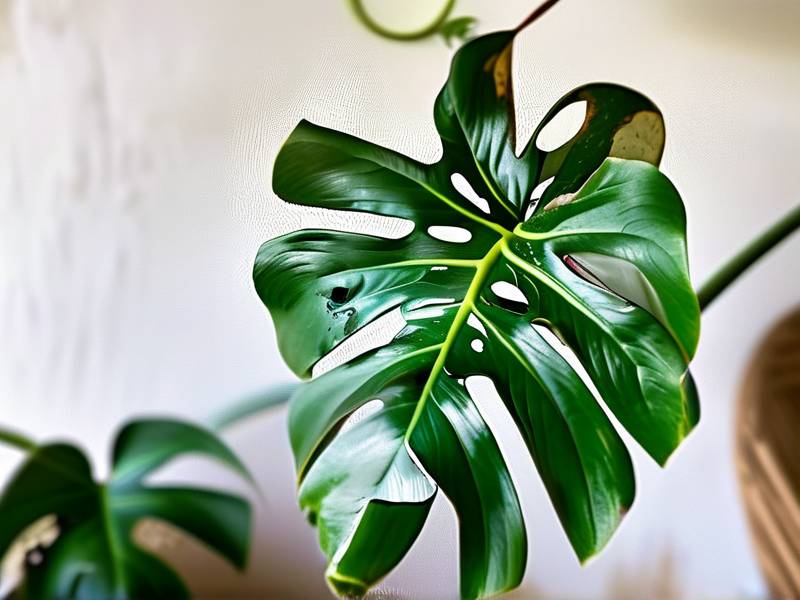
You've finally brought home that stunning, statement-making giant—a large Alocasia Macrorrhiza, also known as the Giant Taro or Elephant Ear plant. Its enormous, heart-shaped leaves create a dramatic, tropical atmosphere in any room. But as you admire its beauty, a nagging concern might surface: is this gorgeous plant safe for your home, especially if you have curious children or pets? You're right to be cautious. While caring for a large Alocasia Macrorrhiza is rewarding, understanding its toxic properties and implementing safety measures is a non-negotiable part of responsible plant ownership. This guide will walk you through both its essential care requirements and the critical safety protocols to ensure your leafy giant thrives without posing a risk to your household.
Understanding Your Alocasia Macrorrhiza: A Beautiful Hazard
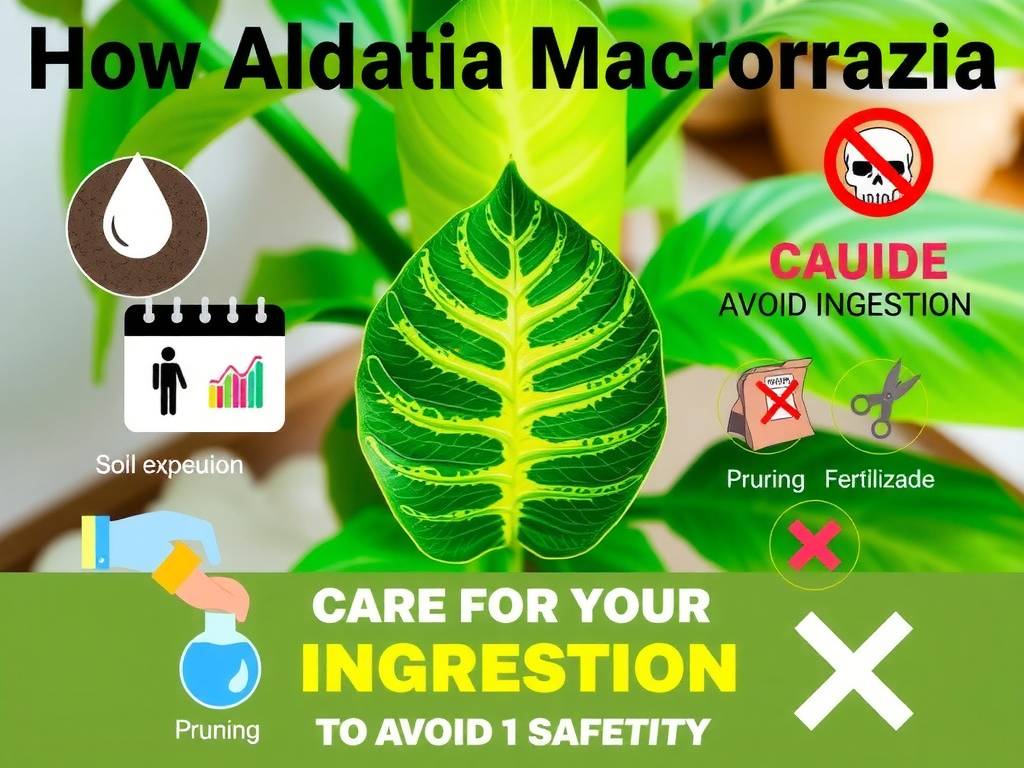
Before we delve into soil and sunlight, it's crucial to acknowledge the elephant in the room—or rather, the calcium oxalate crystals in the plant. Every part of the Alocasia Macrorrhiza contains insoluble calcium oxalate crystals. These microscopic, needle-sharp crystals can cause intense discomfort and adverse reactions if any part of the plant is ingested or if its sap comes into contact with sensitive tissues.
The American Society for the Prevention of Cruelty to Animals (ASPCA) explicitly lists Alocasia species as toxic to dogs, cats, and horses. Similarly, the National Poison Control Center recognizes the potential for oral irritation, pain, and swelling in humans. Symptoms can include burning of the mouth, lips, and tongue, excessive drooling, difficulty swallowing, and vomiting. This isn't meant to alarm you but to empower you with knowledge. With proper care and placement, you can mitigate these risks entirely.
Essential Care Guide for a Thriving Giant Alocasia
A healthy plant is a stable plant, less likely to drop leaves or sap that could be accessed. Here’s how to meet its needs.
Light and Location: Finding the Sweet Spot
Your large Alocasia Macrorrhiza craves bright, indirect light. Think of the dappled sunlight it would receive under the canopy of taller trees in its native Southeast Asian habitat. A spot near an east or north-facing window is often ideal. A few feet back from a south or west-facing window with a sheer curtain for diffusion works perfectly.
Direct, harsh afternoon sun will scorch those magnificent leaves, causing brown, crispy patches. Too little light, and the plant will become leggy, with smaller leaves and slowed growth. The location you choose should balance its light needs with safety—a factor we'll address in detail later.
Watering and Humidity: Mimicking the Tropics
Watering is where many enthusiasts go wrong. The goal is consistently moist but never soggy soil. During the active growing season (spring and summer), water thoroughly when the top 1-2 inches of soil feel dry to the touch. Ensure all excess water drains freely from the pot's bottom; never let the plant sit in a saucer of water, as this leads to root rot.
This plant loves humidity, ideally above 60%. In dry homes, use a humidifier nearby, place the pot on a pebble tray filled with water (keeping the pot base above the water line), or group it with other humidity-loving plants. Misting can provide a temporary boost but is less effective than other methods and should be done in the morning to allow leaves to dry.
Soil and Feeding: The Foundation of Health
A well-draining, aerated potting mix is essential. A premium aroid mix is perfect. You can make your own blend using equal parts potting soil, orchid bark, perlite, and a handful of horticultural charcoal. This mix prevents waterlogging while retaining some moisture and nutrients.
Feed your plant with a balanced, water-soluble fertilizer diluted to half-strength every 4-6 weeks during the growing season. Avoid fertilizing in fall and winter when growth naturally slows. Over-fertilization can cause salt buildup in the soil, damaging the roots and ironically making the plant more stressed and potentially more toxic.
Safety First: Proactive Measures to Prevent Accidental Ingestion
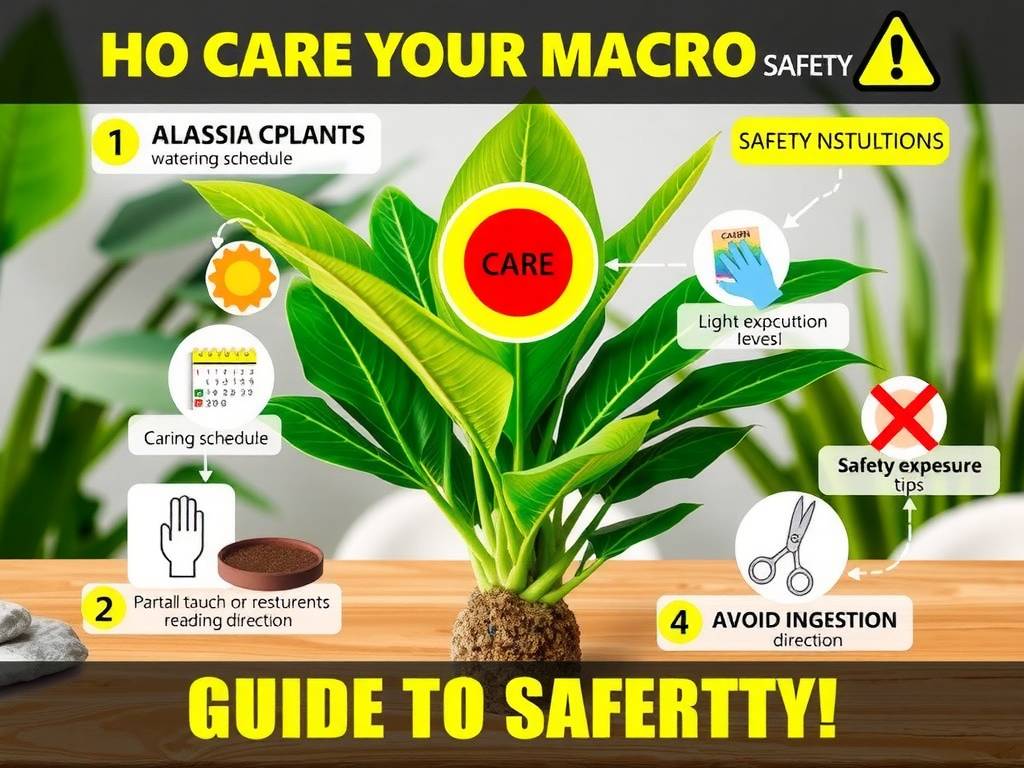
Caring for your Alocasia Macrorrhiza isn't just about keeping it alive; it's about keeping everyone around it safe. Here are non-negotiable safety tips.
Strategic Placement and Physical Barriers
This is your first and most important line of defense. Place your large Alocasia Macrorrhiza in a location that is completely inaccessible to pets and young children. Consider:
- High, stable shelves or plant stands.
- Dedicated plant rooms that can be gated off.
- Hanging planters, if the size and weight are manageable. For free-standing floor plants, a decorative but sturdy plant cage or barrier can be an effective deterrent. The goal is to remove the temptation and the opportunity.
Safe Handling Practices During Maintenance
You will need to handle the plant for watering, cleaning, and repotting. Always wear protective gloves. The sap can cause skin irritation for some people, and gloves prevent any accidental transfer from your hands to your eyes or mouth.
When pruning yellowing leaves or performing any task that might release sap, do so over a disposable surface and clean your tools (pruners, scissors) immediately after use with soap and water. Wash your hands thoroughly, even when wearing gloves, after any contact with the plant or its soil.
Education and Emergency Preparedness
Ensure all household members and frequent visitors understand that the plant is not for touching or tasting. For older children, a simple, clear explanation is appropriate.
Keep the number for the Animal Poison Control Center (APCC: 888-426-4435) and the Human Poison Control help line (1-800-222-1222) saved in your phone and posted visibly, like on the refrigerator. In any suspected ingestion incident, contact professionals immediately. Do not wait for symptoms to appear, and do not attempt to induce vomiting unless specifically instructed by a poison control expert or veterinarian.
Recognizing and Responding to Potential Exposure
Despite all precautions, accidents can happen. Knowing the signs ensures a swift response.
Identifying Symptoms of Exposure
In humans and animals, watch for:
- Oral Irritation: Pawing at the mouth, excessive drooling, vocalizing in pain.
- Swelling: Swelling of the lips, tongue, and upper airway, which can, in rare severe cases, impact breathing.
- Gastrointestinal Distress: Vomiting, difficulty swallowing, loss of appetite. Skin contact with sap may result in redness, itching, or dermatitis for sensitive individuals.
Immediate Response Steps
- Remove Plant Material: Gently remove any remaining plant parts from the mouth.
- Rinse: Rinse the mouth, lips, and any affected skin area thoroughly with cool water. Offer a cool drink or something soothing like yogurt to help ease mouth discomfort.
- Call for Help: Immediately contact the appropriate poison control center. Provide them with the plant's name (Alocasia Macrorrhiza) and describe the amount ingested, if known.
- Do Not Administer Home Remedies: Avoid giving milk, food, or any medication unless directed by a professional, as it may complicate treatment.
Troubleshooting Common Alocasia Macrorrhiza Problems
A stressed plant can shed leaves, increasing access to fallen toxic material. Here’s how to keep it robust.
Yellowing Leaves and Other Concerns
Yellow leaves are often a sign of overwatering or poor drainage. Check your soil moisture and ensure the pot drains freely. Brown, crispy leaf edges usually indicate low humidity or underwatering. A sudden loss of several leaves can be a sign of temperature shock, drafts, or natural dormancy in winter—reduce watering slightly and wait for new growth in spring.
Pests like spider mites and mealybugs can weaken your plant. Inspect leaves regularly, especially the undersides. Treat infestations early with insecticidal soap or neem oil, applying treatments carefully while wearing gloves.
What should I do if my pet chews on an Alocasia leaf? Stay calm but act quickly. Remove any plant matter from your pet's mouth, offer a small amount of water or milk to drink, and call your veterinarian or the Animal Poison Control Center immediately. Have the plant's name ready. Prompt action is crucial for the best outcome.
Can I still own this plant if I have a cat that climbs everything? It requires extreme diligence. You must create an absolutely inaccessible environment, such as a locked sunroom or a ceiling-mounted hanging basket well away from any launch surfaces. For persistent climbers, the safest choice for peace of mind may be to admire this plant in botanical gardens instead.
Is the sap dangerous to touch during repotting? For most people, it causes mild to moderate skin irritation. However, it can be more severe for those with sensitive skin or latex allergies. Always wear durable gloves and long sleeves when handling the roots or stems. If sap contacts your skin, wash the area immediately with soap and water.
Caring for a large Alocasia Macrorrhiza is a fulfilling endeavor that brings a slice of the tropics indoors. Its care revolves around replicating its natural environment—consistent moisture, high humidity, and bright, filtered light. However, this journey must be undertaken with informed respect for the plant's toxic properties. By integrating strategic placement, safe handling habits, and a clear emergency plan into your routine, you create a secure space where both your family and your magnificent botanical specimen can flourish together. The key is proactive, knowledgeable ownership, turning potential worry into confident, joyful cultivation.