bluename
 How to Care for Curly Lucky Bamboo - Hydroponic Water Change & Nutrient Addition
You've brought home a beautiful curly lucky bamboo plant, its spiraling stalks promising good fortune and a touch of serene elegance to your space. But now, you're staring at the water-filled vase, wondering: Is this water still good? Why are the leaf tips turning yellow? What exactly am I supposed to add to keep it thriving? If you're worried about accidentally harming your resilient yet delicate-looking plant through improper hydroponic care, you're not alone. The secret to a vibrant, long-lived curly lucky bamboo lies in mastering two fundamental routines: the water change and strategic nutrient addition. Neglecting these can lead to stagnant growth, discoloration, and root rot, but getting them right is simpler than you think.
This definitive guide will walk you through every step, transforming uncertainty into confidence. We'll cover not just the "how," but the "why," ensuring your plant doesn't just survive, but flourishes for years to come.

Understanding Your Curly Lucky Bamboo's Hydroponic Home
First, let's clarify: despite its common name, lucky bamboo (Dracaena sanderiana) is not a true bamboo but a member of the Dracaena family. This is crucial for its care. In nature, it's a terrestrial plant, but it has remarkably adapted to living in water. However, this hydroponic environment is entirely dependent on you to replicate the clean, mineral-balanced conditions it needs.
In a pot with soil, nutrients are slowly released and the medium provides stability. In water, everything is more immediate. The roots are directly exposed to whatever is in the water—oxygen, minerals, and unfortunately, any accumulating toxins or decaying organic matter. This makes the quality and content of your water the single most important factor in how to care for curly lucky bamboo.
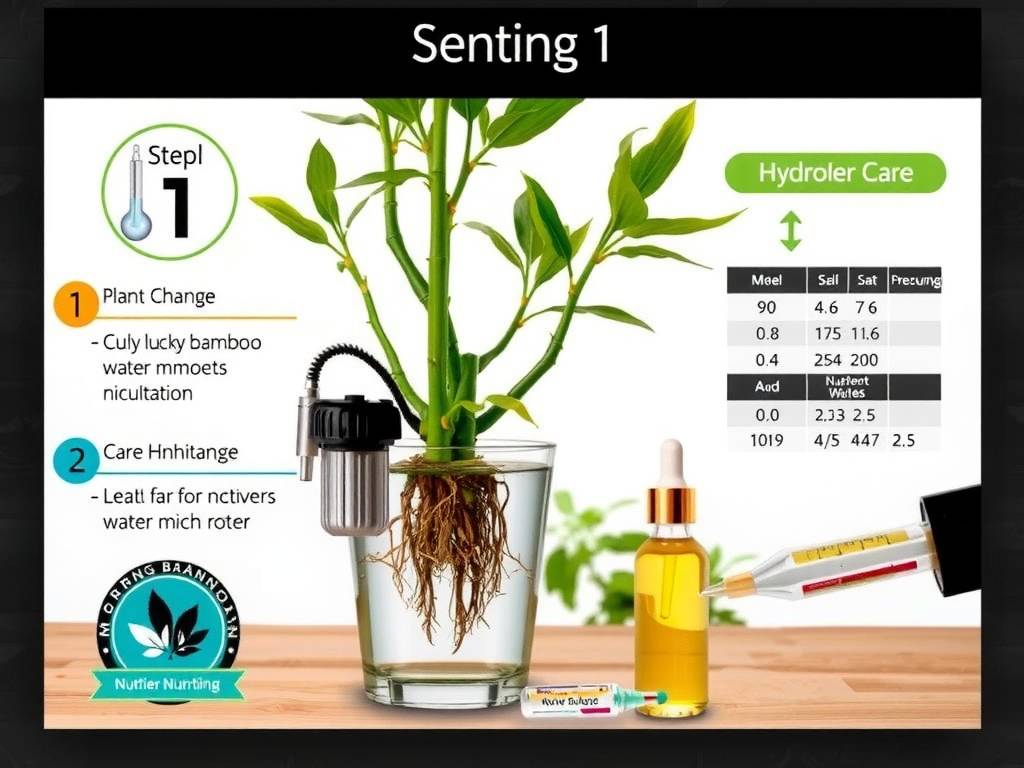
The Cornerstone of Health: The Perfect Water Change Routine
Regular water changes are non-negotiable. They prevent the buildup of salts, algae, and bacteria, and replenish dissolved oxygen that the roots need to breathe.
Choosing the Right Water The type of water you use is your first critical decision. Tap water is convenient but often contains chlorine, chloramines, and fluoride, which can cause brown leaf tips over time.
- Filtered or Purified Water: This is the gold standard. A simple carbon filter can remove most chlorine and impurities.
- Distilled or Rainwater: Excellent, soft choices. However, because they are devoid of all minerals, you must be slightly more diligent with nutrient addition (covered later).
- Tap Water: If you must use it, let it sit uncovered for 24 hours. This allows chlorine to evaporate. Note that this does not remove chloramines or fluoride, which are common in municipal water.
The Step-by-Step Water Change Process Follow this process every 7 to 14 days. In warmer rooms or smaller containers, lean towards weekly changes.
- Gently Remove the Plant: Carefully take your curly lucky bamboo out of its vase or container. Cradle the stalks to avoid bending or breaking them.
- Clean the Container: Empty the old water. Scrub the vase thoroughly with warm water. Avoid soap, as residues can harm the plant. This is the time to remove any algae clinging to the glass.
- Rinse the Roots: Hold the plant's roots under a gentle stream of lukewarm, filtered water. This washes away any sticky film or debris.
- Inspect and Prune: This is a key moment for plant health. Look at the roots. Healthy roots are firm and orange or reddish in color. Soft, brown, or mushy roots indicate rot and should be trimmed off with clean scissors. You can also trim any yellowing leaves from the stalks.
- Refill and Replant: Place your plant back in its clean vase. Add your prepared water until it covers 1 to 3 inches of the roots. Submerging too much of the stalk can lead to rot.
Fueling Growth: When and How to Add Nutrients
Pure water alone is not food. While your plant can survive in plain water for a while, it will eventually exhaust the reserves in its stalk, leading to slow growth and pale leaves. This is where hydroponic nutrient addition for lucky bamboo becomes essential.
What to Use: Finding the Right Food
- Liquid Hydroponic Fertilizer: This is the most recommended option. Choose a balanced, water-soluble formula designed for hydroponics or foliage plants. A formula with an equal NPK ratio (like 10-10-10 or 5-5-5) is ideal.
- Specialized Lucky Bamboo Food: These are commercially available and formulated specifically for Dracaena sanderiana. They are often very mild.
- What to Avoid: Standard garden fertilizers or "plant food spikes" are too strong and will burn the roots in a hydroponic setup. Never use them.
The Golden Rule of Fertilizing: Less is More Over-fertilization is the fastest way to kill your curly lucky bamboo. Signs include yellow leaves, brown tips, or a white crust forming on the vase or roots (mineral salt buildup).
- Dilution is Key: Dilute your liquid fertilizer to one-tenth (1/10) of the strength recommended on the bottle for potted plants. If the bottle says "1 teaspoon per gallon," use 1/10 of a teaspoon for your bamboo's water.
- Frequency: Add this diluted fertilizer solution only once every 4 to 8 weeks. A good practice is to add it during one of your regular water changes. For the subsequent water changes, use plain, clean water without fertilizer.
- Method: After you've refilled the vase with fresh water, add the diluted fertilizer and swirl gently to mix.
Expert Insights for Optimal Plant Health
The Royal Horticultural Society (RHS) emphasizes the importance of clean water and minimal feeding for Dracaenas in general, noting that "overwatering and overfeeding are common pitfalls." They advise that yellowing stems are often a sign of poor water quality or chemical sensitivity.
Furthermore, the American Horticultural Therapy Association (AHTA) highlights the therapeutic benefits of plant care routines. The simple, mindful acts of changing water and tending to your curly bamboo plant care can reduce stress and promote a sense of well-being. Your consistent care is as good for you as it is for the plant.
Troubleshooting Common Issues Related to Water and Food
- Yellow Leaves: This is the most common cry for help. If older leaves yellow slowly, it may be a natural process. If many leaves or new growth turns yellow, it's often due to too much fertilizer, poor water quality, or excessive direct sunlight.
- Brown Leaf Tips: Typically caused by chemicals (fluoride, chlorine) in tap water or a buildup of salts from fertilizer. Switch to filtered water and ensure you are diluting fertilizer properly.
- Green Algae in the Vase: Algae thrives on light and nutrients. Use an opaque vase or keep your clear vase away from direct sun. Clean the vase thoroughly during every water change.
- Soft, Mushy Stalks: This indicates stem rot, usually from the stalk being submerged too deeply in water. Ensure only the roots are covered, and trim away any soft parts immediately to prevent spread.
How often should I change the water for my curly lucky bamboo? Aim to change the water every 7 to 14 days. In smaller containers or warmer environments, change it weekly to keep it fresh and oxygenated. Always change it immediately if it looks cloudy or smells unpleasant.
Can I use liquid fertilizer from my other houseplants? You can, but you must exercise extreme caution. Hydroponic systems are far more sensitive than soil. Dilute any all-purpose liquid houseplant fertilizer to at least one-tenth of its recommended strength, and use it no more than once every two months. A hydroponic-specific fertilizer is a safer, more reliable choice.
Why are the roots of my bamboo turning red? Is this bad? Quite the opposite! Red or orange roots are completely normal and a sign of a healthy curly lucky bamboo plant. It is a natural pigment in the Dracaena species. Only be concerned if the roots feel slimy, mushy, or emit an odor, which indicates rot.
Caring for your curly lucky bamboo is a rewarding practice that blends simplicity with attentive detail. By establishing a consistent rhythm of refreshing its water with a clean, chemical-free source and providing minuscule, well-timed doses of nutrients, you create the foundation for lifelong vitality. Remember, the plant's striking curls formed under the careful guidance of a grower, and now its lush, green growth is in your hands. Observe its responses, adjust your care with the seasons, and enjoy the peaceful, prosperous presence it adds to your home.