bluename
 How to Care for Spiral Lucky Bamboo - Soil Cultivation for Stable Growth
You've brought home a beautiful spiral lucky bamboo, captivated by its elegant twists and turns, a symbol of good fortune and positive energy. But now, the leaves are turning yellow, the tips are browning, and that vibrant green seems to be fading. You might be wondering if you're doing something wrong. The most common mistake? Keeping it solely in water. For long-term, stable growth and a truly thriving plant, transitioning your spiral lucky bamboo to soil is the secret. This comprehensive guide will walk you through every step of soil cultivation for stable growth, ensuring your plant not only survives but flourishes for years to come.
Understanding Your Spiral Lucky Bamboo
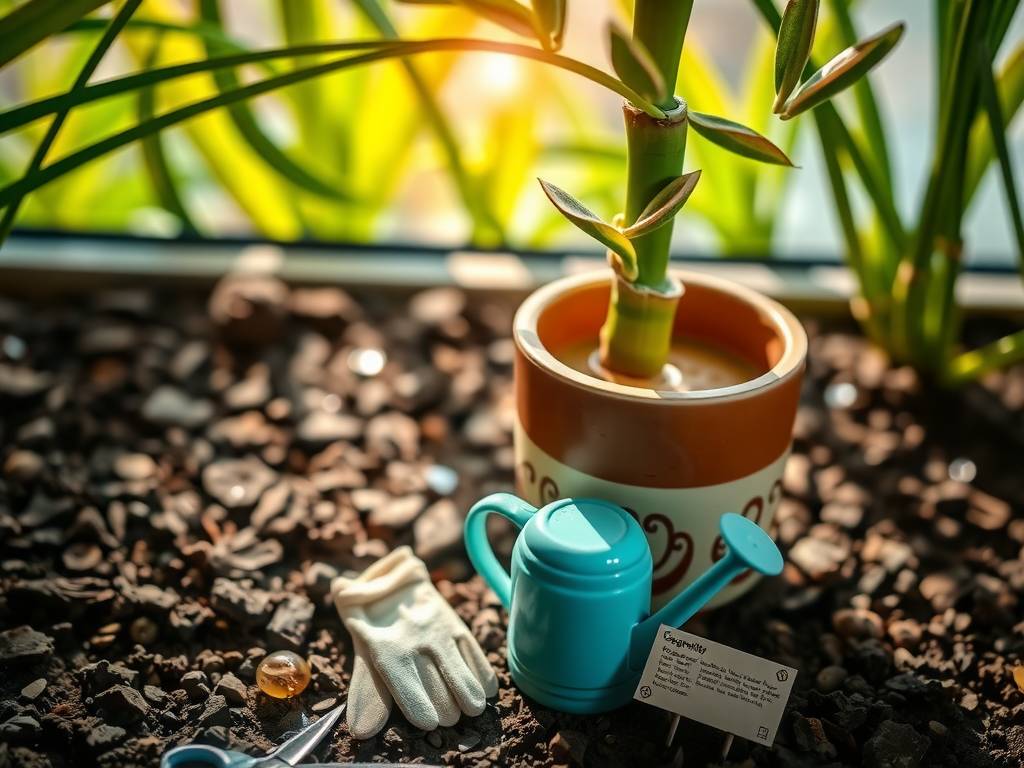
First, let's clarify: "lucky bamboo" (Dracaena sanderiana) isn't a true bamboo at all. It's a resilient member of the Dracaena family. Its iconic spiral shape is achieved through careful manipulation of light direction during growth. While it can survive in water indefinitely, this state is merely survival. Soil cultivation for stable growth provides the complete spectrum of nutrients and physical support the plant needs to reach its full potential.
Why Soil is Superior for Long-Term Health
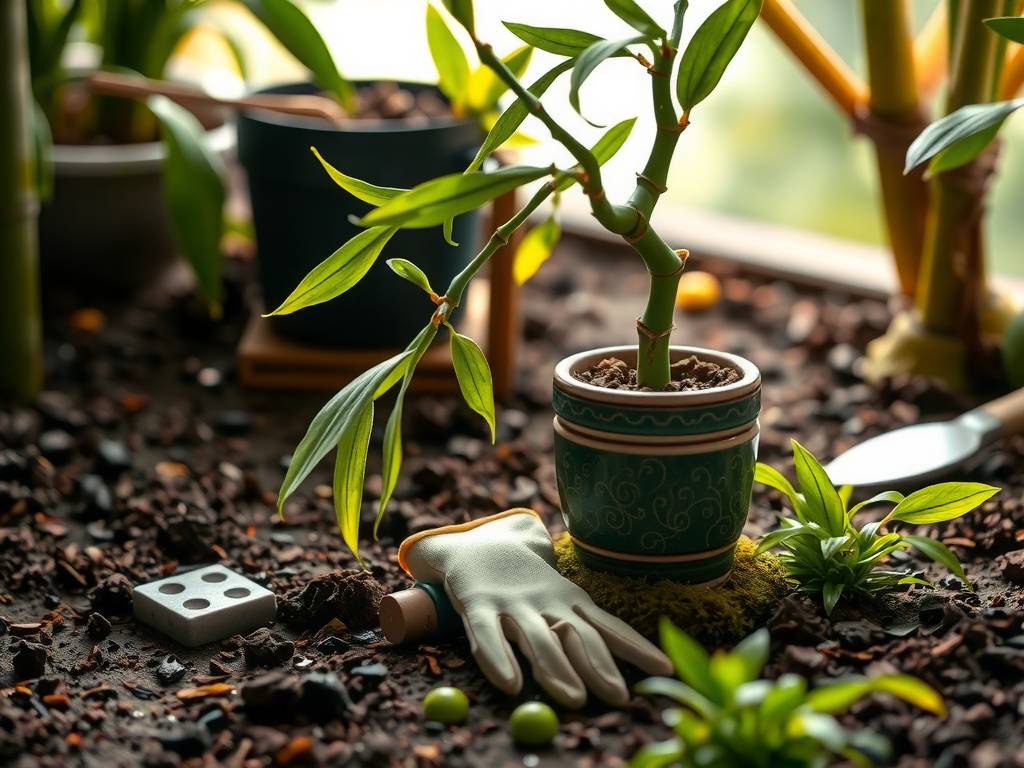
Water cultivation seems simple, but it has significant drawbacks. It lacks essential nutrients, leading to gradual depletion. Stagnant water can breed bacteria and algae, causing root rot. The plant's growth is often stunted. Soil, however, offers a stable, aerated environment. It provides a steady, slow-release of nutrients, encourages stronger and more extensive root development, and dramatically reduces the risk of fatal root issues. According to horticultural principles echoed by resources like the American Horticultural Society, a well-draining soil medium is fundamental for the long-term health of most potted plants, including Dracaenas.
Essential Tools and Materials You'll Need
Before we begin, gather your supplies. Having everything ready makes the process smooth.
- A pot with drainage holes: This is non-negotiable. Choose one that is 1-2 inches wider than the root mass.
- Well-draining potting mix: A standard indoor plant mix is fine. For optimal results, create a blend of 2 parts potting soil, 1 part perlite, and 1 part orchid bark or coarse sand.
- Clean, sharp scissors or pruning shears.
- Tepid, filtered, or distilled water: Lucky bamboo is sensitive to chlorine and fluoride.
- Optional: A mild, balanced liquid fertilizer (like a 10-10-10 formula).
Step-by-Step: Transitioning from Water to Soil
This transition is a critical period. Follow these steps carefully to minimize shock.
Preparing the Plant
Gently remove your spiral lucky bamboo from its water container. Rinse the roots under lukewarm water to remove any old water residue or slimy film. This is a crucial step for healthy spiral bamboo care. Inspect the roots closely. Using your sterilized scissors, trim away any roots that are black, mushy, or smell foul. Healthy roots are firm and orange-tinted.
Preparing the Perfect Soil Mix
Fill your new pot about one-third full with your pre-moistened potting mix. The soil should be damp like a wrung-out sponge, not soggy. The goal is to create an environment that retains some moisture but allows excess water to flow freely, preventing the roots from sitting in water—the key to preventing root rot in lucky bamboo.
The Planting Process
Place your plant's root ball in the center of the pot. Gently add more soil around the sides, tamping it down lightly to remove large air pockets. Ensure the plant is seated at the same depth it was in the water. Do not bury the stem or the twists. Leave about an inch of space between the soil surface and the rim of the pot for watering.
The First Crucial Watering
Water the plant thoroughly after planting until water runs freely from the drainage holes. This settles the soil around the roots. Discard any water that collects in the saucer. Do not let the pot sit in standing water.
Ongoing Care for Soil-Cultivated Spiral Lucky Bamboo
Your plant's needs shift once it's in soil. Here’s how to maintain it.
Light and Location
Spiral lucky bamboo prefers bright, indirect light. Direct sunlight, especially through a window, can scorch its leaves, causing brown patches. A north or east-facing window is ideal. It can tolerate lower light, but growth will be slower.
Watering Schedule: The Golden Rule
This is where most soil-grown plants fail. Overwatering is the #1 killer. Allow the top 1-2 inches of soil to dry out completely between waterings. Insert your finger into the soil to check. When you water, do so thoroughly until it drains from the bottom. In most indoor settings, this translates to watering every 7-10 days, but always let the soil condition be your guide, not the calendar.
Feeding and Nutrition
A soil-grown plant has access to more nutrients than a water-grown one, but it still needs supplementation. During the active growing season (spring and summer), feed your plant with a diluted, balanced liquid fertilizer once a month. Do not fertilize in fall and winter. Over-fertilizing will cause leaf tip burn and can damage roots.
Pruning and Maintenance
To maintain its attractive shape, you can prune any overgrown or yellowing stems. Cut just above a node (the raised ring on the stem) at a 45-degree angle. You can also prune the top to encourage bushier growth lower down. Regularly wipe the leaves with a damp cloth to remove dust, allowing for efficient photosynthesis.
Troubleshooting Common Problems
Even with great care, issues can arise. Here’s how to diagnose and fix them.
Yellowing Leaves
Yellow leaves can signal several issues. Lower, older leaves yellowing naturally is part of the aging process. Widespread yellowing often points to overwatering or poor drainage. Check your soil moisture and ensure the pot drains properly. Yellowing can also indicate too much direct sun or a need for fertilizer (if it's growing season).
Brown Leaf Tips
Brown, crispy tips are frequently caused by chemicals in tap water (fluoride, chlorine), low humidity, or over-fertilization. Switch to filtered or distilled water, mist the plant occasionally, and ensure you are diluting fertilizer properly.
Pests and Diseases
Soil cultivation generally reduces pest issues. However, watch for mealybugs (white, cottony masses) or spider mites (fine webbing). Wipe them off with a cotton swab dipped in rubbing alcohol or use a mild insecticidal soap. The best defense against disease, particularly root rot, is proper watering and excellent drainage.
My spiral lucky bamboo has been in water for years. Is it too late to switch to soil? It's never too late, but the transition may be more stressful for an older plant. The roots will be adapted to an aquatic environment. Be extra gentle during the transfer, ensure the new soil is exceptionally well-draining, and be patient. It may take several weeks for the plant to show new growth as it adapts to its new terrestrial home.
What type of fertilizer is best, and how often should I use it? A balanced, water-soluble fertilizer formulated for houseplants or foliage plants is ideal. Look for an NPK ratio like 10-10-10 or 20-20-20. Dilute it to half or quarter strength and apply only once a month during the spring and summer. Fertilizing in dormancy (fall/winter) can harm the roots.
Can I propagate my spiral lucky bamboo after it's in soil? Absolutely. The most reliable method is stem cuttings. Using a sterile blade, cut a healthy stem section that includes at least one node. You can then root this cutting in a glass of clean water (changing the water weekly) until new roots develop, at which point you can plant it in soil. This is a wonderful way to share your plant's fortune with friends.
Caring for a spiral lucky bamboo in soil is a rewarding practice that transforms it from a temporary decor piece into a lasting, growing companion. By providing the right foundation—a well-draining pot and mix—and mastering the balance of light, water, and occasional nutrients, you unlock its potential for stable, vibrant growth. Pay attention to its signals, adjust your care with the seasons, and you'll be rewarded with a resilient and beautiful symbol of good luck that purifies your air and enhances your space for many years.