bluename
 How to Care for Large Pothos: Summer Ventilation to Prevent Root Rot
You’ve nurtured your large pothos into a stunning, cascading masterpiece, a true centerpiece of your home. But as summer’s heat and humidity rise, a silent threat lurks beneath the lush foliage: root rot. This common yet devastating issue is often accelerated in larger plants during warmer months, turning your pride and joy into a wilting, yellowing problem. The secret to safeguarding your green giant isn’t just about watering less; it’s about mastering the art of summer ventilation to prevent root rot. This comprehensive guide will walk you through exactly how to leverage airflow and smart care practices to keep your large pothos thriving all season long.
Understanding the Root of the Problem: Why Large Pothos Are at Risk
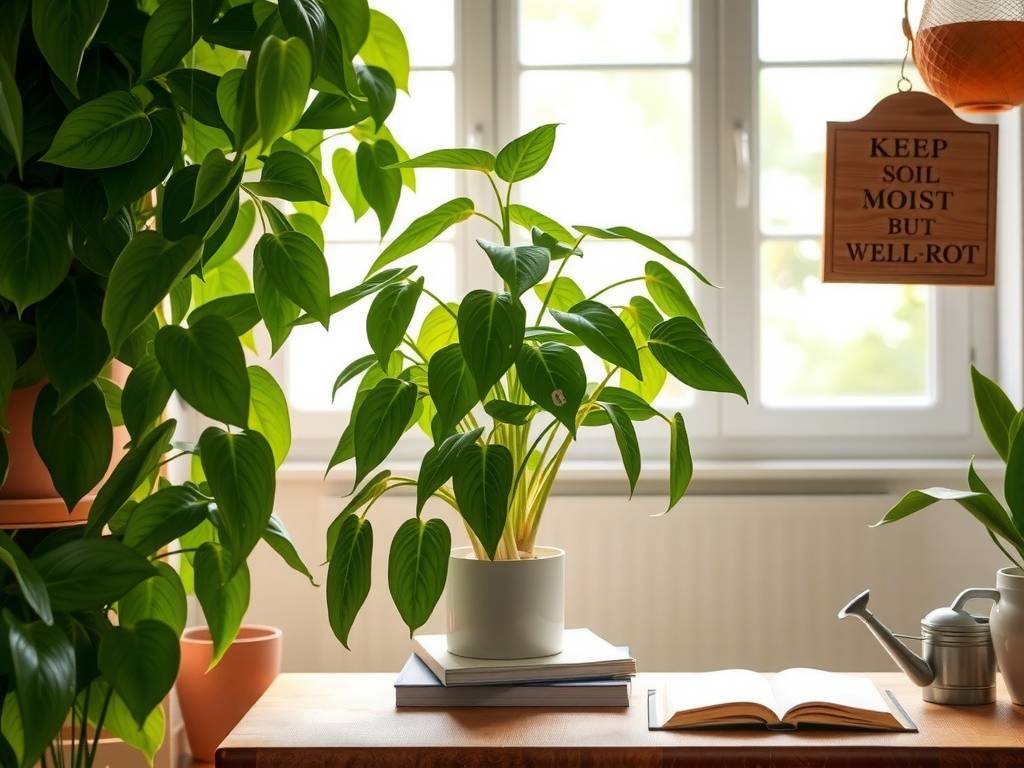
A large pothos isn't just a small plant that got bigger. Its size changes everything. The root system is more extensive, often filling the pot, which leaves less air space in the soil. The canopy is denser, trapping moisture and reducing airflow around the soil surface and stems. In summer, high ambient humidity slows the evaporation of water from the soil, creating a perpetually damp environment that anaerobic bacteria and fungi love.
According to principles emphasized by plant pathology experts, including those aligned with the American Horticultural Society’s (AHS) focus on plant health, root rot is primarily a condition of suffocation. Roots need oxygen as much as they need water. When waterlogged soil fills all the air pockets, roots begin to die and decay, becoming unable to absorb nutrients or water, which ironically causes the plant to exhibit signs of drought while its roots are drowning.
The Vital Role of Ventilation in Your Pothos Care Routine
Ventilation is the unsung hero of plant care, especially for sizable indoor specimens. It’s not about creating a wind tunnel but facilitating gentle, consistent air movement. Good ventilation serves three critical functions for caring for large pothos plants:
- Accelerates Soil Drying: Airflow across the soil surface promotes evaporation, helping the potting mix transition through its natural wet-dry cycle more efficiently, which is crucial in humid summer air.
- Strengthens Plant Tissues: Mild air movement encourages the development of stronger stems and cells, making the plant more resilient.
- Deters Pathogens: Fungal spores and pests thrive in stagnant, humid conditions. Consistent airflow disrupts their environment, making it harder for problems like root rot to take hold.
Your Step-by-Step Summer Ventilation Strategy
Implementing an effective ventilation strategy is straightforward but requires consistency. Here’s how to integrate it into your care regimen.
Optimize Airflow Around the Plant
First, assess your plant’s placement. Is it tucked into a corner or crammed among other plants? For a large pothos plant, this creates a microclimate of stagnant air.
- Create Space: Ensure there is at least a few inches of space between your pothos and walls or other plants. This allows air to circulate around all sides of the foliage and the pot.
- Use a Fan Strategically: A ceiling fan on low or a small oscillating fan placed several feet away can work wonders. The goal is to simulate a gentle breeze, not a direct gale. Run it for a few hours during the day to keep air moving.
- Open Windows: When outdoor humidity is lower than indoors (often in the morning or evening), cross-ventilation from open windows is the best natural solution.
Choose the Right Pot and Soil for Breathability
Ventilation starts from the bottom up. Your pot and soil mix are foundational to preventing waterlogged roots.
- Pot Selection: Always use a pot with ample drainage holes. For a large pothos, consider a porous terracotta or clay pot. These materials "breathe," allowing excess moisture to evaporate through the pot walls, a key factor in preventing pothos root rot.
- The Perfect Soil Mix: Ditch dense, moisture-retentive potting soil. Create a well-draining, aerated mix. A standard recipe is two parts high-quality potting mix, one part perlite, and one part orchid bark or coarse coconut coir. This chunky blend creates air pockets and ensures water flows through quickly, mimicking the plant's natural epiphytic tendencies.
Master the Summer Watering Technique
Even with perfect ventilation, overwatering is the direct cause of root rot. Adjust your habits for the season.
- The Finger Test is Law: Never water on a schedule. Insert your finger 2-3 inches into the soil. For a large pothos, wait until the top 25-50% of the soil feels dry before watering thoroughly. In summer, this might mean watering less frequently than you think, as humidity slows drying.
- Water Thoroughly but Ensure Drainage: When you water, do so until it runs freely from the drainage holes. This ensures the entire root ball is hydrated. Crucially, empty the saucer or cache pot after 15 minutes to prevent the plant from sitting in water.
Recognizing and Rescuing a Pothos from Root Rot
Despite your best efforts, early detection is key. Signs include yellowing leaves, wilting despite wet soil, black/brown mushy roots, and a foul smell from the soil.
- Remove the Plant: Gently take the pothos out of its pot.
- Inspect and Trim: Wash the roots clean. Using sterilized shears, cut away all soft, brown, or black roots. Healthy roots are firm and white or light tan.
- Repot: Disinfect the old pot or use a new one. Use fresh, well-draining potting mix as described above.
- Aftercare: Place the repotted plant in bright, indirect light. Water very sparingly until you see new growth, indicating new roots have formed.
Can I use a pebble tray for humidity without risking root rot? Yes, but technique matters. Use a tray filled with pebbles and water, ensuring the bottom of the pot sits above the water line on the pebbles. This increases ambient humidity through evaporation without allowing the roots to sit in water, complementing your ventilation efforts.
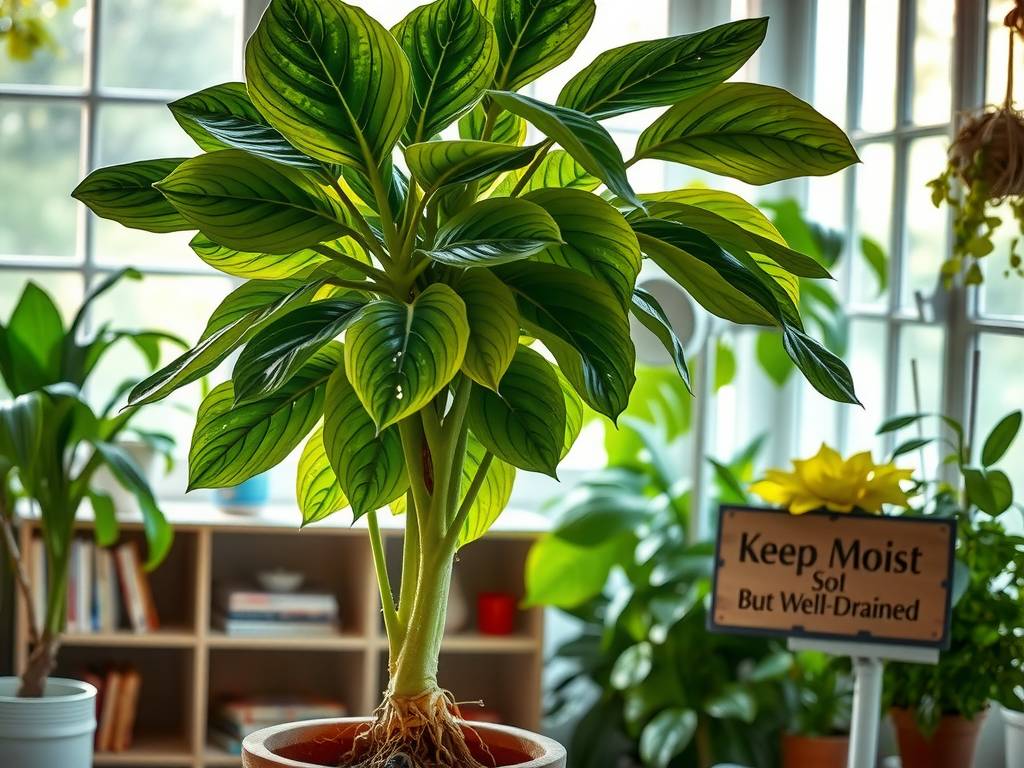
How often should I run a fan for my indoor plants? Aim for intermittent circulation. Running a gentle fan for 4-6 hours during the daytime is often sufficient. Avoid constant, direct blasts, and never aim it directly at the soil, as this can dry it out too quickly in spots.
My large pothos is in a heavy ceramic pot without drainage. What should I do? This is a high-risk situation. The best course of action is to repot it into a container with drainage holes. You can place the functional pot inside the decorative ceramic cache pot for aesthetics, but always remove it for watering and ensure it drains completely before placing it back.
Ensuring the health of your large pothos during the summer hinges on a balanced approach where ventilation plays a leading role. By actively managing airflow around the foliage and, more importantly, through the soil, you directly address the core environmental factor that leads to root rot. Pair this with a well-draining potting mix, a breathable container, and disciplined watering, and you transform summer from a season of risk into a period of vigorous growth. Your large pothos will reward your attentive care with resilient, vibrant leaves that continue to purify your air and beautify your space.