bluename
 How to Care for Variegated Ivy: Trailing Care for Ornamental Value
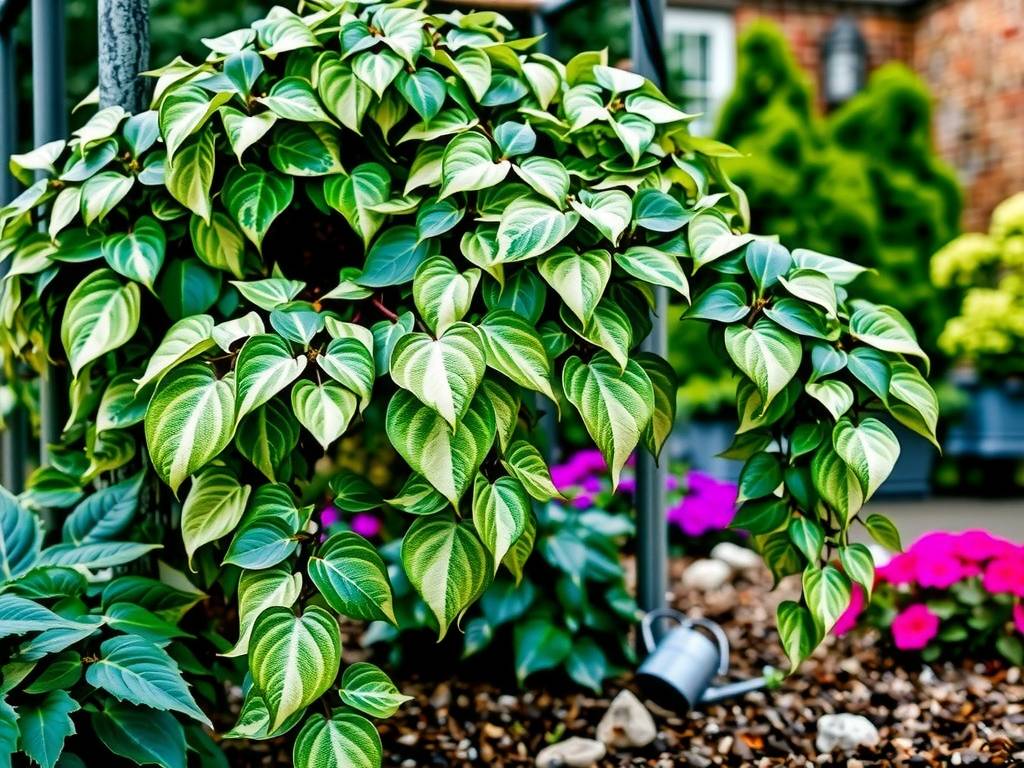
You've brought home a stunning variegated ivy, captivated by its elegant trailing vines and beautiful leaves painted with creamy white and green. But now, you might be wondering how to keep it thriving and maintain that spectacular ornamental display. Perhaps the leaves are losing their vibrant variegation, turning mostly green, or the tips are browning. Maybe the vines look sparse instead of lush and full. Don't worry; these are common challenges. This comprehensive guide is designed to walk you through every aspect of how to care for variegated ivy, transforming you into a confident plant parent who can maximize its trailing beauty for long-term ornamental value.
Understanding your plant's needs is the first step to success. Variegated ivy, often cultivars of Hedera helix, is prized for its decorative foliage. However, those stunning white and yellow markings come with specific care requirements different from its all-green cousins. The variegated sections lack chlorophyll, making the plant slightly more delicate and demanding of ideal conditions to sustain its eye-catching patterns and vigorous growth.
Understanding Variegated Ivy: More Than Just a Pretty Vine
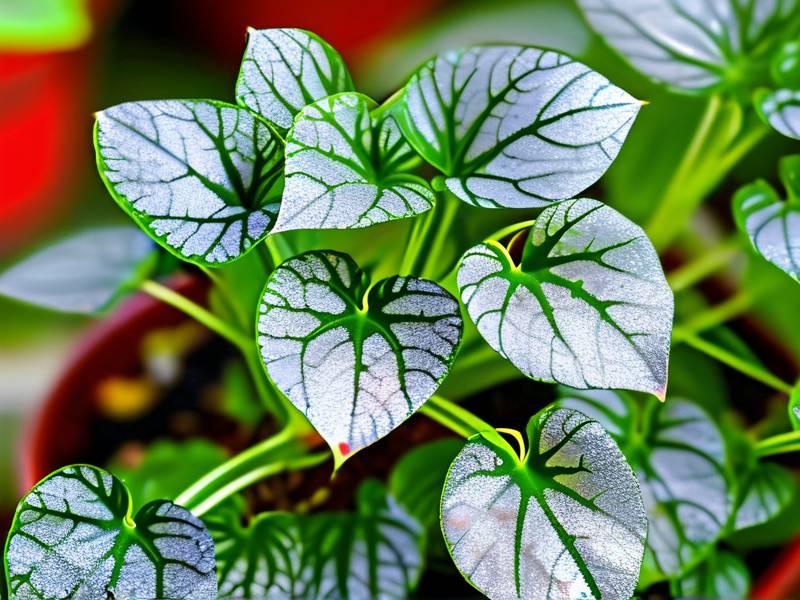
Before diving into care specifics, it's helpful to know what makes your plant tick. Variegation is a genetic mutation that results in sections of the leaf without the green pigment chlorophyll. This is what creates the beautiful marbled or edged effects. Because chlorophyll is essential for photosynthesis, the plant has less overall capacity to produce energy. Consequently, variegated ivy plant care often requires brighter light than plain green ivy to compensate, helping it maintain its growth rate and leaf markings.
Experts from the Royal Horticultural Society (RHS) note that variegated cultivars can be slightly less hardy than their green counterparts. They emphasize that proper placement regarding light and protection from extreme cold is crucial for these ornamental varieties. This insight directly informs our care priorities, ensuring your plant not only survives but thrives as a centerpiece in your home.
The Golden Rule: Perfecting Light for Vibrant Variegation
Light is the single most critical factor in maintaining variegation in ivy plants. Insufficient light is the primary culprit behind vines reverting to solid green. The plant, in its quest for more chlorophyll to produce energy, will start producing leaves with more green tissue.
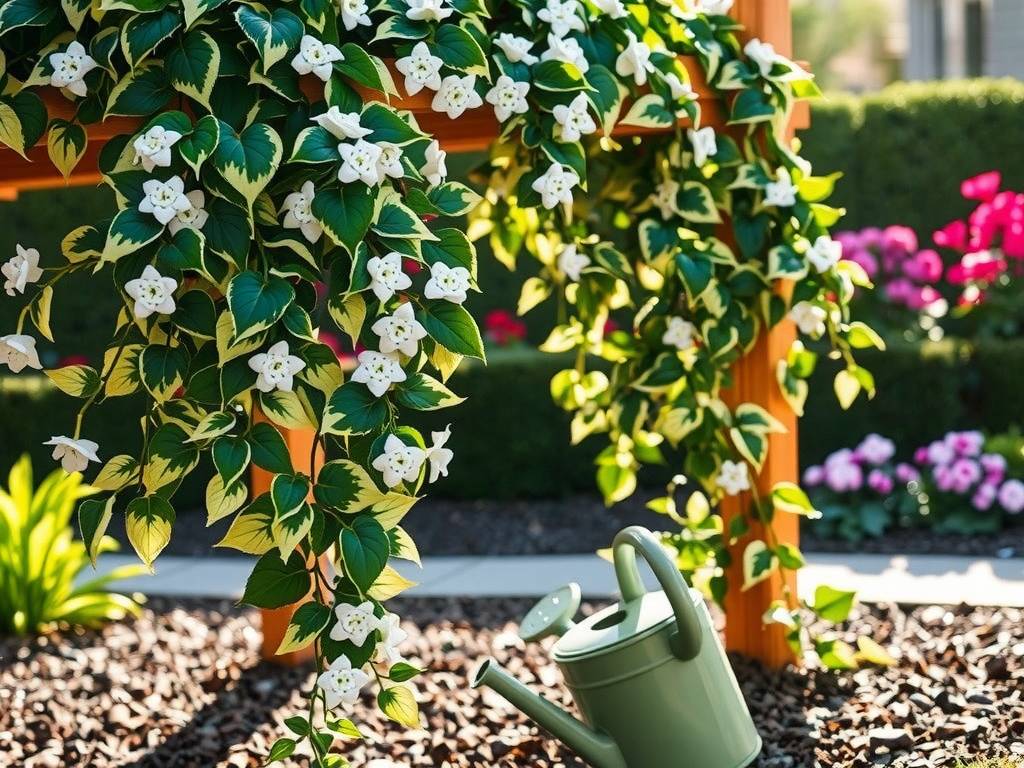
- Ideal Exposure: Provide bright, indirect light. An east-facing window is often perfect, offering gentle morning sun. A north-facing window can work if it's very bright. A spot a few feet back from a south or west-facing window, filtered by a sheer curtain, is also excellent.
- What to Avoid: Direct, harsh afternoon sun can scorch the delicate leaves, causing brown, crispy patches. Deep shade will lead to leggy growth (long stems with wide gaps between leaves), loss of variegation, and increased susceptibility to pests.
- Pro Tip: Rotate your plant a quarter turn every time you water. This ensures all sides receive even light, promoting symmetrical, full growth and preventing the plant from leaning heavily toward the light source.
Watering Wisely: The Balance Between Drought and Drench
Watering is where many well-intentioned plant owners stumble. Ivy dislikes both soggy feet and prolonged drought. The goal is consistent, moderate moisture.
- The "Soak and Dry" Method: This is the most reliable technique. Water your ivy thoroughly until water runs freely from the drainage holes. Then, allow the top 25-50% of the soil to dry out before watering again. You can check this with your finger.
- Seasonal Adjustments: Your plant's thirst changes with the seasons. It will drink more frequently during the active growing season (spring and summer) and much less during the dormant period (fall and winter). Always check the soil first rather than watering on a fixed schedule.
- Signs of Trouble: Yellowing leaves often indicate overwatering and potentially root rot. Crispy brown leaf edges typically point to underwatering, low humidity, or a buildup of salts and minerals from tap water. Using filtered or rainwater can prevent tip burn.
Soil and Potting: Creating the Ideal Foundation
The right soil mix sets the stage for healthy roots, which in turn support those gorgeous trailing vines. Ivy requires a well-draining potting medium that retains some moisture without becoming waterlogged.
- Soil Mix Recipe: A standard, high-quality potting mix amended with perlite or coarse sand is ideal. A simple ratio of two parts potting mix to one part perlite provides excellent drainage and aeration. The American Horticultural Society (AHA) recommends well-drained soils for container plants to prevent anaerobic conditions that harm roots.
- Pot Selection: Always choose a pot with drainage holes. Terracotta pots are excellent for ivy as they are porous, allowing soil to dry more evenly and reducing the risk of overwatering. When repotting, typically every 1-2 years in spring, only move up one pot size (1-2 inches larger in diameter).
Humidity and Temperature: Mimicking the Native Climate
While ivy is adaptable, it originates from regions with cool, moist air. Replicating these conditions will keep the leaves perky and prevent issues.
- Humidity: Average home humidity is often acceptable, but boosting it will result in lusher growth. You can group plants together, use a pebble tray filled with water placed beneath the pot (ensure the pot sits on the pebbles, not in the water), or employ a room humidifier. Misting is a temporary fix but is less effective and can promote fungal issues if overdone.
- Temperature: Ivies prefer cooler temperatures between 50-70°F (10-21°C). They struggle in hot, dry air from heaters or vents. Protect them from cold drafts near doors and windows in winter. This preference for cooler temps makes them fantastic plants for brighter bathrooms or kitchens.
Feeding for Lush, Trailing Growth
To support its vigorous trailing growth habit, your variegated ivy benefits from regular feeding during its growing season.
- Fertilizer Type: Use a balanced, water-soluble fertilizer (e.g., a 10-10-10 or 20-20-20 formula) diluted to half the recommended strength.
- Feeding Schedule: Fertilize every 4-6 weeks from early spring through early fall. Do not fertilize during the late fall and winter when growth has slowed; the unused salts can build up and damage the roots.
- Less is More: Over-fertilizing can cause rapid, weak growth and burn the roots. The pale variegated parts of the leaves are particularly sensitive to fertilizer burn.
Pruning and Training: Sculpting Your Living Art
Pruning is not just about control; it's essential for encouraging a dense, bushy, and ornamental plant. Ivy grows from its tips, so cutting them stimulates growth from nodes further back on the vine.
- How to Prune: Use clean, sharp scissors or pruners. To encourage fullness, simply snip off the very end of a vine. To control length, you can cut a longer vine back to your desired length, making the cut just above a leaf.
- Propagation: Don't throw those cuttings away! This is your chance to create more plants. Place the stem cuttings in water, and once roots develop a few inches long, pot them up. You can even add these new baby plants back into the mother pot's soil to create an instantly fuller container—a classic technique for enhancing ivy's ornamental display.
- Training: Use clear adhesive hooks, small trellises, or shelves to guide the trailing vines. You can create beautiful cascades from a hanging basket or train it to frame a window.
Common Pests and Problems: A Vigilant Eye
Even with great care, pests can appear. Early detection is key.
- Spider Mites: These tiny pests thrive in dry conditions. Signs include fine webbing and stippled, yellowing leaves. Increase humidity and rinse the plant thoroughly in the shower or treat with insecticidal soap or neem oil.
- Mealybugs: Look for small, white, cottony masses in leaf axils and on stems. Dab them with a cotton swab dipped in rubbing alcohol.
- Aphids: Often found on new, tender growth. A strong spray of water or insecticidal soap usually handles them. Regularly inspecting your plant, especially when watering, is the best defense. Isolating any new plants for a few weeks before placing them near others is also a wise preventative habit.
Why are the leaves on my variegated ivy turning all green? This is almost always due to insufficient light. The plant is producing more chlorophyll to compensate. Move it to a brighter location with plenty of indirect light, and new growth should regain its distinctive patterns. You can prune out the reverted solid green stems if you wish.
How often should I water my trailing ivy? There's no universal schedule. The frequency depends on light, temperature, pot size, and soil mix. Always use the "finger test": water deeply when the top inch or two of soil feels dry. In winter, you may only need to water every 2-3 weeks or even less.
Can I grow variegated ivy outdoors? Yes, in USDA hardiness zones 4-9, many ivies can be grown outdoors as ground cover or climbing vines. However, variegated varieties are often more sensitive to intense sun and winter cold. Plant them in dappled shade and provide protection from harsh afternoon sun and freezing winds. In containers outdoors, ensure they are brought inside if a hard freeze is expected.
Caring for variegated ivy is a rewarding practice that blends attentive observation with simple, consistent routines. By mastering the balance of bright indirect light, careful watering, and occasional feeding, you provide the foundation for health. Strategic pruning then transforms that health into the dense, cascading foliage that makes this plant so visually captivating. Remember, those elegant trailing vines are a direct reflection of the care they receive. With the insights outlined here, you’re equipped to not just grow a variegated ivy, but to cultivate a truly remarkable piece of living decor that enhances your space for years to come.