bluename
 How to Care for Variegated Trachelospermum: Climbing Care for More Blooms
You've fallen in love with the stunning beauty of variegated trachelospermum, also known as variegated star jasmine. Its glossy leaves splashed with creamy white and its promise of intensely fragrant, star-shaped flowers are irresistible. Yet, you find yourself facing a common dilemma: your plant seems to be merely surviving, not thriving. It's not climbing with vigor, and those coveted blooms are sparse or nonexistent. The challenge of coaxing this elegant climber into a lush, flowering spectacle can feel overwhelming. But what if the secret isn't just in basic care, but in mastering the art of its climbing habit? This comprehensive guide is designed to transform your approach, turning your variegated star jasmine into the centerpiece of your garden with a profusion of blooms.
Understanding Your Variegated Star Jasmine
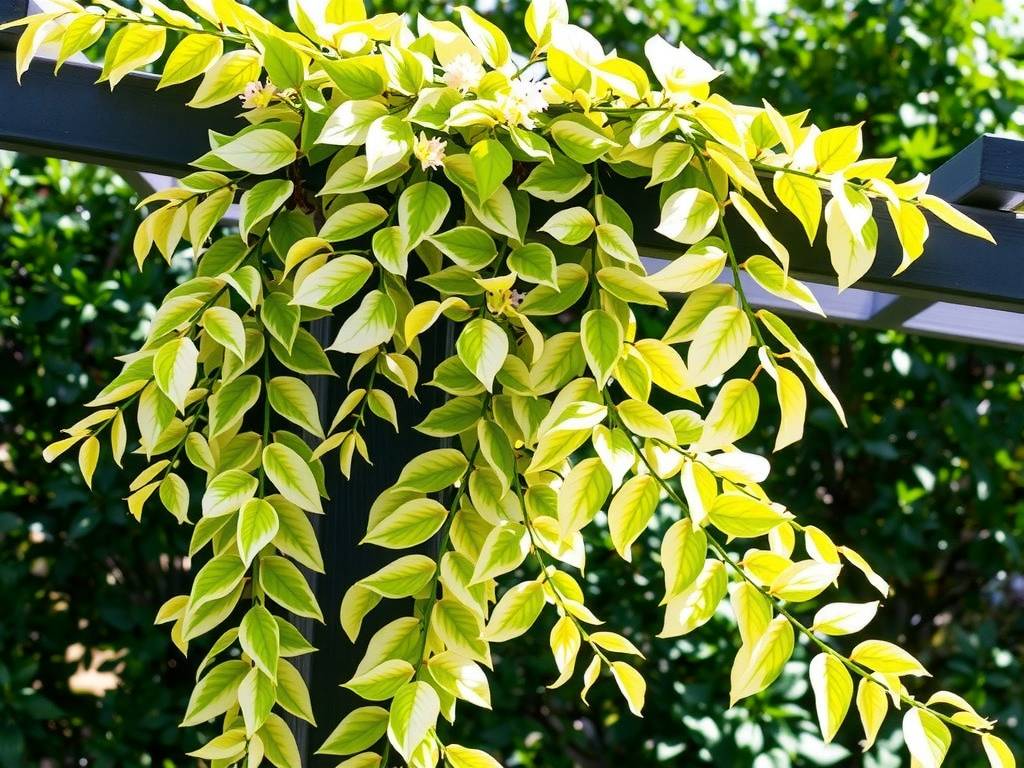
Before diving into advanced care, it's crucial to understand what makes Trachelospermum jasminoides 'Variegatum' unique. Unlike its solid green cousin, the variegated variety has leaves marked with irregular margins of white, cream, or pale yellow. This stunning feature comes with a slight trade-off: the variegated portions contain less chlorophyll, meaning the plant photosynthesizes slightly less efficiently. This doesn't make it difficult, but it does mean it has specific needs regarding light and feeding to support both its striking foliage and its flowering potential. It is a woody, evergreen climber that uses twining stems to grasp supports, a key behavior we will leverage for better blooming.
The Foundation: Essential Care for a Healthy Plant
A plant cannot bloom spectacularly if its basic needs aren't met. Let's establish the non-negotiable fundamentals.
Light: The Prime Bloom Catalyst Light is the single most critical factor for encouraging variegated star jasmine to flower. This plant demands bright, indirect light or partial sun to perform at its best. An ideal location receives morning sun and dappled afternoon shade, or bright, filtered light all day. The variegation can scorch in harsh, direct afternoon sun, especially in hotter climates. However, too much deep shade will result in leggy growth, loss of variegation (the plant may revert to solid green leaves to produce more chlorophyll), and a complete lack of flowers. According to horticultural best practices from the Royal Horticultural Society (RHS), Trachelospermum species require a warm, sheltered spot in full sun or partial shade to flower reliably.
Soil and Planting: Building the Root Zone Well-draining soil is paramount. Soggy roots are a death sentence. Aim for a rich, loamy, and slightly acidic to neutral pH mix. If planting in the ground, amend heavy clay soil with plenty of compost and grit to improve drainage. For containers, use a high-quality potting mix formulated for woody ornamentals or acid-loving plants, ensuring the pot has ample drainage holes. A good start here prevents countless issues down the line.
Watering: Consistent Moisture Without Sogginess Establish a watering rhythm of "consistently moist but never waterlogged." During the active growing season (spring and summer), water deeply when the top inch of soil feels dry. Reduce frequency significantly in autumn and winter, allowing the soil to dry out more between waterings. Container plants will dry out faster than in-ground ones and require more frequent checks. Proper hydration supports the vigorous growth needed for climbing and flowering.
Feeding: Fuel for Foliage and Flowers Your variegated trachelospermum is working hard to produce both showy leaves and fragrant blooms. It needs fuel. Feed it with a balanced, slow-release fertilizer in early spring as new growth emerges. To promote more blooms on climbing star jasmine, switch to a fertilizer with a higher potassium (K) content (like a tomato feed) as flower buds begin to form in late spring. Potassium is essential for flower development and overall plant hardiness. Avoid high-nitrogen fertilizers, which will push excessive leafy growth at the expense of flowers. A light feed in mid-summer can sustain its performance.
The Art of Training: How Climbing Care Leads to More Blooms
This is where we unlock the secret to abundant flowering in variegated trachelospermum. Its climbing nature isn't just aesthetic; it's directly tied to its flowering physiology.
Why Training Influences Flowering Star jasmine tends to produce flower buds on short lateral spurs that form on older, more mature wood. When left as an untrained mound or shrub, growth can become dense and tangled, with energy diverted to producing long, searching vines. By strategically training and pruning, you accomplish two things: you create a structure of mature "framework" branches, and you encourage the growth of those short, flowering side-shoots. The American Horticultural Society's Encyclopedia of Plants & Flowers notes that careful training of climbers on supports maximizes air circulation and light penetration, both critical for bud formation.
Choosing and Using the Right Support Provide a sturdy, permanent support for it to twine around. Excellent options include:
- Trellises or Obelisks: Ideal for training against walls or as free-standing features.
- Wires or a Mesh System: Perfect for creating a green wall on a fence or facade.
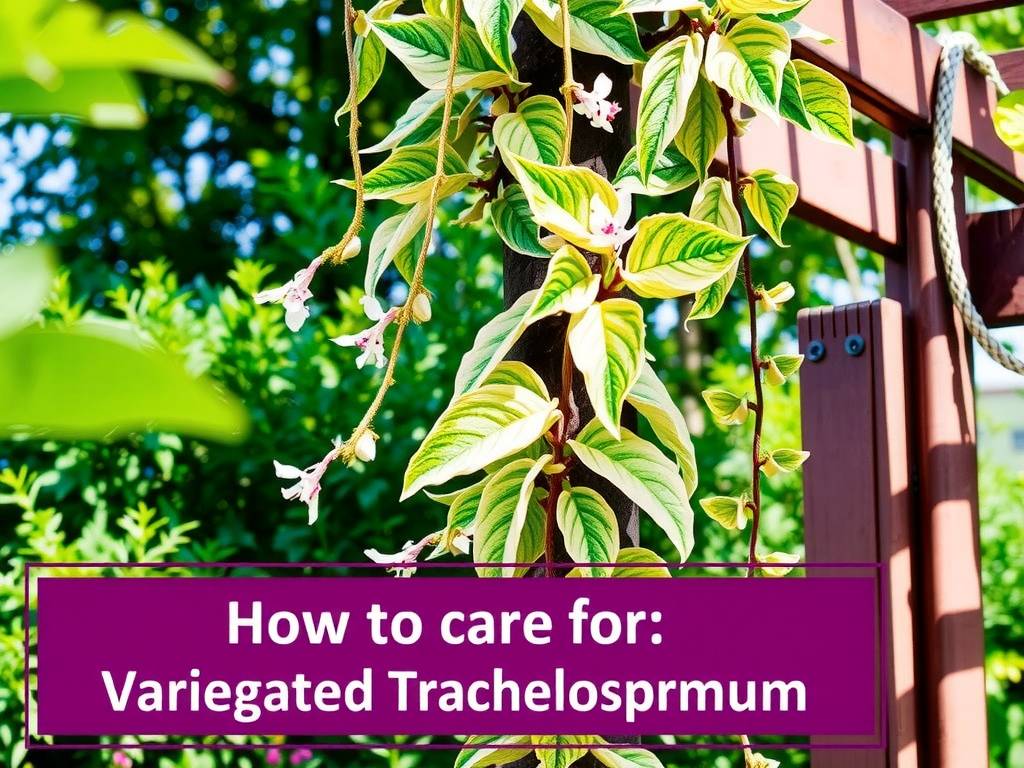
- Arbors or Pergolas: For a breathtaking, fragrant canopy. Secure the main young stems loosely to the support with soft plant ties, guiding their direction. Avoid letting it cling to house siding, as this can trap moisture and damage surfaces.
The Pruning Strategy for Maximum Flowers Pruning is your most powerful tool. The golden rule: prune immediately after the main flowering flush ends, typically in late spring or early summer.
- Shape and Train: Guide long, wayward shoots back onto the support.
- Thin and Renew: Remove any dead, damaged, or excessively crowded stems to improve air flow.
- Spur Creation: The key step for increasing star jasmine flower production. After flowering, shorten the side-shoots that have just bloomed, cutting them back to 2-3 buds from the main stem. This encourages these buds to develop into new flowering spurs for the next season. Avoid heavy pruning in late fall or winter, as you risk removing the developing flower buds.
Troubleshooting Common Growth and Flowering Issues
- Lack of Blooms: This is almost always due to insufficient light, improper pruning (pruning at the wrong time removes buds), or overfeeding with nitrogen. Reassess the plant's location and your feeding regimen.
- Leaf Scorch: Brown, crispy edges on the variegated parts indicate too much direct, hot sun. Provide afternoon shade.
- Green Reversion: If you see solid green shoots emerging, prune them out completely and promptly, cutting back to their point of origin. These reverted shoots are more vigorous and can overtake the variegated growth if left unchecked.
- Poor Winter Performance: In colder regions (below USDA zone 8), provide winter protection. Mulch heavily around the base and consider wrapping the plant and its support in horticultural fleece during hard frosts. Potted plants should be moved to a sheltered, cool but frost-free location.
Propagating Your Variegated Beauty
Want to create more plants? The most reliable method for the home gardener is semi-ripe cuttings. In mid-to-late summer, take 4-6 inch cuttings from healthy, non-flowering shoots. Remove the lower leaves, dip the cut end in rooting hormone, and insert them into a pot of moist, well-draining cutting compost. Cover with a clear plastic bag to maintain humidity and place in bright, indirect light. Once rooted, pot them on individually and grow them on for a season before planting out.
Frequently Asked Questions
My variegated star jasmine is growing well but has never flowered. What's wrong? The most likely culprit is insufficient light. This plant needs a significant amount of bright, indirect light to initiate bud formation. Assess if it's in too deep a shade. The second common cause is pruning at the wrong time; a hard prune in early spring will remove the season's flower buds. Ensure you are pruning primarily right after flowering.
How fast does variegated trachelospermum grow, and how tall will it get? It is a moderately fast grower once established, typically putting on 1-2 feet of growth per season. With optimal care and support, it can ultimately reach 10-15 feet in height and spread. Its growth can be easily managed with annual pruning.
Is variegated star jasmine toxic to pets? Yes, like many members of the Apocynaceae family, all parts of Trachelospermum jasminoides are considered toxic if ingested by cats, dogs, or horses. The milky sap can also cause skin irritation in sensitive individuals. It's advisable to plant it in an area less accessible to curious pets.
Mastering the care of variegated trachelospermum is a rewarding journey that blends fundamental horticulture with the subtle art of training. By providing bright, filtered light, consistent moisture, and targeted feeding, you build a robust plant. Then, by understanding and directing its innate climbing habit through strategic support and post-flowering pruning, you signal it to channel its energy into creating those unforgettable, fragrant blooms. With patience and these focused techniques, your variegated star jasmine will transform from a simple vine into a breathtaking, flowering masterpiece.