bluename
 How to Care for Large Hoya: Bright Indirect Light for Stronger Fragrance
You’ve nurtured your large Hoya, watching its vines cascade and its waxy leaves gleam. But something’s missing. You’ve heard tales of their intoxicating, sweet fragrance that fills a room at night—a hallmark of a truly happy, blooming specimen. Yet, your plant remains stubbornly silent, lush in foliage but absent in scent. The secret to unlocking this sensory delight isn’t just about watering or feeding; it’s profoundly tied to one specific, often misunderstood factor: light. Specifically, providing the perfect quality of bright indirect light for stronger fragrance is the key to transforming your Hoya from a beautiful foliage plant into a fragrant masterpiece.
This comprehensive guide will demystify the precise care your large Hoya needs, with a dedicated focus on how light manipulation directly influences bloom production and scent potency. We’ll move beyond basic care to explore the science of fragrance and provide actionable steps to create the ideal environment.
Understanding Your Large Hoya’s Needs
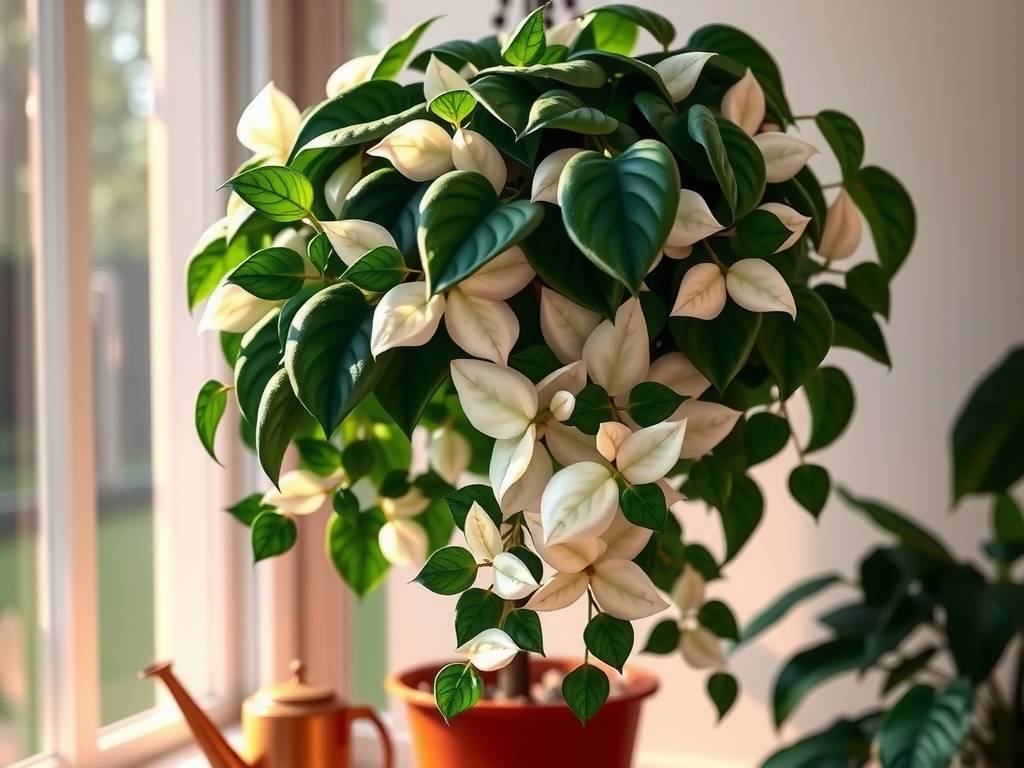
Large Hoyas, like the popular Hoya carnosa, Hoya pubicalyx, or Hoya kerrii, are epiphytic plants in their natural habitat. They cling to trees in dappled sunlight, their roots exposed to air and their leaves protected from harsh direct rays. This origin story is crucial for understanding their core needs: excellent drainage, warmth, humidity, and most critically, filtered light. They are not low-light plants, especially when the goal is prolific flowering. Insufficient light is the primary reason Hoyas fail to bloom, while incorrect light can scorch leaves and stress the plant, further inhibiting its ability to produce its famous fragrant flowers.
The Golden Rule: Mastering Bright Indirect Light
The phrase “bright indirect light” is ubiquitous in plant care, but for Hoya fragrance, it’s non-negotiable. This type of light is bright enough to cast a soft, fuzzy shadow, without the sun’s rays directly touching the foliage. It mimics the light under a rainforest canopy.
Why Light Intensity Drives Fragrance Flowers are energetically expensive for a plant to produce. Fragrance compounds, primarily released at night to attract pollinating moths, are an additional metabolic investment. According to principles of plant physiology, ample light energy (photosynthetically active radiation) is the fuel for this process. A Hoya receiving optimal bright indirect light undergoes maximum photosynthesis, producing abundant carbohydrates. This surplus energy is then allocated to reproductive efforts—forming peduncles (the perennial flowering spurs), developing flower umbels, and synthesizing the volatile organic compounds that create its signature strong sweet fragrance from Hoya blooms. Without this light-fueled energy reserve, blooming may be sporadic, and the scent, if present, will be faint.
Identifying and Providing the Perfect Spot
- South-Facing Windows: Ideal, but place the plant 3-5 feet back from the window or use a sheer curtain to diffuse the direct sun.
- East-Facing Windows: Excellent, providing gentle morning direct light followed by bright indirect light for the rest of the day.
- West-Facing Windows: Can work, but afternoon sun can be intense. Monitor for leaf scorch and diffuse as needed.
- North-Facing Windows: Typically too dim for a large Hoya to bloom reliably.
If natural light is limited, supplement with full-spectrum LED grow lights. Position them 12-18 inches above the plant and maintain a 12-14 hour photoperiod to simulate a long summer day, the prime blooming trigger.
Supporting Practices to Amplify Fragrance
Light is the conductor, but the entire orchestra must be in tune. These care elements support the plant’s overall health, enabling it to utilize that light energy effectively for spectacular, fragrant displays.
Watering with Precision Overwatering is a fast track to root rot and a failing plant. Hoyas prefer to dry out considerably between waterings. The “soak and dry” method is best. Water thoroughly until it runs from the drainage holes, then allow the top 70-80% of the soil to dry out completely before watering again. In bright indirect light, the plant will use water more efficiently, but always check the soil moisture first. A moisture meter can be a valuable tool to prevent guesswork.
Soil and Potting for Health A well-draining, chunky mix is essential. A standard potting soil will retain too much moisture. A recommended blend is one part potting soil, one part perlite, and one part orchid bark or coconut chips. This ensures aeration around the roots, mimicking their epiphytic nature. Repot only when rootbound, as Hoyas often bloom best when slightly cramped in their pots. Always use a container with ample drainage holes.
Fertilizing for Bloom Boosts During the active growing season (spring and summer), feed your large Hoya with a balanced, water-soluble fertilizer diluted to half-strength every 4-6 weeks. To specifically encourage flowering, you can switch to a fertilizer with a higher phosphorus content (like a “bloom booster” formula) once peduncles begin to form. However, the American Hoya Society (AHS) notes that consistent, moderate feeding with a balanced formula alongside excellent light is often more effective than high-phosphorus blasts, which can sometimes lead to salt buildup.
Humidity and Temperature While Hoyas can adapt to average household humidity, they thrive with higher levels (50-60%+). Increased humidity supports lush leaf growth and reduces environmental stress, allowing the plant to focus energy on flowering. Use a humidifier, a pebble tray, or group plants together. Maintain temperatures between 65-80°F (18-27°C). A slight drop in nighttime temperature can sometimes help initiate bud formation.
The Fragrance Phenomenon and Peduncle Care
Hoya flowers grow from specialized structures called peduncles. These are not simple flower stems; they are perennial and will produce new flower clusters season after season from the same point. Never cut off a peduncle after flowering. This is a common mistake that sets back future bloom cycles. After the flowers fade and fall, simply leave the peduncle intact. Your patience will be rewarded.
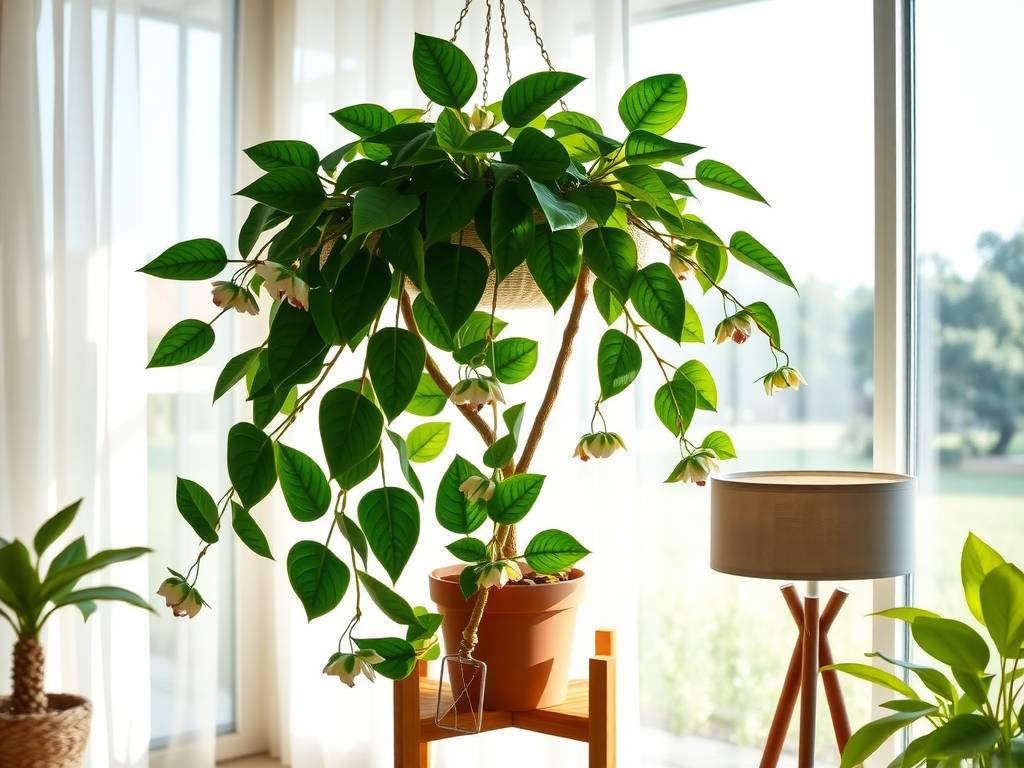
The fragrance, often described as chocolate, vanilla, citrus, or intensely floral, is typically released at dusk and through the night. The strength is directly correlated to the plant’s vitality and the light energy it has stored. A Hoya basking in perfect bright indirect light for stronger fragrance will produce more abundant umbels, and each individual flower will be packed with a higher concentration of scent oils.
Troubleshooting: When Blooms Are Shy
Even with good care, sometimes blooms are delayed. Here’s what to check:
- Light, Light, Light: Re-evaluate your light source. Is it truly “bright” indirect? Consider a light meter app to quantify it. Most blooming Hoyas need at least 200 foot-candles for most of the day.
- Plant Maturity: Some large Hoya varieties need to reach a certain age or maturity before they begin flowering. Don’t be discouraged by a young plant.
- Consistent Care: Avoid drastic changes in location, temperature, or watering. Hoyas appreciate stability. Stress from repotting or drafts can halt bloom development.
- Seasonal Patience: Hoyas are often seasonal bloomers, primarily in late spring through summer. Provide consistent care year-round to support this natural cycle.
How often should I water my large Hoya? Frequency is less important than soil condition. Always allow the potting mix to dry out almost completely between waterings. In bright indirect light and warm temperatures, this might be every 10-14 days. In lower light or cooler weather, it could be every 3-4 weeks. The finger test or a moisture meter is your best guide.
Can I put my Hoya in direct sun to make it bloom faster? Brief morning direct sun can be beneficial, but prolonged harsh direct afternoon sun will scorch the leaves, causing yellow or brown crispy patches. This damages the plant’s ability to photosynthesize and creates stress, which can inhibit blooming. Bright, filtered light is consistently more effective and safer for achieving prolific and fragrant Hoya carnosa bloom cycles.
My Hoya has sticky sap on the leaves. Is this the fragrance? The sticky residue (honeydew) is likely from sap-sucking pests like mealybugs or scale, which are attracted to Hoyas. Inspect your plant closely, especially in leaf axils and under leaves. Treat any infestation promptly with insecticidal soap or neem oil. The true fragrance is an airborne scent, not a sticky substance on the foliage.
Unlocking the powerful fragrance of your large Hoya is a rewarding journey that centers on mastering its light environment. By providing consistent, bright indirect light, you supply the essential energy for flower and scent production. Pair this with mindful watering, well-draining soil, and patient peduncle care, and you create the conditions for not just survival, but spectacular performance. Listen to your plant, observe its response to its placement, and with time, you’ll be greeted by those breathtaking clusters of star-shaped flowers, filling your space with their unforgettable nocturnal perfume.